


How this selection was made
The Gold List 2025-2026 is based on an editorial logic, published by Condé Nast Traveler US and UK, without reader votes or popularity mechanics.
This aspect alters the reading method. An editorial list assesses the consistency of a property over time, rather than measuring a peak in visibility. The criteria used here intersect several external benchmarks. In France, the Palace label is awarded by Atout France, with periodic revisions. Internationally, affiliations with Leading Hotels of the World or Relais & Châteaux serve as markers. Forbes Travel Guide adds another layer with its annual ratings. Michelin is considered when a restaurant significantly shapes the stay. The Gold List 2025-2026 does not equate to these rankings but gains clarity when compared to them.
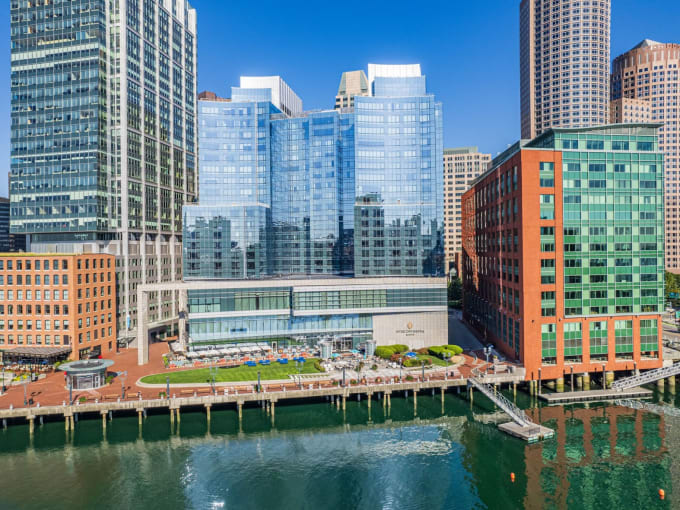
The second layer focuses on operational aspects. Four Seasons Hotel Firenze opens in a historic setting, between the 15th-century Palazzo della Gherardesca and an old convent. Four Seasons Hotel Tokyo at Otemachi presents a different scenario. The hotel occupies the upper floors of a modern tower, located approximately 300 metres from Otemachi Station, with the Imperial Palace less than 2 km away. Four Seasons Hotel New York Downtown serves a distinct purpose, situated in Lower Manhattan, within walking distance of the World Trade Center. Casa de Sierra Nevada, A Belmond Hotel, San Miguel de Allende, is perceived as a collection of colonial houses in the historic centre. Harvest Inn, meanwhile, fits into a vineyard valley narrative, located about 3 km from Yountville.
The third filter concerns the coherence between promise, location, and price. A night at Four Seasons Hotel Firenze typically starts around €1,300 including tax, outside peak season. Four Seasons Hotel Tokyo at Otemachi often ranges between €900 and €1,400 including tax. Four Seasons Hotel New York Downtown frequently exceeds €900 including tax. Casa de Sierra Nevada, A Belmond Hotel, San Miguel de Allende is usually found between €600 and €1,000 including tax. Harvest Inn generally falls between €450 and €700 including tax. These price variations not only indicate the level of luxury but also reveal distinct uses and, consequently, different expectations.
The next step is to examine what these hotels genuinely share, beyond brand signatures and marketing imagery.
What these hotels have in common
The Gold List 2025-2026 features very different hotels, yet their commonality lies not in style, but in the precision of their promise.
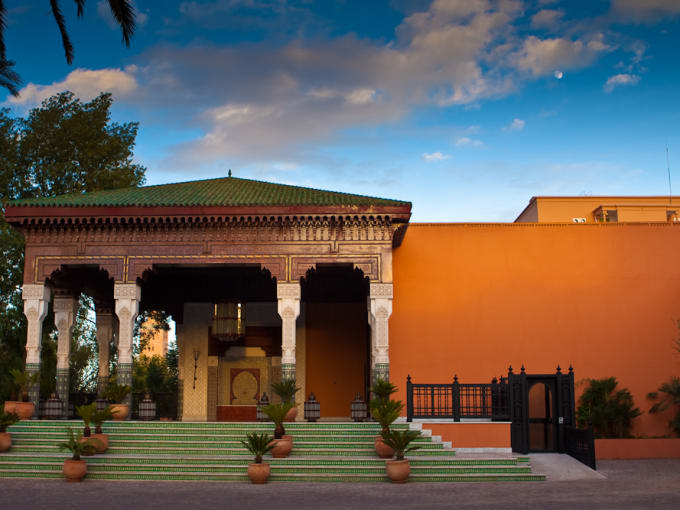
Four Seasons Hotel Firenze seeks a different experience than Harvest Inn. Nevertheless, both maintain a clear line. In Florence, the property is set within a large urban estate, rare at this scale, with a private garden covering approximately 4.5 hectares—a significant figure in a dense city. In Napa Valley, Harvest Inn leverages another advantage, situated directly within a vineyard landscape, with quick access to St Helena Highway. Casa de Sierra Nevada, A Belmond Hotel, San Miguel de Allende operates on a similar principle. The historic city is part of the experience, easily explored on foot without cumbersome shuttles. In each case, the location is not an added backdrop; it structures the stay and reduces logistical friction.
The second common trait is the stability of service, evident in concrete details. The response time before a stay matters, as does the accuracy of confirmations. Late room service weighs more than a photogenic lobby. Managing an early arrival often speaks louder than a brochure. Four Seasons Hotel Tokyo at Otemachi exemplifies this point well, catering to business and short-stay guests. The execution level must remain clear at every stage. Four Seasons Hotel New York Downtown meets the same requirement, as many arrivals in Lower Manhattan are short, sometimes just 2 or 3 nights. A property of this calibre must accommodate this pace without compromising quality.
The third common trait is the ability to avoid trends. Four Seasons Hotel Firenze relies on an ancient heritage but does not solely depend on its décor. Casa de Sierra Nevada, A Belmond Hotel, San Miguel de Allende benefits from a highly regarded city, yet the property stands firm due to its architectural fabric. Four Seasons Hotel Tokyo at Otemachi features a more contemporary design, yet the logic remains the same. The reading of the room, view, and circulation must remain clear after several seasons. This is often where the Gold List distinguishes itself, rewarding not just a successful opening, but properties that retain significance beyond the novelty effect.
The next question becomes practical: when is the best time to book to experience these hotels under favourable pricing and climatic conditions?
Useful windows for booking
For a selection like the Gold List 2025-2026, the timing significantly alters the experience of a hotel, the price paid, and the rhythm on-site.
In Florence, April, May, September, and October see high demand, with generally favourable weather. Cultural flows also increase during these months. During this period, Four Seasons Hotel Firenze often exceeds €1,500 including tax per night, with some categories reaching much higher. Events like Pitti Uomo, major trade shows, and European holidays further tighten the market. January, February, and part of August sometimes offer clearer entry points, with rates typically starting between €1,000 and €1,300 including tax. However, August requires careful consideration, as the city can be hot, leading some travellers to prefer the Tuscan countryside.
Tokyo follows a different seasonality. Four Seasons Hotel Tokyo at Otemachi is highly sought after during cherry blossom season, generally from late March to early April. Autumn, especially November, also sees strong demand, with rates frequently exceeding €1,200 including tax. In January, excluding New Year, or during certain weeks in June, entry can be softer, around €900 to €1,050 including tax. In New York, Four Seasons Hotel New York Downtown aligns with the business and holiday calendar. September, early December, and certain spring weeks remain busy, while August and part of January sometimes offer better options.
San Miguel de Allende and Napa Valley require yet another perspective. Casa de Sierra Nevada, A Belmond Hotel, San Miguel de Allende sees demand rise during holidays, Semana Santa, and certain major Mexican weekends. The climate is pleasant between November and April, with rates often between €750 and €1,000 including tax. In quieter seasons, they may drop to around €600 including tax. Harvest Inn follows Napa's vineyard logic, with harvest season from August to October driving prices up, particularly in October, which is often one of the most expensive months. Winter, excluding holidays, offers clearer nights, typically ranging between €450 and €600 including tax.
Once the travel window is established, the real sorting occurs based on the purpose of the stay, not just the displayed budget.
Practical Adjustments Before Booking
On the Gold List 2025-2026, the real benefits often come from booking details, timing, and room assignments rather than mere upgrades.
The first useful adjustment is the exact duration. At Four Seasons Hotel Firenze, a three-night stay reads better than two. The first day often gets consumed by arrivals and museum visits, while the third allows time for the garden and spa. At Four Seasons Hotel Tokyo at Otemachi, the opposite may be true. A two-night sequence often suffices if the stay primarily focuses on meetings, gastronomy, and urban views. In New York, Four Seasons Hotel New York Downtown works very well for two nights. Beyond that, some travellers prefer a more residential neighbourhood. This is not a matter of quality but of pace and geography.
The second adjustment is the arrival time. In Florence and San Miguel de Allende, an early afternoon arrival often helps. The room is more likely to be ready, and the first contact with the city remains productive. Conversely, in Napa Valley, a later arrival can be more sensible. It follows tastings and avoids a half-day spent unproductively at the hotel. For Harvest Inn, a late departure the following day can then hold more value. In Tokyo, an early morning arrival from Europe should be communicated in advance. The real issue is not just early check-in but the strategy for a transitional room.
The third adjustment is anticipation. For April in Florence, October in Napa Valley, or late March in Tokyo, booking 90 to 120 days in advance often helps. The base categories remain clearer, and views and configurations can be chosen more effectively. In San Miguel de Allende, major Mexican weekends also require this lead time. For New York, the window can sometimes be shorter. Certain business dates open opportunities at 30 or 45 days. Finally, a frequently underestimated point: requesting a room based on actual use. A view, a higher floor, or distance from the lift can significantly alter the stay more than a standard package.
With these adjustments, the Gold List reads less like an annual trophy and more like a precise decision-making tool.
















Choosing based on the type of stay
These hotels do not compete directly, as each caters to a specific purpose, with varying lengths of stay and service densities.
For a couple's city-focused trip, two primary options emerge. Four Seasons Hotel Firenze is well-suited for stays of 3 to 4 nights, allowing for a blend of museum visits, dining, and quiet relaxation. Casa de Sierra Nevada, A Belmond Hotel, San Miguel de Allende also fits this format well, with the historic centre easily explored on foot. Squares, churches, and workshops are accessible without a car. For a birthday or a stay with significant symbolic weight, Florence often holds the advantage, as the heritage of the location has an immediate impact. With a more modest budget, San Miguel de Allende often becomes the more rational choice, with nights starting lower, typically around €600 including tax.
For business trips or highly structured short stays, the most coherent duo shifts. Four Seasons Hotel Tokyo at Otemachi serves short stays of 2 or 3 nights exceptionally well, with access to Otemachi and major rail lines being crucial. Four Seasons Hotel New York Downtown follows the same logic, as the neighbourhood facilitates meetings in Lower Manhattan and provides quick access to Tribeca and the Financial District. In both cases, the traveller prioritises fluidity, with prices reflecting this logic, often ranging between €900 and €1,400 including tax depending on the dates.
For a more relaxed stay, with a car, tastings, and a slow pace, Harvest Inn becomes highly relevant. It is often one of the most accessible entry points in this selection, with nights regularly around €450 to €700 including tax. The property works well for 2 or 3-night stays, allowing excursions to St Helena, Yountville, and Oakville. For families, the decision largely hinges on logistics. Florence offers more urban services, while Napa provides more space and fewer constraints on dense pedestrian traffic. The right choice does not depend on an abstract hierarchy but rather on duration, daily plans, and the level of mobility accepted.
Finally, there remains the most practical aspect: some concrete adjustments that often enhance the quality of the stay without necessarily increasing the budget.