Discussing Mandarin Oriental is to speak of a luxury grammar born in Asia, then methodically adapted to each destination. The group does not impose a uniform decor; it transposes a culture of service grounded in precision, discretion, and a nuanced understanding of local customs. This explains its unique position in the high-end international hospitality sector. A stay in Hong Kong, Bangkok, Tokyo, Paris, or London tells a different story in each city. Yet, there is a shared discipline of execution. At MyConciergeHotel, we value this coherence as much as the diversity of the addresses. It appeals to discerning business travellers, couples on their honeymoon, and reassures an international clientele accustomed to high standards while being attentive to the genuine character of each establishment.
To construct this ranking, we do not seek mere headlines. We first examine verifiable facts. The strength of a Mandarin Oriental address is reflected in its location, status, longevity, ability to embody its city, and level of service. We also consider the quality of wellness facilities, culinary reputation, clarity of the offering for different traveller profiles, and consistency of experience. A palace like Mandarin Oriental, Paris is not evaluated in the same way as an urban resort in Dubai or a grand heritage address in Prague. This distinction is crucial. Our advisors cross-reference recognised accolades, architectural identity, the relevance of rooms and suites, and the actual use of spaces. It is essential to remember that a grand hotel is never just a façade or a single Michelin-starred restaurant.
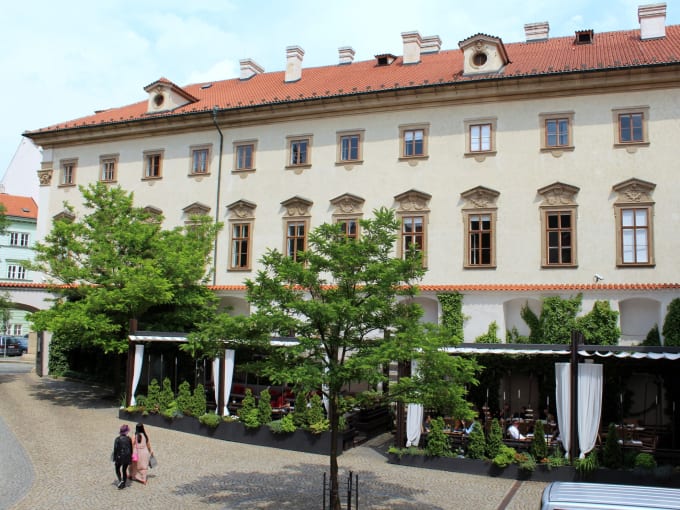
The scope of this collection is broader than often perceived. It spans from historic capitals to business hubs, from shopping addresses to holiday destinations. Mandarin Oriental Prague places the brand in dialogue with European heritage. Mandarin Oriental, Paris asserts a very couture interpretation of the Parisian stay. Mandarin Oriental Hyde Park, London is situated in the classic grandeur of London, overlooking the park. Mandarin Oriental Bosphorus engages with the water and the local scene in Istanbul. In Dubai, Mandarin Oriental Jumeirah and Mandarin Oriental Downtown cater to different needs; one favours the waterfront, while the other appeals more to an urban clientele. Emirates Palace Mandarin Oriental, Abu Dhabi operates on a different scale altogether. The group adeptly inhabits varied formats without losing its service language.
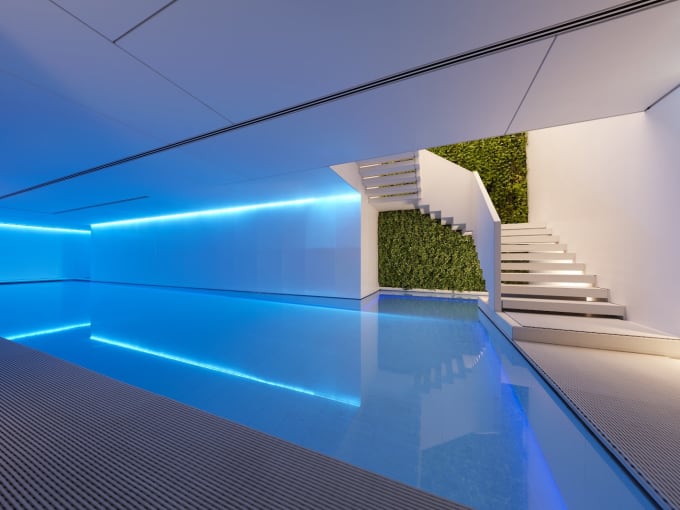
The trends for 2025-2026 reinforce this perspective. The affluent traveller seeks less visible ostentation and more precision in their experience. They desire a spa that is not only expansive but also clear in its offerings. They expect credible dining options that span various styles, from business lunches to destination dinners. There is also a heightened attention to interior design, with signatures like Tony Chi, Adam D. Tihany, or Christophe Pillet being significant when they serve the purpose. Our advisors observe a growing demand for hotels capable of combining three functions: impeccable sleeping, seamless working, and genuine rejuvenation. In this context, the Mandarin Oriental spa remains a strong reference. While it alone does not classify a hotel, it weighs heavily in decision-making, especially for intensive short stays and romantic getaways.
There is also a particular affinity between the Mandarin Oriental spirit and a certain idea of French luxury. Not a demonstrative luxury, but rather one of composition, rhythm, and precise details. In Paris, this encounter is evident, reflected in the attention to materials, light, the flow of spaces, and the quality of invisible service. However, this sensitivity extends beyond France. In Geneva, London, or other European capitals, the brand finds a receptive environment, deploying Asian hospitality that does not overshadow the locale but listens to it. My advice for understanding this collection is not to oppose tradition and modernity. The best Mandarin Oriental addresses articulate both, being international while remaining accessible to those familiar with grand city hotels.
This ranking should also be read without a reflex for superlatives. The number one hotel is not the ideal choice for everyone. A two-night business trip does not prioritise the same needs as a honeymoon. A highly urban address designed for efficiency may be more relevant than a more spectacular hotel. Conversely, some travellers seek primarily a view, a resort feel, a large spa, or a more direct connection to the destination. This is why we value usage. Mandarin Oriental Marrakech does not meet the same expectations as Mandarin Oriental Al Faisaliah, Riyadh. Mandarin Oriental Conservatorium, Amsterdam serves a different role than a waterfront address in the Middle East. Each establishment has its audience. Our job is to make this reading clear so that the ranking genuinely aids in making choices rather than merely dreaming.
Thus, this top 40 serves as a reasoned map of the Mandarin Oriental collection. You will find flagships, urban addresses, and destination houses. Some are historical references, while others embody the group's recent expansion. All illuminate a shared promise: that of Asian hospitality adapted to the place, the journey, and the rhythm of each stay.