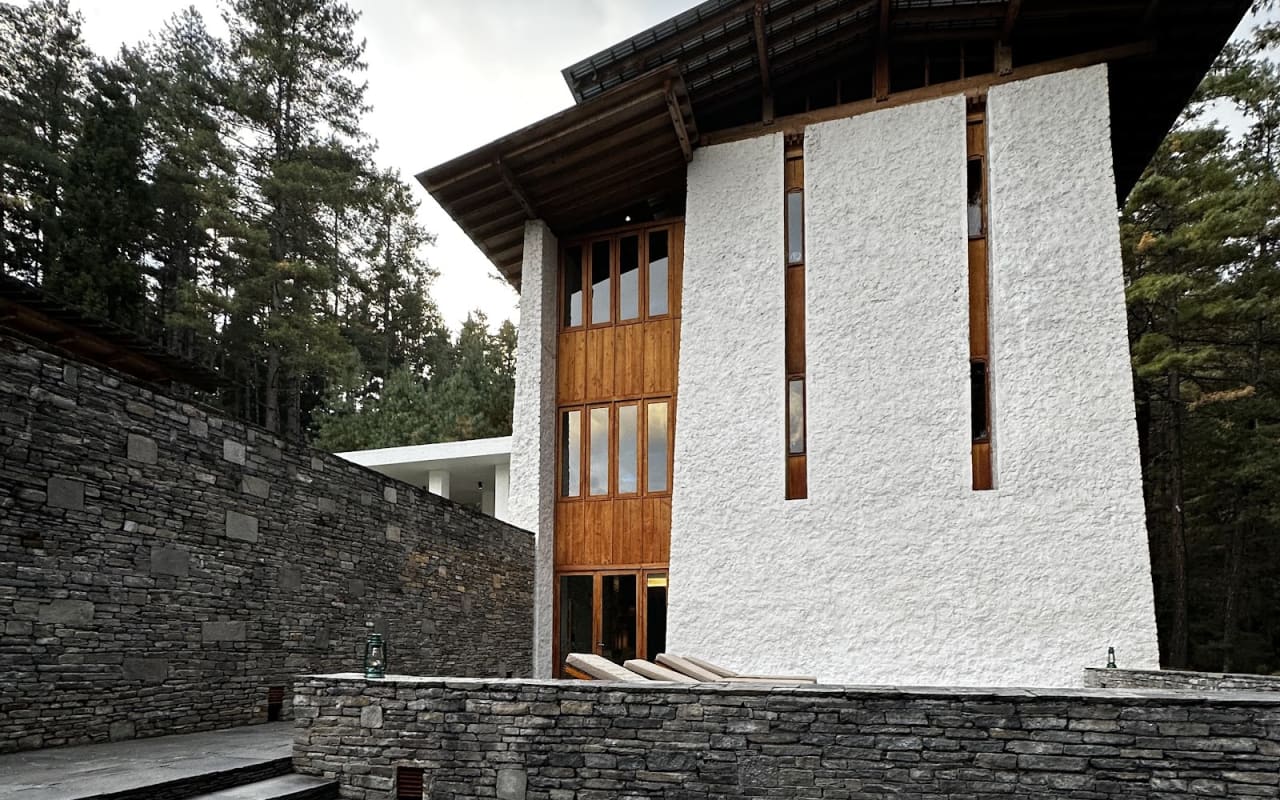
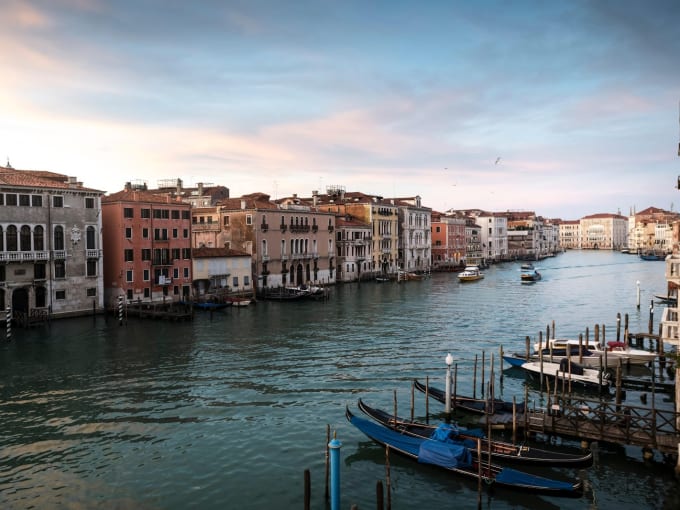
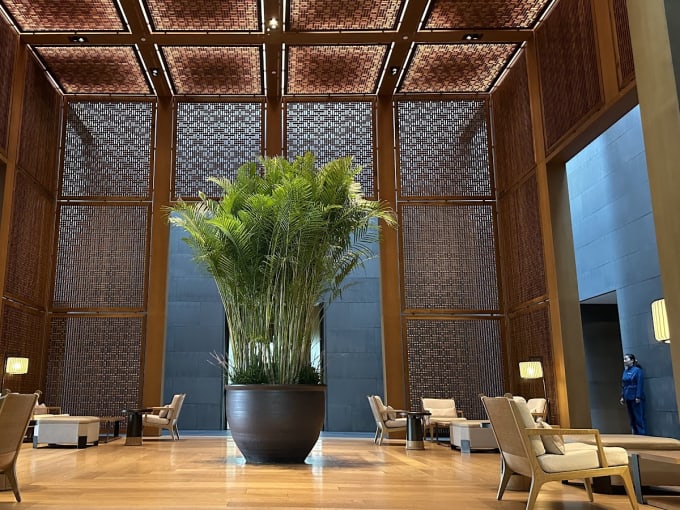
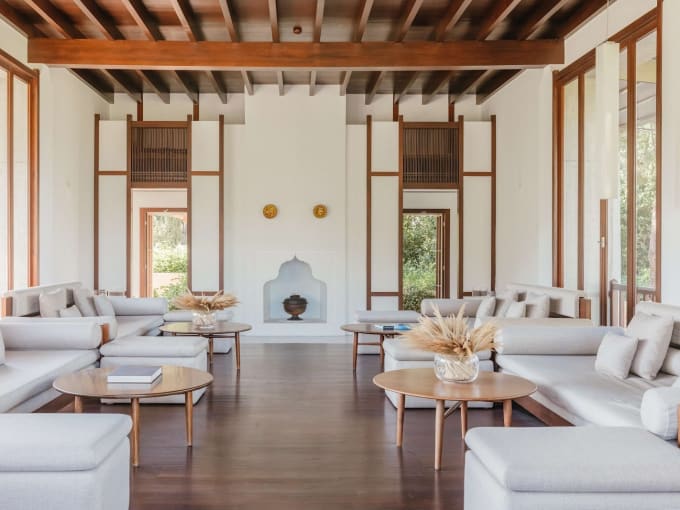
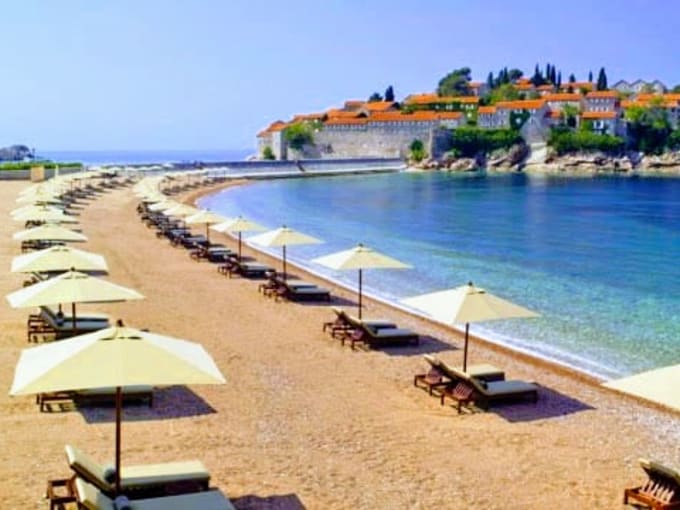
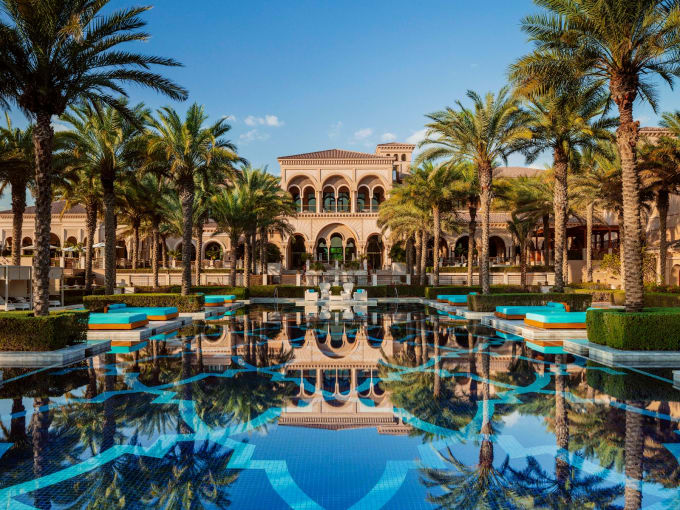
Talking about Aman is to discuss a concept of travel that has become a benchmark. The collection, conceived by Adrian Zecha, has established a precise grammar. Discretion first. Intimacy next. Then, an almost monastic relationship with space, light, and silence. In a luxury market often characterised by ostentation, Aman has chosen a different path. It favours retreat over display. It prefers the right rhythm to the accumulation of effects. This uniqueness explains the loyalty of its clientele. It attracts travellers seeking a retreat, a honeymoon, or an initiatory pause. It also appeals to those who desire attentive service without ever becoming intrusive. From Venice with Aman Venice to Courchevel with Aman Le Mélézin, the brand demonstrates its ability to engage with very different contexts.
To establish this editorial ranking, we do not seek an absolute truth. We aim for a useful, coherent, and considered perspective. Our advisors consider several criteria. First, the strength of the location. A Venetian palace, a camp close to nature, a mountain address, or a Japanese thermal retreat tell different stories. Next, the alignment between Aman’s philosophy and the destination. Some addresses express intimacy, a sense of space, and a connection to the landscape better than others. We also assess the maturity of the experience. This includes accommodation, privacy, the Aman spa, the place of reimagined local gastronomy, and the ability to create bespoke stays. Finally, we take into account sustainable desirability. A great hotel is not merely photogenic. It remains relevant year after year.
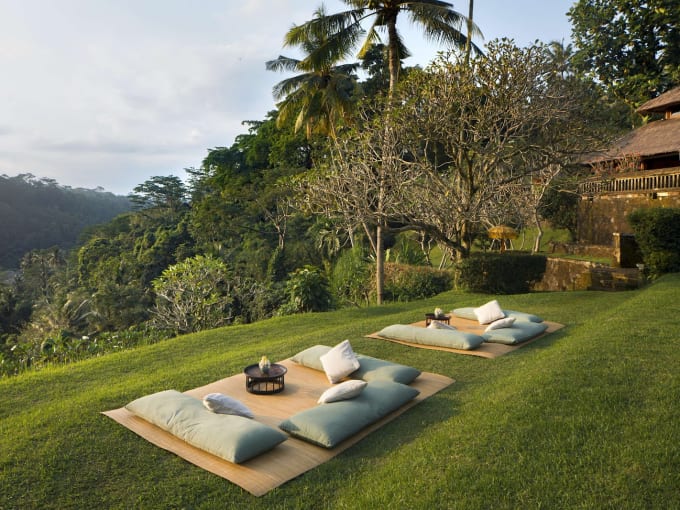
The panorama of this Top showcases the true breadth of the collection. Aman is not a unique style imposed on the world. It is a method of interpretation. In Bali, Amandari and Aman Villas at Nusa Dua illustrate two distinct readings of the island. One gazes upon the rice fields and Balinese heritage. The other prioritises private villas and residential autonomy. In Japan, Amanemu embeds the experience within the culture of hot springs and a harmonious relationship with the coastal landscape. In China, Aman Summer Palace and Amandayan engage with the history, architecture, and cultural richness of their locations. In India, Aman-i-Khas reminds us that Aman also excels in the form of luxury camping, with a very structured approach to the territory. In Europe, Aman Venice and Aman Le Mélézin prove that the brand can thrive in heritage or alpine contexts without losing its restraint.
For 2025 and 2026, several trends are enhancing the appeal of the collection. The first is the search for low-density hotels. The most discerning travellers desire space, tranquillity, and a high staff-to-room ratio. Aman remains very strong in this regard. The second trend concerns transformative stays. The spa is no longer a mere addition. It has become a reason to travel. Wellness programmes, rituals inspired by local traditions, and extended time are regaining importance. The third trend is the return of initiatory travel. Bhutan, Japan, Indonesia, Italy, and Morocco are emerging as signature destinations, as they offer more than just a backdrop. They provide cultural depth. Finally, the private villa continues to gain traction. It meets a demand for privacy, flexibility, and multigenerational stays, without sacrificing hotel service.
From a French perspective, Aman also speaks to a certain idea of luxury. Not the verbose luxury. The right luxury. The one that rests on mastery of details, quality of welcome, and a sense of obviousness. This interpretation aligns with our advisory approach. A great hotel cannot be reduced to its category or reputation. It is judged by how it accompanies a moment in life. A honeymoon does not call for the same setting as a solo trip. A wellness retreat does not require the same energy as a cultural stay. What our advisors often observe at Aman is this ability to adapt the setting to the intention of the journey. The service remains very structured. Yet, it allows space for silence, improvisation, and the rare feeling of truly inhabiting a place.
This ranking should therefore be read without the reflex of pure competition. The number one does not render the others secondary. Each address responds to a specific desire. Amanera, for example, does not fulfil the same promise as Amanemu. Aman Venice does not operate in the same register as Aman-i-Khas. Amandayan does not offer the same temporality as Aman Le Mélézin. This is precisely what makes the collection interesting. It brings together very different hotels, united by a common discipline. It is also worth noting that an Aman hotel is often chosen based on rhythm affinity. Some travellers want the sea, others the spirituality of a landscape, and others still a strong heritage anchoring. Our role is not to standardise these expectations. It is to clarify the uses, atmospheres, and contexts, to guide towards the most suitable address.
Here is our interpretation of the most beautiful Aman addresses in the world. It prioritises the coherence of the location, the strength of the experience, and fidelity to the spirit of the collection. My advice is simple. Read this Top as a map of desires, not as a fixed verdict.