History & heritage
In Alta Badia, Rosa Alpina belongs to a mountain hospitality tradition in which welcome is not a decorative idea but a lived culture. In the Dolomites, the finest houses are not defined by display alone; they are measured by consistency of service, the quality of shelter they provide, and their ability to connect local architecture with the expectations of a contemporary traveller. Rosa Alpina sits within that lineage. Its identity rests on a clear balance between Alpine heritage and present-day comfort, without erasing what makes the setting distinctive: the mountains, the seasons, the rhythm of a high-altitude village, and a certain discretion typical of destinations that do not need to overstate themselves.
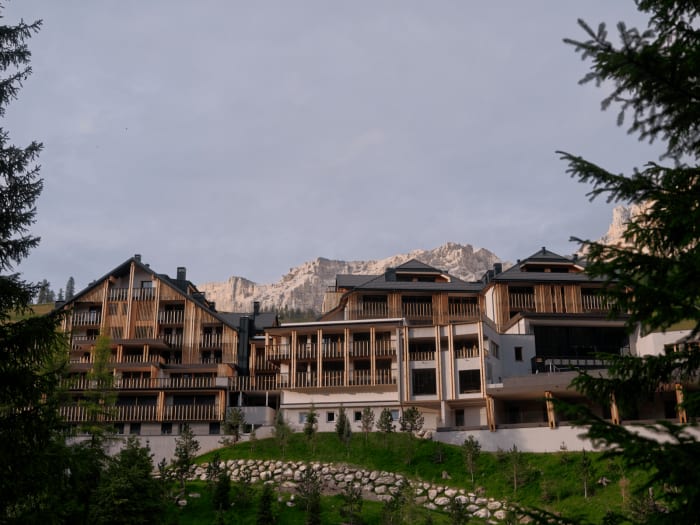
Alta Badia itself matters greatly to the way the hotel is understood. Here, history is not only that of a building but of a territory. The Dolomites, with their instantly recognisable formations, have shaped a culture of travel in which guests come as much for the air, the light and the views as for the hotel experience itself. Rosa Alpina fits into this geography through a refined reading of local heritage: chalet-inspired volumes, warm materials, the presence of wood, and a clear attention to shared spaces as places to gather after a day outdoors. That continuity with the spirit of the mountains is essential, because it avoids the trap of interchangeable luxury.
Its place within the Aman collection adds another layer. It suggests a particular understanding of service: restrained, precise, attentive to detail and to the overall experience rather than to overt display. In an Alpine setting, that approach takes on a special resonance. The stay becomes more than a winter sports hotel or a summer base for hiking; it becomes a way of inhabiting the mountains with greater calm, comfort and coherence. Rosa Alpina therefore speaks to travellers who already know Europe’s major resorts and are looking here for something more intimate, more rooted and more nuanced.
What gives such a place its heritage is also its ability to remain timeless. The best mountain hotels evolve without breaking with their surroundings. They update the way they operate, refine their offering and sometimes rethink their interiors, while preserving the essentials: a sense of refuge, a direct relationship with the landscape and a quality of welcome that encourages return visits in different seasons. Rosa Alpina follows that logic. In winter, it frames ski days with a cocooning atmosphere; in summer, it becomes a base for trails, alpine meadows and panoramic roads. In both cases, it cultivates a rare sense of continuity.
For travellers, this notion of heritage matters because it shows that the hotel is more than an international luxury label. It belongs first to an Alpine cultural landscape, to a way of receiving guests and to an art of staying in the mountains where apparent simplicity conceals a high degree of exacting care. That restraint is precisely what gives Rosa Alpina its character: a house that looks forward without abandoning the language of the mountains, and that makes its Alta Badia setting one of its most distinctive signatures.
The Establishment
The Rosa Alpina reveals itself as a contemporary mountain retreat. Nestled in the heart of Alta Badia, this establishment seamlessly integrates into the stunning Dolomite landscape, enhancing it with elegance.
This harmony is evident in the traditional alpine architecture, enriched with modern touches. The outcome avoids any sense of folklore. Warm materials, clean lines, and inviting volumes immediately create a feeling of comfort.
The communal spaces play a crucial role here, facilitating the transition between the outdoors and indoors, between the exertion of the day and the relaxation of the evening. After a day on the slopes in winter or hiking in summer, the atmosphere remains warm and never overly formal. One naturally moves from a mountain return to enjoying tea, an aperitif, or dinner.
Its prime location in the heart of Alta Badia is a significant advantage, allowing guests to experience the destination authentically. Visitors come here for a well-defined alpine territory, cherished for its landscapes, outdoor activities, and tranquil atmosphere. The Rosa Alpina serves as a grounding address. Refined yet connected to its surroundings, it inspires exploration and encourages guests to embrace the valley's rhythm.
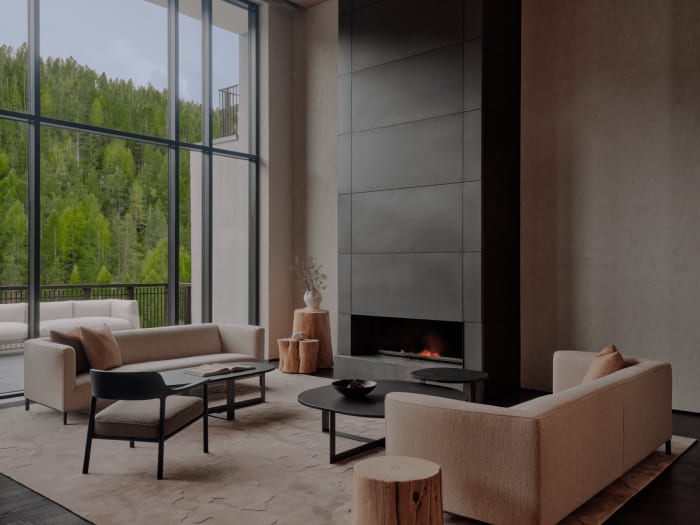
The overall aesthetic prioritises texture over mere visual effect. In the mountains, this makes all the difference. Wood, thick fabrics, soft lighting, views of the landscape, and the clarity of spaces matter more than ostentatious decorative gestures. Luxury is measured by the quality of silence, the fluidity of movement, and the sensation of being sheltered from the cold without feeling confined.
This coherence between architecture, location, and function is among the most compelling aspects of the Rosa Alpina. For a romantic getaway, it creates an intimate setting without theatrics. For a family trip, it offers a comfortable base suited for active days. To discover the Dolomites, it provides access to the region's strengths: spectacular beauty and a stylish yet simple way of experiencing altitude.
Rooms and Suites
In a mountain hotel of this calibre, the room is not merely a place to sleep; it represents the second landscape of the stay. Following the peaks, snow, forests, or trails, it extends the sensation of refuge without excessive folklore. At the Rosa Alpina, the rooms and suites embody this spirit, offering a contemporary interpretation of alpine comfort, where visual warmth is as important as functionality. The traditional architecture, combined with modern elements, suggests interiors with natural materials, soothing tones, and clear spaces.
In the Dolomites, light changes rapidly. In the morning, it can be sharp and mineral; in the evening, it softens. A well-designed room accommodates these variations, providing a viewpoint, a rhythm, and a quality of silence. The experience here embodies a luxury of retreat. With meticulous bedding, a cosy atmosphere, and bathrooms designed for post-mountain relaxation, everything contributes to rest and contemplation.
Travellers choosing Alta Badia do not all seek the same experience. Some come to maximise their time on the slopes, while others favour long summer walks, panoramic views, and tranquillity. Still others seek an elegant interlude in a striking natural environment. The rooms and suites at the Rosa Alpina cater to various needs. They accommodate active stays, appeal to guests accustomed to grand hotels, and create an immediate sense of intimacy. This discreet versatility distinguishes quality mountain houses from more standardised establishments.
Particular attention is paid to practical details, which are essential here. Smooth circulation, adequate storage, pleasant textiles after a day in the cold, well-regulated temperatures, and daily housekeeping maintain a sense of order and rest. The turn-down service reinforces the notion of a stay carefully paced. In the mountains, these gestures give the room a specific function: that of a cocoon ready to welcome the return from the outside.
For couples, the room becomes a retreat, open to silence and the landscape. For families, it remains easy to live in without sacrificing elegance. For seasoned luxury hotel guests, it avoids excessive style in favour of a more enduring quality—one of proportions, materials, light, and rest. At the Rosa Alpina, the rooms and suites contribute to a holistic mountain experience, characterised by precise comfort, controlled warmth, and a constant connection to the alpine environment.
The Dining Experience
In the Dolomites, gastronomy plays a vital role in interpreting the territory. Alpine, Italian, and local influences intersect naturally, giving rise to comforting, precise, and sometimes subtle mountain cuisine.
At the Rosa Alpina, the dining experience extends the essence of the stay, accompanying the rhythm of the days and the identity of the place.
In the morning, breakfast holds a significant place. It caters to individual needs, whether heading to the slopes, hiking, resting, or enjoying a family stay. More than just a buffet, it offers carefully selected products, thoughtfully prepared beverages, and the right atmosphere. In the mountains, this moment prepares guests for exertion and establishes lasting comfort.
Lunch, depending on the season, may take the form of a light pause or a more structured gathering. In a grand alpine house, one appreciates a menu that alternates simplicity and precision. Comforting dishes after the cold, fresher options in summer, and a cuisine that is clear and without unnecessary embellishments. Here, luxury lies in the accuracy of cooking, the quality of ingredients, and the fluidity of service.
Dinner often becomes the focal point of the stay. After a day outdoors, guests seek a cosy atmosphere, soft lighting, and a table where they can linger. The cuisine should reflect the locale without being confined by it. The balance lies between regional roots, openness, and precise execution.
The dining space at Rosa Alpina is also a social hub. As a couple, it provides an intimate setting after a day in the mountains. For families, it structures the day with its regularity. For travellers accustomed to prestigious addresses, it remains a criterion for loyalty. Here, one seeks a coherent experience based on comfort, precision, seasonality, and understated elegance.
Spa & Well-being
In a grand alpine hotel, well-being is an integral part of the stay. The mountains engage the body differently depending on the season. Efforts on the slopes, long walks, altitude, cold air, and intense light all call for a genuine return to calm. At Rosa Alpina, well-being is seamlessly woven into a natural continuum of outdoor activity, indoor relaxation, and quality service.
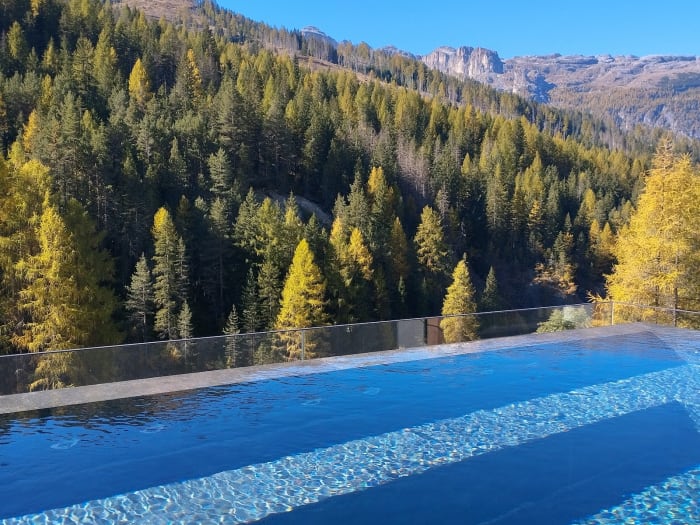
The first luxury in the mountains is often thermal. Finding warmth right after the cold, easing tired legs after an active day, and slowing down in silence are as important as a treatment. A successful wellness space in the Dolomites must facilitate this transition. It is less about accumulation and more about coherence. Here, the traveller seeks a profound sense of tranquillity.
The treatment does not exist in isolation from the rest of the stay. It integrates into a personal rhythm. One might desire a massage after skiing, a moment of calm in the late afternoon, or a recovery period before dinner. The value of the service lies in its ability to listen, adapt, and maintain discretion. This restraint is particularly suited to the mountains, where many come seeking a form of re-centering.
Well-being at Rosa Alpina also encompasses a broader sense. There is physical rest, but also the quality of sleep, the silence of the rooms, the comfort of communal spaces, and a less constrained pace. The mountains here redefine luxury. It is not just about being occupied, but about feeling better. A hotel that successfully embraces this aspect creates the conditions for lasting relaxation.
For couples, the experience extends the intimate character of their stay. For families, it offers moments of respite between two active days. For a traveller accustomed to urban spas, it serves as a reminder that at altitude, relaxation has a different texture—slower and quieter. Rosa Alpina, through its setting and positioning, embodies the idea of elegant alpine well-being, where recovery, warmth, and serenity become essential components of the journey.
Concierge & Services
At Rosa Alpina, the service is organised with a discretion that keeps the mountains at the forefront. The concierge is present throughout your stay, offering attentive support without ever being intrusive.
It facilitates the important details that matter in such a distinguished setting. Whether it’s advice, coordination, or addressing practical needs at the right moment, the rhythm of your stay remains seamless.
Arrival is made easy with on-site parking, providing a tangible comfort that is particularly appreciated in Alta Badia, where effortless movement is valued.
The hotel is also pet-friendly, a choice that enhances the experience for those travelling with their furry companions. This ensures continuity in the experience without enforced separation.
Overall, the service is designed to ease logistics while preserving the essentials. Here, the concierge, parking, and pet welcome all embody the same spirit: a stay characterised by flexibility, precision, and a natural flow.
The Art of Living in Alta Badia
Staying at Rosa Alpina means embracing a particular vision of Alta Badia. This part of the Dolomites is not merely about skiing or high-altitude scenery; it offers a more subtle mountain lifestyle, intertwined with the landscape, the seasons, and the time available.
Visitors come for skiing in winter and hiking in summer. The richness of the experience also lies in the light, the leisurely return at the end of the afternoon, and the charm of a comprehensible alpine village.
In winter, Alta Badia attracts travellers who appreciate vast ski areas and spectacular panoramas. The atmosphere here is more subdued than in some iconic resorts. Days are structured around the slopes, sunlit breaks, and returning to the hotel as the light fades over the peaks.
In this context, Rosa Alpina serves as an elegant refuge, allowing guests to fully embrace the cold season without sacrificing sophisticated comfort.
Summer reveals another facet of the destination. The Dolomites transform into a realm of walking, contemplation, and breathing. The trails, alpine pastures, scenic routes, and villages give the stay a more expansive rhythm.
Alta Badia appeals to travellers who enjoy inhabited mountains. There is a palpable local culture, a valley economy, and a tangible relationship between nature and hospitality. Rosa Alpina naturally fits into this interpretation of the region.
The local art of living also embodies a well-maintained simplicity. Here, luxury does not need to be ostentatious; it manifests in the quality of materials, the care taken in hospitality, and the opportunity to enjoy active days before retreating to a calm and comfortable setting.
For couples, this means days shaped by nature and more intimate evenings. For families, it offers a clear, healthy destination structured around outdoor activities. For travellers accustomed to international luxury, it presents an opportunity to reconnect with the place without compromising on the expected level of service.
Booking via MyConciergeHotel
Booking Rosa Alpina through MyConciergeHotel means approaching your stay with preparation suited to a demanding mountain destination. Alta Badia is not experienced as an improvised urban getaway; the seasons strongly shape the experience, and availability can change rapidly. The quality of your stay often hinges on good foresight, making it advisable to book activities in advance, especially during peak season. This recommendation is particularly pertinent here, as winter attracts skiing enthusiasts while summer appeals to hiking and landscape lovers.
The advantage of being supported by MyConciergeHotel lies in its ability to make your stay more seamless. Choosing your dates requires careful consideration. In winter, one must account for the season's intensity, the rhythm of holidays, and the desired atmosphere. In summer, ideal conditions for walking, contemplation, and long days are often prioritised. In both cases, thoughtful reservations allow for a more enjoyable experience in the Dolomites without the stress of last-minute logistical constraints.
Beyond the room, the orchestration of the entire stay benefits from careful planning. An establishment like Rosa Alpina attracts travellers wishing to combine hotel comfort, outdoor activities, and relaxation time. This sometimes necessitates coordinating transfers, planning arrival and departure times, anticipating the needs of a family holiday or a romantic getaway, and booking certain experiences prior to arrival. MyConciergeHotel provides tangible value here, offering an editorial and practical perspective capable of guiding the traveller towards the right tempo.
Booking this way also enhances your understanding of the hotel’s positioning. Rosa Alpina is a five-star address in the Dolomites, appealing to travellers sensitive to the balance between nature, service, and atmosphere. Some may prioritise access to activities, while others value the quality of the refuge or the romantic or family-oriented aspects of the stay. A well-supported reservation allows for aligning these expectations with the reality of the place.
In the realm of luxury, the ideal booking extends beyond securing availability; it involves preparing the right conditions for an experience. In a destination like Alta Badia, this means considering the rhythm of the journey, desired activities, the season, the type of stay, and the level of support expected. For Rosa Alpina, a refined mountain house in the heart of the Dolomites, this approach enables a stay characterised by greater clarity, serenity, and precision.