


How This Selection Was Made
The 2025 edition of The World’s 50 Best Hotels was announced in London following the votes of over 800 international experts.
This ranking should be viewed as a global influence indicator. It does not replace a regulatory framework or a public inspection. The new feature for 2025 is significant. The list now extends from rank 51 to rank 100. This expansion refines the analysis, better distinguishing media frontrunners from hotels gaining traction. The first filter focuses on the mechanics of the ranking. The second concerns the stability of the names present. The third assesses the ranking's ability to cover various uses. An isolated resort, a large urban hotel, and a heritage address do not serve the same stay.
The analysis is then cross-referenced with independent benchmarks. In France, the relevant base remains the current Atout France 5-star ranking. The Palace distinction adds a readable national level. Internationally, other markers assist. Leading Hotels of the World remains relevant for high-end distribution. Relais & Châteaux better illuminates characterful establishments. Forbes Travel Guide provides an annual inspection framework. Michelin also matters when culinary offerings weigh heavily in the stay. A frequently cited hotel absent from these radars warrants more caution. Conversely, a less visible hotel can be solid, especially when service sustains over multiple seasons.
The final sorting relies on the actual usage by travellers. Two nights for business are not judged the same as four nights for an anniversary. A family of four first looks for connecting rooms. A couple often considers the view, tranquillity, and evening dining options. Prices also serve as a consistency test. In this segment, a night typically starts around €700 to €900 including tax. During high demand, it often exceeds €1,200 including tax. A suite can easily surpass €2,500 including tax. If the price rises but execution does not follow, the ranking loses its practical value. The next section examines what these hotels truly share.
Common Features of Ranked Hotels
Hotels that endure in this type of ranking primarily share a visible execution discipline at multiple levels of the stay.
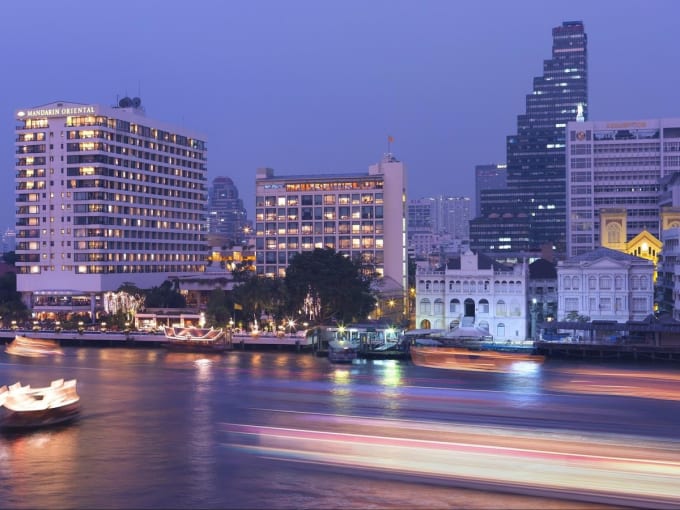
The first commonality is mastery of the physical product. Rosewood Hong Kong, opened in 2019 at Victoria Dockside, features 413 rooms. The address occupies Kowloon, facing Victoria Harbour. The volume allows for multiple uses on the same day. A business trip, a long weekend, and a gastronomic stay can coexist. Capella Bangkok operates under a different logic. The hotel opened in 2020 on the banks of the Chao Phraya River, featuring 101 rooms, suites, and villas. The more compact scale changes everything. Service becomes more direct, and circulation is shorter. The stay feels less fragmented. In both cases, the ranking rewards overall coherence rather than just decor or novelty.
The second commonality is a credible density of dining options. Four Seasons Bangkok at Chao Phraya River opened in 2020 and features 299 rooms. It relies on several restaurants and bars. This breadth is beneficial for stays of 3 to 5 nights, as travellers do not need to dine out for every meal. Rosewood Amsterdam and Collegio alla Querce illustrate another lever. These recent openings attract attention as they combine heritage, strong branding, and launch effects. In such establishments, a room often ranges from €900 to €1,500 including tax, with peaks rising higher in the initial seasons. The real test then lies in the consistency of service after the initial buzz.
The third commonality is the ability to create a precise memory. This encompasses the view, rhythm, arrival, and dining experience. It also includes silence, quality of sleep, and the concierge's precision. A global ranking often highlights the image. A good hotel translates this image into concrete usage. This is the difference between a highly commented name and an address that guests book again. The right timing for a stay thus becomes a crucial topic, especially for hotels exposed on a global scale.
Optimal Booking Windows
In a highly exposed global ranking, the best period for booking depends as much on pricing calendars as on local weather.
In Hong Kong, the most favourable window often falls between October and December. Humidity decreases, making walking easier. Views of Victoria Harbour are typically clearer. For Rosewood Hong Kong, this period also sees high demand, with rates often exceeding €1,100 including tax for entry-level categories. January and February remain useful for short urban stays. March to May bring more weather variations, while June to September require greater tolerance for heat and rain. Conversely, certain dates offer better availability. For a hotel with 413 rooms, this can open higher categories at a constant budget.
Bangkok follows a different logic. Between November and February, the city is easier to navigate. Temperatures remain high but are more bearable. Capella Bangkok and Four Seasons Bangkok at Chao Phraya River benefit from strong traction during this time. River-view rooms sell quickly, with a night typically starting around €650 to €900 including tax. Suites rapidly exceed €1,500 including tax. The rainy season, from May to October, should not be dismissed. Showers are often brief, and prices may be more flexible. For a stay focused on spa, dining, and city engagements, the compromise can be worthwhile.
In Europe, the novelty effect weighs more heavily. Rosewood Amsterdam and Collegio alla Querce attract curiosity-driven demand. The first six to twelve months of operation often create pricing tension. Spring and early autumn typically offer the best balance between climate and availability. Summer concentrates leisure pressure, while the holiday season intensifies event pressure. For these recent hotels, booking 90 to 120 days in advance remains prudent. For a suite, 4 to 6 months provides more options. The right timing thus never solely equates to high season; it depends on the type of stay, leading to the real choice topic.
The Concierge's Operational Advice
For hotels highly featured in a global ranking, the advantage often lies in precise timing regarding the reserved category.
Two rooms sold on the same night can yield very different experiences. The issue is not merely about size; it is about the actual location. At Rosewood Hong Kong, height, the line of sight, and distance from the lifts are significant factors. At Four Seasons Bangkok at Chao Phraya River, the relationship to the river is more important. A room at the same rate may offer a more open perception, while another may feel more enclosed. Therefore, the best practice is to secure a clear category. Avoid overly broad labels. A difference of €80 to €150 can ensure a better view or floor. Over three nights, this additional cost is often better invested than a premium transfer.
The second lever comes into play 7 to 10 days before arrival. This is the right time to confirm useful preferences. Bedding specifications should be clarified, as well as the arrival time. A request for a quiet room must be clearly articulated. Highly sought-after hotels often allocate their inventory at this stage. Too early, the demand remains theoretical; too late, the best assignments are gone. For a birthday stay, it is also important to signal the priority for dinner. In hotels with sought-after restaurants, the dining reservation can sometimes be secured before the room. Michelin remains a good reference when gastronomy is a priority, but the 8:30 PM slot can sometimes matter more than the star.
The third lever concerns the duration of stay. At these addresses, two nights rarely provide a full experience of the place. Three nights often change the perspective. They allow for an on-site dinner, a leisurely morning, and proper use of the spa. This is particularly evident at Capella Bangkok. The same will apply at Rosewood Amsterdam or Collegio alla Querce during their opening phase. For a highly sought-after reservation, aiming for a stay from Sunday to Wednesday often helps. Rates can be more transparent, as can availability. If there were one rule to summarise, it would be this: book a specific category, confirm preferences 10 days in advance, and advocate for the logic of the stay rather than just the ranking.



































Choosing Based on Stay Type
The rank in a global ranking is of little help if the stay is not clearly defined before booking.
For a dense urban stay, Rosewood Hong Kong works well. Its 413 rooms provide flexibility, making it suitable for those seeking multiple dining options, a large spa, and straightforward logistics. The Kowloon district is also advantageous, with direct crossings to Central. For a 2-night business trip, this scale is reassuring, as the service better accommodates late arrivals. Higher categories with views often justify the price difference, which can range from €150 to €300 including tax on certain dates. The perceived gain from the stay can be significant. For a couple, the central question thus remains the view rather than the raw rank.
For a more relaxed stay, Capella Bangkok is a better fit. Its 101 rooms, suites, and villas create a calmer rhythm, making it suitable for anniversaries, honeymoons, and stays of a minimum of 3 nights. Four Seasons Bangkok at Chao Phraya River is easier to organise for families, with its 299 rooms, outdoor spaces, and restaurants. Children find their place more quickly, while adults retain a genuine choice of dining. The decision between the two hinges on ambiance. Capella Bangkok promotes intimacy, while Four Seasons Bangkok at Chao Phraya River encourages versatility. At a similar budget, this aspect matters more than ranking position.
In Europe, Rosewood Amsterdam and Collegio alla Querce require a different perspective. The former attracts travellers sensitive to recent openings and urban experiences, while the latter appeals more to heritage stays and slower rhythms. In both cases, the starting price may seem similar, but the actual experience is not. A night can start around €900 including tax, while a well-placed suite often exceeds €1,800 including tax. The right choice then depends on three questions: how many nights are planned, what proportion of the stay occurs within the hotel, and what level of dining truly matters. At this point, operational advice can yield more benefits than a simple upgrade.