
How this selection was made
This selection is based on a specific network, with each address verified against named and dated external sources.
The first filter is membership in Small Luxury Hotels of the World, abbreviated SLH. This label helps to isolate independent hotels of small or medium capacity. However, it does not guarantee consistent execution on its own. Therefore, the selection cross-references other benchmarks. The Michelin Guide for hotels is used to assess the consistency of experience. The Forbes Travel Guide 2024 remains useful for service regularity. When a French address is involved, the Atout France 5-star ranking, including vintage, is also considered. Relais & Châteaux and Leading Hotels of the World serve as counterpoints, as their criteria differ from SLH.
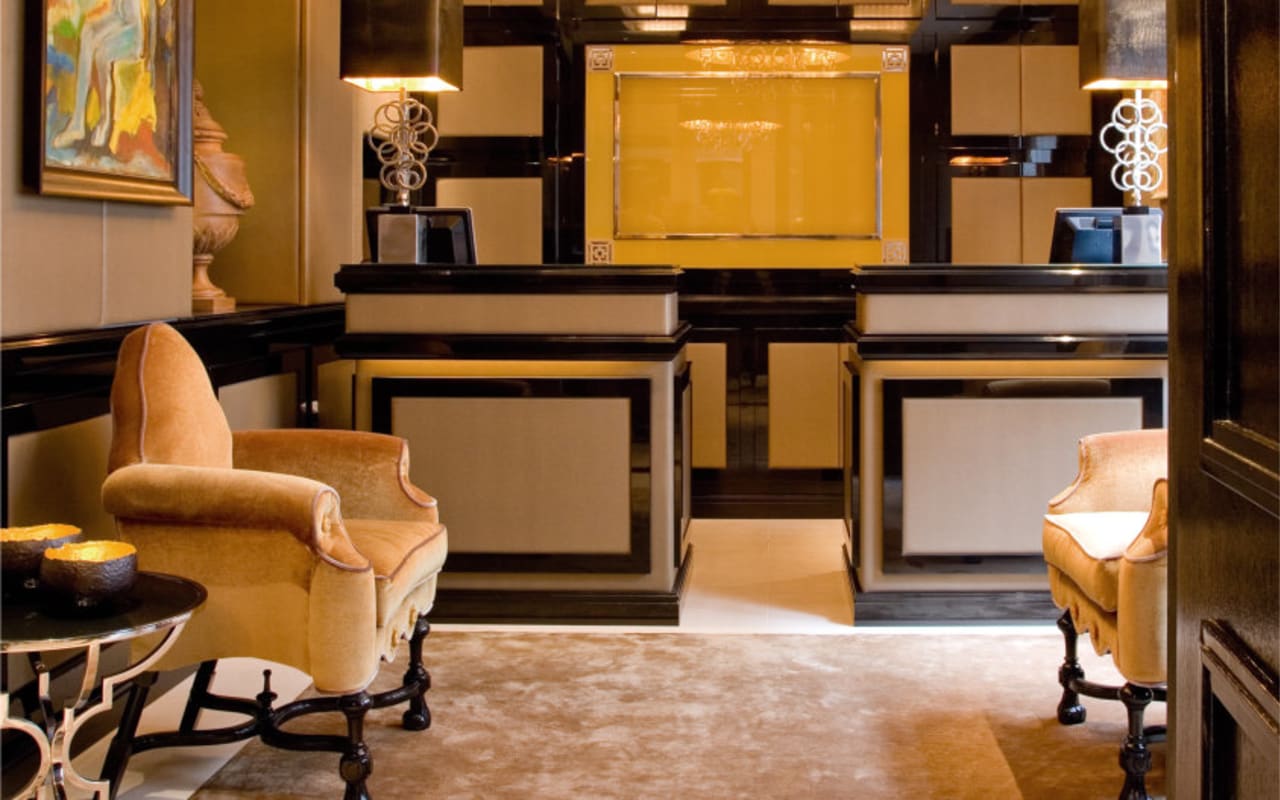
The second filter focuses on the operational reality of the location. A beautiful image is not enough. It is essential to verify the exact location, the number of rooms, and the pace of the neighbourhood. Casa Monti, in the 1st arrondissement of Rome, does not read the same as Boheme Mykonos, on a highly seasonal island. Althoff St James' Hotel & Club - Mayfair London must be assessed in relation to Mayfair, Green Park, and Piccadilly. Eccleston Square Hotel is better judged alongside Victoria Station, Belgravia, and quick transfers. Dormero Brandenburger Hof requires a Berlin-centric reading, linked to distances, transport, and urban noise.
The third filter concerns the relationship between the total price and the actual promise. In this segment, price variations are significant depending on the season. A night can start at around €280 including tax outside of peak season. It can exceed €900 including tax during busy dates. This point alters the perception of a hotel. Boheme Mykonos does not have the same pricing sense in May as it does in August. London also varies greatly depending on trade shows, fashion weeks, and school holidays. An address selected here must remain defensible when prices rise. It should also present a clear interest when prices fall.
The result is not an automatic ranking. It is a framework for understanding, useful before delving into the real subject: the concrete differences between these establishments.
What these establishments share
The SLH hotels selected here share not so much a style as a common discipline of small-scale execution.
The first commonality is their limited size. This alters the relationship with the guest. An establishment with 20 to 60 rooms can better remember habits. Service becomes more precise. It can accommodate a departure time of 6:30 AM. It can also ensure a quiet room facing the courtyard. Eccleston Square Hotel exemplifies this compact urban logic. Boheme Mykonos expresses it in a more seasonal context. In both cases, small capacity is valuable only if it produces continuity, not just rarity.
The second commonality is a clear local anchoring. Althoff St James' Hotel & Club - Mayfair London targets Mayfair, its clubs, galleries, and business meetings. Casa Monti appeals to a traveller who wants to explore Rome on foot, between Monti and the historic centre. Dormero Brandenburger Hof requires a more functional reading of Berlin. The interest is not in being everywhere. The interest is in being in the right place. At this level, 800 metres to a train station, a park, or an evening neighbourhood makes a significant difference. The time saved weighs as much as the decor.
The third commonality is the necessity of contextualising the price. A boutique hotel is not automatically a good deal. A room at €450 including tax in May may be reasonable. The same room at €900 including tax in August demands more scrutiny. One must then consider the view, the quietness, the dining options, and accessibility. Boheme Mykonos may remain relevant for its proximity to Chora. Eccleston Square Hotel may remain rational for Victoria. Casa Monti may become clearer outside of peak Roman periods. The right hotel is therefore not just the one that pleases. It is the one whose promise holds when prices rise.
This logic naturally leads to the question of timing, as these establishments change significantly depending on the chosen week.
The best booking windows
In an SLH selection, timing is almost as important as choosing the right hotel.
In London, the most favourable windows often come after the holidays and before the full spring season. The second half of January often works well. Mid-March is also a good time. Another window appears between late July and the last week of August. The city remains active, but business demand decreases. During these periods, Althoff St James' Hotel & Club - Mayfair London and Eccleston Square Hotel can show price differences of 20% to 35%. The total price then becomes more consistent. In contrast, September, December, and major trade show weeks tend to push prices up quickly.
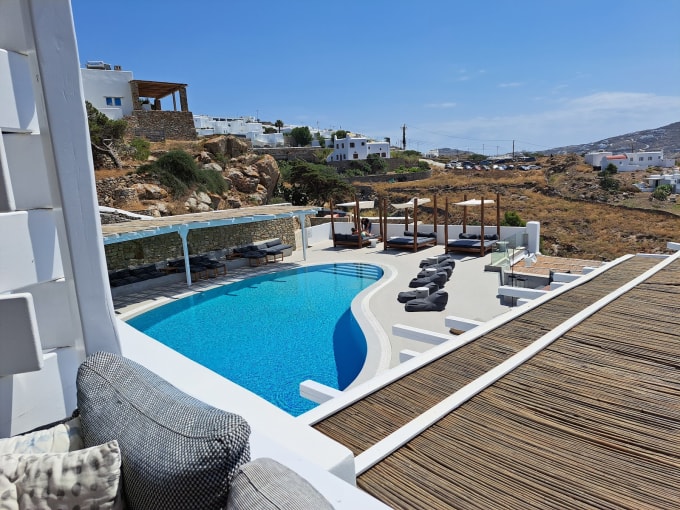
In Mykonos, the reading is simpler but more brutal. July and August concentrate maximum tension. Prices rise rapidly, sometimes doubling compared to May. Boheme Mykonos is often more defensible between mid-May and the end of June. Early September also remains a good window. The sea is in place. The traffic remains more manageable. Sunsets can be enjoyed without complete saturation. The relationship between price, quietness, and access to Chora becomes clearer. In peak season, one must accept crowds, noise, and slower transfers.
Rome and Berlin require a different reading. Casa Monti often benefits from October, November, and March. These months maintain an active city with less tourist pressure. Prices are often more stable than in April, May, and around major holidays. Berlin varies more according to fairs, congresses, and the cultural calendar. Dormero Brandenburger Hof can become interesting on weekends outside major trade shows. The key point remains the same. One must compare the date, not just the hotel. An average address at the right time often beats a better address at the wrong time.
Once the season is established, the choice becomes simpler, as each establishment caters to a specific type of travel.
The Discreet Lever to Activate
When it comes to SLH hotels, the true lever often operates before arrival, not just at the time of payment.
The first point is to book at the right pace. For London, 45 to 60 days in advance often provides a good pricing overview. For Mykonos during peak season, aim for 90 days or sometimes even longer. For Rome and Berlin, 30 to 45 days is usually sufficient outside of fairs and major events. This lead time not only helps secure a better all-inclusive price but also allows for selecting the right room categories. In smaller properties, two rooms at the same rate can offer very different exposures. A quiet courtyard can sometimes be more valuable than a higher floor.
The second point is to speak to the right contact. In this segment, internal reservation services are often more helpful than outsourced centres. Three simple questions should be asked. Which category is the quietest, truly? Which rooms receive the best morning light? What construction, events, or private functions are scheduled for the chosen dates? This approach helps avoid many mistakes. In Mykonos, it aids in anticipating noise and transfers. In London, it distinguishes a transient room from one designed for restful sleep. In Rome, it helps to understand the street, traffic, and immediate surroundings.
The third point is to weigh price against added value. A difference of €40 inclusive doesn’t say much. An included breakfast, a priority upgrade, or a late checkout until 2 PM can matter more. In a smaller establishment, these details can significantly alter the experience. The real advice is straightforward. Negotiate for precision, not just a discount. This is often where the distinction lies between a satisfactory booking and a well-planned stay. If there’s any doubt, the best room is not always the most expensive; it’s often the one in the best location.
With this method, selection becomes a decision-making tool, not just a showcase of beautiful addresses.











Choosing based on the type of stay
The right choice depends less on the SLH label than on the actual programme on site.
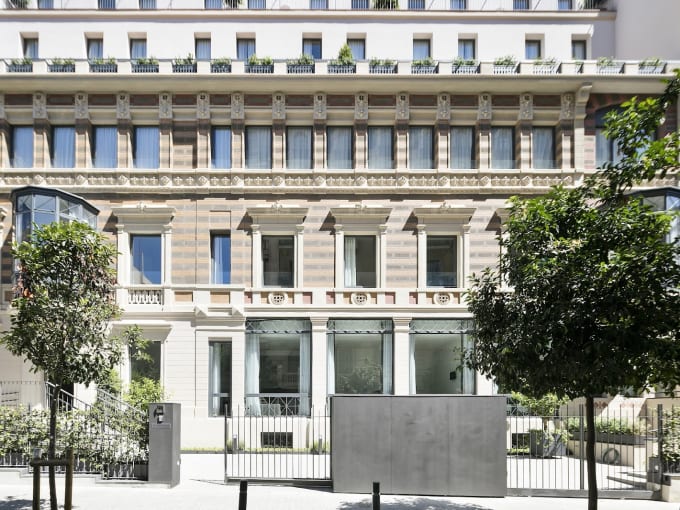
For a dense urban stay, London requires two distinct readings. Althoff St James' Hotel & Club - Mayfair London is suitable for an agenda centred around Mayfair. This includes clubs, galleries, meetings, and late dinners. The neighbourhood allows for much to be done on foot. The total price often starts higher than in other areas. Eccleston Square Hotel becomes more rational if the stay depends on Victoria Station. Access to Gatwick then weighs heavily. Over 24 to 48 hours, this time saving can sometimes be worth more than a more prestigious address. The difference often comes down to 10 to 20 minutes per journey.
For a slower-paced stay, Boheme Mykonos and Casa Monti do not meet the same needs. Boheme Mykonos is better suited for a getaway focused on the view and proximity to Chora. The most favourable season often runs from May to the end of June. Early September also works well. Casa Monti appeals to a traveller who wants to walk, have leisurely lunches, and then explore Rome without a car. The 1st arrondissement facilitates this greatly. The right criterion is therefore not just the room. One must consider the number of trips avoided each day. Three fewer journeys can change a stay.
For Berlin, Dormero Brandenburger Hof may suit a traveller seeking a well-connected base. The city is explored in sequences. One alternates between museums, restaurants, and distant neighbourhoods. Here, the question is not about displayed prestige. It is about fluidity. For a birthday, the priority often goes to the view, silence, and dinner. For a business trip, it goes to simple transfers and quick check-ins. For a first visit, it is better to choose a hotel that reduces friction. For a fifth visit, one may seek more local character, even with some compromises.
There remains one last lever, often decisive, which does not always appear on the pricing page.