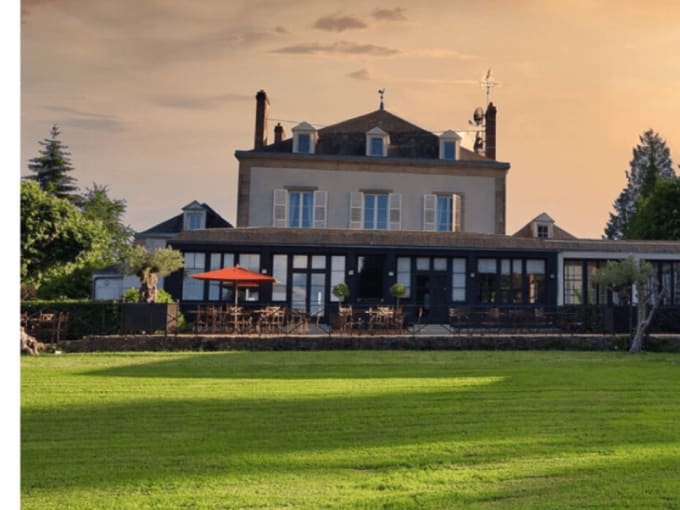
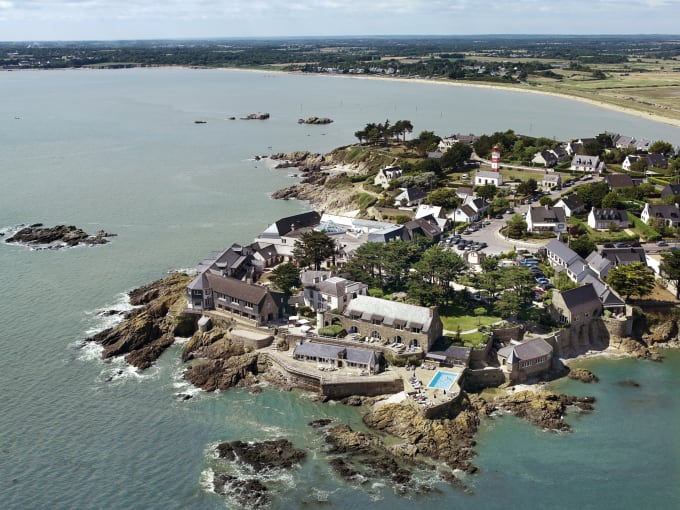
In France, Relais & Châteaux holds a unique position in the luxury hospitality sector. The label signifies more than just a level of comfort; it embodies a specific vision of the stay. Guests seek a home before they seek a room. They come for the dining experience as much as for the address itself. This philosophy explains the enduring appeal of this segment, catering to a contemporary desire: to travel less frequently but more meaningfully. To take the time for a dinner, a garden, a wine cellar, or a landscape. In this Top 50, France emerges as a natural setting for this promise. From Au Cœur du Village Hôtel & Spa in La Clusaz to Grand Hôtel de Cala Rossa & Spa Nucca in Corsica, the journey changes its scenery but never its standards.
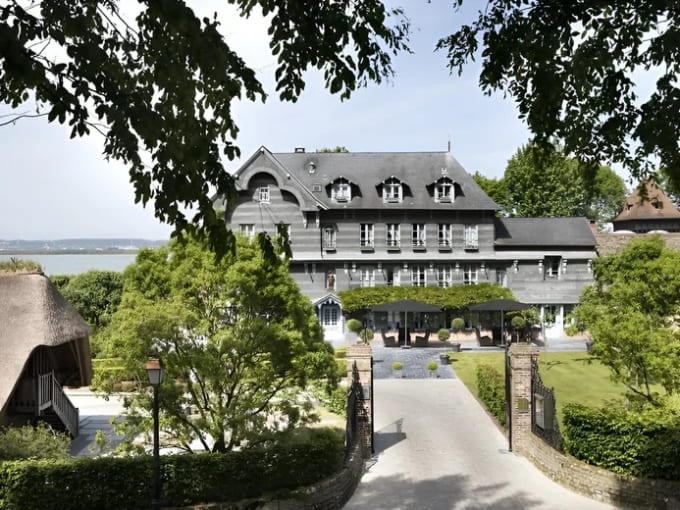
To compile this editorial ranking, MyConciergeHotel relies on clear criteria. The foremost is membership in the Relais & Châteaux network, which guarantees an independent identity and a strong focus on the guest experience. We then examine the coherence between the address, its territory, and its cuisine. A grand gastronomic establishment makes more sense when it engages with a landscape, a local history, or a regional product. We also assess the quality of the experience: human scale, consistency of service, interest of the setting, and potential for romantic stays or long weekends. Hotel distinction matters, but it is not enough. A wine château like Château Lafaurie-Peyraguey Hôtel & Restaurant LALIQUE does not offer the same experience as a seaside house like Domaine de Rochevilaine, yet both can merit a strong place.
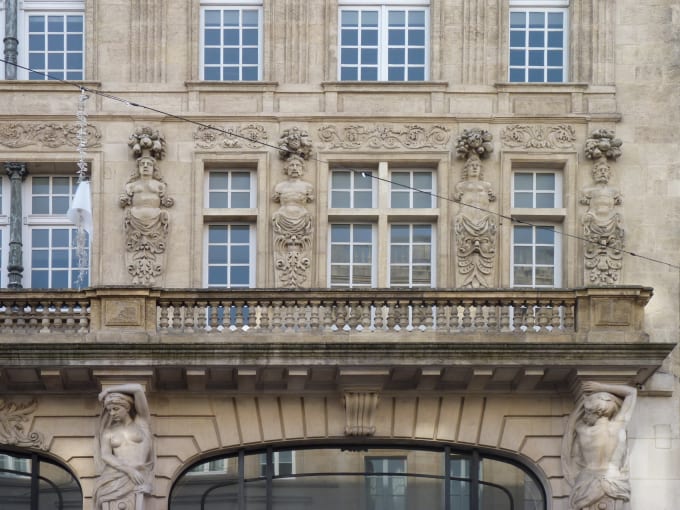
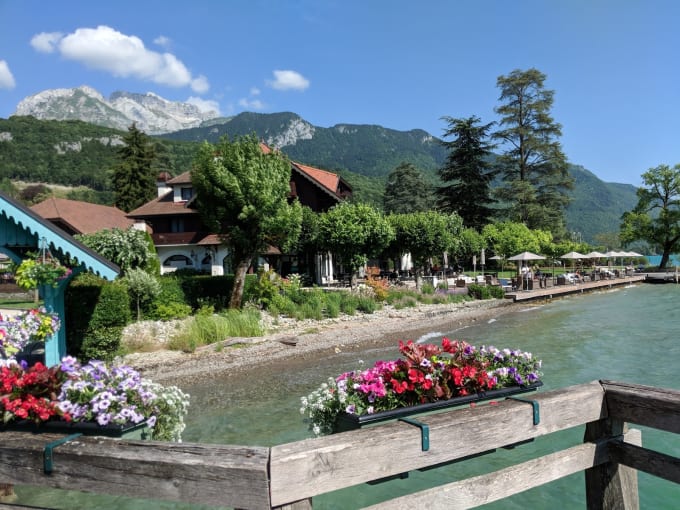
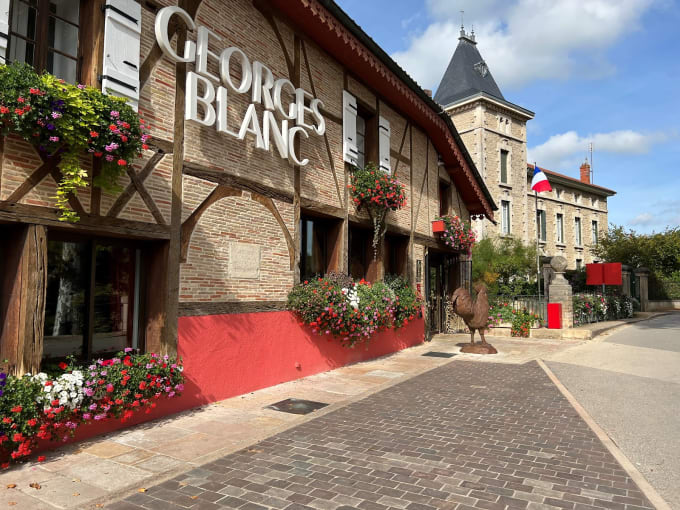
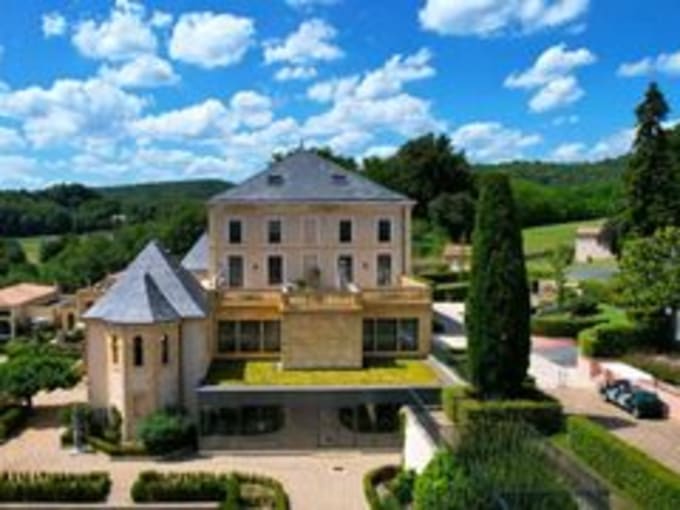
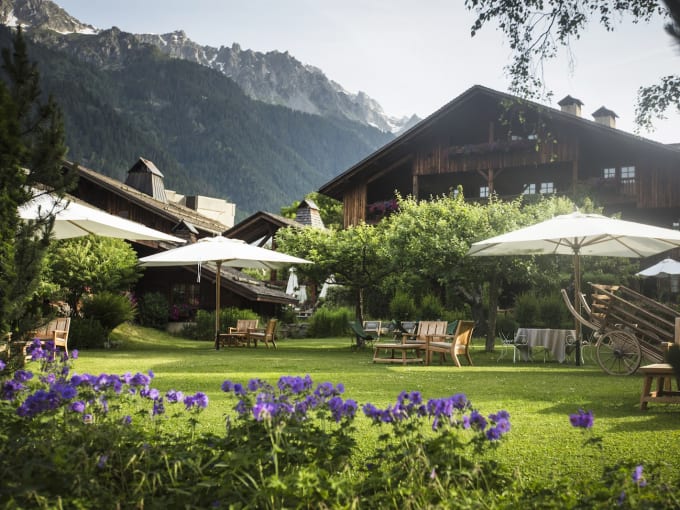
The French panorama of Relais & Châteaux impresses more with its diversity than with uniformity. Some addresses are firmly rooted in a clearly defined architectural heritage, such as Clarance Hôtel in Lille, an urban mansion, or Château d’Adomenil near Lunéville. Others favour immersion in the landscape. Domaine de Fontenille in Luberon, Hameau Albert 1er in Chamonix-Mont-Blanc, or Hôtel Anne de Bretagne on the Atlantic coast speak primarily through their environment. The culinary offerings also vary by region. In Alsace, Auberge de l’Ill - Hôtel des Berges & Spa evokes the historical weight of great French gastronomy. In Brittany, Auberge des Glazicks champions a more coastal and territorial interpretation. In Provence, Château de la Gaude combines a residence, vineyard, and art of hospitality. This variety is essential, allowing guests to choose a home according to their rhythm, not just their reputation.
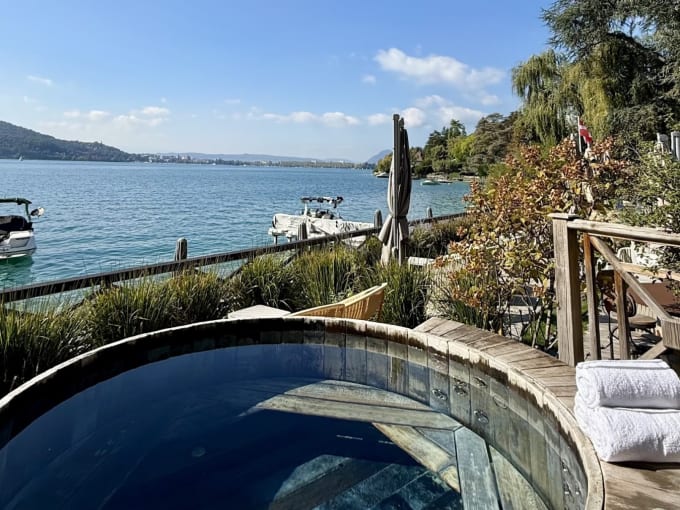
For 2025 and 2026, several trends are emerging within this family of hotels. The first concerns the length of stay, with travellers increasingly booking two to four-night getaways. They wish to experience a place, not merely sleep there after dinner. The second trend relates to gastronomy. Dining remains central but is part of a broader experience, encompassing gardens, cellars, local products, thoughtfully prepared breakfasts, alcohol-free pairings, and seasonal roots. The third trend pertains to wellness. The spa is no longer a decorative add-on; it has become a key aspect of the stay, especially in establishments like Au Cœur du Village Hôtel & Spa, Domaine de la Bretesche Golf & Spa, or Grand Hôtel de Cala Rossa & Spa Nucca. Finally, the spirit of home is gaining value. Guests are less interested in the spectacular and more in attentive service, remembering preferences, and feeling awaited.
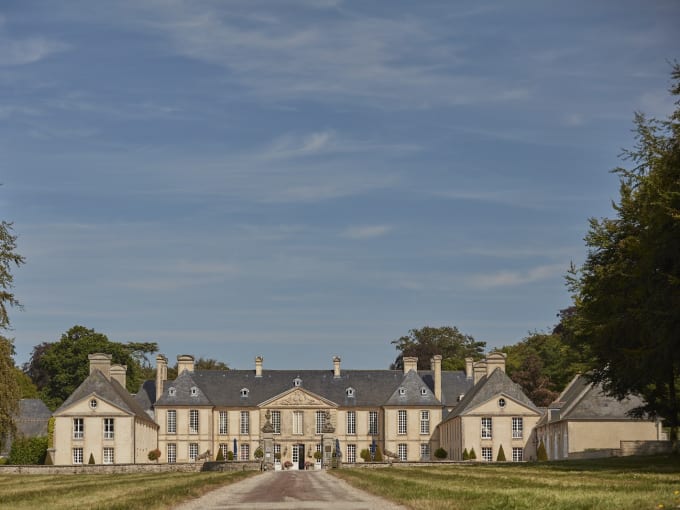
This ranking also reflects a certain idea of French luxury. Here, luxury is not merely about the size of the lobby or the effect of ostentation. It often resides in more subtle signs: an old residence restored without losing its character, a room overlooking vineyards, a park, or sea spray, a cuisine that respects the product and the place, and a service that is precise without being heavy-handed. This is what our advisors often observe in the best houses of the network. The stay succeeds when hospitality feels natural. Domaine de Beaulieu in Busnes, Grand Hôtel du Lion d’Or in Romorantin-Lanthenay, and Château de la Gaude exemplify this French continuity between family home, destination dining, and local roots. Refinement here is not theatrical; it is about coherence.
It is also important to approach this Top 50 with the right perspective. This ranking does not pit perfect hotels against secondary ones; it highlights establishments that cater to different expectations. Some travellers seek a gourmet retreat in nature, while others desire a seaside address, an alpine refuge, a château surrounded by vineyards, or a characterful stop near a major city. A property like Domaine de la Bretesche Golf & Spa will appeal for its grounds and activities, while an address like Clarance Hôtel will resonate more with those seeking discreet urban escapes. Hameau Albert 1er naturally attracts mountain travellers, while Grand Hôtel de Cala Rossa & Spa Nucca aligns with a more hedonistic Mediterranean logic. It is important to note that the best address does not exist in absolute terms; rather, there is the right house at the right moment.
Our selection thus favours establishments that fulfil three promises: a clear identity, a complete guest experience, and a dining experience that genuinely matters in the journey. It is this alchemy that underpins the enduring strength of Relais & Châteaux in France.
Now, let us present the Top 50. You will find country houses, mountain retreats, seaside addresses, and historic residences. My advice? Read this ranking as a map of possible itineraries, then allow us to refine it according to your season, budget, and style of travel.