History & heritage
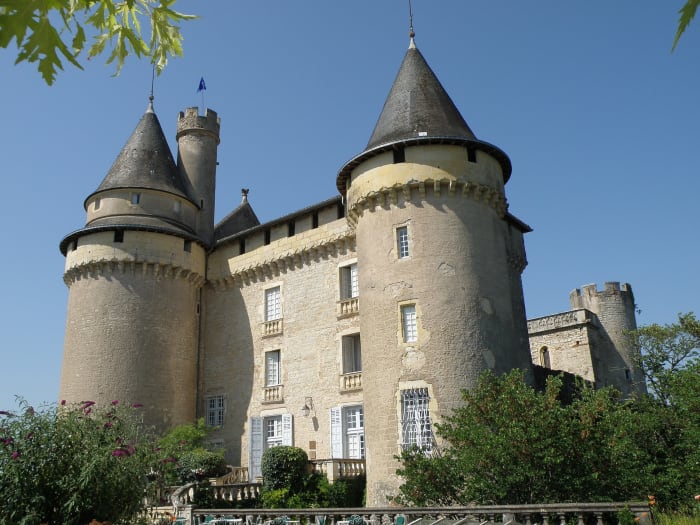
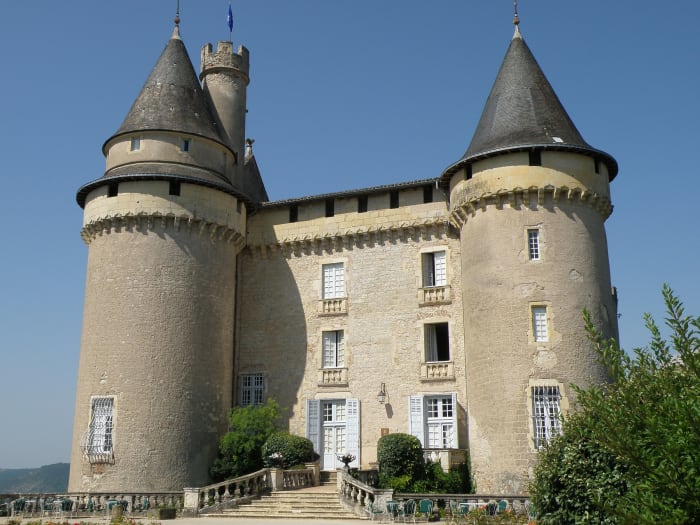
In Mercuès, the château first conveys a sense of duration. Before becoming a hotel, it belongs to that category of French residences whose silhouette tells the story of a region as much as an art of hospitality. Set above the Lot Valley, the building is in dialogue with the rural landscape of Quercy and with a local history shaped by vineyards, river routes and limestone hills. Here, the experience does not rely on an artificial staging of the past, but on a tangible continuity between architecture, panorama and contemporary hospitality.
Travellers who choose Hôtel Château de Mercuès are looking for more than a country-house address. They come to inhabit, for the length of a stay, a place where stone, proportions and viewpoints retain a genuine presence. Château hotels rarely succeed when they merely assemble heritage cues. This one is more convincing because of its balance: the historical spirit remains legible without compromising the comfort expected of a five-star property. That well-judged tension between heritage and present-day use is part of its identity.
Its membership of Relais & Châteaux fits naturally within this reading. It is not simply a mark of prestige; it signals a particular way of conceiving a stay, where the singularity of the place matters as much as service quality. In a château such as Mercuès, that promise takes a concrete form: an intimate relationship with the site, attention to the rhythm of meals, the quiet of the gardens, the changing light over the valley throughout the day. Luxury here is measured less by ostentation than by coherence.
As one moves through the property, it becomes clear how inseparable the history of such a residence is from its setting. The château is not placed in the landscape like a backdrop; it is a vantage point within it, almost an outpost. This commanding position explains much of its character. It gives the stay a distinctly contemplative dimension, especially for travellers drawn to hotels with a true sense of place. From the terraces, the gardens or certain rooms, the Lot Valley does not appear as a mere background, but as a constant presence.
This depth of heritage does not make the address formal. On the contrary, it lends it a gentle gravity, a way of slowing time without stiffness. One finds here what well-run great French houses can still preserve: the feeling of entering a residence with memory, yet one open to the present. For a romantic weekend, a gastronomic stop or a more contemplative stay in south-west France, Château de Mercuès offers an experience shaped as much by its visible history as by the discreet way in which that history continues to organise the life of the hotel.
The property
Hôtel Château de Mercuès first appeals through its position. Overlooking the Lot Valley, it benefits from that rare form of natural majesty that owes nothing to artifice. The eye travels far, the lines of the landscape remain clear, and one immediately understands why so many travellers associate this kind of address with an idea of elegant retreat. Yet the hotel is not cut off from the world. Its appeal lies precisely in this balance between visual seclusion, genuine calm and access to a living region, rich in food culture and deeply attached to its traditions.
The château’s architecture shapes the experience from arrival. Its proportions, old walls, openings onto the countryside and gardens create a whole that gives the stay real depth. Space here is not merely functional: it stages transitions, thresholds and pauses. One moves from a courtyard to a terrace, from a lounge to an open view over the valley, from a garden path to a dining room with the sense that each part of the property has been conceived to extend the previous one. That continuity is essential in successful heritage hotels.
The carefully maintained gardens fully contribute to this impression. They are not a peripheral amenity; they offer another way of inhabiting the château. Depending on the hour, one comes here to read, walk, enjoy a drink or simply let the landscape work its effect. In an address of this nature, the quality of a garden is often measured by its ability to support several rhythms of stay: morning contemplation, a shaded pause during the day, a quieter stroll in the late afternoon. Mercuès seems to answer that expectation with precision.
The character of the property also lies in its perceived scale. Even when a château impresses by its presence, it must remain liveable. That is where service and layout play a decisive role. In a five-star hotel, one expects fluid circulation, welcoming public spaces and a sense of comfort that does not erase the identity of the place. Château de Mercuès appears to follow that logic: preserving historical character while offering the level of attention and serenity required by contemporary high-end travel.
For French and international travellers alike, the address also works as a gateway to a particular idea of inland south-west France, less coastal, more rooted in the land, where landscape, dining and heritage form a coherent whole. To stay here is to choose a hotel that fully embraces its setting. One does not come merely to sleep in a beautiful building, but to spend a few days in surroundings with real substance, in every sense. This ability to combine panorama, architecture and a strong sense of region gives Château de Mercuès its true singularity.
Rooms and suites
In a château hotel, the bedroom is always a decisive test. It must preserve the character of the place without slipping into pastiche, offer comfort without trivialising the experience, and above all give the traveller the feeling of truly inhabiting the residence. At Château de Mercuès, one naturally expects rooms and suites to extend the overall spirit of the property: measured elegance, a relationship with the landscape, and attention to details that make a stay feel smooth rather than showy.
What matters here, even more than an accumulation of amenities, is the quality of atmosphere. In a historic address, proportions, light, the thickness of the walls, and possible views over the gardens or valley contribute as much to comfort as the furnishings themselves. A successful room in this context is not merely attractive; it creates a sense of calm, retreat, almost suspension. That is precisely what many travellers seek when choosing a château over a large urban hotel: a form of inhabited quiet.
The appeal of such a property also lies in the potential variety of its accommodation. In old residences, absolute uniformity is neither possible nor desirable. Rooms may differ through their location, proportions, relationship with the landscape or a more or less pronounced heritage character. For the guest, this turns booking into a genuine choice of stay. Some will favour an open view over the Lot Valley, others the intimacy of a room facing the gardens, or the more enveloping feel of a space set within the older parts of the château.
The known service level reinforces this promise of comfort. Daily housekeeping, evening turndown, round-the-clock reception and concierge service, luggage storage and laundry: these discreet elements often make the difference in a hotel of this category. They allow the stay to retain a real lightness, whether for a romantic escape, an extended business trip or a stop on a wider itinerary through south-west France. Luxury often lies in this continuity of care more than in visible effects.
To choose well, it is worth approaching the booking with a clear idea of one’s desired rhythm of stay. Travellers drawn to views and light will naturally request a category or orientation favouring the panorama. Those seeking above all complete rest may prefer more secluded spaces. In all cases, Château de Mercuès appears to offer what one expects from a fine heritage address: rooms that are not merely accommodation units, but extensions of the place itself. One sleeps in a château, certainly, but above all within a landscape, a history and a distinctly French idea of hospitality, where comfort never erases character.
The Restaurant
Gastronomy holds a central place in the identity of Château de Mercuès. The restaurant celebrates local and seasonal produce. In the Lot region, the cuisine is rooted in a strong terroir, with clear agricultural cycles and a deeply ingrained culture of dining. At Mercuès, the dining experience is an integral part of the location.
In fine French establishments, the restaurant creates a credible link between the landscape and the plate. The château, with its commanding position, gardens, proximity to vineyards, and the gastronomic identity of the South-West, calls for a cuisine that is clear and precise, seasonal and product-focused, yet can also be elegant. Travellers seek an interpretation of the territory. This coherence between the site and the table imbues the meal with meaning.
The pleasure often begins well before the service. In a château, the approach to the restaurant, the quality of the dining room, the views of the landscape, the evening light, and the rhythm of the staff all prepare the experience. The French art of hospitality lies in these details as much as in the contents of the plate. A dinner at Château de Mercuès is part of a broader sequence: a stroll in the gardens, an aperitif with a view, a thoughtful meal, followed by a return to the calm of the lounges or one’s room. The memory is born from this masterful sequence.
The emphasis on local and seasonal produce is particularly relevant in this part of France. It implies a cuisine that respects the rhythms of nature and takes advantage of local markets, producers, and identity-rich raw materials. For the guest, this often means a dynamic menu that evolves over the weeks, creating a sense of authenticity. In contemporary high-end dining, this culinary sincerity is increasingly valued. A rooted, transparent, and well-executed table is preferred over a sophistication that feels disconnected from the locale.
To fully enjoy the experience, it is wise to reserve dinner in advance, especially during peak periods. Wine enthusiasts can consult the team to guide their meal towards pairings or regional discoveries, particularly when exploring the nearby vineyards. At Château de Mercuès, the dining experience appears as a natural extension of the landscape—a way to taste the valley, the season, and the spirit of the place, where elegance is born first and foremost from precision.
Concierge & services
In château hospitality, service quality is what allows heritage to become truly liveable. Without that discreet mediation, a place may remain impressive yet distant. At Château de Mercuès, the known services provide precisely the framework for a smooth stay: 24-hour reception, 24-hour concierge, daily housekeeping, turndown service, luggage storage, laundry, wake-up service and multilingual staff. Taken separately, these elements may seem standard in a five-star hotel; brought together in a historic residence, they acquire particular value, because they ensure continuity between the character of the place and contemporary comfort.
A round-the-clock front desk is more than a practical detail. In a countryside or valley destination, where arrivals may depend on a road itinerary, a previous stop or a dinner that runs late, that availability brings real flexibility. It also allows the stay to unfold without excessive constraint, with that precious feeling that the hotel adapts to the traveller rather than the other way round. The concierge plays a similar role: it turns a beautiful address into a base for exploration, able to organise, recommend and simplify.
In Mercuès, that advisory function makes perfect sense. The surrounding area lends itself to discoveries that benefit from personalisation: routes through the Lot Valley, visits to nearby vineyards, restaurant reservations, walking suggestions, or local events depending on the season. A good concierge does not merely provide information; they calibrate suggestions according to the rhythm of the stay, the traveller’s profile and the weather of the day. In a house like this, that know-how contributes greatly to perceived quality.
Room services belong to another form of luxury: that of continuous attention. Daily housekeeping guarantees a sense of order and freshness essential both for longer stays and short weekends. Turndown service, often underestimated, marks the transition between a day of exploring or working and the more intimate time of evening. Laundry and luggage storage answer very practical needs, yet their presence considerably lightens the organisation of travel, especially for international guests or those combining several stops.
Multilingual staff usefully complete the picture. In an address affiliated with Relais & Châteaux, hospitality must be able to speak to varied clientele without losing precision or warmth. It is often in the quality of exchanges, the clarity of recommendations and the ability to anticipate needs that the true level of service is measured. At Château de Mercuès, one may therefore expect an approach in which efficiency does not exclude courtesy, and discretion remains compatible with a genuine presence. For many demanding travellers, that is exactly where lasting luxury begins: in service that supports the experience without ever overplaying it.
The Art of Living in Mercuès and the Lot Valley
Staying at the Château de Mercuès means embracing a unique regional rhythm. Here, the landscape, cuisine, and wine create a lifestyle devoid of folklore.
Mercuès is not to be discovered in haste. The light over the valley, the villages, the vineyards, the markets, and the backroads add depth to your stay.
The Lot Valley offers a rare balance. Its curves, hills, river, and cultivated lands endure without seeking dramatic effect.
From the château, this geography is clearly visible. One does not merely visit a region; one observes it, traverses it, and savours it.
Wine is one of the central threads of a stay in Mercuès. A cellar visit, a guided tasting, or a stroll through the vineyards firmly root the journey in the territory.
Local art de vivre extends beyond wine. It also encompasses the way one takes their time. A leisurely lunch, a detour to a market, reading in the gardens, and returning to the hotel in the late afternoon.
Couples find a setting conducive to escape, while business travellers can enjoy a genuine respite from work.
The summer season particularly lends itself to outdoor activities. The region invites leisurely walks, slow discoveries, and days guided by the light.
Consulting local events can enrich your stay. Markets, cultural gatherings, and seasonal festivities extend the experience of the Lot Valley.
The Château de Mercuès serves as this anchor point—a place to return to after exploration, from which the Lot Valley reveals its true essence.
Book via MyConciergeHotel
Booking the Château de Mercuès through MyConciergeHotel means approaching your stay with a mindset of precision rather than mere availability. In a distinctive establishment, the choice extends beyond just a date and a price. It encompasses the direction of your journey, the type of experience sought, the desired pace on-site, and how to make the most of the location. Here, editorial and concierge support takes on significant importance, helping to transform a standard reservation into a tailored stay.
The primary advantage of a well-prepared booking lies in the selection of the period. The summer season is particularly delightful, especially for outdoor activities. It is an ideal time to enjoy the gardens, the panoramic views over the Lot Valley, and the discoveries in the surrounding area. Other times may suit different expectations. Some travellers may prefer a more tranquil atmosphere, while others might plan their visit around a gastronomic itinerary, a local event, or a romantic getaway. A successful stay often begins with the right calendar.
The second consideration concerns the composition of the experience. At the Château de Mercuès, it is wise to anticipate certain elements. Reservations for the restaurant, special requests for a room with a better view of the landscape, arrangements for a visit to nearby vineyards, or a balanced programme between time spent on-site and external explorations. The shorter the stay, the more this preparation becomes essential. A weekend may seem generous on paper, yet it can pass quickly if nothing has been planned in advance.
MyConciergeHotel allows for the refinement of these parameters. For a couple, the focus may be on tranquillity, fine dining, and the view. For business travellers, logistical fluidity, arrival and departure times, as well as services that ease travel, will be prioritised. For international guests, the interest often lies in crafting a broader stay. Mercuès can then serve as a heritage and gastronomic stop on a French journey. In all cases, the goal remains the same: to align the potential of the location with the actual profile of the traveller.
Booking through us also means benefiting from a perspective that understands the codes of luxury hospitality without reducing them to mere automatism. A beautiful establishment like the Château de Mercuès deserves a nuanced approach. Understanding what makes it unique, identifying the moments when it shines the most, and guiding the client towards the most relevant experiences. If you are considering a stay in Mercuès, we recommend anticipating the requested periods and specifying your priorities from the initial contact. It is often this initial conversation that transforms a splendid hotel into the setting for a memorable stay.