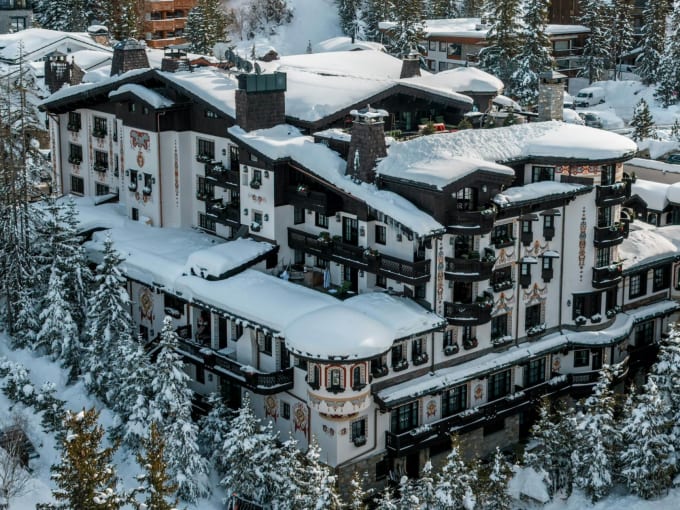
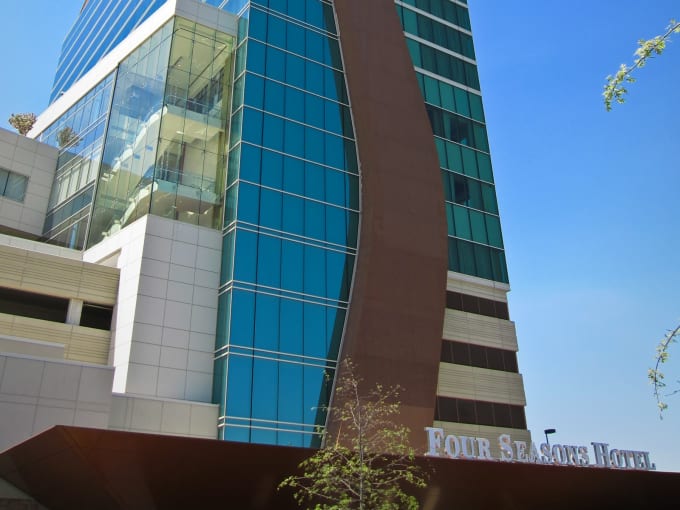
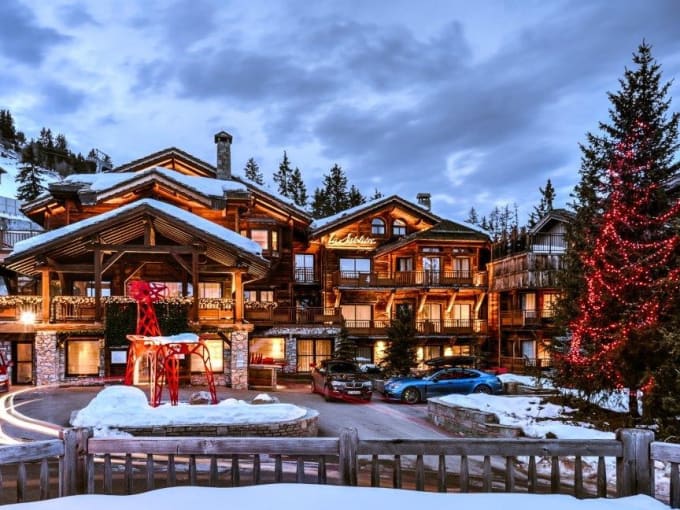
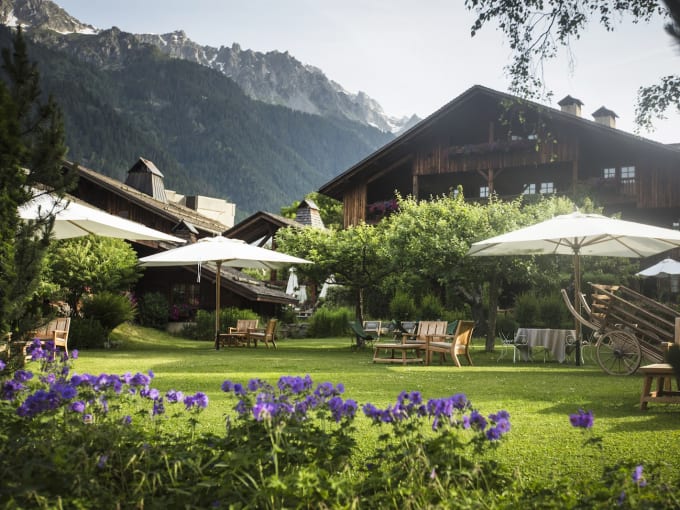
The French mountains represent a unique case in the realm of luxury hospitality in Europe. They are home to rare palaces, signature resorts, and a highly codified culture of stay. Visitors come not just to ski, but to embrace a certain idea of rediscovered time. Days are organised around light, altitude, and the rhythm of the seasons. In winter, demand focuses on access to the slopes, ski room services, and comprehensive spas. In summer, it shifts towards fresh air, stunning panoramas, and active holidays. Within this landscape, Courchevel holds a central position with Cheval Blanc Courchevel, Les Airelles Courchevel, Le K2 Palace, L'Apogée Courchevel, and Le Fouquet's Courchevel. Megève, featuring the Four Seasons Hotel Megève, offers a different perspective, one that is more village-like and rooted in heritage.
To establish this ranking, MyConciergeHotel does not rely on trends or mere reputation. We cross-reference concrete, clear, and comparable criteria. The first is the level of institutional distinction. Here, the presence of the Palace label from Atout France serves as a strong benchmark. The second concerns the location itself. A position within a resort, access to the slopes, an unobstructed view, or a dominant setting profoundly alters the experience. The third criterion focuses on the coherence of the hotel product. Architecture, size, quality of communal spaces, spa, dining, family service, and mountain logistics are as important as the décor. What our advisors also observe is a hotel's ability to deliver on its promises. A grand name is not enough; consistency makes the difference.
The French high-end mountain panorama is more varied than it seems. On one side, Courchevel boasts several reference establishments, each with its own language. Some prioritise ski-in/ski-out access, while others emphasise discretion, spaciousness, or a more contemporary aesthetic. On the other side, Megève offers a gentler relationship with the village, the alpine pastures, and family stays. Évian, with Hôtel Royal Palace - Evian Resort, reminds us that a mountain hotel can also engage with a grand lake and a tradition of leisure. Even non-mountain establishments, such as Airelles Gordes, La Bastide, or Airelles Saint-Tropez Château de la Messardière, help to contextualise the subject by contrast, demonstrating what the mountains demand additionally: precise logistics, resilience to climate, and a true winter culture.
For 2025 and 2026, several trends are becoming clear. The first is the extension of the season. Travellers are no longer booking only the most obvious snowy weeks; they are also seeking late-season, December holidays, late spring, and alpine summer. The second trend concerns space. Family suites, private chalets, and flexible configurations remain highly sought after. The third relates to wellness. The spa is no longer just an added bonus; it has become a reason to choose a hotel, on par with the ski area. Finally, the notion of bespoke service is evolving. Clients expect seamless transfers, prepared equipment, credible off-ski activities, and dining that can accommodate various stay rhythms. My advice: in the mountains, excellence is often measured in invisible details.
French luxury at altitude is not merely about show. It hinges on a form of hospitable precision. A successful mountain palace knows how to welcome guests back from the slopes without chaos. It can transition from the warmth of a fireplace to the spa, then from a formal dinner to a family breakfast, without breaking tone. This continuity is essential; it distinguishes the establishments that truly understand the mountains. In the best addresses, the décor never overwhelms the function. Circulation is designed for boots, skis, children, and changing schedules. Service remains attentive without being ostentatious. This is where France retains a clear advantage: it knows how to combine the codification of grand hotels, a culture of detail, and local identity. It is important to remember that a successful mountain experience is a discreet mechanism, not a permanent theatre.
It is also crucial to interpret this ranking correctly. A number one is not a universal verdict. Each hotel caters to a specific expectation. Some travellers seek the most iconic address in a resort, while others prioritise intimacy, ease with children, immediate proximity to the slopes, or a more contemporary atmosphere. A highly visible palace may not necessarily suit a quest for absolute relaxation. Conversely, a more subdued establishment may become the best choice for regular clientele. Our approach, therefore, is not to distribute superlatives; it aims to rank solid experiences within a segment where the overall standard is already very high. The hotels featured here all belong to an exceptional category. The ranking primarily serves to finely guide the right client to the right establishment.
In the following Top 12, you will find the major signatures of Courchevel, the more village-like elegance of Megève, as well as alpine or pre-alpine addresses that broaden the definition of a mountain stay. Some stand out by their Palace status, while others assert themselves through their location, coherence, or ability to offer a different mountain experience. It is this diversity that we sought to organise.