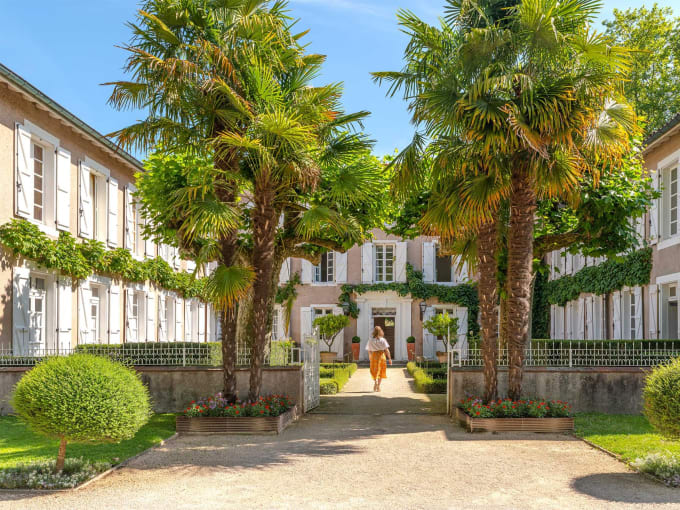
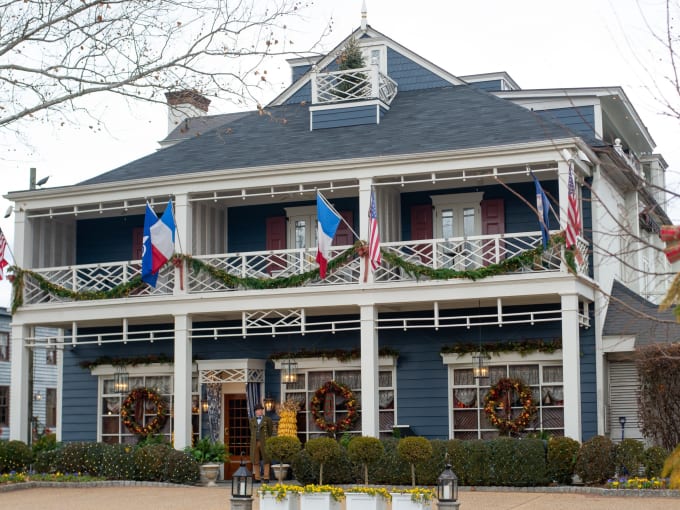
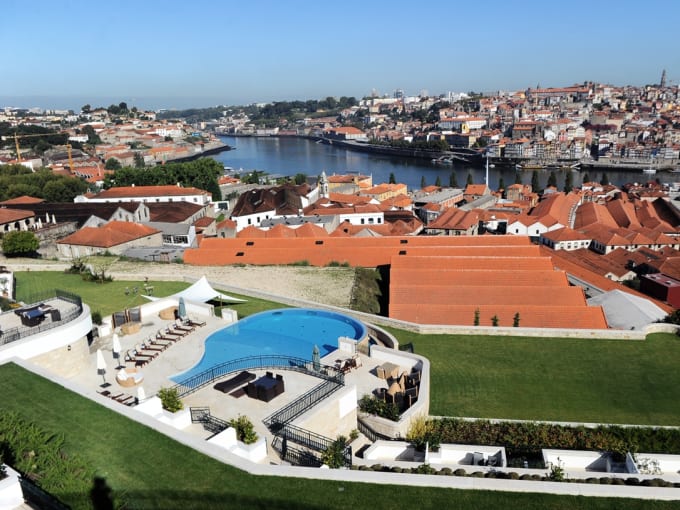
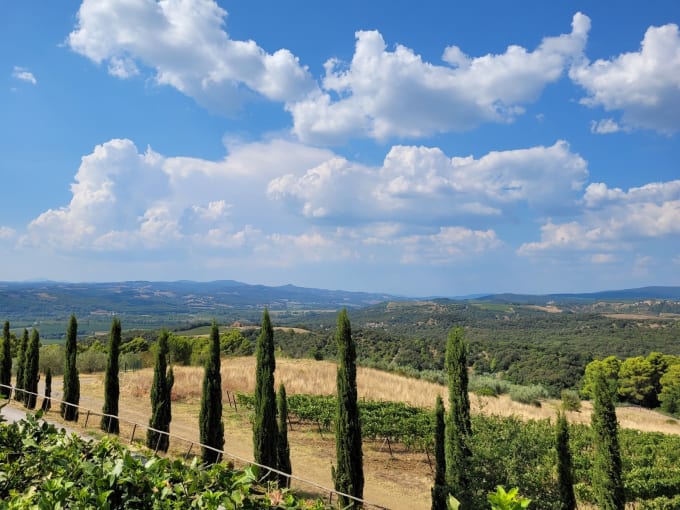
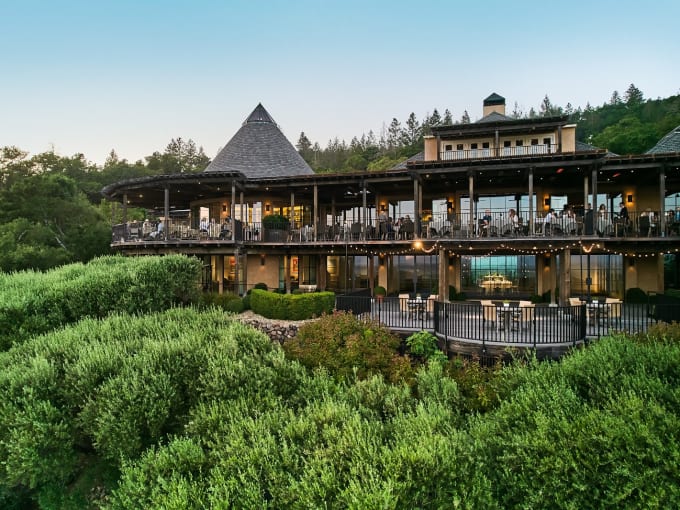
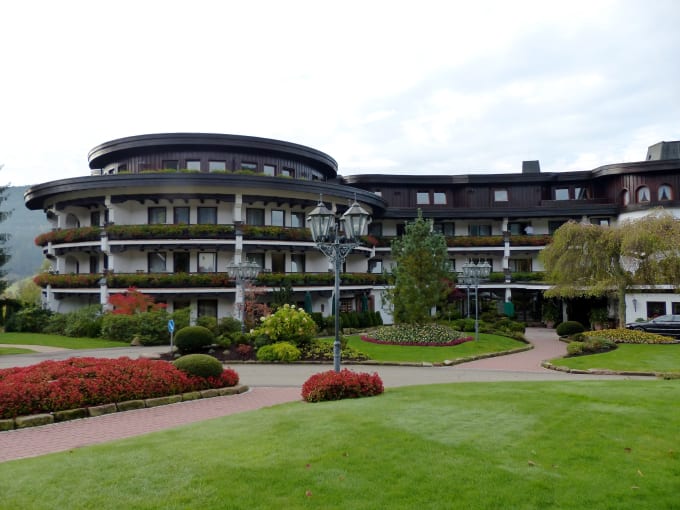
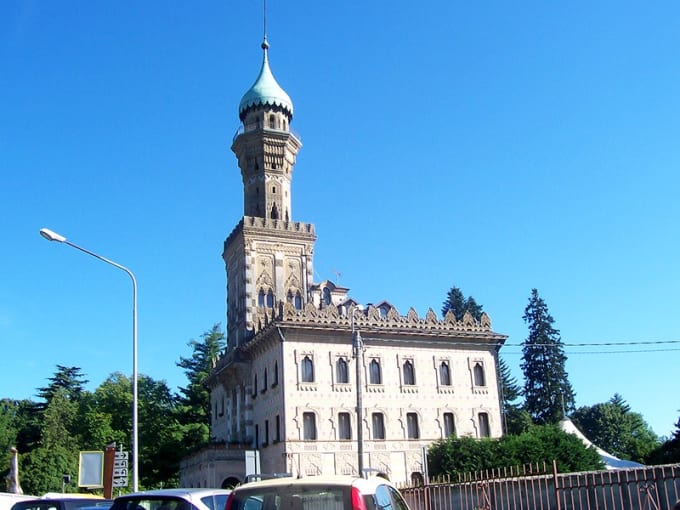
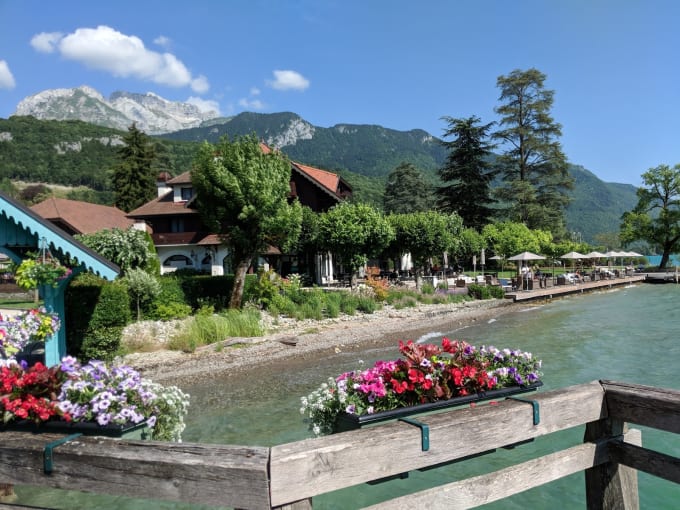
Relais & Châteaux holds a unique position in the global hospitality landscape. Founded in 1954, this association does not bring together standardised establishments. Instead, it unites independent, often family-run houses, where the location is as important as the experience. This is precisely what makes this ranking valuable. Under the same banner, travellers discover châteaux, lodges, gourmet inns, discreet villas, and urban hotels. Les Prés d'Eugénie, in Eugénie-les-Bains, evokes the historical link between fine dining and holiday destinations. Akelarre, in San Sebastián, showcases another facet. Auberge du Soleil, in Napa Valley, reflects the international expansion of the model. It is important to note that Relais & Châteaux does not represent a single style. It is a promise of character, cuisine, and local roots.
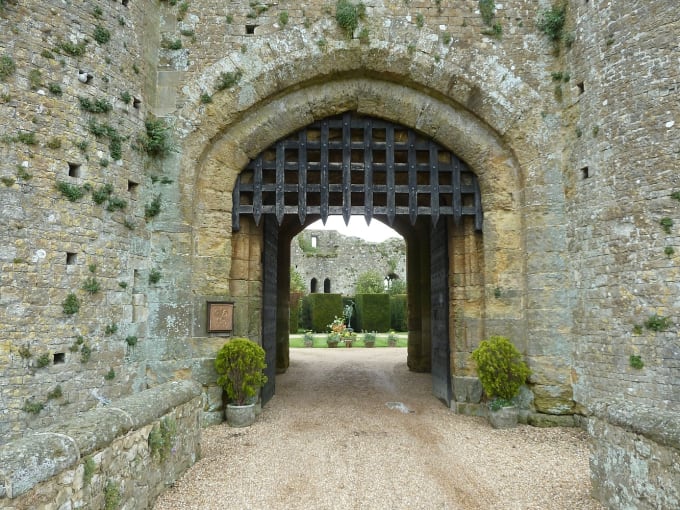
At MyConciergeHotel, we never view a collection as merely a label. We first observe the coherence between the identity of the house and its territory. The philosophy of the 5Cs—Character, Courtesy, Calm, Charm, Cuisine—remains a relevant foundation. However, it must be evident in practice. We therefore examine the nature of the building, the reputation of the cuisine, the quality of the location, the consistency of service, and the ability of a hotel to offer a complete stay. An address like Auberge de l'Ill - Hôtel des Berges & Spa immediately resonates with travellers attuned to the continuity between house, river, and gastronomy. Amberley Castle, in England, plays a different heritage tune. Our approach prioritises editorial robustness, avoiding flashy announcements and decorative judgments.
The panorama of this global selection is particularly broad. France remains the natural birthplace of the Relais & Châteaux spirit. Here, one finds country houses, gourmet retreats, and well-established mountain hotels. Spain asserts a strong personality, balancing historic cities with culinary coastlines. Italy maintains a lead in the hospitality of residences. Japan attracts clientele seeking detail, silence, and precision of gesture. The United States, on the other hand, has adapted the collection's spirit to more open landscapes and a broader resort culture. This diversity explains the interest in the ranking. A Quinta da Auga Hotel & Spa, in Santiago de Compostela, serves a different purpose than 11 Cadogan Gardens, in London. Yet, these houses share a common idea. Luxury is conveyed through independence and the soul of the place.
For 2025 and 2026, our advisors are observing several underlying trends. The first concerns the demand for more intimate stays. Travellers are increasingly favouring smaller, more human-scale houses. They seek less demonstration and more of a just rhythm. The second trend relates to gastronomy. The dining experience remains central, but it is now part of a broader experience. The garden, local produce, suppliers, and seasonality weigh as heavily as the restaurant's signature. The third trend pertains to well-being. It is no longer limited to the spa. Aïda Hotel & Spa, in Crans-Montana, and Au Cœur du Village Hôtel & Spa, in La Clusaz, respond to this expectation for active recovery. Finally, honeymoons are returning to characterful houses. Anjajavy le Lodge or Al Moudira exemplify this quest for seclusion and narrative.
Within Relais & Châteaux, there is also a notion of French luxury that transcends France itself. It is about balance. Service must be attentive, never burdensome. The decor should have meaning, never just effect. The cuisine must extend the place, not eclipse it. This grammar is evident in a Breton inn as well as in an Andalusian or Californian address. Les Prés d'Eugénie remains, in this regard, an important cultural reference. The house reminds us that hospitality can be sophisticated without becoming distant. What our advisors often observe is this: the best houses in the collection do not strive to do everything. They know who they are. This clarity reassures discerning travellers, especially for an anniversary, honeymoon, or romantic getaway.
Thus, this Top 40 should be read methodically. A ranking never erases the diversity of uses. Some travellers seek a destination restaurant, while others prefer a heritage refuge. Some favour the countryside, while others opt for a well-located urban address. Akelarre will suit those who place haute cuisine and views at the heart of their stay. Auberge du Jeu de Paume will appeal more to lovers of classical heritage near Paris. Ahãma, in Muğla, caters to those seeking nature and retreat. Atrio Restaurante Hotel, in Cáceres, attracts an audience sensitive to historic cities and fine dining. My advice is simple. Do not seek the objectively perfect hotel. Seek the house whose tempo matches your journey. This is often where the best reservation is born.
This Top 40 therefore gathers the Relais & Châteaux houses that we believe are the most accomplished on a global scale. You will find historic signatures, gourmet retreats, and destination addresses. Now, let us proceed to the ranking.