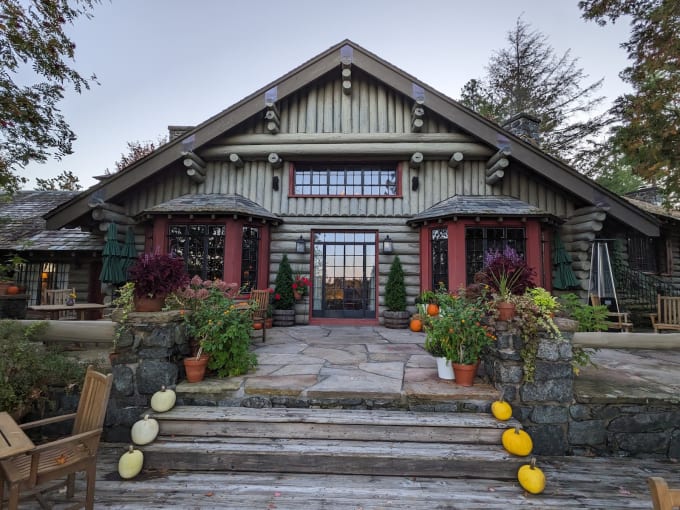
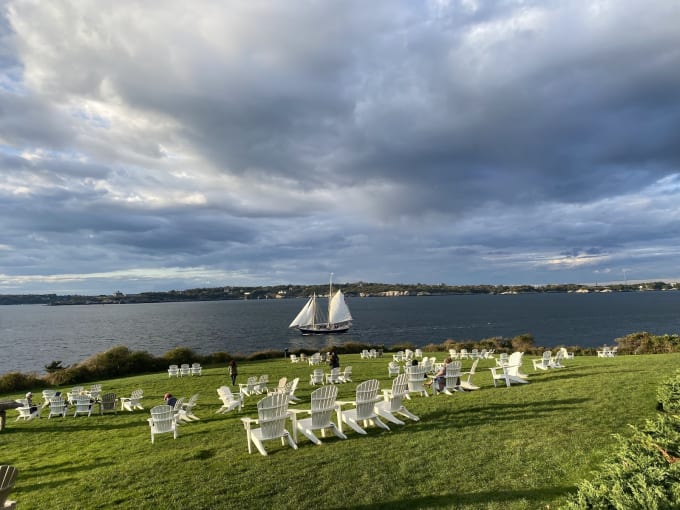
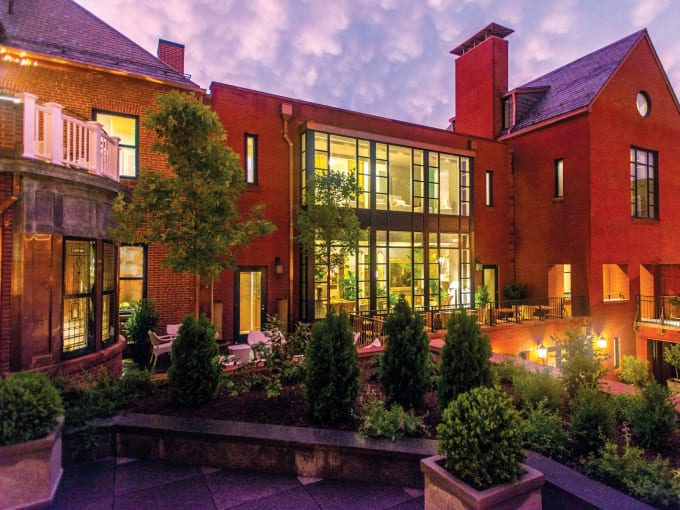
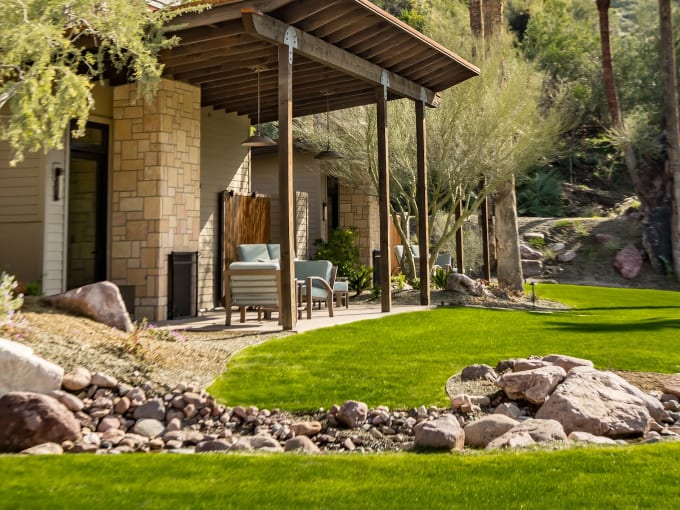
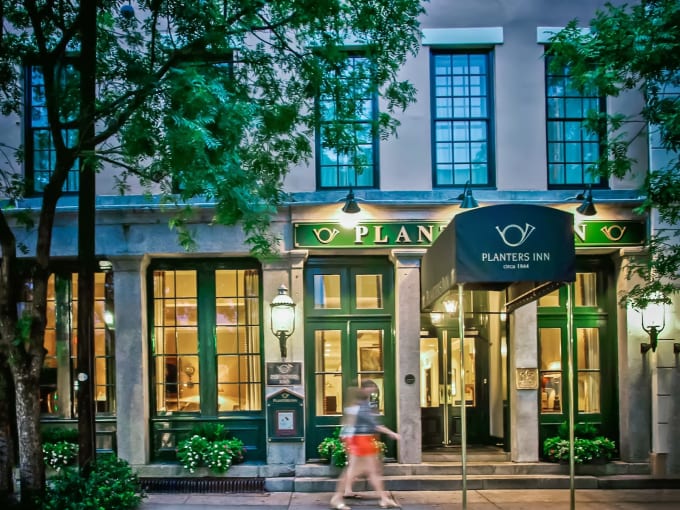
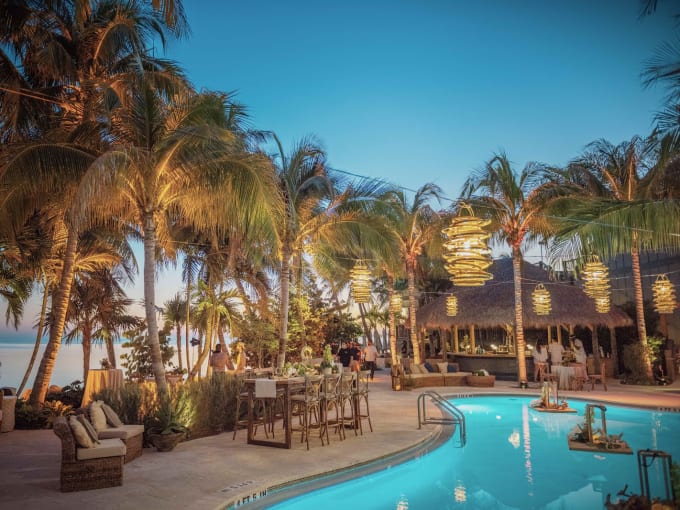
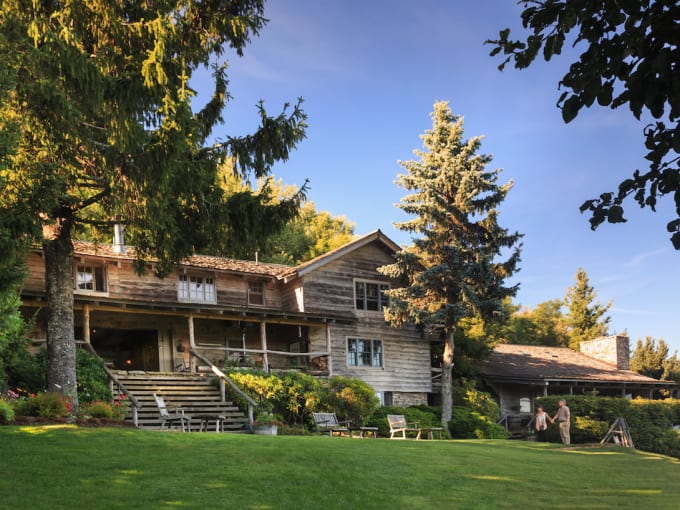
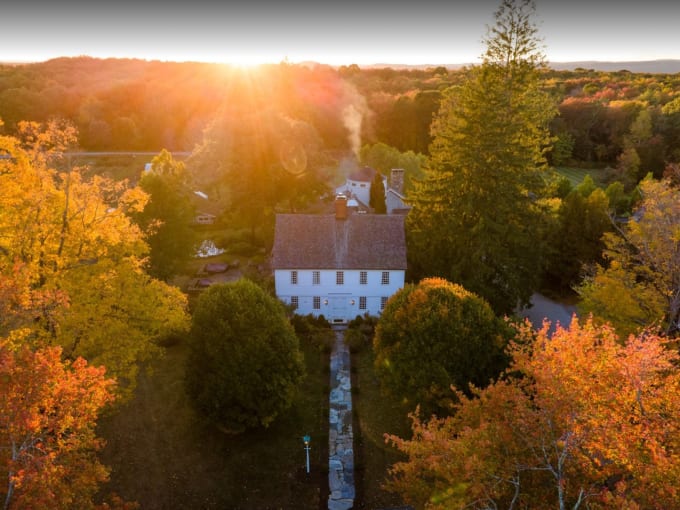
In the United States, Relais & Châteaux holds a unique position within the luxury hospitality sector. The label signifies not just a level of comfort, but also a way of inhabiting a place, of hosting, and of placing the dining experience at the heart of the stay. This is precisely what makes this selection so relevant today. In a market dominated by large brands, these independent houses advocate a different vision of travel. They prioritise human scale, character, and the continuity between landscape, architecture, and cuisine. From Rutherford to Newport, from Walland to Little Torch Key, they create a sensitive mapping of the United States. Auberge du Soleil, Castle Hill Inn, and Blackberry Mountain exemplify this diversity. It is important to note that this ranking speaks as much of addresses as it does of hotel temperaments.
To establish this overview, we first consider the objective framework of the Relais & Châteaux label. It remains one of the most reliable markers for identifying exceptional independent houses. Next, we examine the coherence between the address and its destination. A heritage property is not evaluated in the same way as a mountain ranch or a spa retreat in the desert. Our advisors also observe the quality of the dining experience, local anchoring, the size of the hotel, and the consistency of service. The interest of the location is as important as its execution. A hotel like Bedford Post Inn tells a different story than Dunton Hot Springs. Yet, each can embody the spirit of home, personalised hospitality, and that rare sensation of being welcomed rather than merely accommodated.
The American panorama of Relais & Châteaux is broader than one might imagine. It extends beyond major cities and coastal destinations. It traverses the vineyards of California, the wooded hills of the East Coast, the Rockies, the Smoky Mountains, the Florida Keys, and more discreet countryside. Meadowood Napa Valley and Auberge du Soleil integrate gastronomy into the wine landscape. Glenmere Mansion and Bedford Post Inn advocate a more residential interpretation of charming weekend getaways. Castle Hot Springs and Dunton Hot Springs focus on nature and hot springs. Blair Hill Inn and Chatham Inn remind us that a small capacity can yield a highly refined experience. What our advisors observe is this variety of scales, rhythms, and settings, without dilution of the level of expectation.
For 2025 and 2026, several trends are confirmed within this family of hotels. The first concerns a return to more intentional stays. Travellers are no longer just seeking a beautiful room. They desire an address that structures the journey. The second trend relates to the growing prominence of local cuisine. Vegetable gardens, short supply chains, regional products, and a more precise understanding of the seasons are becoming central. The third trend touches on wellness, but in a less standardised version. Travellers favour a spa connected to the location, altitude, springs, silence, or climate. Blackberry Mountain, Castle Hot Springs, and Little Palm Island respond well to this expectation. My advice for such an escape is to consider the entirety of the stay. The dining experience, the landscape, the rhythm, and the size of the house must work in harmony.
There is also, within these American addresses, an unexpected proximity to a certain French idea of luxury. Not a demonstrative luxury, but rather a culture of moderation, of just the right detail, and of the memory of places. Relais & Châteaux has always championed this alliance between hospitality, heritage, and gastronomy. In the United States, this philosophy takes on very different forms. Château du Sureau plays the card of a residence inspired by Europe. Castle Hill Inn is rooted in the seaside history of Newport. Cataloochee Ranch celebrates a pastoral and mountainous imagery. Canoe Bay prefers seclusion, forest, and lake. In all cases, luxury is not merely the accumulation of amenities. It manifests in coherence. A house convinces when it knows why it exists and for what type of stay it is designed.
This is also the best way to interpret this ranking. One should not seek a universal leaderboard here. Each hotel responds to a specific desire. Some are better suited for a gastronomic weekend. Others stand out for a nature getaway, an anniversary, a honeymoon, or a few days of disconnection. A very intimate address may seem ideal to some travellers. Others may prefer a larger property, with more activities or a strong connection to a wine region. We rank remarkable houses, but we do not oppose them in a caricatural manner. The right choice depends on the moment, the season, and the purpose of the trip. This is why we prioritise concrete editorial justifications. The label, the location, the dining experience, the setting, and the spirit of the house remain our most reliable markers.
Now, let us present our Top 42 Relais & Châteaux in the United States. You will find heritage homes, nature retreats, gastronomic havens, and characterful houses. All share the same level of expectation. Each interprets it in its own way.