History & Heritage
The Ivy Hotel embodies a human-scale hospitality, attentive to detail and a refined vision of urban stays. In Baltimore, this five-star establishment offers a more intimate luxury. Its affiliation with Relais & Châteaux places the experience within a philosophy of welcome, atmosphere, and the uniqueness of the location.
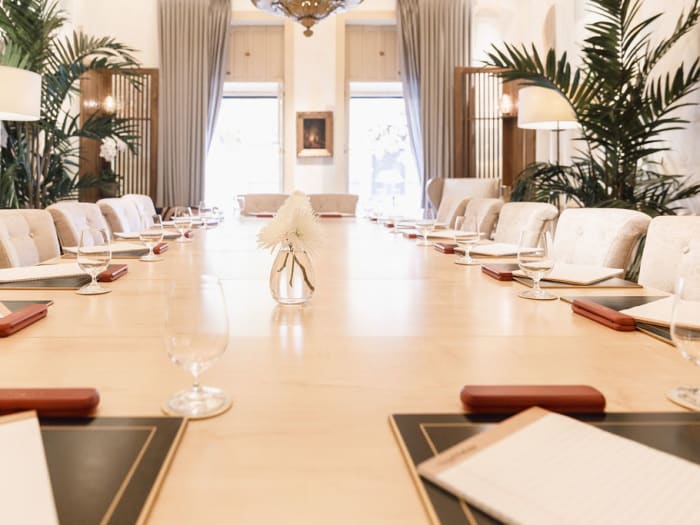
The hotel's identity rests on classical architecture and meticulously curated interiors. The overall design maintains a continuity between the elegance of the structure and contemporary comfort. History is reflected in the volumes, the rhythm of the rooms, and the decorative details. The residential character coexists with the demands of a high-end hotel.
The Ivy Hotel stands out for the coherence between its setting and its approach. The atmosphere prioritises discretion, calm, and personalisation. The service is present without being intrusive. This address is suitable for couples, solo travellers, and business guests seeking a serene environment.
In Baltimore, The Ivy Hotel offers a different sense of time. Guests stay here to slow down and experience the city in a different way, from a peaceful neighbourhood. The hotel provides a counterpoint to the surrounding urban energy. For clientele accustomed to major hotel brands, it serves as a reminder that a luxury hotel can also be a refuge.
The Ivy Hotel belongs to those establishments that regard restraint as a form of excellence. Its heritage is also relational. It lies in the manner in which the hotel welcomes, supports, and crafts a bespoke stay, with a quiet elegance.
The Establishment
Staying at The Ivy Hotel means choosing a destination that prioritises the feeling of inhabiting a place rather than merely occupying it. This nuance is evident from the moment of arrival.
The hotel is situated in a tranquil neighbourhood of Baltimore, away from the immediate hustle and bustle. It offers a rare calm in an urban context. For many travellers, this aspect makes all the difference.
It allows one to experience the city at their own pace, enjoying its institutions, restaurants, and cultural districts, before returning, at the end of the day, to a more subdued environment.
The architectural setting contributes significantly to this impression. The classic architecture and refined interiors shape the experience. The building's façade asserts a presence and a sense of permanence.
Inside, the carefully curated décor does not seek to impress dramatically. Instead, it favours materials, proportions, and overall coherence. Luxury here takes the form of visual and sensory comfort.
This intimate scale is one of the hotel's strengths. The Ivy Hotel champions a notion of exclusivity grounded in discretion. One is never overwhelmed by the flow of guests.
The relationship with the staff is naturally transformed. The personalised service is embedded in a structure that allows for genuine attention. Habits, rhythms, and expectations can be understood with finesse.
The establishment is suited for those seeking an elegant interlude without rigidity. Couples will find a setting conducive to an urban escape for two. Solo travellers will appreciate a true anchor point. Business travellers will benefit from a discreet environment, conducive to focus and rest.
The Ivy Hotel is neither a standardised transient address nor an interchangeable backdrop. Its appeal lies in its ability to offer a softened urban experience, almost domestic in its comfort, yet fully hotel-like in its level of service.
In Baltimore, this positioning is particularly relevant. It allows one to discover the city without succumbing to its pace, blending curiosity with retreat.
Rooms and Suites
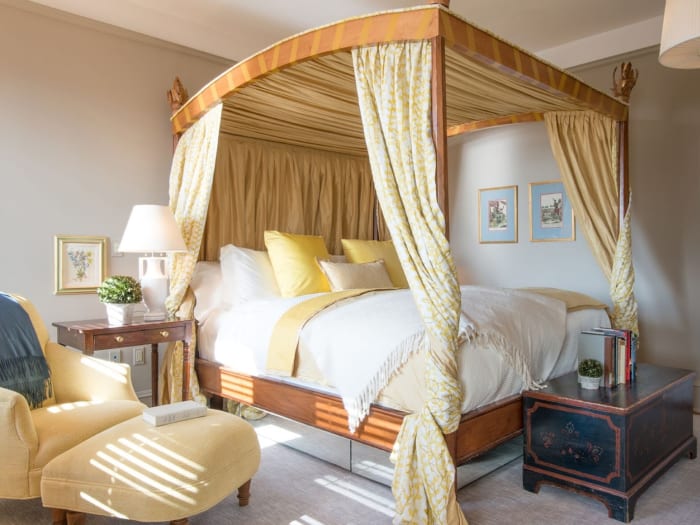
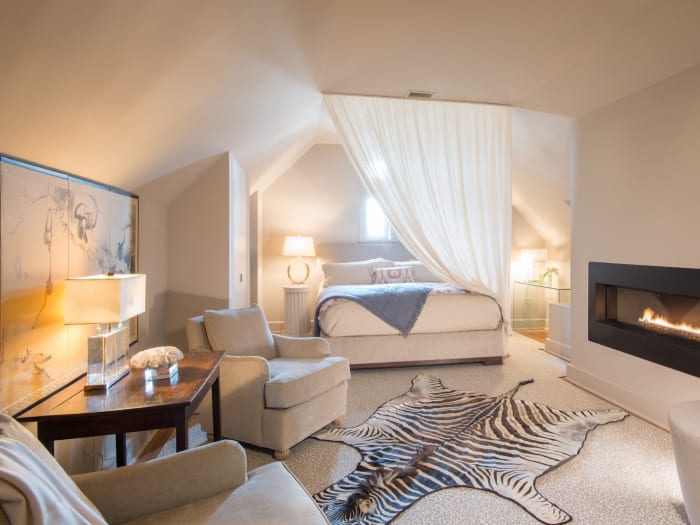
At The Ivy Hotel, the room is at the heart of the experience. The warm atmosphere, refined décor, personalised service, and location in a peaceful neighbourhood create accommodations designed as urban retreats. Comfort here rests on harmony, quality of rest, and a sense of intimacy.
The first luxury is undoubtedly the relative silence afforded by the environment. In the city, this aspect often matters more than spectacular amenities. It promotes sleep, quiet work, and the pleasure of taking one's time. The rooms and suites at The Ivy Hotel embody this logic of retreat. One settles in to read, work, extend a coffee break, or simply take a pause between meetings.
The décor favours a classic style tempered by contemporary comfort. The furniture is chosen with discernment. The colour palette remains soothing. Textiles soften the space. Lighting accompanies the various moments of the day. These elements give the room a lasting character. One does not feel as though they are in a mere setting, but in a habitable space.
The daily service extends this impression of a well-maintained home. A daily housekeeping service and turn-down service accompany the stay. Returning to a tidied room, finding an atmosphere prepared for the night, and noticing that details have been anticipated all contribute to a subtle sense of attentiveness.
For couples, the rooms and suites provide the backdrop for a two-person interlude. For solo travellers, they offer a delightful cocoon, especially during a cultural or professional stay. Even on a short visit, the place immediately instils a sense of familiar comfort.
The accommodations at The Ivy Hotel thus meet a very current expectation: that of a habitable luxury. A good night's sleep, feeling at peace, enjoying precise service, and evolving in a coherent décor: this is often where the memory of a beautiful room is forged.
The Dining Experience
In the Relais & Châteaux universe, the gastronomic dimension holds a special place. At The Ivy Hotel, the dining experience aligns with the spirit of the house: precise, attentive, and elegant without ostentation.
In an intimate setting, dining transcends mere practicality. It contributes to the identity of the stay, its rhythm, and the way the hotel supports its guests.
Breakfast is often the first indicator of the level of hospitality. Here, one expects a moment served with care, in a calm and refined environment.
The pleasure derives as much from the welcome as from the tempo of the service. Starting the day without haste prolongs the impression of a hotel attentive to the rhythm of the traveller.
For a couple, it is a moment of suspension. For a business traveller, a serene start. For a solo guest, a pleasant time for reading.
The rest of the culinary offerings naturally extend the hotel’s positioning. In an establishment of this calibre, one seeks precision over demonstration.
Well-chosen ingredients, masterful execution, and service capable of advising without emphasis. The most authentic experience is one that feels obvious in the context of the place.
At The Ivy Hotel, this continuity links the decor, service, and the plate. The meal extends the overall impression of cultivated comfort.
Baltimore also plays a role in this experience. Staying in a characterful hotel does not mean disconnecting from the local scene.
A fine establishment often serves as an entry point to the city. The concierge staff, available 24/7, can guide guests to tables that suit their desires.
Dining for two, lunch between meetings, or a more immersive discovery of local life. This mediation is part of a contemporary luxury that is precise and useful.
For those who prefer to maintain the intimacy of their stay, the hotel offers a setting conducive to more reflective moments. A quiet drink, a meal as a pause, a conversation in a cosy interior.
Gastronomy does not need to be spectacular to be memorable. It is part of a cohesive overall logic, that of a consistent art of hospitality.
It is undoubtedly this coherence that matters most. At The Ivy Hotel, the dining experience embodies this philosophy, discreet yet essential.
Spa & Wellness
The Spa at The Ivy embraces a skincare approach that centres on the skin, touch, and the luxury of time. The menu features a blend of targeted protocols and more enveloping gestures.
Among the signature treatments, the DermaFrost Clarifying Resurfacing focuses on enhancing radiance and clarity of the complexion. The Mandeliclear Resurfacing with Retinoid Infusion offers a more intensive resurfacing experience.
For facial treatments, the Purifying Facial prioritises clarity and balance, while the Hydrocell Facial aims for deeper hydration. The Manuka Honey Moisture Drench Facial adds a nourishing dimension, featuring a more generous texture.
The Signature Herbal Oil Massage introduces a different rhythm, allowing the body to find a slower pace, guided by the oil and the continuity of the movements.
Overall, this spa presents a straightforward philosophy, where each treatment embodies a specific intention. Skin, comfort, and recovery progress without ostentation, fostering a spirit of measured well-being.
Concierge & Services
Hotel luxury is often measured less by what is visible than by what operates quietly behind the scenes. At The Ivy Hotel, this truth is fully realised. A 24-hour concierge, 24-hour reception, daily housekeeping, turn-down service, luggage storage, laundry service, wake-up calls, and multilingual staff create an attentive and seamless experience.
The 24-hour concierge remains one of the most significant markers. It ensures valuable availability for late arrivals, early departures, and last-minute requests. It also allows for a more personalised stay, tailored to each individual's rhythm and expectations.
The continuously open reception extends this impression of fluidity. It provides a point of reference at any hour and enhances the serenity of the stay. This constant presence supports a tangible high-end service.
Daily housekeeping and turn-down service represent another dimension of luxury: consistency. The room remains impeccable, and returning at the end of the day becomes more comfortable. Laundry services and luggage storage cater to very practical needs, especially during longer stays, business trips, or early arrivals.
The multilingual staff finally facilitates the experience for foreign travellers. They contribute to a natural welcome, without unnecessary friction. Here, the quality of service relies on the ability to simplify, anticipate, and adjust.
At The Ivy Hotel, these services form a coherent whole, centred on what truly enhances the stay. They support a calm, refined, and personalised atmosphere. The traveller can thus devote themselves to the city, their work, or their rest, with the essentials discreetly taken care of.
The Baltimore way of life
Choosing The Ivy Hotel as a base for discovering Baltimore means approaching the city from a subtler angle than that of a merely central and functional stay. The peaceful neighbourhood in which the hotel is set invites a more nuanced, more residential, almost more literary experience of the destination. Baltimore is not a city that can be reduced to a few images; it reveals itself in layers, between historical heritage, cultural institutions, neighbourhood life, architecture, a food scene and creative energy. In that context, staying in an intimate and refined house allows for a more personal relationship with the city.
The first advantage of such an address is the rhythm it makes possible. One can devote the morning to a visit, a museum, a walk or an appointment, then return to pause before heading out again for dinner or another district. That breathing space is valuable. It avoids the sense of saturation that overly dense city breaks can produce. From a hotel such as The Ivy, Baltimore is lived less as a checklist than as a city one enters gradually, leaving room for the unexpected, for observation and for wandering.
The best time to visit, as noted in the short description, is spring and autumn. This is particularly apt for an East Coast city, where light, temperature and the rhythm of the day strongly shape the experience. In spring, the city gains softness and freshness; in autumn, it lends itself to long days of discovery, often more comfortable than in high summer. For a hotel whose identity rests on calm and refinement, these shoulder seasons make the stay all the more appealing. They invite guests to enjoy both the city and the return to the hotel.
Baltimore suits curious travellers, those who appreciate destinations with texture, history and contrast. The appeal lies not only in major landmarks, but also in the way neighbourhoods answer one another, in the dialogue between old and new, and in the cultural and culinary addresses that form a personal map. From this perspective, the role of the concierge can be decisive. A well-judged recommendation is often worth more than an overfilled programme. Knowing which area to favour at a certain hour, where to have lunch after a visit, or how to shape a balanced day between culture and relaxation — this is where the hotel experience truly meets the local way of life.
The Ivy Hotel is especially well suited to those who wish to discover Baltimore without giving up a sense of retreat. One can immerse oneself in the city and then return in the evening to a calm, elegant, almost protective setting. This alternation between openness and refuge is one of the great pleasures of a well-designed urban journey. It allows one to remain receptive to the destination without becoming scattered.
Ultimately, the Baltimore way of life, when discovered from an address like this, lies in that balance: curiosity by day, calm by night; the city’s energy outside, the house’s gentleness within; cultural richness out in town, tailored hospitality back at the hotel. It is a way of travelling that privileges the quality of experience over the quantity of stops, and makes the hotel not merely a base, but a true partner in the stay.
Book with MyConciergeHotel
Booking The Ivy Hotel through MyConciergeHotel means giving a property already deeply oriented towards bespoke hospitality a booking framework equal to its promise. For an intimate Relais & Châteaux address, set in a peaceful Baltimore neighbourhood and appreciated for its personalised service, the way a stay is prepared matters almost as much as the stay itself. A well-supported reservation helps align expectations, anticipate useful details and turn simple accommodation into a genuinely composed experience.
The value of an editorial and concierge intermediary such as MyConciergeHotel lies first in its reading of the place. Not every traveller is looking for the same thing, even within the five-star segment. Some prioritise absolute quiet, others a romantic atmosphere, others still the quality of service or the possibility of experiencing the city from a more residential setting. The Ivy Hotel responds particularly well to these expectations, but they still need to be expressed at the time of booking. That is where precise guidance matters: identifying the right rhythm for the stay, recommending the best season, suggesting a treatment reservation, or noting the value of arriving with a flexible programme in order to enjoy the atmosphere of the house fully.
Booking thoughtfully also means considering the services that will make a difference once on site. The 24-hour concierge, continuously staffed front desk, laundry, luggage storage and turndown service are not merely lines on an amenities list; they are comfort tools that can be used more intelligently when the stay has been prepared in advance. An early departure, a late arrival, a pressing request, a special arrangement for a stay for two, or the organisation of a wellbeing moment all benefit from anticipation.
For couples, MyConciergeHotel can help position The Ivy Hotel as an urban retreat, ideal for a few days of disconnection in an elegant setting. For solo travellers, the emphasis may be placed on reassurance, calm, service quality and the ease of exploring Baltimore from a serene base. For business travellers, the priorities are often different: logistical fluidity, restorative comfort, discretion and reliability of service. In every case, the added value lies not in an abstract promise, but in the ability to adapt the stay to real use.
Booking through MyConciergeHotel also means choosing an editorial approach to travel. It means the hotel is not presented as an interchangeable product, but as a house with a tone, a natural clientele, a rhythm and a particular way of being lived. The Ivy Hotel speaks to those who prefer quiet elegance to constant animation, personalisation to standardisation, atmosphere to effect. If that definition corresponds to the way you travel, then this address deserves to be booked with the same degree of attention that it later devotes to its guests.
In a market saturated with choice, that precision makes the difference. It allows one to depart not only with a booking confirmation, but with a clearer understanding of what awaits. And in the case of a house such as The Ivy Hotel, that sense of rightness is already a first form of luxury.