History & heritage
The Point belongs to a distinctly American tradition: that of the great Adirondack camps, the wilderness retreats created in the late 19th and early 20th centuries for industrial families seeking fresh air, deep forests and a more discreet kind of refinement than that found in East Coast seaside resorts. In Saranac Lake, this culture of retreat shaped a lasting imagination in which timber, stone, fireplaces and waterside views express a form of luxury rooted in withdrawal rather than display. It is within that lineage that The Point finds its identity.
The property does not feel like an urban grand hotel transplanted to the countryside, but rather like an address conceived to extend the spirit of its setting. Its Relais & Châteaux affiliation offers a clear framework: a house of character devoted to hospitality, the quality of the table and an experience grounded in place. Here, heritage is not merely a rustic-chic aesthetic; it is a way of inhabiting the landscape. Wood is more than a decorative material, recalling regional building traditions. The proportions, lounges, shared spaces and attention to detail evoke a private residence more than a standardised hotel.
That sense of inheritance is palpable in the overall atmosphere. The Point cultivates an elegance that does not seek effect. Comfort is genuine, yet expressed through the rightness of materials, the warmth of the common rooms, the direct relationship with the outdoors and the impression of being welcomed into a place with memory. In a hotel world often driven by instantly recognisable visual signatures, such restraint is part of its distinction. It speaks to travellers who value depth of place over display.
The setting of Saranac Lake deepens this impression. This part of New York State has long been associated with restorative stays, outdoor life and a culture of unhurried time. The seasons are strongly felt here: summer invites water and trails, autumn transforms the forests, winter draws life back towards the fire and snowbound scenery. The Point fits naturally into that rhythm. Its heritage is therefore as much sensory as architectural, resting on a certain idea of retreat, conversation, silence and nature experienced without overstatement.
For today’s traveller, that heritage has a practical consequence: a stay here carries a different tone. One does not come merely to tick off a prestigious address, but to recover a sense of intimacy with place. This coherence between regional history, house spirit and high-touch service explains The Point’s particular standing within North American character-led hospitality.
The Establishment
At The Point, the foremost luxury is its location. Saranac Lake is nestled within the Adirondacks, a realm of lakes, forests, and gentle elevations. Nature dictates the rhythm of your stay, the light of the days, and the selection of activities.
The hotel fully embraces this environment. Everything seems designed to maintain a dialogue between refuge and horizon, intimacy and open air.
The natural setting immediately sets the tone. Here, the appeal lies in a form of elegant disconnection, without sacrificing comfort. The presence of water, trees, and the changing seasons creates a sought-after sense of distance. Yet, the experience remains carefully orchestrated.
The architecture and decor extend this impression. Natural materials, warm tones, and a focus on textures create an enveloping atmosphere. The design does not seek to dominate the landscape; rather, it integrates harmoniously.
The communal spaces play a vital role. They invite you to relax in lounges where you can read, converse, or watch the light shift. The overall ambiance suggests a fluid, warm, and never intimidating art of hospitality.
The proximity to outdoor activities enhances this identity. Hiking, kayaking, and skiing, depending on the season, lend an active dimension to your stay without imposing it. You can organise your days around excursions or simply relish the act of being present.
Thus, The Point offers a high-end nature experience without compromising its essence. The establishment interprets its surroundings with comfort, tact, and a sense of hospitality.
Rooms and Suites
At The Point, the room extends the connection to the landscape and the spirit of home. It is designed with inspiration drawn from nature, creating a warm atmosphere and a promise of tranquility.
The concept of rooms and suites as refuges is prevalent here. Natural materials play a central role, with wood, heavy textiles, muted tones, and residential furniture creating a sense of grounding. The enveloping comfort resonates with the outdoor landscape. After a day spent by the water, on a trail, or in the snow, this coherence enhances the quality of the stay.
Luxury here pertains as much to psychological space as it does to physical space. In the Adirondacks, a successful room invites one to retreat, read, contemplate, and sleep deeply. It offers a calm ambiance, a respite from the daily rhythm. The turn-down service highlights the attention given to evening rituals, while the daily housekeeping reinforces this impression of discreet order, appreciated over multiple nights.
For couples, the appeal lies in intimacy; for families, it is the opportunity to share a space where everyone can find their own rhythm. The establishment caters to both profiles, offering a flexible and cohesive experience. This versatility does not overshadow the identity of the place.
The nature-inspired aesthetic also plays an emotional role. It favours sincere materials, carefully chosen objects, views of the surroundings, and soft interior lighting. The result is not spectacular; it is enduring. One remembers less a stylistic effect than a sense of appropriateness.
Staying at The Point means considering the room as an intimate observation post over the Adirondacks, but also as a cocoon. Here, one finds the warmth of a well-kept home, the comfort of attentive service, and a connection to the landscape.
The Dining Experience
At The Point, the dining experience is an integral part of your stay, alongside the landscape, service, and overall atmosphere. In this natural setting, meals become moments of gathering, comfort, and rhythm.
In Saranac Lake, the cuisine naturally engages in dialogue with the seasons. After a day spent outdoors, guests appreciate a table that is both precise and warm. In a lakeside home, dinner extends conversations and adds depth to the place's social fabric.
The warm and convivial atmosphere aligns with this hospitality ethos. Time is taken to settle in. The staff adjusts their tone according to the guests. The culinary experience avoids any stiffness.
Nature-inspired decor also influences the way meals are experienced. Natural materials, soft lighting, and openness to the outdoors make dining more immersive. In the morning, the landscape accompanies your awakening. In the evening, the ambiance becomes more enveloping.
For couples, dining is among the great pleasures of travel. For families, it brings together everyone's rhythms after a day of activities. The Point harmoniously coexists with intimacy and collectivity, refinement and simplicity of use.
At The Point, dining embodies a relational luxury. It is about being well received, well served, and placed in a slower tempo. In the Adirondacks, good eating also means inhabiting the place differently.
Concierge & services
Service is one of the criteria that turns a beautiful setting into a true destination address. At The Point, several known amenities already provide a clear sense of the level of attention on offer: 24-hour concierge, 24-hour front desk, daily housekeeping, turndown service, luggage storage, laundry, wake-up calls and multilingual staff. Taken separately, these may seem standard in high-end hospitality; brought together in a setting as secluded as this, they acquire particular value. They ensure a seamless experience in which nature remains a pleasure rather than a logistical complication.
The concierge is especially central here. In a destination oriented towards outdoor pursuits, the role goes beyond responding to occasional requests; it helps shape the stay according to season, weather, energy levels and changing wishes. Whether planning an outing, recommending the pace of a day or adjusting practical details, a good concierge acts as an interpreter of the territory. That is especially valuable in a region such as the Adirondacks, where experience depends greatly on timing and on reading the place well.
A front desk open around the clock adds a further layer of reassurance. In a destination hotel, where arrivals may follow longer journeys and variable schedules, such availability contributes significantly to psychological comfort. Guests know they will be welcomed, oriented and assisted at any hour. This continuity of service is often invisible when it works well, yet it deeply structures the perceived quality of a stay.
Daily housekeeping and turndown service belong to a quieter form of luxury. They keep accommodation in a constant state of comfort without requiring the guest to think about it. In a setting where outdoor activity alternates with periods of rest, that regularity matters. Returning to a room that has been refreshed, finding it prepared for the night: these gestures reinforce the sense of being looked after with tact.
Practical services such as luggage storage, laundry and wake-up calls also make particular sense on an active stay. They allow guests to travel lighter, move through itineraries more easily or simply preserve flexibility. As for multilingual staff, they are a reminder that international hospitality is not only about translation; it also lies in the ability to put travellers from different backgrounds at ease.
Ultimately, The Point’s services appear designed to support an experience of retreat without ever making it rigid. Luxury here is not demonstrative; it is legible in availability, discretion and anticipation. That is exactly what one expects from a great nature-led house: precise support, never intrusive, leaving the traveller with the rare impression that everything feels easy because everything has been thought through.
The Art of Living in Saranac Lake
Staying at The Point means entering into a lifestyle unique to Saranac Lake and the Adirondacks. Here, luxury also relates to one's relationship with time and the environment.
The territory invites you to slow down, observe, venture out, and then return to safety. This alternation between movement and retreat lends depth to your stay.
Saranac Lake fosters a relationship with the outdoors that prioritises the experience of the landscape. People come here to walk, paddle, glide according to the season, and breathe differently.
Hiking, kayaking, and skiing encapsulate the diversity of the experience. These activities provide access to the territory on a human scale. The area is discovered through water, trails, snow, and changing light.
This art of living also requires a form of inner availability. Reading against the backdrop of the landscape, prolonging breakfast, allowing the day to unfold according to its mood: these simple gestures regain their value here.
The Point aligns with this type of stay, through its convivial atmosphere and direct connection to the environment. You can seek gentle adventure as well as deep rest.
For couples, Saranac Lake offers a setting conducive to a romantic interlude. The silence, the beauty of the seasons, and the warmth of returning to the hotel compose a subtle romance.
For families, the destination allows for sharing simple, intergenerational activities, before reconvening in a comfortable space. Luxury then becomes about shared time.
The seasons play a crucial role. Summer calls for lakeside activities and long days outdoors. Autumn highlights the forest colours and a more oblique light.
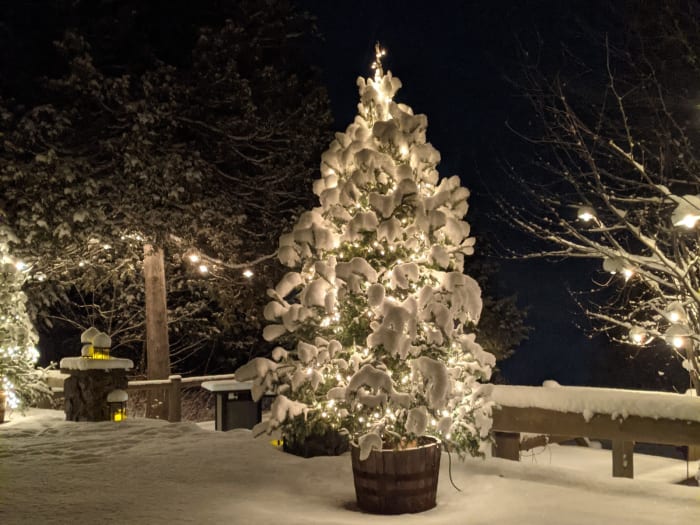
Winter refocuses attention on snow sports, silent landscapes, and the pleasure of retreat. This seasonality gives the stay a distinct personality depending on the chosen period.
The art of living in Saranac Lake rests on a simple idea: to fully inhabit a landscape. The Point offers privileged access to this experience, with comfort, rhythm, and discernment.
Book via MyConciergeHotel
Booking The Point through MyConciergeHotel allows you to approach your stay as a carefully curated experience rather than just a simple overnight stay. In a high-end natural destination, the quality of the journey often hinges on details arranged in advance: the chosen season, the pace of the stay, the balance between relaxation and activities, transport constraints, and specific service expectations. A well-supported reservation ensures that these parameters align, creating a seamless experience from the moment of arrival.
The value of concierge support lies first in clarifying the best use of the address. The Point caters to different travel projects depending on whether you are travelling as a couple, with family, or seeking a more contemplative retreat. Helping to define this intention can significantly influence various aspects: the ideal duration, the suitable period, the desired level of activity, and the need for flexibility. In a location where the environment plays such a crucial role, this preliminary understanding is invaluable.
MyConciergeHotel can also facilitate the anticipation of key moments during your stay. Booking activities in advance, especially during peak season, allows you to fully enjoy the experience. This is particularly relevant in Saranac Lake, where certain activities depend on conditions, availability, and timing. Organising these elements ahead of time prevents last-minute compromises and maintains the fluidity of your stay.
Beyond logistics, booking through an attentive contact allows for a more personalised journey. Arrival times, preferred pace, specific requests, and the organisation of a stay for two or with family are all parameters that benefit from clear articulation. In characterful establishments, the quality of the experience often hinges on the alignment between the client's expectations and the unique style of the property. Concierge support helps create this harmony.
There is also a significant aspect of time-saving and peace of mind. Destination hotels, especially in sought-after natural settings, often require more preparation than an urban getaway. Centralising useful information, gaining an external perspective on the relevance of your stay, and refining your plans before departure are tangible benefits. They allow you to arrive with a freer mind, ready to embrace the rhythm of the place.
Finally, booking The Point via MyConciergeHotel is to choose a luxury approach grounded in precision. It is not about accumulating options but preparing a stay that is perfectly tailored to the location, the season, and your genuine expectations. In the Adirondacks, this attention to detail makes all the difference. It transforms a beautiful address into a fully realised, coherent, and serene experience.