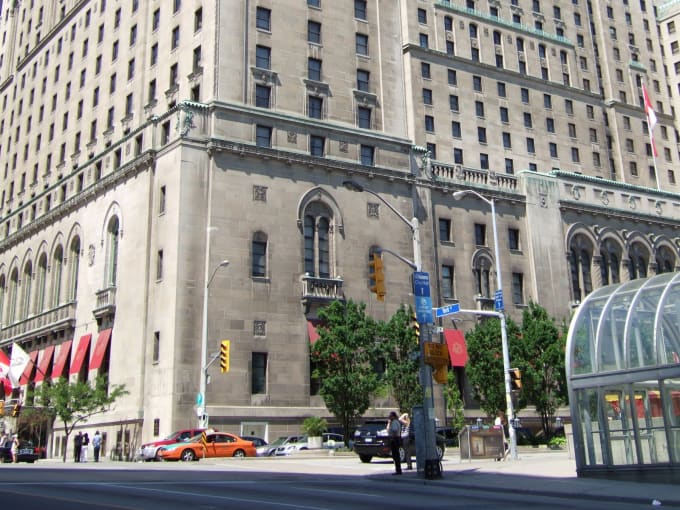
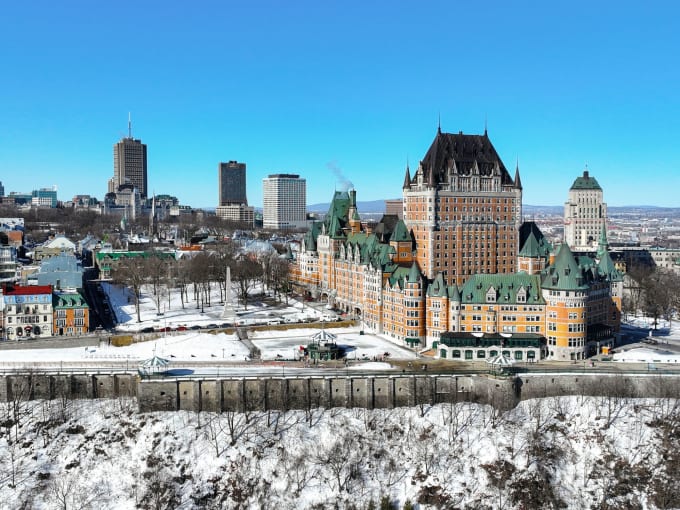
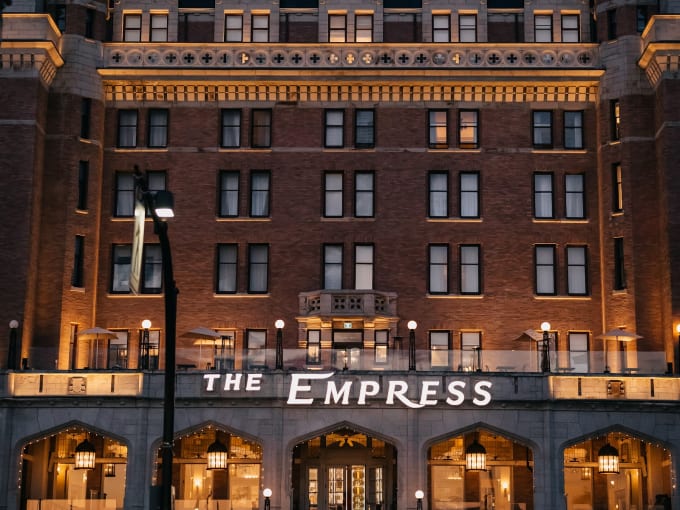
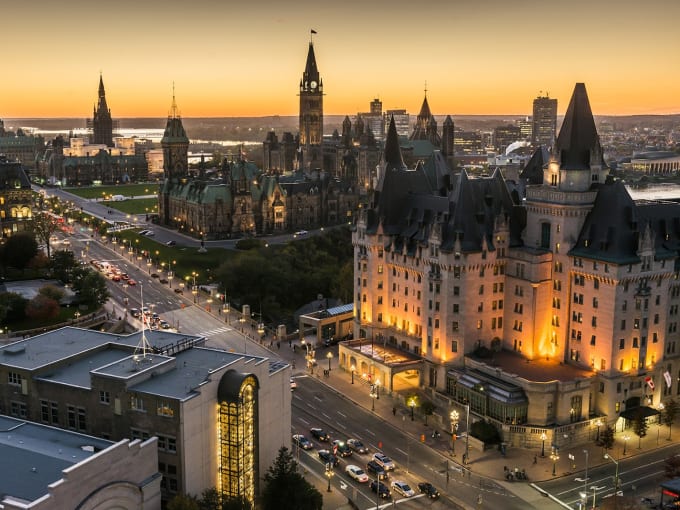
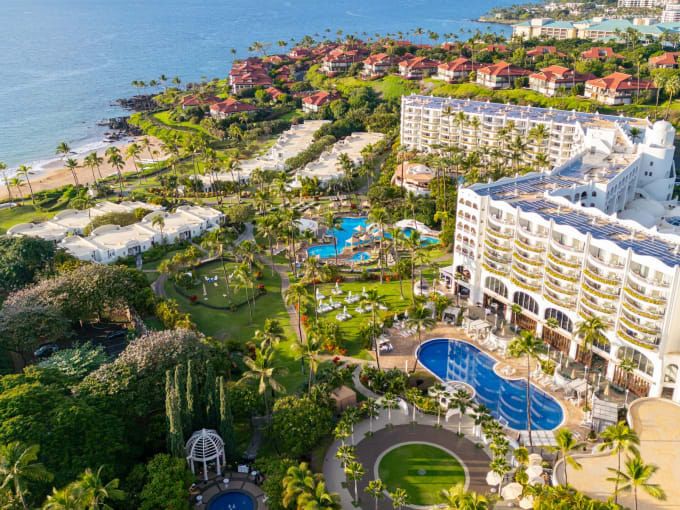
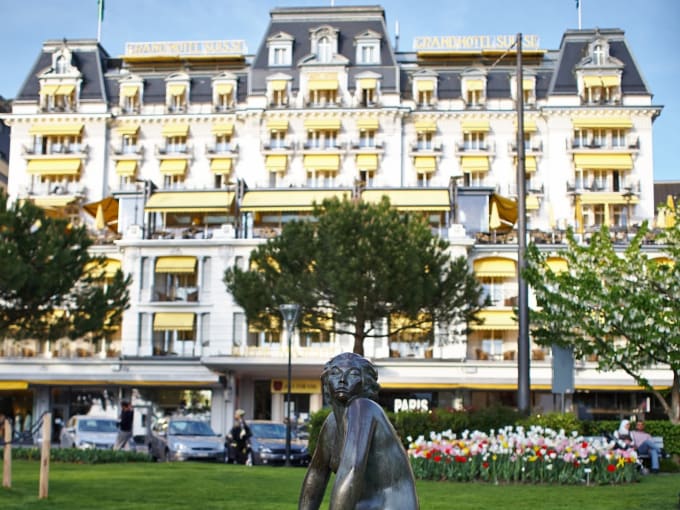
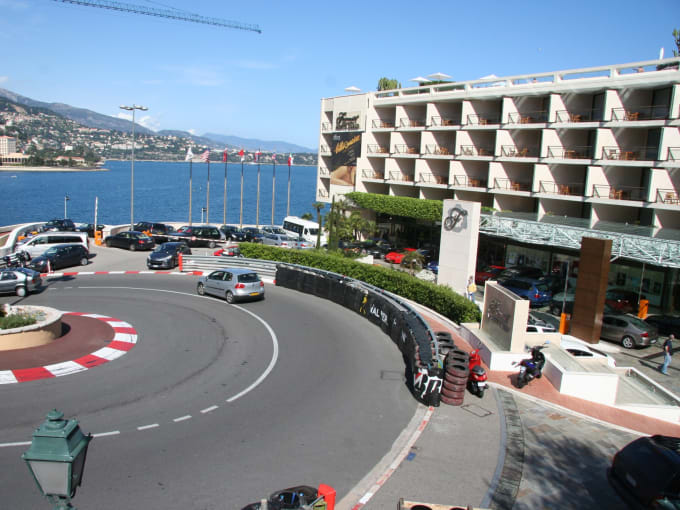
At Fairmont, history is not an afterthought; it shapes the experience, architecture, and often the very memory of an entire city. This is particularly true in North America, where several prestigious addresses within the Accor group extend a hotel tradition that began with railway networks, provincial capitals, and mountain resorts. When we think of Fairmont Banff Springs, Fairmont Chateau Lake Louise, Fairmont Château Laurier, Fairmont Empress, or The Fairmont Copley Plaza Hotel, we are referring to hotels that transcend mere accommodation. They serve as urban landmarks, heritage silhouettes, and places of transmission. This ranking thus focuses on a specific category: the historic North American palaces under the Fairmont brand, where Canadian heritage and imperial imagination continue to engage with contemporary expectations.
Our methodology is based on consistent editorial criteria rather than mere promotional effect. We first examine the actual heritage significance of the address, which includes the building's age, its role in local history, institutional recognition, and its presence in the cultural landscape. We then consider the coherence of the restoration; a grand historic hotel must evolve without erasing what makes it unique. We also observe the quality of the location, as an urban palace conveys a different essence than a mountain château or a coastal resort. Finally, we incorporate useful elements for discerning travellers, such as spa facilities, family accommodation capabilities, MICE potential, clarity of the culinary offerings, and relevance for Accor Live Limitless members. It is important to note that this ranking prioritises the density of identity over the uniformity of luxury.
The Fairmont panorama is broader than often summarised. Yes, the North American heritage remains central, with icons like Fairmont Banff Springs in Banff, Fairmont Chateau Lake Louise in the Rockies, Fairmont Château Laurier in Ottawa, Fairmont Empress in Victoria, Fairmont Hotel Macdonald in Edmonton, and The Fairmont Copley Plaza Hotel in Boston. However, the brand has also expanded to include very different urban and seaside addresses. Fairmont Century Plaza in Los Angeles speaks to Californian reinvention. Fairmont Austin caters to significant business and event flows. Fairmont Ajman, Fairmont Bab Al Bahr in Abu Dhabi, Fairmont Amman, Fairmont Baku Flame Towers, Fairmont Beijing, Fairmont Ambassador Seoul, and Fairmont Hanoi showcase another facet of the portfolio. This contrast helps to better understand what distinguishes a historic palace from a major contemporary address. The subject is not solely about the level of service; it is about the depth of the architectural narrative.
For 2025 and 2026, several trends reinforce the appeal of this family of hotels. The first is the resurgence of heritage as a selection criterion. An international clientele, often very familiar with major groups, is now seeking places that tell a story of an era and geography. The second trend concerns multigenerational stays. The grand Fairmont addresses in North America know how to accommodate parents, grandparents, and children alike, without reducing the experience to a mere family resort. The third relates to well-being; the spa is no longer an add-on but becomes a tool for balance in hotels often situated in marked climatic environments, whether in the Rockies or major capitals. Finally, the high-end MICE segment remains crucial, with many of these establishments boasting historic reception spaces or significant event capacities, thereby solidifying their role in the local economic and diplomatic landscape.
What makes Fairmont particularly interesting for a French reader is a form of codified luxury that is never static. Here, one finds the rituals of a grand hotel, a certain relationship with service, and an attention to communal spaces that hark back to the classical school of hospitality. Yet, the interpretation is distinctly North American in scale, in relation to the landscape, and in the social use of the hotel. The lobby is not merely a thoroughfare; it becomes a public lounge, a civic stage, a meeting point. The views also play a significant role. At Lake Louise, they frame the lake and the surrounding peaks. In Banff, they extend the idea of an alpine château. In Ottawa or Quebec, within the Fairmont imagination, they engage with institutions and urban heights. My advice for making a good choice is to consider the relationship between the building and its territory, as this is often where the true distinction lies.
It is also essential to read this ranking without automatism. A number one does not negate the qualities of number ten or number twenty. Each hotel serves a specific purpose. Some travellers seek a capital address, close to institutions, museums, and grand ceremonies. Others desire a mountain refuge, with strong architectural drama and immediate access to vast landscapes. Still, others prioritise the social dimension of the place, its reputation for meetings, celebrations, or festive stays. What our advisors often observe is that successful historic hotels do not merely charm with their mouldings, façades, or archives; they convince when the current experience remains clear, fluid, and adapted to today's rhythms. Heritage holds hotel value only if it continues to be inhabited with precision.
In the following Top 30, we have thus prioritised the North American Fairmonts where architectural heritage, location, and continuity of service create a true signature. You will find railway castles, grand urban dames, and resort institutions. The common thread remains the same: understanding how Fairmont has transformed iconic buildings into enduring landmarks of high-end travel, without losing their primary function. To offer a grand hotel that is also a piece of the city, landscape, or history.