History & heritage
Few addresses in Victoria embody the idea of a grand harbour hotel quite as clearly as Fairmont Empress. Facing the water in a city shaped by British heritage, Pacific horizons and island culture, the property belongs to that rare category of hotels that transcend accommodation alone. Guests come to stay in the heart of British Columbia’s capital, but also to enter a setting that forms part of the destination’s very image. Its historic silhouette, instantly recognisable, has long accompanied postcards, walks around the Inner Harbour and the memories of travellers drawn to a classic style of travel.
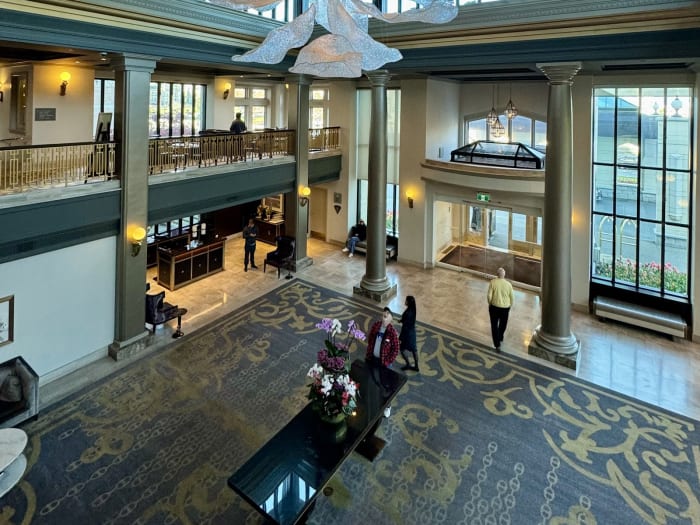
Fairmont Empress belongs to the tradition of great North American heritage hotels: places designed to receive on a grand scale, to stage arrival, to offer generous public rooms and to assert a strong architectural presence within the city. Here, the distinctive architecture is not merely decorative. It speaks of a period when a hotel was conceived as an urban landmark, a public drawing room and a symbol of local prestige. That heritage dimension remains one of its principal attractions today. It can be felt in the volumes, in the direct relationship with the waterfront, in the atmosphere of the reception areas and in the particular way certain historic hotels convey continuity between past and present from the moment one steps inside.
What stands out, beyond the iconography, is the way the hotel preserves its character without becoming trapped in nostalgia. Fairmont Empress is not a museum. Its appeal lies precisely in the balance between heritage and contemporary comfort, between classical codes and present-day expectations. Today’s travellers find the clarity of a major international hotel, while those drawn to addresses with personality encounter the depth of a place that has welcomed generations of visitors, social occasions, romantic stays and urban interludes.
In a city such as Victoria, where gentler rhythms, gardens, historic façades and constant proximity to the water are part of daily life, that heritage takes on particular resonance. Fairmont Empress does not attempt to compete with the exuberance of certain contemporary resorts. It offers something else: an experience rooted in the long term, in discreet ritual, in the permanence of an address that has remained desirable by evolving with restraint. That continuity is what makes it distinctive. One stays for the views, the location and the comfort, but also for the sense of taking part, for a few nights, in a story larger than one’s own journey.
For European travellers familiar with grand historic hotels, Fairmont Empress offers an interesting parallel: not a reproduction of a continental model, but a Pacific interpretation of it, more open to the landscape, more connected to harbour life and deeply embedded in Victoria’s identity. That narrative quality, tangible without ever being overstated, gives the stay particular depth and turns a simple city break into a true sense of place.
The hotel
Fairmont Empress’s first privilege is its setting. Positioned in the heart of Victoria and facing the harbour, it places guests in one of the city’s most appealing areas. That centrality changes the stay in a meaningful way. There is no need for elaborate transfers to grasp the local atmosphere: one simply steps outside to reach the waterfront promenade, watch activity on the Inner Harbour, wander the shopping streets of downtown or linger in nearby historic quarters. For a first-time visitor, this location offers an immediate reading of the city; for returning guests, it provides an easy way back into familiar rhythms.
The hotel makes the most of its direct relationship with the harbour landscape. Water views are among its most sought-after features, not only for their visual appeal but because they give the stay a particular tempo. The harbour is not merely a backdrop. It animates the day, accompanies changes in light, constantly reminds one of the destination’s island geography and places the hotel in an ongoing dialogue with the outdoors. The mood shifts with the hours: clear mornings over the quays, daytime bustle, a warmer late afternoon glow and a softer evening atmosphere as façades light up around the inner bay.
Inside, Fairmont Empress cultivates an atmosphere shaped as much by its historic architecture as by the way its spaces have been adapted for contemporary comfort. Guests find the expected codes of a major five-star hotel: a round-the-clock front desk, 24-hour concierge, attentive service, intuitive circulation and public areas designed for both swift passage and extended pause. A hotel of this kind succeeds when it can accommodate very different uses without losing coherence: a late arrival after a flight, a romantic weekend, a business stay or a more contemplative urban interlude. Fairmont Empress responds well to that variety.
The property’s identity also rests on a successful contrast between formality and warmth. The address is iconic, yet it is not reducible to its image. There is a quietly convivial quality here, typical of grand hotels accustomed to receiving a broad mix of guests. Couples, international travellers, visitors in town for an event, people stopping by for afternoon tea or a city meeting all contribute to the sense of a living house rather than a static monument. That discreet animation is part of the hotel’s charm.
Finally, Fairmont Empress makes an excellent base from which to explore Victoria on foot. In a destination appreciated as much for its cultural institutions as for its gardens, waterfront walks and elegant cafés, being able to return easily to the hotel throughout the day is a genuine advantage. One can start early, head out without an overly rigid plan, come back to rest, then leave again for dinner or simply to enjoy the changing light over the harbour. That flexibility, combined with the property’s historic character, explains why it suits both short stays and more settled escapes. It offers both an anchor and a setting.
Rooms and suites
To stay at Fairmont Empress is to choose a room in a hotel where the relationship between heritage and modern comfort forms the core of the promise. In a historic address of this kind, seasoned travellers know that the appeal lies not in impersonal standardisation but in a certain variety of proportions, outlooks and atmospheres. The rooms and suites follow that logic: they extend the property’s character while meeting the contemporary expectations of an international five-star hotel. The emphasis is less on spectacle than on well-judged comfort, genuine rest and aesthetic continuity with the rest of the house.
Depending on the category selected, the experience may vary noticeably. Some rooms favour the intimacy of an urban retreat in the heart of Victoria; others make more of natural light or the relationship with the harbour. Water views, when available, lend a particular tone to the stay. They place the room within the living landscape of the city rather than within a purely functional lodging framework. For many travellers, that visual opening onto the Inner Harbour is an integral part of the Empress experience, especially on a first visit.
Suites generally answer different needs: a couple’s escape with more space, a longer stay, the convenience of a separate sitting room or simply the wish to experience the hotel on a more generous scale. In a heritage property, they also appeal through the possibility of inhabiting, for a few days, a more residential version of the grand hotel. This does not imply ostentation so much as a better rhythm: more ease for reading, working, taking coffee in the room or preparing before an evening out.
Service plays a full part in the comfort of these private spaces. Turndown, daily housekeeping and the smooth organisation of an experienced hotel reinforce the sense of a stay without friction. It is often these regular attentions, more than decorative effects, that distinguish a good room from one that is genuinely pleasant to live in. After a day spent exploring Victoria, walking along the harbour or moving between meetings and visits, returning to a room that has been refreshed, quiet and welcoming matters as much as the design itself.
Fairmont Empress therefore suits several types of traveller. Couples will appreciate the romantic atmosphere naturally created by a grand historic address overlooking the harbour. Business guests will find a setting with more personality than a strictly functional hotel, without sacrificing essential services. International visitors, meanwhile, will see it as a way of discovering Victoria through one of its most recognisable addresses while enjoying the level of comfort expected from a leading brand.
In practical terms, it is worth paying attention to the category booked and, where it matters to you, to the orientation or view. In a hotel this iconic, not every room tells exactly the same story. Some emphasise quiet, others the panorama, and others again the heritage spirit. That nuance is precisely part of the property’s appeal: each stay can be aligned with a particular travel intention, whether a romantic weekend, an elegant stop on the Pacific coast or an urban break shaped by harbour life.
Dining
At Fairmont Empress, dining is less a display than an art of hospitality. In a grand historic hotel, eating is not merely a practical necessity between visits: it is a way of inhabiting the place, slowing down, observing hotel life and taking part in its rituals. In Victoria, this takes on particular resonance, as the city cultivates a measured relationship with elegance, more understated than showy. The food and beverage offering follows that spirit, accompanying the stay coherently whether through breakfast before a day of exploring, a late-afternoon drink or a more ceremonial occasion.
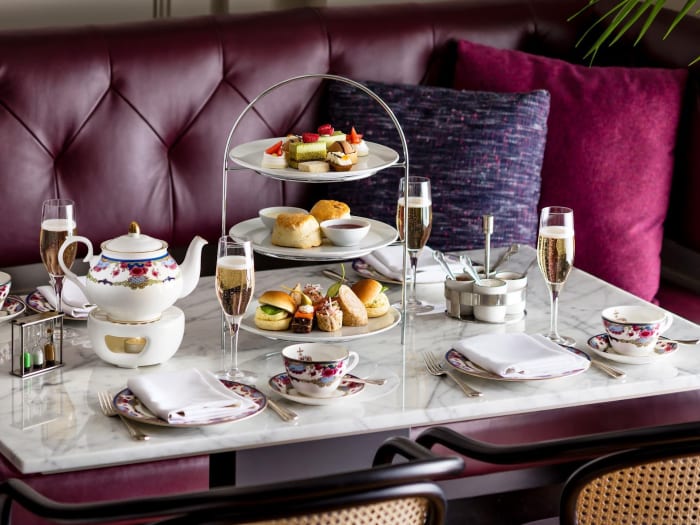
If one tradition is inseparable from the address, it is afternoon tea. Far beyond a simple indulgence, it is for many visitors an experience in its own right, sometimes even the primary reason for calling at the hotel. The ritual sits naturally with Victoria’s identity, often associated with cultural affinities to the British world, yet here it becomes something broader: the expression of a grand hotel able to turn a pause into a ceremony. The setting, service, pace of the moment and attention to presentation matter as much as what is served. For travellers wishing to experience the hotel at its most emblematic, it is essential, and one best reserved in advance given the level of demand.
The rest of the culinary experience is best understood through the same logic of continuity. A property of this category is expected to provide dining that can accommodate varied uses: structured meals, lighter pauses, informal meetings, moments for two, the needs of business guests or simply the desire to enjoy the setting without leaving the hotel. Fairmont Empress appeals precisely because it allows for that flexibility. One can shape an entire day around the hotel, moving between the city and the reassurance of well-managed service from morning to evening.
The harbour setting also influences the dining experience. Even when one is not seeking a destination restaurant in the strict sense, the pleasure of lingering in a place so closely tied to the urban landscape changes the meal. The eye moves between interior and exterior, between heritage architecture and waterfront activity. That relationship with the site gives dining extra depth, especially for travellers who value hotels capable of offering a genuine sense of place.
For a successful stay, the simplest advice remains the best: plan certain moments ahead. Afternoon tea in particular deserves advance booking, especially during busier periods. That foresight allows the experience to unfold properly, without disappointment. More broadly, dining at Fairmont Empress will appeal to those who like hotels in which one can not only stay but also spend time. Here, food and drink are not peripheral services; they form part of the discreet staging of travel, that very particular way in which great addresses transform ordinary gestures — breakfast, a pause, the extension of an evening — into lasting memories.
Spa & wellness
In a city such as Victoria, where closeness to nature, sea air and a generally unhurried rhythm form part of the experience, wellness at the hotel is more than an optional extra. It is a logical extension of the stay. At Fairmont Empress, that dimension belongs to a broader idea of comfort: that of a grand property to which one comes as much to rest as to explore. Even when a trip is full — meetings, crossings, visits, walks — it is valuable to be able to return within the hotel itself to spaces and moments devoted to physical and mental recovery.
In luxury hospitality, the best wellness areas do not necessarily seek spectacle. Rather, they provide breathing space within the stay. This is especially true in a historic city-centre hotel: the spa and wellbeing facilities play a balancing role. After a day spent walking along the harbour, visiting Victoria’s cultural institutions or enjoying seasonal activity, the ability to slow down changes one’s perception of the trip. The stay ceases to be a succession of activities and regains a more attentive quality of presence.
For couples, this component contributes strongly to the hotel’s appeal. A massage, facial, moment of relaxation before dinner or a longer pause after an excursion can turn a weekend into a true escape. For business travellers, the benefit is different but equally real: having a place to release tension, restore energy and reintroduce a little personal time into a tight schedule. In both cases, wellness is not an accessory luxury; it becomes a tool for a better stay.
The setting of Fairmont Empress itself reinforces this logic. Because the hotel is deeply connected to its harbour environment and the city’s history, moments of rest take on a particular colour. This is not a resort cut off from the world, but an urban address capable of offering a sense of retreat without severing ties to its context. That interplay between outer animation and inner calm is one of the specific pleasures of well-conceived grand city hotels.
It is often wise, especially in high season or on a short stay, to plan any treatments in advance. As with the hotel’s emblematic dining rituals, demand can be strong at the most desirable times. Booking ahead allows the stay to unfold more smoothly: an arrival followed by a treatment to recover from travel, a wellness pause midway through the visit or a final moment of relaxation before departure.
More broadly, wellness at Fairmont Empress will appeal to those who believe a great hotel should offer more than a fine room and a strong location. It should also make it possible to recover one’s own rhythm. In a destination as pleasant to explore as Victoria, that ability to alternate movement and rest, discovery and recentring, is one of the keys to a successful stay. Here, luxury may lie first and foremost in that: the freedom to shape one’s time with ease in a place that knows how to accommodate both the energy of travel and the need for pause.
Concierge & services
In a grand hotel, the quality of a stay is often measured by details one scarcely notices when they work well. Fairmont Empress belongs to that category of properties where service does not seek to appear theatrical; it aims instead for fluency. A 24-hour front desk, round-the-clock concierge, daily housekeeping, turndown, luggage storage, laundry and wake-up service may all seem expected in a five-star hotel, yet their true value lies in the way they combine to simplify travel. A historic hotel of this scale succeeds when it makes a stay feel lighter without ever seeming mechanical or impersonal.
The concierge plays a central role here. In a destination such as Victoria, where one may shape a programme around walks, cultural institutions, gardens, harbour crossings, food stops and seasonal events, having a point of contact able to guide, recommend and arrange makes a genuine difference. Concierge service is not limited to answering isolated requests; it helps give form to the stay. For a first visit, it prevents guesswork. For a returning guest, it offers welcome efficiency and precision.
The round-the-clock operation of reception and concierge is particularly valuable for international travellers or for those whose schedules are determined by air and ferry connections. A late arrival, early departure or need for assistance outside conventional hours is part of the reality of travel, and one then sees the difference between service that is merely present and service that is truly functional. In a busy city-centre hotel, that permanent availability contributes strongly to the feeling of security and ease.
Room services, often underestimated, also shape perceived quality. Daily housekeeping ensures continuity of comfort; turndown adds that note of care which turns returning to one’s room into a moment of welcome rather than simply the end of the day. Laundry, luggage storage and wake-up service answer very practical needs, but it is precisely these efficient responses that allow the traveller to remain focused on what matters: enjoying the destination, meeting obligations or simply resting.
Part of Fairmont Empress’s appeal also lies in its ability to accommodate varied guest profiles without rigidity. A couple on a romantic escape does not expect the same things as a business traveller or a visitor in transit. Yet all require the same foundation: clarity, availability, discretion and professionalism. That foundation is what distinguishes a handsome address from a grand hotel that is genuinely pleasant to inhabit.
Finally, booking through an attentive point of contact or planning certain key moments ahead — afternoon tea, arrival times, special requests — helps guests make the most of these services. In an iconic and much-requested property, anticipation does not diminish spontaneity; it improves the quality of the journey. Fairmont Empress is best experienced when one relies on that discreet but essential infrastructure, the one that turns a prestigious address into a genuinely seamless stay.
The Victoria way of life
To stay at Fairmont Empress is also to choose a particular way of discovering Victoria. The city does not reveal itself like a metropolis to be collected at speed. It is better understood through nuance, walking and attention to the details of its urban and maritime landscape. As the capital of British Columbia, Victoria has a distinctive identity on the Pacific coast: more contained than Vancouver, more institutional without being severe, deeply connected to water, gardens and an inherited elegance that still leaves room for softness and simplicity. Through its location and history, Fairmont Empress offers a particularly fitting point of entry into that way of life.
From the hotel, everything encourages gradual discovery. One may begin with the Inner Harbour, watch movement on the water, follow the quays and then drift into the streets of the centre. Victoria lends itself well to itineraries not overburdened by planning. What one appreciates are the transitions: between civic architecture and shopping façades, between urban animation and maritime breathing space, between cultural institutions and pauses in a café. This human scale forms a large part of the city’s charm. It allows one to travel without strain, with the rare sense that a stay can be both rich and restful.
The season naturally shapes the experience. Summer draws more visitors and gathers many events, intensifying activity around the harbour and downtown. Yet Victoria’s appeal is not limited to its busiest months. Its relatively temperate climate, constant relationship with nature and the presence of historic addresses such as Fairmont Empress make it a destination that retains genuine quality beyond the summer peak. Depending on the time of year, one may seek either the energy of the warmer months or a quieter atmosphere more conducive to walks, visits and inward pauses.
The local art of living also lies in the combination of discreet refinement and accessibility. Victoria knows how to be elegant without becoming stiff. One can organise a highly structured stay around dining, institutions and wellness, or surrender instead to a freer rhythm of walks, pauses and spontaneous returns to the hotel. Fairmont Empress is especially well suited to the latter approach, because its central position allows the day to be composed almost in real time. One goes out, comes back, and leaves again. Travel becomes less a performance than a natural circulation between indoors and out.
For couples, the city offers a naturally romantic setting without needing to overstate it. For business travellers, it provides welcome breathing space, especially when staying at an address that gives immediate access to the best of the centre. For lovers of characterful hotels, meanwhile, Victoria offers that rather rare alliance between a destination that is pleasant to inhabit and a property that is genuinely emblematic.
Ultimately, the luxury of a stay here lies not only in the standard of the hotel. It lies in the quality of time. Watching the light change over the harbour, taking tea in a place steeped in history, walking back after dinner in town, allowing oneself a morning without urgency: this is what Victoria and Fairmont Empress make possible together. It is a travel experience less demonstrative than deeply satisfying because it rests on a well-judged balance of setting, service, heritage and freedom.
Book with MyConciergeHotel
Booking Fairmont Empress through MyConciergeHotel means approaching the property in the right way: not reducing a grand hotel to a simple rate or raw availability. In an iconic address, the success of a stay often depends on nuances that matter far more than one imagines at the moment of booking: the room category, the value of a harbour view, the right timing for a short break, planning afternoon tea, coordinating a late arrival or taking into account whether the trip is for two or for business. Editorial and concierge guidance helps place the reservation back within the logic of experience.
Fairmont Empress attracts several kinds of traveller, and not all are looking for the same thing. Some primarily want to experience the hotel’s iconography and use its central location to discover Victoria on foot. Others favour the romantic atmosphere of a grand heritage address overlooking the harbour. Others still seek a reliable, elegant and well-positioned base for business. Booking intelligently therefore means clarifying the intention of the trip. From that intention, one can better guide the choice of room category, suggest which experiences should be planned ahead and recommend the period best suited to the desired pace.
In the case of Fairmont Empress, a few points deserve particular attention. The first is advance booking of the most sought-after moments, notably afternoon tea. The second concerns room view and orientation, which can significantly alter the tone of the stay. The third relates to seasonality: summer is especially popular in Victoria, with more activity and events, which makes early planning all the more worthwhile. These are not minor details; they shape the on-site experience in very practical ways.
Booking through MyConciergeHotel also brings an editorial perspective, useful when hesitating between different styles of stay. Fairmont Empress is not merely a central and comfortable hotel; it is an address that says something about Victoria. The question is how best to experience it. Should one favour a short but carefully paced escape? Allow more time to enjoy the hotel itself? Build the stay around the city, the harbour and the property’s traditions? These choices benefit from being considered before arrival.
For demanding travellers, true luxury often begins before check-in. It lies in the accuracy of preparation, in avoiding approximate bookings and in the assurance that the important moments of the stay have been taken into account. In that respect, Fairmont Empress lends itself particularly well to an accompanied reservation: because the address is iconic, because it is in demand and because its best qualities reveal themselves most fully when approached with a little foresight.
Booking through MyConciergeHotel therefore means choosing more than a room: it means choosing a reading of the place, a rhythm for the stay and a way of entering Victoria through one of its most emblematic addresses. For a romantic weekend, an elegant Pacific coast stop or a business trip enriched by a genuine sense of place, that approach makes all the difference.