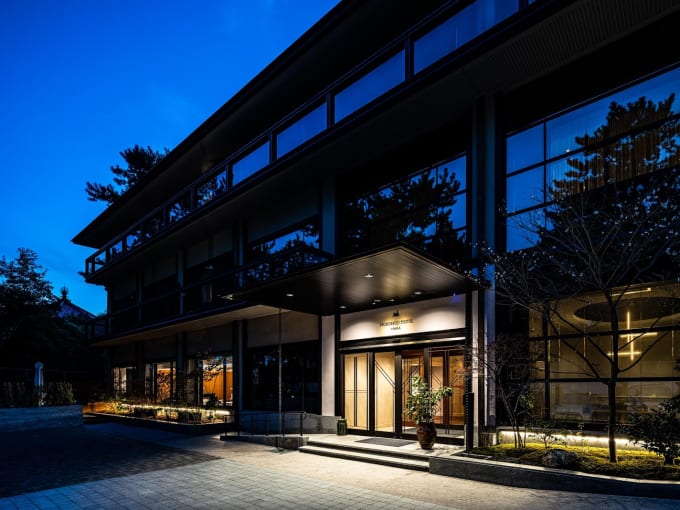
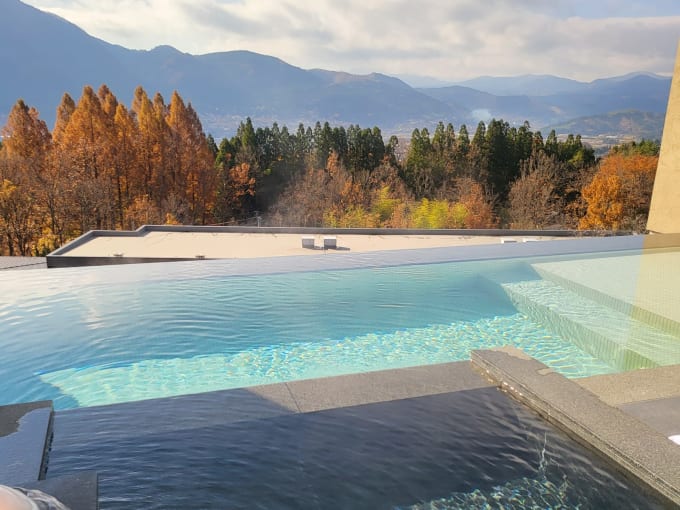
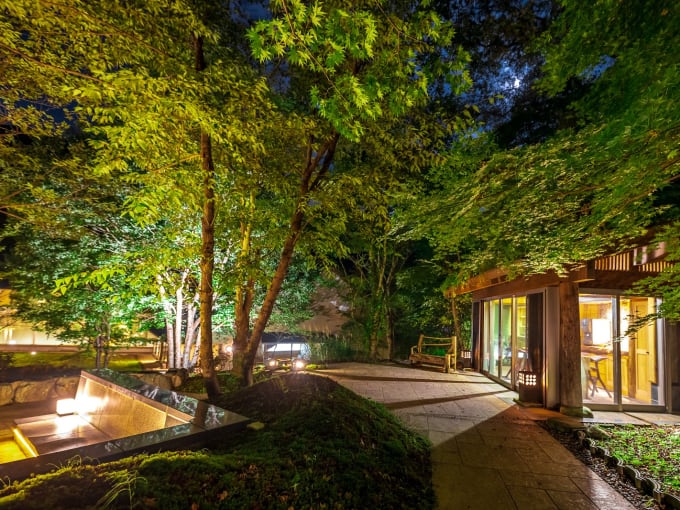
In Japan, the Relais & Châteaux universe finds a particularly coherent expression. The country values home, heritage, seasonality, and cuisine. These four pillars resonate with the spirit of the association. For a discerning traveller, this selection meets a precise expectation. It is not merely about sleeping in a beautiful hotel; it is about choosing a place with a clear identity, a genuine welcome, and a cuisine that tells a story of its locale. This connection is evident in establishments as diverse as Hôtel Asaba in Izu, Kanamean Nishitomiya in Kyoto, and Noborioji Hotel Nara in Nara City. Notably, Japan offers a rare interpretation of luxury in hospitality. Refinement does not always manifest through ostentation; it often comes through precision, rhythm, and the quality of attention.
To establish this editorial ranking, we first consider the affiliation with the Relais & Châteaux label, which serves as the foundation. Next, we assess the coherence between the establishment, its location, and the actual experience it provides. The dining experience plays a significant role in this theme. We favour establishments where gastronomy is an integral part of the journey. The setting also matters. A historic residence, a renowned ryokan, a seaside villa, or a mountain retreat narrates Japan in different ways. Our advisors also observe the clarity of the experience. A great stay often arises from a promise fulfilled. Hôtel Gôra Kadan in Hakone, Bettei Senjuan in Minakami, and Hôtel Beniya Mukayu in Kaga-shi exemplify this requirement, each offering a clear and thus memorable vision.
The Japanese panorama of this selection is particularly rich. It includes historic ryokans, nature retreats, intimate urban addresses, and seaside villas. Hôtel Nishimuraya Honkan in Toyooka evokes thermal tradition and classic hospitality. Tobira Onsen Myojinkan in Matsumoto connects the stay directly to the mountains. Enowa Yufuin in Oita speaks more of contemporary retreat and tranquillity. The Kitano Hotel Tokyo demonstrates that a capital address can also be part of this conversation, doing so through its scale and sense of service. Further south, The Uza Terrace Beach Club Villas in Okinawa introduces a different geography to the ranking. Japan is never a homogeneous block, and this selection aptly reminds us of that, traversing diverse landscapes, heritages, and practices.
For 2025 and 2026, several trends are clearly emerging in Japan's characterful hospitality. Firstly, the upscale traveller seeks less demonstration and more meaning. They wish to understand their surroundings, eat locally, stay in an intimate setting, and find a sense of calm. Secondly, gastronomy is becoming more territorial in its perception. Meals are no longer just performances; they become a reflection of the climate, seasons, and local producers. In this context, addresses like Hôtel Biaclyn Hakodate, Gōra Kadan Fuji, and Hôtel Tenku no Mori meet current expectations, each situated in strong environments. My advice for this type of journey is straightforward: choose a house according to the desired pace. Onsen, silence, views, heritage, or cultural access do not imply the same kind of days.
This selection also speaks to a certain idea of luxury, closely aligned with what we advocate at MyConciergeHotel. Luxury is not an autonomous decor; it is a quality of relationship between a place, a team, and a guest. This is why Relais & Châteaux houses in Japan are so appealing to French and European travellers. They often offer highly personalised hospitality, yet never intrusive. They know how to maintain the right distance, respect the client's time, and add value to meaningful details. In a place like Kanamean Nishitomiya, in a ryokan like Hôtel Asaba, or in a retreat like Bettei Senjuan, this philosophy takes on different forms. However, the essence remains the same: one seeks an inhabited experience, leaving with a memory of a specific place rather than a generic impression of a grand hotel.
It is also important to explain how to interpret this ranking. Being number one does not negate the uniqueness of number fourteen. Each house has its audience, ideal season, and character. Some travellers will prioritise heritage depth, while others will seek the dining experience first. Still others may desire a romantic getaway, a wellness retreat, or a pause between city and nature. Noborioji Hotel Nara does not meet the same expectations as The Uza Terrace Beach Club Villas, just as Hôtel Gôra Kadan does not tell the same story as The Kitano Hotel Tokyo. This is precisely the interest of this selection; it does not aim to standardise but rather to guide. Our advisors often observe that a good choice depends less on abstract prestige than on suitability. The right hotel is one that aligns with your rhythm, curiosity, and way of travelling in Japan.
In the following top list, we have therefore selected fourteen establishments capable of embodying the Relais & Châteaux Japan with seriousness and personality. Some shine through their gastronomic focus, while others excel in heritage, natural setting, or sense of hospitality. All deserve attention.