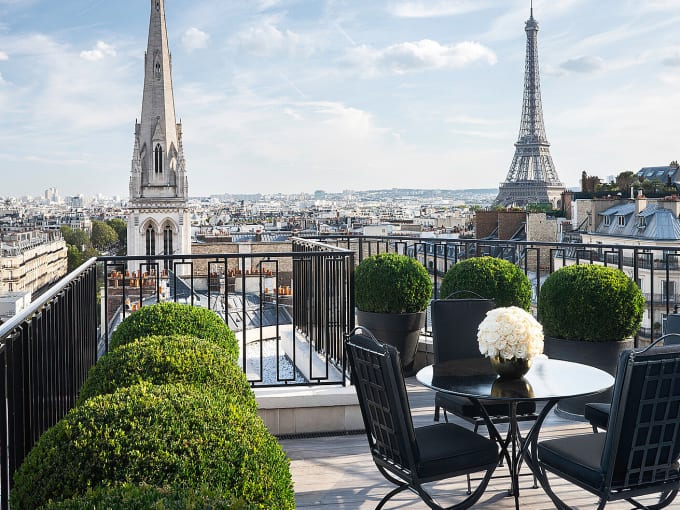
Since 1961, Four Seasons has held a unique position in the global luxury hospitality landscape. The brand has built its reputation on a simple promise: clear, consistent, and highly international service. This is precisely what our clients seek. They want solid reference points without sacrificing the character of a destination. In this selection, we focus on the palaces and flagship properties of the group. Those that embody a city, a riviera, a business hub, or a honeymoon destination. The Four Seasons Hotel George V in Paris remains a European benchmark. The Grand-Hôtel du Cap-Ferrat, A Four Seasons Hotel, plays a more riviera role. The Four Seasons Bosphorus and the Four Seasons Istanbul at Sultanahmet showcase two interpretations of Istanbul. The aim is not to pit these establishments against each other, but to understand what each brings to the discerning traveller.
Our methodology is based on stable editorial criteria. We first assess the objective hotel ranking. An Atout France Palace is not viewed the same as a grand urban five-star hotel. We then consider the strength of the location: iconic address, waterfront, business district, cultural access, or panoramic views. The third criterion is the ability to embody the Four Seasons DNA, which includes service quality, coherence of spaces, clarity of family offerings, and the level of wellness facilities. We also incorporate dining, especially when Michelin-starred restaurants structure the experience. Finally, we observe actual usage: weddings, multi-generational stays, MICE, premium business travel, honeymoons, and extended holidays. It is important to note that this ranking does not merely reward prestige; it favours hotels that deliver on their promises, stay after stay.
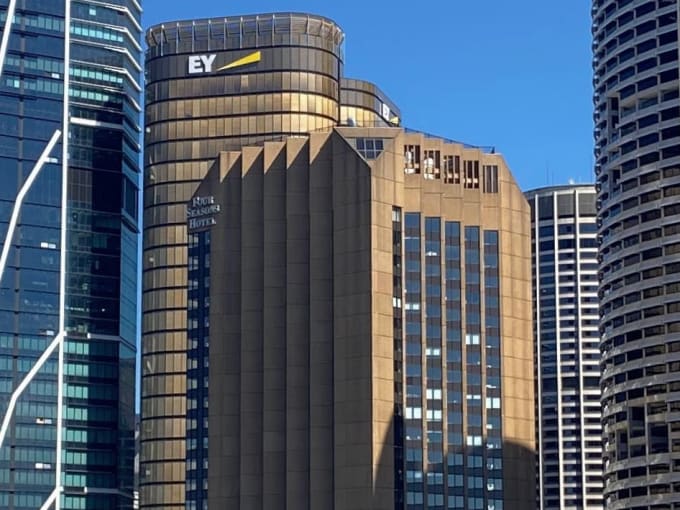
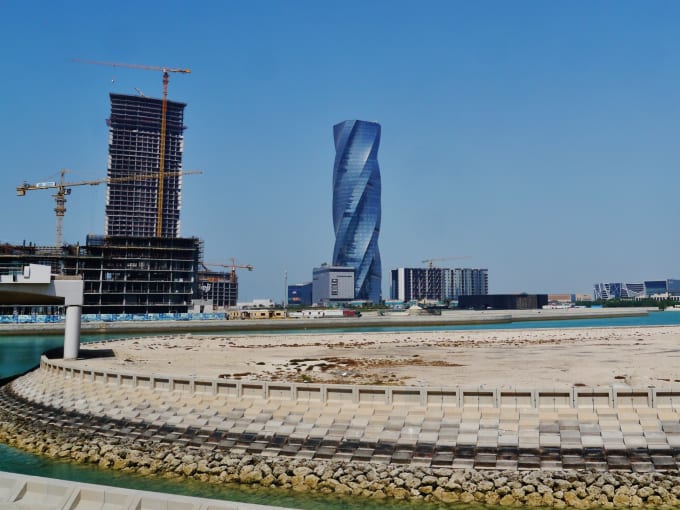
The scope of this collection is broader than one might think. Four Seasons knows how to create highly codified urban hotels. The Four Seasons Hotel New York, The Pierre in New York, the Four Seasons Hong Kong, or the Four Seasons Hotel Abu Dhabi at Al Maryah Island adhere to this logic. Expectations are clear: efficient suites, responsive concierge, spa, international-level dining, and well-developed business facilities. However, the brand also excels in transforming historic buildings and resort sites. The Four Seasons Gresham Palace in Budapest offers a heritage perspective. The Grand-Hôtel du Cap-Ferrat, A Four Seasons Hotel, leans more towards the legend of French seaside resorts. Beverly Wilshire, A Four Seasons Hotel, resonates with Hollywood and shopping stays. Other properties, such as the Four Seasons Hotel Bahrain Bay or the Four Seasons Hotel Bangkok at Sukhumvit, embody highly connected regional capitals.
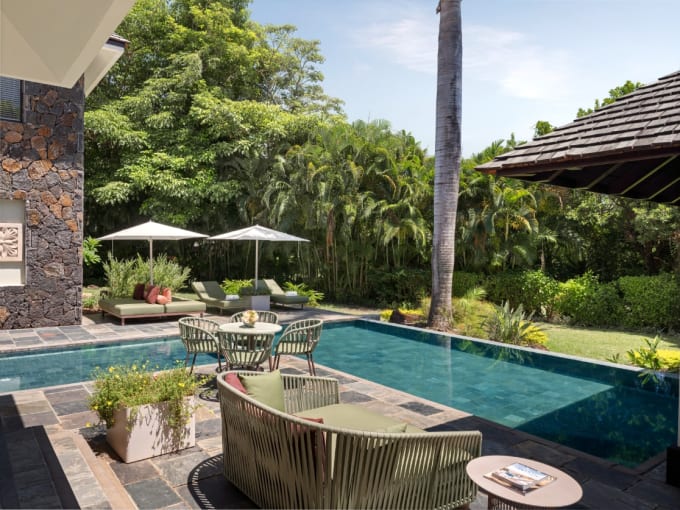
For 2025 and 2026, several trends are reinforcing interest in this segment. The first concerns the hybridisation of uses. A single hotel must accommodate an executive committee, a family with children, and a couple on a celebratory trip. Four Seasons responds well to this demand. Kids programmes, structured spas, connecting suites, meeting rooms, and seamless dining services are becoming central criteria. The second trend is the rise of residential stays. Four Seasons Private Retreats fits into this logic, offering private villas, large residences, and hotel services that allow for group travel without compromising the brand's standards. The third evolution is the search for less ostentatious experiences. Clients are asking for fewer theatrics and more precision. What our advisors observe is a preference for hotels that can be impeccable without being theatrical.
This selection also reflects a certain idea of French luxury. Not a unique decorative style, but rather a demand for restraint, elegance, and service. This is why the French palaces in the collection hold a special place in the imaginations of travellers. The Four Seasons Hotel George V in Paris remains associated with a very high level of dining, a central location, and a tradition of formal reception. The Grand-Hôtel du Cap-Ferrat, A Four Seasons Hotel, represents another school: that of the grand Riviera hotel, with gardens, a marine horizon, and a more seasonal rhythm. My advice is simple: when you choose a Four Seasons, do not just choose a brand. Choose a grammar of the stay. In Paris, one often seeks ceremony and cultural density. In Cap-Ferrat, space, light, and a slower pace are prioritised.
It is also important to explain how to read this ranking. A number one does not negate the relevance of a number fifteen or thirty. Each hotel meets a specific need. The Four Seasons Bosphorus will suit those who desire water, monumental surroundings, and a striking arrival. The Four Seasons Istanbul at Sultanahmet will appeal more to travellers sensitive to historical context. The Four Seasons Hotel Amman or the Four Seasons Hotel Atlanta can be very solid choices for well-structured premium travel. The Four Seasons Hotel Austin follows a different logic: more local, more event-driven, more tied to the city's calendar. We reject hollow superlatives, as they obscure understanding. A great hotel is judged on the alignment between promise, location, and use. It is this coherence that we aim to highlight, without artificially spectacular hierarchies.
In the following Top list, you will find recognised palaces, urban flagships, and iconic resorts from the global collection. Some shine for their status, others for their location, versatility, or ability to bring back regular guests. The goal is simple: to help you identify the Four Seasons that truly corresponds to your journey.