History & heritage
A stay at Four Seasons Hotel London at Ten Trinity Square begins with a sense of place shaped as much by architecture as by service. The very name Ten Trinity Square belongs to one of those historic London addresses whose identity is inseparable from the City, the Thames and the institutions that once defined Britain’s maritime and commercial reach.
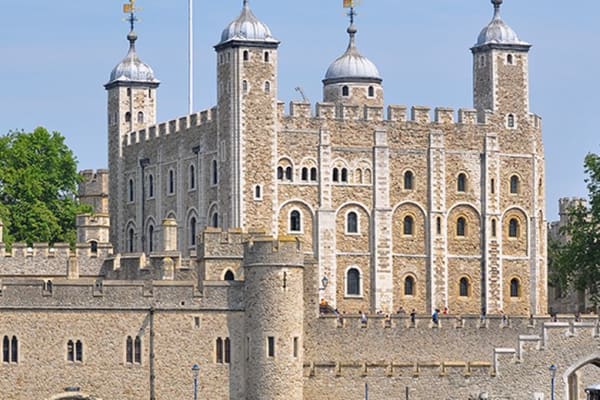
Set close to the Tower of London and the river, the building belongs to that early-20th-century civic London landscape where finance, trade and imperial administration once intersected. Its appeal lies not in theatrical nostalgia, but in the way a building of genuine character has been adapted for contemporary luxury hospitality. The experience is neither museum-like nor overly formal. Instead, it balances the gravitas of a historic structure with the ease, privacy and technical comfort expected from a modern international hotel.
That balance shapes the atmosphere throughout. Guests are not simply checking into a five-star address in central London; they are inhabiting, however briefly, a place rooted in the history of the City. The surrounding district, long associated with commerce, insurance and global exchange, gives the hotel a depth that cannot be manufactured. It feels anchored rather than generic.
The Four Seasons approach brings a contemporary reading of service to that heritage setting. Rather than relying on ceremony alone, the hotel favours fluidity: attentive arrival, calm public spaces, discreet efficiency and a sense of ease despite the density of its central location. It is particularly well suited to travellers who value architectural substance without wanting to compromise on comfort.
History here is not used as decoration. It is present in the scale of the rooms, the relationship to the neighbourhood and the impression of staying somewhere that has witnessed several chapters of London life. That is what gives Ten Trinity Square its particular tone: luxury defined as much by context as by amenities.
The hotel
One of the defining strengths of Four Seasons Hotel London at Ten Trinity Square is its location. To be in the heart of London can mean many things; here it means staying where historic London, the City and the Thames converge. It is an address that places guests within a particularly legible version of the capital: heritage landmarks, civic architecture, financial energy and riverfront perspectives all within easy reach.
The Thames matters here not merely as scenery but as structure. It shapes the neighbourhood, opens up the skyline and brings a sense of breadth to a dense urban setting. The city views highlighted among the hotel’s known strengths are best understood in that context: not only as outlooks, but as a privileged relationship with London’s texture itself—its rooftops, monuments, streets and changing light.
The hotel’s refined atmosphere suits the district. One expects public spaces that respect the building’s character while introducing contemporary comfort through restrained materials, calm tones and generous proportions. The elegance is not decorative for its own sake; it helps create continuity between architecture, service and the rhythm of a stay that may move from business appointments to riverside walks or evening dining.
The surrounding area offers a less obvious but deeply compelling reading of London than the more residential quarters to the west. Here the city reveals itself through institutional history, commercial legacy and a strong urban identity. It is central, practical and distinctly London.
Choosing Ten Trinity Square means choosing a hotel that embraces the capital rather than retreating from it. The result is a stay that feels connected, grounded and unmistakably urban.
Rooms and Suites
In a hotel of this calibre, the rooms and suites reflect the identity of the place. At the Four Seasons Hotel London at Ten Trinity Square, they extend the dialogue between classical architecture, contemporary comfort, and high-level service. Within a historic building, the balance hinges on a simple idea: to preserve character without sacrificing usability.
Here, elegance is expressed with restraint. Generous volumes, understated lines, carefully selected furniture, and a calming palette all contribute to an impression of accuracy. Details matter as much as the whole. Bedding, insulation, storage, and lighting are designed for real-world comfort.
Views of the city add a unique dimension to the stay. In London, looking outside is part of the experience. Rooftops of the City, the lines of a neighbouring monument, the vibrancy of the centre: the room becomes a discreet observation point. In this area marked by architecture, this connection to the outside takes on a special significance.
The suites cater to various travel rhythms. Some are suitable for extended stays, while others offer more space for business trips or a romantic getaway. The essential aspect remains the overall coherence: smooth circulation, clear separation of spaces, bathrooms designed for relaxation, and preserved intimacy despite the centrality of the address.
Service plays a decisive role. Turn-down service, daily maintenance, and a team available at all hours make the room a fully operational refuge. After a day in London, returning to a space meticulously restored naturally extends the comfort.
For couples, the rooms and suites provide the backdrop for a serene urban stay. For business travellers, they allow for work, preparation, and relaxation without friction. For all, they offer a space in the heart of the capital where one quickly feels at home.
Dining
In London, hotel dining often plays a role that extends beyond mere internal service. At the finest establishments, it brings together residents, local clientele, and passing visitors. It also reflects the identity of the neighbourhood. At the Four Seasons Hotel London at Ten Trinity Square, this dimension is fully realised. Nestled in the City, near the Thames, the venue calls for a dining experience that caters to various rhythms: business breakfasts, hearty lunches, relaxed dinners, or an evening drink.
A hotel of this calibre is expected to excel in two areas. First, precision. This encompasses the quality of ingredients, consistent execution, attentive service, and the ability to keep pace with international standards. Second, atmosphere. In a grand London hotel, one does not simply come to eat; one also chooses a setting, acoustics, lighting, and a manner of being welcomed. The meal unfolds within a discreet staging, where everything should appear seamless.
The dining spaces extend the spirit of the hotel. Enhanced architecture, well-spaced tables, luxurious materials, and a sense of intimacy prevail, even when the room buzzes with activity. This quality of setting is significant in a city with busy days. The hotel restaurant thus becomes a refuge—a place to resume conversation, a venue where one can host without formality.
Breakfast deserves special attention. It often sets the tone for the stay. In this category of venue, it must balance efficiency with pleasure. Well-timed service, a clear offering, carefully selected products, and the right pace are essential. For a business traveller, it is a strategic moment; for a couple on a getaway, it can be one of the few slower moments of the day. In both cases, the experience is as important as the meal itself.
In the evening, dining takes on a different role. After meetings, visits, or strolls along the river, dining in-house becomes a choice of comfort as much as of taste. In a well-run hotel, this option enhances the overall experience of the venue. One appreciates finding the same level of attentiveness as in other services, the same aesthetic coherence, and the same sensation of being cared for without heaviness.
Finally, dining contributes to the impression one retains of a hotel. Even while exploring the extensive London culinary scene, travellers expect a certain level of reliability and style from their establishment. At Ten Trinity Square, gastronomy aligns with this logic, offering a grounding, a reliable option, and a place to start the day methodically or conclude it with tranquillity. In such a vast capital, this is a precious quality.
Spa & wellness
In a city such as London, hotel wellness is not merely a leisure extra; it answers a very real need for recalibration. Between flights, meetings, walking, time-zone changes and the constant stimulation of the capital, the body quickly asks for a counterbalance. That is why a well-conceived spa or wellness area carries particular value in a high-end urban hotel.
Without introducing unverified details, one can still describe what seasoned travellers expect in such a setting. First, a clear break from the pace outside. A successful spa is not just a collection of facilities; it is a sensory transition. Light softens, sound recedes, movement slows, and the guest shifts from the density of central London into a calmer interior rhythm.
Treatments in this context are often sought for different reasons: post-flight recovery, decompression after business commitments, a quiet interlude before dinner or simply a more restorative way to punctuate a city stay. The best urban wellness spaces accommodate these varied needs without becoming overly theatrical.
Their value also lies in continuity. After a day spent along the Thames or moving through London’s historic and financial districts, returning to a place of silence and care becomes part of the luxury itself. For couples, it adds intimacy; for business travellers, focus; for international guests, a practical way to reset.
At this level, wellness should never feel like a brochure add-on. It should extend the hotel’s wider philosophy: discretion, precision and genuine attention to detail.
Concierge & Services
The quality of a grand hotel is often measured by how it meets the concrete needs of its guests. At the Four Seasons Hotel London at Ten Trinity Square, this is facilitated by a 24-hour concierge, a continuously open reception, daily room service, turn-down service, luggage storage, laundry, wake-up calls, and a multilingual staff. Together, these services form a clear infrastructure of comfort.
The concierge plays a central role in a city like London. A well-thought-out itinerary, a timely reservation, relevant local advice, or a suitable transport solution can transform a day. In a hotel of this calibre, one expects a concierge to simplify both the obvious and the unexpected. The essence lies in their ability to understand the stay.
The 24-hour reception caters to the reality of international travel. Late arrivals, early departures, changes in plans, and last-minute requests demand genuine flexibility. The feeling of being expected, regardless of the hour, soothes the stay. Luggage storage also allows guests to fully enjoy their arrival or departure day.
Daily room service and turn-down service reflect a quieter form of attentiveness. They create that sense of restored order that distinguishes well-maintained establishments. One leaves their room for the city, only to find it ready for the next part of the day upon return. In a busy stay, this continuity matters.
Laundry and wake-up services are particularly useful during business stays or multi-stop itineraries. Being able to maintain an impeccable wardrobe and rely on reliable organisation is part of legitimate expectations. The multilingual staff enhances this relational fluidity, without approximation or discomfort.
Ultimately, the services at Ten Trinity Square are valuable for the way they combine. Well-orchestrated, they make the stay lighter, clearer, and more enjoyable. They allow guests to focus on London, their itinerary, and their relaxation, rather than on logistics.
The London way of life
A hotel such as Four Seasons Hotel London at Ten Trinity Square comes fully into its own when seen as a gateway to a particular idea of London—not merely the city of landmarks, but the city of rhythms, habits and contrasts. From this address, the capital reveals itself in a particularly concentrated form: river, institutions, monuments, business districts and the constant interplay between historic stone and contemporary glass.
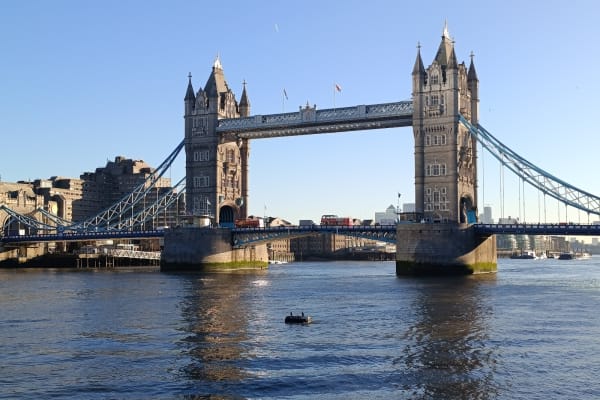
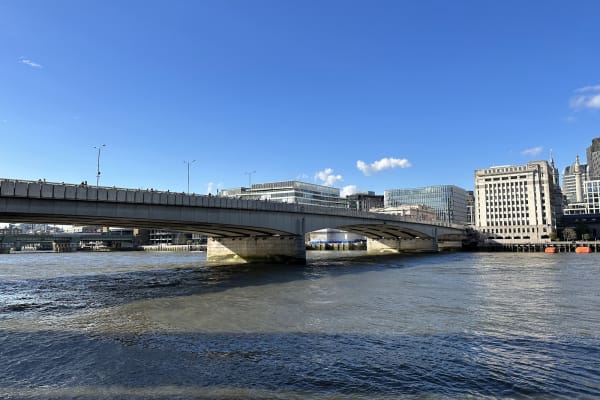
Mornings naturally lend themselves to the Thames. Walking by the river is one of the most distinctly London ways to begin the day, taking in the light, the wind and the relationship between bridges, embankments and civic architecture. From Ten Trinity Square, that experience carries added resonance because the district continually recalls the river’s role in London’s political and commercial history.
The city is then best understood in sequences. London rarely yields itself in a single glance; it unfolds through transitions—from major landmarks to quieter streets, from formal avenues to hidden gardens, from office towers to cultural institutions. Staying in the City allows guests to experience those shifts directly.
This is also a city of punctuation: coffee between appointments, a pause in a historic site, a stretch of time by the river, dinner in a composed setting. London excels at alternating movement and retreat, and that is precisely what an address like Ten Trinity Square supports.
The London way of life revealed here is one of depth rather than instant seduction. A well-situated hotel helps guests enter that rhythm, making the city feel more legible, more fluid and ultimately more rewarding.
Book with MyConciergeHotel
Booking Four Seasons Hotel London at Ten Trinity Square through MyConciergeHotel means approaching the property as a stay to be shaped, rather than a simple transaction. In luxury hospitality, the difference rarely lies in availability alone; it also depends on how well the stay is understood in advance and how accurately room choice, timing and special requests are aligned with the traveller’s priorities.
This matters particularly at Ten Trinity Square because the hotel can suit very different profiles. A business stay may call for efficiency, calm and well-managed logistics. A couple’s city break may place greater value on atmosphere, views, dining and time set aside for wellness or riverside exploration. In both cases, booking benefits from thoughtful preparation.
MyConciergeHotel allows the reservation to be framed around those priorities. The goal is not to overload the stay with extras, but to identify what matters most: a refined and central base for discovering London, an effective address for the City, a characterful historic setting, or a more residential-feeling urban retreat.
Booking ahead remains sensible in London, where demand can shift with business calendars, city events and peak travel periods. Anticipation usually means more choice and a better-calibrated stay.
Ultimately, reserving through MyConciergeHotel means making a more informed and more coherent choice—particularly for a hotel whose appeal lies in a strong sense of place and identity.