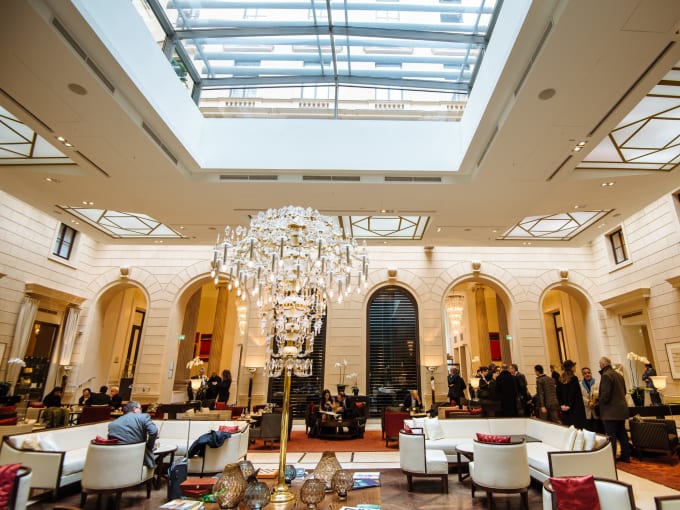
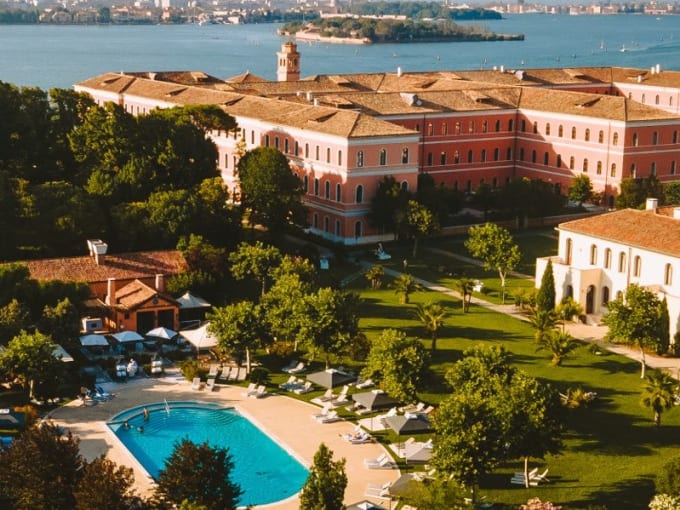
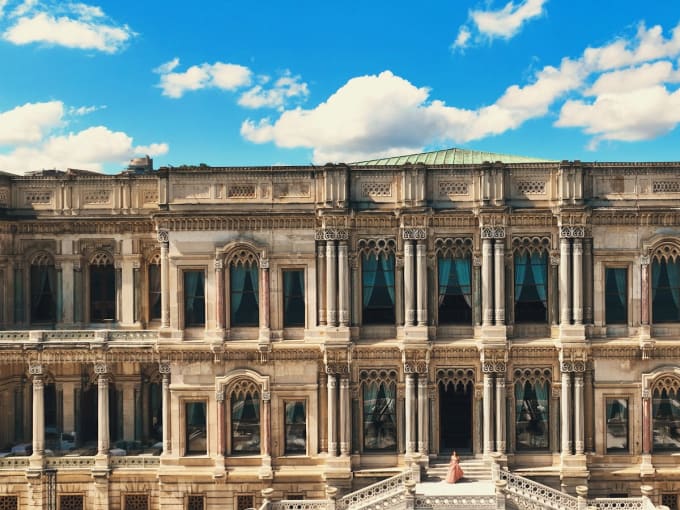
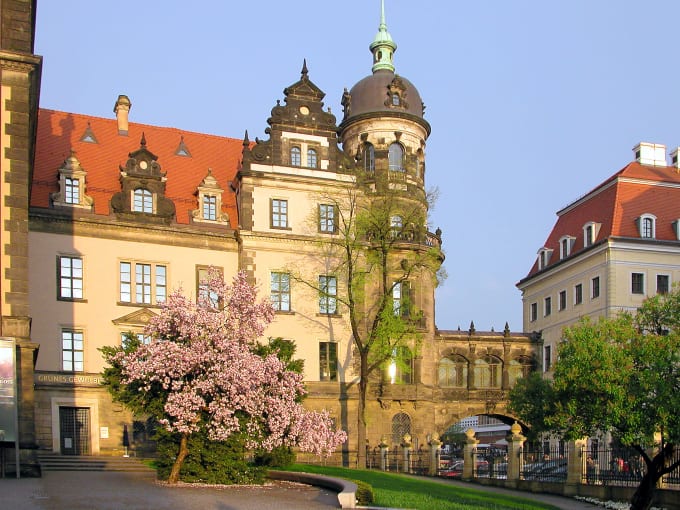
Talking about Kempinski is to speak of a house established in 1897. It is a rare landmark in contemporary luxury hospitality. Few groups can still claim such European continuity. Even fewer can align such identifiable addresses. Berlin with the Adlon. Istanbul with the Çırağan. St. Moritz with the Grand Hotel des Bains. Prague with Hybernska. Riga and Vilnius for Baltic elegance. Shanghai for its Asian roots. Djibouti, Havana, or Cayo Guillermo for an expanded map. This ranking answers a simple question. What remains today of the Kempinski idea in international luxury? Our answer can be summed up in one word: consistency. A certain way of combining heritage, European codes, and very clear service. It is also worth noting that the brand appeals equally to premium business travellers, Gulf families, and European regulars.
At MyConciergeHotel, we do not rank a brand solely on its reputation. We first look at the solidity of each address. The building matters. The urban or seaside context also counts. A historic palace in the heart of a capital tells a different story than an island resort. We then observe the clarity of positioning. Some houses play the classic grand hotel. Others favour family resorts, spas, or business stays. We take into account tangible markers: location, heritage, service reputation, quality of common spaces, and coherence of experience. Concierge services are part of the equation. At Kempinski, the Lady in Red signature remains a distinctive code. My advice: read this Top as a map of uses, not as an abstract verdict.
The Kempinski panorama is broader than one might often imagine from Europe. Of course, there are the prestigious addresses. Hotel Adlon Kempinski in Berlin remains a diplomatic and social landmark. The Çırağan Palace Kempinski Istanbul holds a unique position on the Bosphorus. Grand Hotel des Bains Kempinski St. Moritz anchors the brand in the alpine universe. But the collection also unfolds in very different formats. Prague, Riga, and Vilnius appeal to lovers of human-scale capitals. Shanghai highlights the strength of the business segment. Frutt Mountain Resort, Managed by Kempinski, demonstrates the group’s interest in contemporary mountain experiences. Djibouti Palace Kempinski, Gran Hotel Manzana Kempinski La Habana, and Cayo Guillermo Resort Kempinski Cuba illustrate the expansion into less expected destinations.
For 2025 and 2026, several trends reinforce the interest in a ranking dedicated to Kempinski. First, the return of landmark hotels. Premium travellers are less in search of novelty for its own sake. They are returning to clear, storied houses with stable service protocols. Next, demand is split between two poles. The grand urban heritage on one side. The resort with spa, beach, or mountain on the other. Kempinski knows how to speak to both. We also observe a clearer expectation for family suites, intergenerational stays, and very concrete concierge services: transfers, reservations, pace of stay, confidentiality. Finally, gastronomy remains important, but it no longer eclipses the whole. What our advisors mainly observe is the search for a complete experience. The hotel must function seamlessly from the lobby to departure.
There exists at Kempinski an idea of luxury that resonates well with a French and European clientele. Not a demonstrative luxury. Not a luxury reduced to design or social scene. Rather, a culture of the grand hotel, with its rituals, volumes, visible teams, and attention to detail. This philosophy takes various forms depending on the country. In Berlin, it is expressed through the weight of the address. In Istanbul, through the relationship to the palace and the shore. In St. Moritz, through alpine seasonality. In Prague or Vilnius, through the dialogue with the historic city. The spa often plays a structural role. Dining does too. But the essence remains the assembly: room, welcome, circulation, concierge, sense of timing. It is often here that loyalty is forged, much more than in the impact of an announcement.
This ranking should therefore be read without a reflex for superlatives. Number one does not negate the interest of number fifteen. A grand capital hotel does not have the same mission as a seaside resort. A well-established business address may suit better than an iconic palace, depending on the journey. We have prioritised coherence between the place, the brand, and actual use. We have also looked at a hotel’s ability to embody the Kempinski DNA clearly. This includes service, local anchoring, and the memory of the place. It excludes fleeting trends. Our role as concierges is simple: to help you make the right choice. Not to impress you with ready-made formulas. Each house in this Top has its reason for being there. Each speaks to a specific type of stay.
In the following pages, you will find our interpretation of the Top 30 Kempinski. Some addresses stand out by their status. Others by their relevance. Together, they outline a geography of exported European luxury, then reinterpreted across the globe.