In the realm of luxury hospitality, few brands have crafted an identity as recognisable as Anantara. The name derives from Sanskrit, evoking the notion of continuity. In practice, this translates into stays designed as immersive experiences. The address is not merely a place to sleep; it becomes a gateway to a landscape, a culture, a local rhythm. This explains Anantara's unique position among travellers seeking structured escapism. The group appeals to both honeymooners and affluent families, as well as to loyal patrons of major international brands who desire more context and less uniformity. From the Omani mountains and the mangroves of Abu Dhabi to the islands of the Maldives and Thai beach resorts, the promise remains consistent. It is founded on experience, destination, and a particular vision of immersive resorts.
In establishing this editorial ranking, we do not aim to designate an absolute winner. We evaluate hotels that cater to different needs. At MyConciergeHotel, our advisors consider several criteria. Firstly, the strength of the destination. A resort takes on a different dimension when it truly engages with its surroundings. Secondly, the clarity of the experience offered. Spa services, bespoke excursions, private villas, family programmes, access to nature, or cultural dimensions. We also assess brand consistency, the perceived quality of spaces, local grounding, and the ability to create a memorable stay without overplaying the theatrics. Finally, we take into account the target clientele. A honeymoon in the Maldives does not have the same expectations as a long weekend in Amsterdam or a wellness retreat in Abu Dhabi.
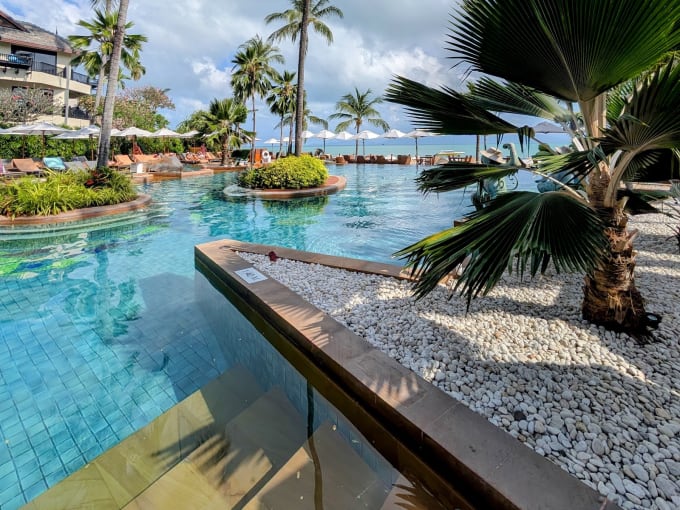
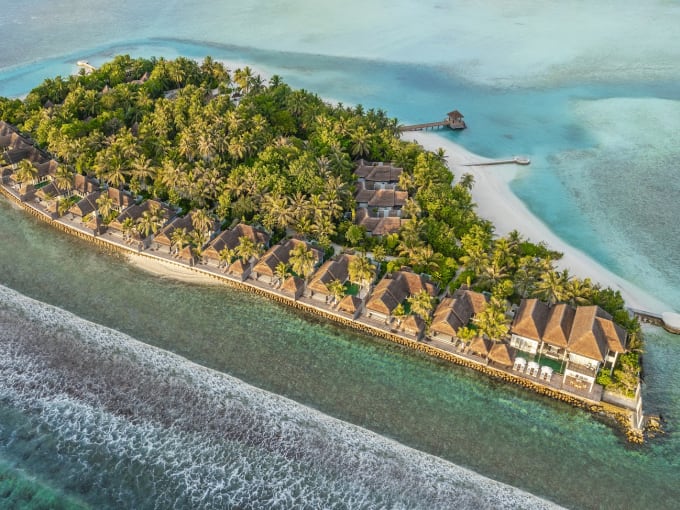
The Anantara panorama is broader than one might often imagine. The brand originated in Asia in the minds of many travellers. However, its portfolio now tells a more expansive geographical story. In Oman, Anantara Al Jabal Al Akhdar Resort is set against a spectacular mountain backdrop, engaging with another regional narrative, that of the desert, often associated with the Anantara ethos. In the Maldives, Anantara Kihavah Maldives Villas embodies the most exclusive island experience, with the allure of a private island attracting exceptional journeys. In Thailand, Anantara Chiang Mai Resort, Anantara Hua Hin Resort, Anantara Koh Samui Resort, Anantara Layan Phuket Resort, and Anantara Mai Khao Phuket Villas showcase various facets of beach or urban stays. Elsewhere, Anantara Golden Triangle Elephant Camp & Resort, Anantara Hoi An Resort, Anantara Ho Tram Resort, Anantara Desaru Coast Resort, Anantara Bazaruto Island Resort, and Anantara Eastern Mangroves Hotel & Spa further broaden the spectrum.
For 2025 and 2026, three strong trends explain the growing interest in these hotels. The first is the quest for rooted experiences. Travellers want to understand where they are. They wish to venture beyond the resort or find the territory reflected within it. The second is the rise of intergenerational luxury. Large suites, villas, and residences appeal to families travelling for extended periods. They seek space, flexible activities, and seamless logistics. The third trend concerns celebratory travel. Honeymoons, anniversaries, vow renewals, and couples' trips drive demand. In this context, formats like Dining by Design, spa treatments, dinners in natural settings, or private excursions remain highly relevant. Our advisors also observe a resurgence of multi-stop stays. Oman, Thailand, or the Emirates lend themselves well to coherent combinations.
What distinguishes Anantara is a nuanced interpretation of hospitality. It is neither strictly palatial, nor purely design-oriented, nor solely beach-focused. It relies on a form of gentle staging. Luxury is not reduced to the size of a suite or the number of restaurants; it is about how one inhabits a place. A breakfast by a river in Chiang Mai. An arrival amidst the contours of Al Jabal Al Akhdar. A more contemplative view of the coastline at Desaru or Kalutara. An urban interlude in Amsterdam, with Anantara Grand Hotel Krasnapolsky Amsterdam, for those who follow the brand beyond its Asian roots. My advice is simple. One should read Anantara as a collection of situated experiences. The common thread is not the décor; it is the ability to make the destination more accessible, more comfortable, and better narrated.
It is important to approach this ranking without a reflex of pure competition. A number one does not render other addresses secondary. Each hotel responds to a specific imagination. Anantara Kihavah Maldives Villas will suit those seeking island isolation and the rhythm of a hotel island. Anantara Golden Triangle Elephant Camp & Resort will appeal more to travellers drawn to nature and terrestrial experiences. Anantara Eastern Mangroves Hotel & Spa may attract a regional clientele or short stays, while Anantara Bazaruto Island Resort leans more towards distant travel. Similarly, a couple will not interpret the selection in the same way as a family with teenagers. A regular visitor to Thailand will have different criteria than a traveller discovering Oman. It is worth noting that this top ranks solid propositions, but it primarily serves to guide the right traveller to the right setting.
The remainder of this ranking delves into detail. You will find the Anantara addresses that we consider most compelling today. We have selected them for their coherence, their escapist appeal, and their ability to transform a stay into a complete experience.