History & heritage
In a city that evolves quickly, Anantara Siam Bangkok Hotel preserves a rare sense of continuity. Its identity rests on a clear ambition: to offer, in the heart of the Thai capital, an urban address that reflects both Bangkok’s energy and the enduring elegance of Thai-inspired hospitality. Here, luxury is not built on empty display or novelty for its own sake. It is expressed through the quality of welcome, the care given to detail, and the balance between interiors, service and the rhythm of a stay.
The hotel belongs to the Anantara universe, a brand known for experiences rooted in place and attentive to local culture. In Bangkok, that philosophy is especially legible. The property embraces a design language inspired by Thai culture, visible in materials, motifs, colour palettes and the overall atmosphere of its public spaces. The result is a distinctly Thai sensibility without overt theatricality: woodwork, artisanal touches, floral arrangements, elegant lines and the sense of staging long associated with grand Asian hotels.
What sets Anantara Siam apart in Bangkok’s hotel landscape is its ability to maintain warmth and calm within a dense metropolitan setting. Many city addresses favour dramatic height or sharply contemporary minimalism. Here, the experience is conceived more as a form of respite. Lounges, reception areas, circulation spaces and places for relaxation form a coherent whole, suggesting the confidence of an established international hotel tradition in the capital.
This idea of heritage is not only aesthetic. It is also visible in the approach to service. The personalised attention highlighted among the hotel’s strengths belongs to a culture of hospitality in which staff do more than deliver a service: they accompany the stay, anticipate needs, ease logistics and help guests navigate the city. For first-time visitors to Bangkok as well as seasoned travellers familiar with major Asian hotels, that quality of presence makes a tangible difference.
Anantara Siam therefore appeals to several kinds of guests without losing its identity. Couples find an elegant base for a refined city break. Business travellers value its central location and operational ease. Families benefit from a setting calm enough to make Bangkok feel more approachable. When well handled, such versatility is often the mark of a mature hotel.
Rather than serving merely as a place to stay, the property stands as a reference point for travellers seeking a particular vision of Bangkok: intense, polished, layered, yet welcoming when approached from a hotel that understands its codes. It is in this alliance of local inspiration, timeless elegance and attentive service that the heritage of Anantara Siam Bangkok Hotel is best understood.
The Establishment
Staying at the Anantara Siam Bangkok Hotel means choosing a central anchor point in a vast, vibrant, and sometimes bewildering metropolis. The hotel is situated in the heart of Bangkok, close to the city's iconic landmarks. This prime location shapes the experience, allowing for a seamless blend of appointments, sightseeing, shopping, cultural discoveries, and moments of tranquillity without spending the day in transit.
Bangkok is a city of contrasts, characterised by major thoroughfares, business districts, shopping centres, sanctuaries, markets, and more hidden alleys. In this context, a centrally located hotel serves as an interface. The Anantara Siam enables guests to experience the city without being overwhelmed by it. One can set off early, return in the afternoon for a break, and then head out for dinner or to explore another neighbourhood in the evening. This flexibility is invaluable in a capital where heat, humidity, and traffic influence the rhythm of daily life.
The establishment offers a counterpoint to the urban intensity. Its warm atmosphere is reflected in the light, spaciousness, floral arrangements, materials, and the transitions between indoor and outdoor spaces. The Anantara Siam embodies this tradition of venues that create a bubble while remaining connected to the city.
The design, inspired by Thai culture, enhances this impression. It adds depth to the stay and reminds the traveller that they are in Bangkok. The decorative elements, textures, tones, and overall ambiance contribute to a more nuanced appreciation of the place.
This centrality caters to a diverse range of travellers. For leisure stays, it facilitates access to key attractions. For business trips, it offers efficiency and clarity. For first-time visitors to Bangkok, it provides reassurance. For regular guests, it allows for great freedom of spontaneity.
Thus, the Anantara Siam offers a unique way to inhabit Bangkok. It serves as a grand urban hotel that embraces its role as a refuge, a lounge, a meeting point, and a gateway to the city. Between the external hustle and the calm of the interior spaces, the stay adopts a more controlled pace.
Rooms and Suites
In a large urban hotel, the room is never merely a functional space. In Bangkok, it transforms into an essential retreat. Here, one finds freshness, a relative silence, and a sense of order after the city's intensity.
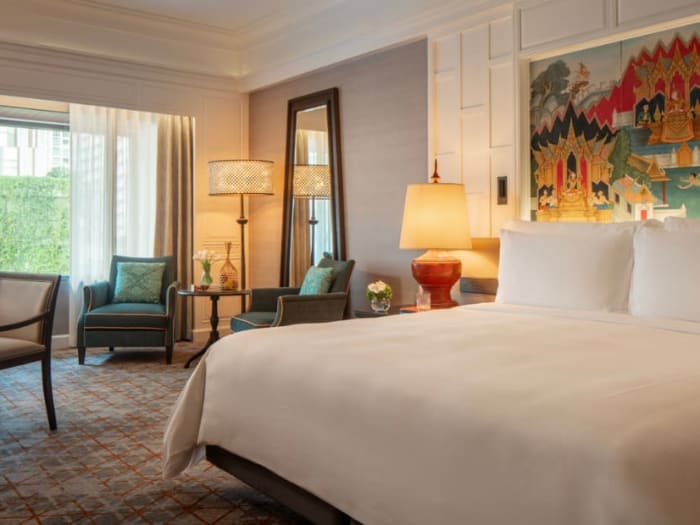
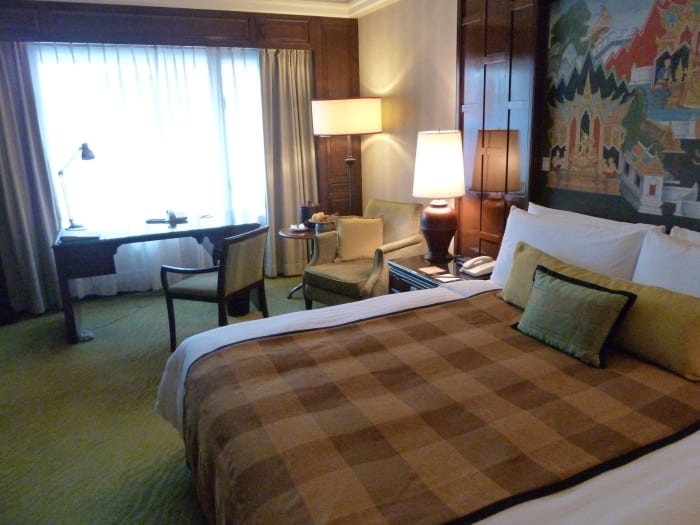
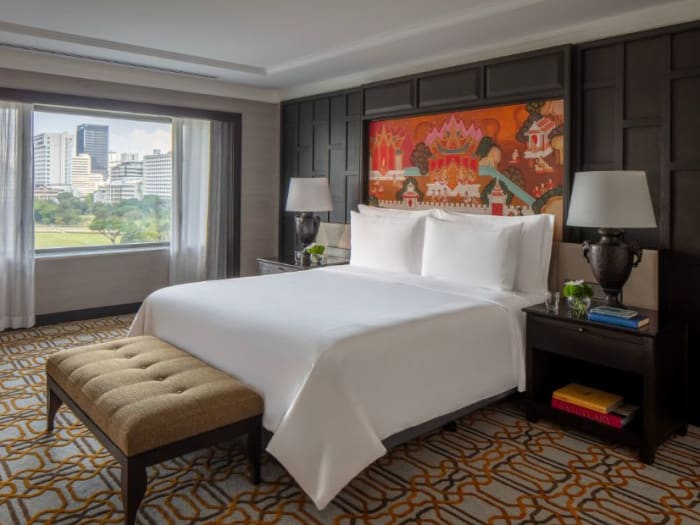
At the Anantara Siam Bangkok Hotel, this aspect appears central. The hotel's positioning, its warm atmosphere, and its design inspired by Thai culture suggest rooms and suites that extend this identity. They embody an elegant line, comfortable and coherent with the common areas.
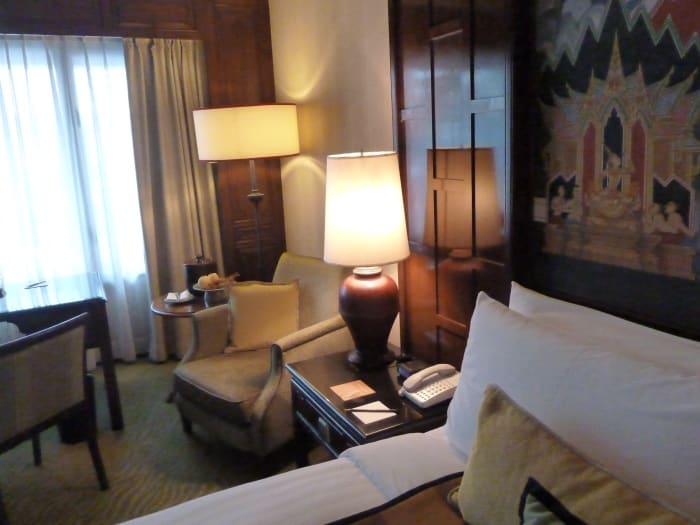
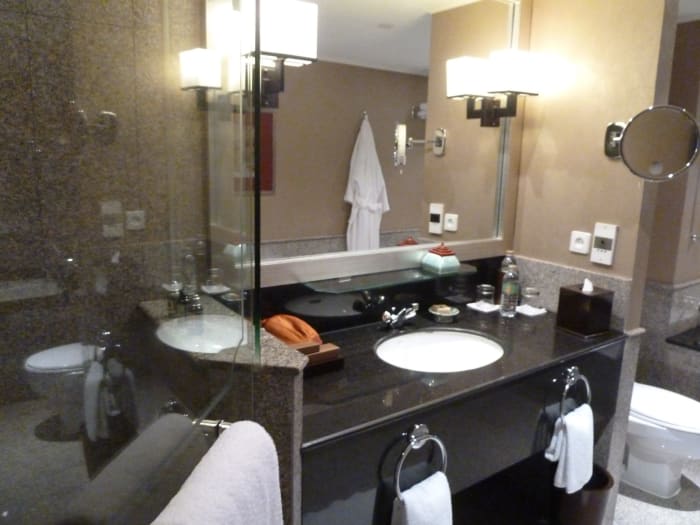
In an establishment of this calibre, the quality of rest remains paramount. In Bangkok, luxury often begins here. Thoughtful bedding, well-controlled lighting, balanced volumes, and a bathroom designed as a transition between the city and oneself.
Even during a business trip, this quality of recovery matters. For a long weekend, it helps maintain a steady rhythm. For a longer stay, it establishes a form of lasting comfort.
The style of the accommodations also plays a significant role. In a venue inspired by Thailand, one expects a measured presence of patterns, wood, textiles, and decorative details. The overall effect should impart personality without overwhelming the space.
The best Thai hotel design strikes a balance with ornamentation. Enough to root the room in a local imagination, yet never to compromise visual serenity. This restraint contributes to an impression of lasting refinement.
Suites generally cater to varied uses. Some are suitable for romantic stays, offering more space and greater intimacy. Others appeal to business travellers, thanks to a lounge or a work area. For families, the appeal often lies in a more fluid organisation.
The in-room experience also depends on the quality of service. The hotel offers daily room service as well as a turndown service. A well-maintained room, discreetly tidied and prepared for the night, enhances the feeling of an accompanied stay.
Finally, the rooms and suites at Anantara Siam find their true meaning within the context of Bangkok. They are not merely places to sleep. They become the backdrop for a more controlled urban stay. One begins the day here, returns to catch their breath, and prepares for dinner or a meeting. In such a dense city, this refuge function is almost as important as the location.
Dining
In Bangkok, food is an essential part of travel. The city is one of Asia’s great culinary capitals, where street food, contemporary restaurants, regional Thai traditions and Chinese, Japanese, Indian or European influences coexist with ease. Meals stretch from very early breakfasts to late suppers. In that context, the dining offer of a five-star hotel cannot be incidental. It must combine reliable execution, genuine convenience and a clear enough identity not to feel like mere support catering.
Even without detailing every venue within the property, Anantara Siam Bangkok Hotel can be understood as a house where dining forms part of the overall experience. Its classic refinement and local inspiration suggest an offer designed to accompany the different moments of a stay: a sustaining breakfast before a day in the city, a lighter lunch between appointments, an elegant pause, or a dinner that allows guests to remain on site without sacrificing atmosphere.
Breakfast plays a particular role in a hotel of this category. In Bangkok, where days often start early to avoid the hottest hours or to fit in a full programme, it needs to be generous, efficient and pleasurable. Service, freshness, the balance between international options and local references, the quality of coffee, fruit, hot dishes or pastries matter as much as the setting. A grand hotel is often recognised by its ability to turn this daily moment into a smooth ritual rather than a formality.
The rest of the day calls for different uses. Some travellers want to explore Bangkok’s wider food scene and use the hotel as a point of departure and return. Others, after an intense day, prefer to dine in-house. In both cases, the quality of internal dining remains important. It either frames the day well or provides a credible alternative to going out. In a hotel known for its warm atmosphere, dining should extend that sense of comfort and attention.
The Thai-inspired design adds another layer to the culinary experience. Eating in a place with real aesthetic coherence changes the perception of the meal. Light, materials, table presentation and the relationship between room and service all help create a setting. In the best Asian hotels, gastronomy is not isolated from the rest of the experience; it forms part of a broader staging of hospitality.
Ultimately, dining in a hotel such as Anantara Siam also fulfils a practical purpose: simplifying the traveller’s day without diminishing the stay. An elegant dinner after a long-haul flight, a discreet lunch between meetings, a light bite before heading back out, or a calm moment over tea or a drink at day’s end all add texture to the journey. In Bangkok, where the external offer is immense, a hotel need not compete through excess. It should offer precision, consistency and a sense of occasion. That is often what guests remember most clearly.
Spa & Wellness
In a city as intense as Bangkok, wellness is not a decorative extra. It is an essential component of the stay. Between the tropical climate, the time zone differences, and the capital's pace, the body craves moments of recovery. At the Anantara Siam Bangkok Hotel, this dimension naturally integrates into the guest experience. The venue is central, refined, and designed to provide a genuine respite.
Wellness in a hotel of this standard goes beyond a treatment menu. It begins with an atmosphere. The warm ambiance suggests a setting where one can slow down and find a different rhythm. In major Asian establishments, this sensation relies on tangible elements. The quality of the welcome, the calm of the spaces, the light, the materials, and the rhythm of interactions all contribute. A successful spa simply extends the hospitality.
Bangkok has a deep relationship with the traditions of care and massage. A hotel like Anantara Siam is part of this Thai wellness heritage. It is renowned for its understanding of gestures, pressure, stretching, and relaxation. For the traveller, this allows for a rebalancing of the stay. To release tension after a long-haul flight, recover after a day of walking, or indulge in a moment of calm.
Urban wellness also caters to different needs. Couples find time to share. Business travellers restore their energy between obligations. Families appreciate the opportunity for adults to enjoy a moment of pause in a comfortable setting. In all cases, the value of a wellness space lies in its ability to enhance the quality of time.
Beyond treatments, fitness often encompasses other dimensions. Maintaining a routine, paying attention to sleep, hydration, breathing, and returning to calm after urban stimulation. Anantara Siam, through its level of service and positioning, aims for this form of balance. In the city, contemporary luxury also involves helping the traveller stay well.
This is one of the most valuable assets of a venue like this. Bangkok can be exhilarating, but it can also quickly become exhausting. Returning to a hotel that offers a genuine opportunity for recovery transforms the perception of the destination. The stay becomes smoother, more sustainable, more enjoyable. Wellness is no longer just another activity; it becomes the discreet condition for all others.
Concierge & Services
The true measure of a great urban hotel often lies in the quality of its services. In Bangkok, this reality is particularly pronounced.
The city is vast, dense, and ever-moving. Traffic, travel times, and the organisation of daily activities demand precise logistics. In this context, well-thought-out service becomes a vital tool for fluidity.
At the Anantara Siam Bangkok Hotel, the 24-hour concierge and continuously open reception form an essential foundation. For an international clientele, this availability simplifies late arrivals, early departures, and changes in plans.
Personalised service plays a central role here. It can involve arranging transportation, making reservations, providing last-minute recommendations, or managing specific needs. When executed well, it creates a natural continuity between the hotel and the city.
More discreet services are equally important. Daily housekeeping, turndown service, luggage storage, laundry, and wake-up calls create an effective framework. Their precision lightens the stay and minimises friction.
The presence of multilingual staff further enhances this fluidity. It facilitates communication, clarifies requests, and allows for adjustments to plans without ambiguity.
Finally, the quality of great service is measured by its adaptability. Couples, families, business travellers, or transit visitors do not have the same expectations. The Anantara Siam Bangkok Hotel accommodates this diversity with ease.
The Bangkok art of living
Bangkok resists easy summary. The city is at once monumental and intimate, spiritual and commercial, frenetic and contemplative. It reveals itself through major landmarks, modern districts, markets, temples, shopping centres, restaurants, hidden gardens, canals, rooftops and the simple observation of daily life. Staying at Anantara Siam Bangkok Hotel makes it possible to approach this plurality with both comfort and method. Thanks to its central location and calming atmosphere, the hotel provides an ideal framework for discovering the capital without becoming overwhelmed by it.
For a first stay, the key is often finding the right rhythm. Bangkok rewards travellers who alternate intensity with pauses. One sets out early to enjoy softer light and a city that is still relatively calm; the hottest hours are better reserved for lunch, indoor visits or a return to the hotel; then one heads out again in the late afternoon as the city changes character. From a well-located address, this choreography becomes far easier. The hotel acts as a pivot between exploration and recovery.
The Bangkok art of living also lies in the diversity of experiences possible within a single day. One might begin with a cultural site or shrine, continue with a more contemporary sequence in a shopping district, pause for something to eat, then end with dinner or an evening stroll in a different atmosphere. This coexistence of registers is one of the city’s great charms. Yet it requires a stable, elegant and welcoming place to return to. Anantara Siam serves exactly that purpose.
The season mentioned in the short description, between November and February, is often considered especially pleasant for discovering Bangkok. Temperatures are generally more manageable, which encourages walking and longer days outdoors. But whatever the season, the real key remains the organisation of time. A hotel with attentive service and a good understanding of the city helps guests adjust plans, avoid certain constraints and favour experiences best suited to the moment.
Bangkok is also lived through details: a gracious welcome, a floral arrangement, tea taken in calm surroundings, the contrast between a busy avenue and a quiet interior, the sensation of moving between worlds in a matter of minutes. Great Thai hotels often capture this sensory dimension. They do not merely accommodate; they translate a certain way of living the city. At Anantara Siam, the Thai-inspired design and warm atmosphere contribute to that more nuanced reading of Bangkok.
Ultimately, the art of living in the Thai capital is not about seeing everything, but about composing one’s stay well. Choosing the right moments, accepting contrasts, allowing for pauses, alternating discovery with comfort. A hotel such as Anantara Siam makes that composition feel more natural. It allows guests to enjoy Bangkok at its most appealing: its energy, its cultural richness, its hospitality and its ability to offer, amid constant movement, genuine moments of urban grace.
Booking via MyConciergeHotel
Booking the Anantara Siam Bangkok Hotel through MyConciergeHotel means choosing a venue that aligns with your stay. In Bangkok, the neighbourhood is as important as the dates.
A central, elegant hotel with a warm atmosphere and personalised service meets specific expectations. Fluidity, comfort, and easy access to the city.
The Anantara Siam stands out for its location in the heart of Bangkok, its proximity to iconic sites, its design inspired by Thai culture, and its sense of hospitality.
For the traveller, it is not just about booking a room. It is about choosing a way to experience the destination.
Not all stays in Bangkok are the same. A couple, a business traveller, a family, or a seasoned visitor to Southeast Asia will have different expectations.
The value of guidance lies in this understanding of needs. The rhythm of the stay, the importance of location, the expected level of service, and necessary transfers.
This anticipation is particularly useful in Bangkok. After a long-haul flight, reaching a well-identified address changes the arrival experience.
24-hour reception, available concierge services, and a team accustomed to international clientele provide genuine continuity.
The goal is not merely to secure a room. It is to choose a venue suited to the intention of the stay.
In the case of the Anantara Siam Bangkok Hotel, this means opting for a large urban hotel, centrally located and inspired by Thai culture.