History & heritage
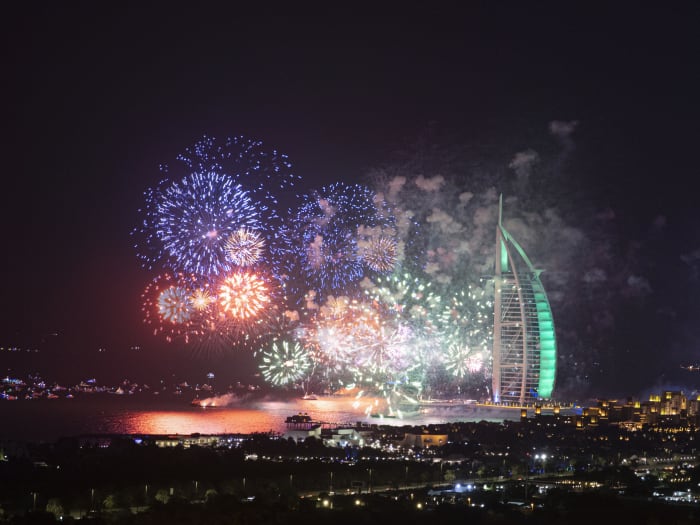
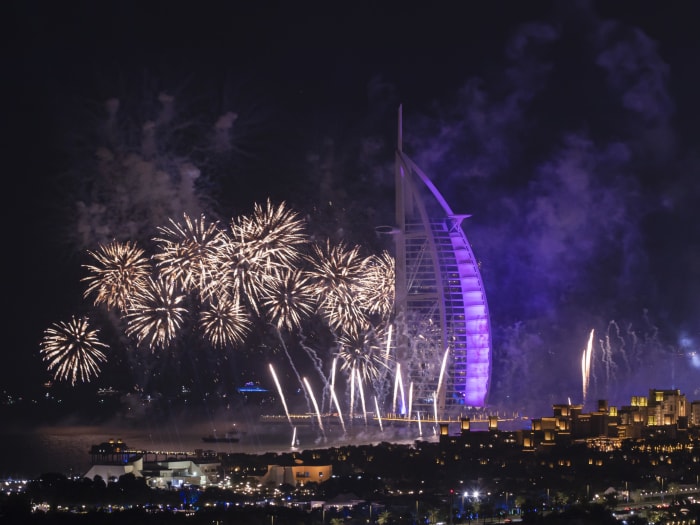
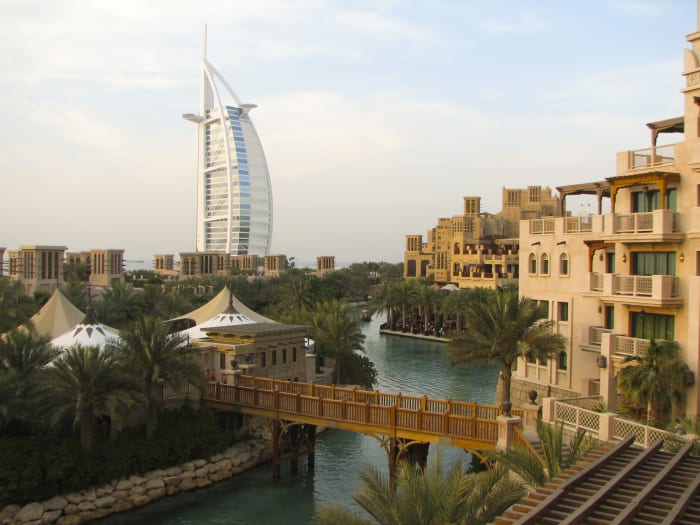
Few contemporary hotels possess such an instantly recognisable presence as Burj Al Arab Jumeirah. In Dubai, its sail-shaped profile has become more than a striking silhouette: it represents a defining moment in the emirate’s story, when architecture and hospitality were used to project a clear international identity. Set above the Arabian Gulf on its own man-made island, linked to the shore by a private bridge, the hotel belongs to that rare category of buildings designed to be seen from afar as much as experienced from within.
Its significance also lies in what it says about Dubai itself: a city that transformed its coastline into a global showcase within a matter of decades. Burj Al Arab Jumeirah forms part of that ambition, with an architectural language so legible that it helped shape the destination’s image for travellers around the world. Where some grand hotels draw on aristocratic centuries, this address belongs to a different lineage: a late-modern vision of luxury, expressive in form yet grounded in classical ideas of service, privacy and comfort.
The hotel’s heritage is therefore not only architectural. It also lies in the way it helped define a particular imagination of travel in the Gulf: theatrical arrival, open sea views, generous proportions, ceremonial hospitality and the promise of a stay conceived as a complete experience. This symbolic dimension explains why the property is so often mentioned among the world’s most famous hotels. Its reputation is not merely a matter of publicity; it rests on a rare coherence between image, setting and the level of service expected.
Over time, Burj Al Arab Jumeirah has moved beyond the category of hotel to become a cultural marker of Dubai. It appeals to travellers who wish to stay in an iconic address, but also to those curious about how the city expresses its relationship with luxury, the sea and hospitality. In that sense, staying here means inhabiting a symbol as much as enjoying a seafront palace. That dual reading — contemporary landmark and highly polished house of welcome — remains at the heart of its enduring legacy.
The property
First impressions at Burj Al Arab Jumeirah are inseparable from its setting. Located in Jumeirah and facing the Arabian Gulf, the hotel enjoys a privileged relationship with the sea, the light and the horizon. This position gives it a singular character within Dubai: one does not simply stay in a grand hotel, but in an address deliberately set apart from the city’s intensity while remaining connected to beaches, elegant residential districts and major attractions. The sense of arrival matters greatly. Crossing to the private island creates a clear transition between the city and the hotel’s own world, as though the stay begins before check-in.
Outside, the sail-shaped architecture offers an immediate visual statement. It speaks directly to its maritime surroundings. Inside, that theatrical quality continues through generous volumes, emphatic verticality and decorative staging designed to impress. Burj Al Arab Jumeirah does not pursue understated minimalism; it embraces scale, perspective and ornament. For many travellers, that visual generosity is part of the appeal: the feeling of entering a setting conceived to celebrate travel as an event.
The address is particularly well suited to guests who want to combine a seaside stay with straightforward access to Dubai. Jumeirah remains one of the city’s most desirable areas for its coastline, beaches and more open atmosphere. From the hotel, it is easy to imagine a day moving between the sea, shopping, contemporary culture and dinner in town, before returning to a property oriented towards the water. That balance between retreat and accessibility is one of the hotel’s key strengths.
Burj Al Arab Jumeirah suits both couples seeking a memorable escape and business travellers wanting an instantly recognisable address with round-the-clock service. Its strong architecture, Jumeirah location and Gulf views form a coherent whole: a hotel conceived as a destination in itself, yet also an excellent base from which to experience Dubai.
Rooms and suites
At Burj Al Arab Jumeirah, the guest accommodation is best understood through the idea of the suite in its fullest sense: space, separation of functions, privacy and a carefully staged relationship with the view. In a property of this kind, accommodation is not conceived merely as somewhere to sleep between activities, but as a self-contained environment in which one can receive, work, withdraw or simply look out over the sea. That sense of scale is entirely in keeping with the hotel’s identity, which favours visible comfort and amplitude over discreet understatement.
The interiors follow the same logic. The décor embraces a certain opulence, with an aesthetic vocabulary that echoes the hotel’s iconic image. Guests encounter not neutral international design, but a confident interpretation of luxury hospitality in Dubai: rich materials, decorative contrast, dramatic lines and a strong sense of overall effect. This approach does not attempt to disappear; it contributes to the memorability of the stay. For travellers drawn to places with a clear visual signature, that coherence between exterior architecture and interior atmosphere is part of the appeal.
Views are central. Looking out over the Arabian Gulf changes the rhythm of time in the suite: light shifts throughout the day, the sea becomes a constant backdrop and the sense of remove from the city deepens the feeling of retreat. At different hours, the experience takes on different tones, from bright morning light over the water to a more cinematic dusk. In a hotel as emblematic as this one, the view is not a simple amenity; it is part of the property’s own dramaturgy.
For couples, the suites provide a setting suited to a memorable escape, especially when the stay is centred on the hotel itself: a long breakfast, in-suite dining, evening turndown and a late return after dinner. For business travellers, the advantage lies in having spaces structured enough to alternate between meetings, calls and rest without any sense of confinement. Daily housekeeping, turndown and butler service all reinforce the impression of continuous care.
Ultimately, the rooms and suites at Burj Al Arab Jumeirah extend the hotel’s founding idea: to offer a stay that never feels ordinary. They are designed for travellers who expect not only high-end comfort from a palace hotel, but also a genuine sense of distinction.
Dining
In a palace hotel of this stature, dining is never a mere practical function; it forms part of the staging of the stay. At Burj Al Arab Jumeirah, it naturally belongs to a wider composition of views, service, rhythm and ceremony. The practical advice to reserve a table upon arrival already says much about the property: dining here is part of the expected experience, just as much as discovering the interiors or spending time facing the Gulf. Travellers who choose the hotel for its iconic character generally want to experience all of its dimensions, and dining is one of the most important.
What typically distinguishes food and beverage in such an address is the attention paid to setting as much as to the plate. In this context, a meal is conceived as a complete sequence: welcome, seating, light, quality of service, pace of dinner, acoustic comfort and relationship to the view. In Dubai, where the culinary scene is especially international, a palace hotel such as Burj Al Arab Jumeirah must meet the expectations of a cosmopolitan clientele accustomed to high standards and attentive to service precision as much as culinary creativity. Without venturing into unverified detail regarding chefs or distinctions, it is fair to say that guests expect palace-level cuisine served in highly distinctive surroundings.
Breakfast also deserves to be considered a moment in its own right. Facing the sea, it takes on an almost residential quality: the luxury of time, morning light over the Gulf and the feeling of beginning the day in a place protected from the city’s momentum. For couples, it is often among the most lasting memories; for business travellers, a valuable transition before a fuller schedule.
In-suite dining and related services complete the experience. In a hotel where suites are central to the identity, the option to dine privately forms part of the lifestyle on offer. It allows the stay to be shaped according to mood: a dressed-up dinner in the restaurant, a discreet late-night meal after arrival, breakfast without leaving the suite, or a light pause between appointments.
In short, dining at Burj Al Arab Jumeirah belongs to a broader vision of hospitality. It does not simply feed; it structures the day, heightens the sense of occasion and extends the architectural and sensory experience of the hotel itself.
Spa & wellness
In a destination such as Dubai, where climate, light and urban tempo can be intense, the wellness dimension of a palace hotel takes on particular importance. At Burj Al Arab Jumeirah, it fits naturally within the promise of retreat, recovery and complete comfort. Even when guests come primarily for the architecture, the views or the prestige of the address, the body eventually sets its own agenda: the need to slow down after a long-haul flight, to adjust to the heat, to create pauses between appointments or simply to turn the stay into a restorative interlude.
Wellness in a property of this calibre extends beyond a treatment menu. It rests on a combination of factors: quality of sleep, calm within the suite, precision of service, smooth circulation through the hotel, relationship to water and the possibility of creating moments free of obligation. Simply staying above the Gulf, in an environment set apart from the city, already contributes to that sense of release. The sea offers a soothing horizon, while the light of Jumeirah gives the stay a slower rhythm, particularly in the morning and late afternoon.
For many travellers, the ideal wellness experience in a palace hotel lies less in accumulating activities than in recovering a sense of inner availability. A treatment booked at the right moment, a period of relaxation after time in the city, recovery before dinner or an unhurried morning can be enough to restore the hedonistic dimension of travel. In that sense, Burj Al Arab Jumeirah provides a setting especially suited to a wellness approach grounded in space, views and continuous service.
Couples often find in it a natural extension of their stay, alternating beach time, dining and relaxation. Business travellers appreciate the possibility of restoring a more balanced rhythm despite a demanding schedule. True luxury here lies in the ability to choose one’s own tempo: to withdraw, recover, prepare or simply do nothing.
Spa and wellness at Burj Al Arab Jumeirah should therefore be seen as an essential part of the stay, even for those who had not planned to devote much time to it. In such a highly staged setting, relaxation is not an optional extra; it is what allows guests to enjoy the property, Dubai’s light and the constant presence of the sea to the fullest.
Concierge & Services
Luxury in hospitality is often measured not by the accumulation of amenities but by the quality of attention given to the traveller. In this regard, the Burj Al Arab Jumeirah adheres to the standards of an international palace: continuous presence, availability, discretion, and seamlessness at every stage of the stay.
Offering a 24-hour concierge, 24-hour reception, daily room service, turndown service, luggage storage, laundry, and butler service, guests are assured of constant support. Nothing disrupts the continuity of the experience.
The concierge plays a central role here. In Dubai, it facilitates a bespoke stay, arranging transfers, securing reservations, or adjusting itineraries. Guests can focus on enjoying their time.
The butler service enhances this residential aspect. It provides an attentive point of contact, capable of anticipating needs and smoothing the experience with discretion. In a suite, this presence transforms the perception of the stay. One does not merely feel accommodated but genuinely attended to.
Daily services are crucial in an establishment of this calibre. A perfectly prepared room, well-timed turndown service, efficient laundry, and user-friendly luggage storage contribute to this tranquil mastery. Refinement is also evident in the absence of friction.
For couples, this allows for a more effortless stay. For business travellers, it offers reliable organisation, adaptable to changing schedules. In both cases, the Burj Al Arab Jumeirah meets a fundamental expectation of the palace segment: a service robust enough to become almost invisible.
The Dubai art of living
Staying at Burj Al Arab Jumeirah also means entering a particular reading of Dubai. From Jumeirah, the city reveals itself through its relationship with the coastline, the light and a way of living that combines modernity, carefully managed comfort and a taste for experiences that are thoughtfully orchestrated. Against the purely vertical image of Dubai — towers and business districts — Jumeirah reminds visitors that the city is also lived at sea level: promenades, beaches, terraces, movement between chosen addresses and a return, at day’s end, to a calmer horizon.
For travellers, this anchoring is valuable. It makes possible a less frenetic stay, alternating urban discovery with moments of release. Dubai excels at this balance between intensity and comfort. One may spend part of the day exploring districts, shopping destinations, cultural venues or restaurants, then return towards Jumeirah and a more residential, seaside atmosphere. Burj Al Arab Jumeirah benefits fully from this dynamic: it offers a spectacular vantage point over the city without requiring guests to remain immersed in its pace at all times.
The local art of living also lies in the quality of welcome and the importance given to service. In Dubai’s high-end hospitality, the experience often rests on fluidity, availability and attention to detail. International travellers find a reassuring clarity here: standards are high, expectations understood and transitions made easy. Added to this is a distinctly Dubai taste for signature places, panoramas and memorable experiences. Burj Al Arab Jumeirah naturally belongs to that culture of the emblematic address.
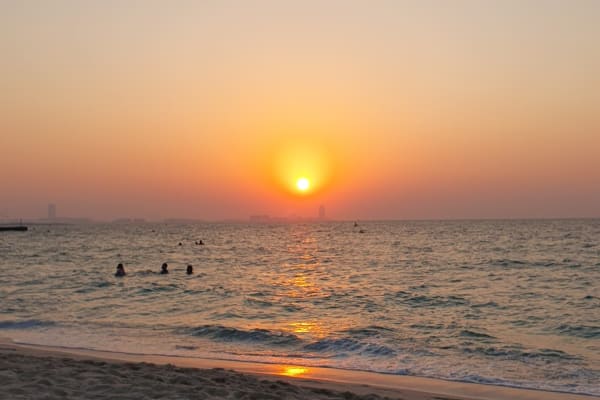
Seasonality matters as well. The milder months are particularly pleasant for enjoying outdoor spaces, the waterfront and movement around Jumeirah. It is often then that one best understands Dubai’s seaside dimension, too often overshadowed by its image as a futuristic metropolis. From the hotel, that aspect becomes obvious: the sea is not a secondary backdrop, but a structuring element of the stay.
Choosing this address therefore means embracing a specific way of experiencing Dubai: more maritime, more contemplative, without giving up the city’s energy. It is a luxury of balance, where the hotel’s dramatic image meets the very concrete realities of comfort, beach access and control over one’s time.
Book with MyConciergeHotel
Booking Burj Al Arab Jumeirah through MyConciergeHotel means approaching the property in the right way: preparing an iconic stay without reducing it to a simple transaction. In a hotel of this nature, much depends on the finer points of organisation. Choosing the right dates, particularly important in Dubai because of the climate, can transform the experience. The milder months make it easier to enjoy beaches, outdoor spaces and time in Jumeirah. Length of stay also deserves thought: a single night may be enough to experience the icon, but two or three nights generally allow guests to settle into the rhythm of the place, enjoy the suite properly, reserve a table and make room for genuine relaxation.
The value of editorial and concierge guidance lies precisely in helping travellers make the right choices. Should the stay be centred on the hotel itself, or should the property serve as a base for discovering Dubai? When should the most sought-after experiences be booked? How should arrival, dinner, rest and any professional obligations be arranged? In such a well-known address, preparation helps ensure that the real value of the stay is not missed. The practical advice to reserve the main restaurant upon arrival is telling: some moments should not be left to chance, especially in a palace hotel where demand may be high.
MyConciergeHotel encourages guests to think in terms of the stay as a whole rather than simply the room. That means considering the full experience: the Jumeirah setting, Gulf views, access to beaches, the relevance of butler service, the importance of a smooth arrival, the appeal of dining on site and the balance between time at the hotel and outings in the city. For couples, this may translate into an anniversary stay or a visually memorable escape. For business travellers, it may mean a more efficient organisation in which comfort and service availability become genuine tools of ease.
Booking this address also means accepting it for what it is: a hotel-symbol, highly recognisable, not seeking anonymity but memorability. That is precisely why it deserves thoughtful preparation. With MyConciergeHotel, the aim is not only to secure a reservation, but to shape the stay so that guests can fully enjoy the architecture, the sea, the service and the Jumeirah way of life.