History & identity
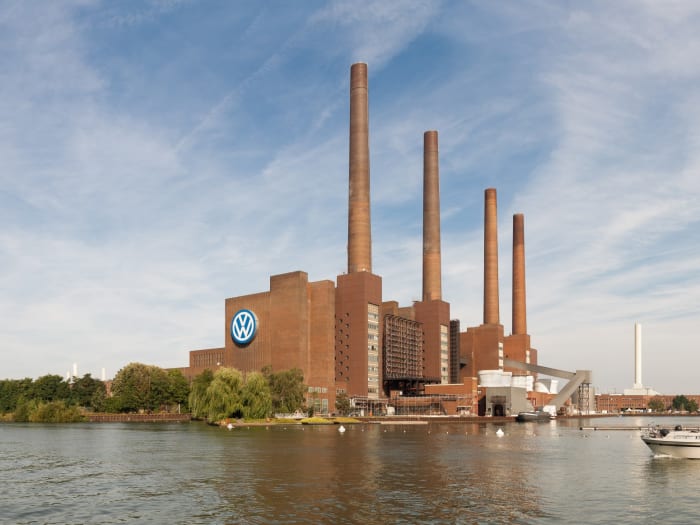
In Wolfsburg, The Ritz-Carlton Wolfsburg holds a distinctive place in the European luxury-hotel landscape. Here, the idea of a grand hotel is not rooted in a classical heritage setting, but in a city shaped by industry, 20th-century urban planning and a distinctly German sense of modernity. That location already says much about the property: rather than an aristocratic retreat looking backwards, it embraces a contemporary reading of luxury, defined by clean lines, measured comfort and service designed for travellers who expect efficiency as much as refinement. In a destination often associated with innovation, design and mobility, the hotel feels entirely coherent.
The Ritz-Carlton identity is central to that positioning. Around the world, the brand suggests a codified form of hospitality, attentive to detail and capable of making a stay feel seamless without tipping into ostentation. In Wolfsburg, that promise takes on a particular tone: the rituals of grand service are tuned to a resolutely contemporary environment. The result is neither cold nor showy. It rests on a subtle balance of precision, calm and genuine welcome. Business travellers find a clear, structured setting conducive to focus; couples, meanwhile, appreciate an atmosphere more intimate than one might expect in a city of this kind.
The hotel also belongs to an era in which luxury is no longer defined solely by the accumulation of visible markers, but by quality of use. The shared spaces, known for being carefully appointed and welcoming, reflect that approach. They suggest a desire to create smooth transitions between the different moments of a stay: arrival, meetings, pause, dinner, return to the room. That continuity is often what separates good hotels from truly accomplished ones. A sense of comfort comes less from spectacle than from a series of correct decisions: intuitive circulation, well-chosen materials, controlled light and the discreet presence of staff.
In the case of The Ritz-Carlton Wolfsburg, the story is therefore not that of an old palace converted into a hotel, but of a property that has found its legitimacy within its setting. It speaks to an international clientele for whom Germany is not limited to historic capitals, but also includes cities of design, research and industry. That position gives it a distinct character: one comes here to stay in a high-end hotel, certainly, but also to experience another geography of travel, more contemporary, more urban, more rooted in the present.
That is precisely what makes it editorially interesting. The Ritz-Carlton Wolfsburg does not attempt to imitate an older model; it offers a current interpretation of luxury hospitality. For the traveller, this translates into a coherent experience in which elegance lies as much in restraint as in comfort, and where service becomes the true thread running through the stay.
The Establishment
Staying at The Ritz-Carlton Wolfsburg means choosing a location that harmonises with its contemporary surroundings. In Wolfsburg, the destination is organised around a city that is both legible and focused on innovation, culture, and leisure. In this context, the hotel serves as a relevant anchor point, combining high-end comfort with convenient access to local attractions and a tranquil atmosphere.
Its location facilitates the rhythm of your stay. For business travellers, it minimises transfers and maintains a certain fluidity between meetings, relaxation, and meals. For couples, it simplifies movement before returning to a more intimate setting in the evening. The hotel thus bridges the external energy with a more controlled internal environment.
Contemporary design and a refined ambiance are among the hallmarks of this establishment. Here, design structures the experience as much as it expresses it. Thoughtfully designed volumes, welcoming communal spaces, and clear circulation enhance the immediate comfort sought by an international clientele. Elegance arises from precise composition rather than ostentatious decor.
The communal areas also contribute to the success of a high-end urban hotel. They extend the experience beyond the room, providing spaces to read, prepare for a meeting, wait for an appointment, enjoy a drink, or simply observe the rhythm of the establishment. This quality offers a welcome breath of fresh air in a modern city.
The establishment caters to two temporalities. One is work, characterised by efficiency, discretion, attentive service, and an environment conducive to concentration. The other is relaxation, marked by comfort, intimacy, and the opportunity to slow down. This versatility makes it a suitable address for mixed stays, balancing professional obligations and personal time.
Thus, the hotel offers a coherent interpretation of Wolfsburg and its usages. Modern without being impersonal, refined without pretension, it adeptly accommodates various travel rhythms.
Rooms and Suites
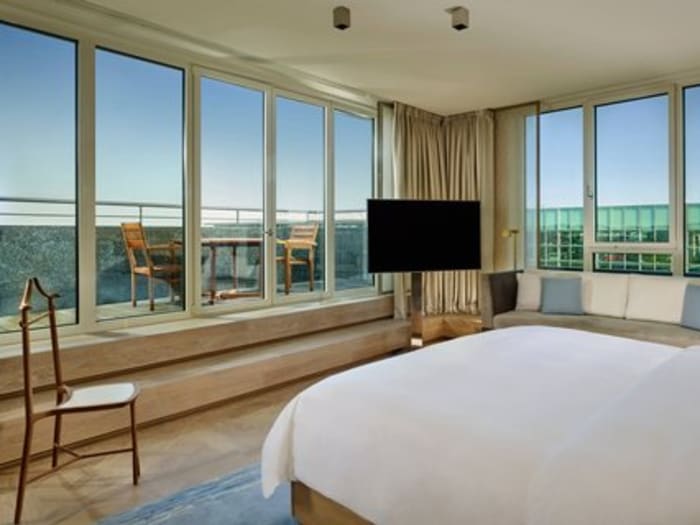
At The Ritz-Carlton Wolfsburg, the room serves as the focal point of the stay, embodying rest, intimacy, functionality, and seamless service.
The spirit of the rooms and suites is rooted in high-end comfort, featuring a contemporary aesthetic and a keen attention to the fluidity of use.
For business travellers, the quality of a room is assessed through tangible elements. Peace, spatial organisation, ease of work, ample storage, and impeccable maintenance are paramount.
Daily housekeeping, turndown service, wake-up calls, laundry, reception, and concierge services available at all hours naturally extend the in-room experience. These simple gestures transform the perception of the stay. Returning to a tidied room, finding a prepared bed, and organising a smooth early departure all contribute to the feeling of a temporary home.
For couples, expectations differ yet remain equally demanding. A successful room must offer a sense of retreat, particularly in a city with a contemporary urban identity. It should filter the outside world and create a stable, gentle, and comprehensible atmosphere.
In such hotels, refinement is less about decorative abundance and more about the quality of proportions, the coherence of materials, light, bed comfort, and an overall sense of order. A suite typically provides more space, a clearer separation of functions, and the sensation of being able to inhabit the space.
Contemporary design suggests rooms where simplicity plays a central role. It highlights tactile quality, ergonomics, clarity, and a sense of calm. Frequent travellers are attuned to this; they recognise hotels that prioritise functionality over mere aesthetics. A well-placed table, comfortable seating, smooth circulation, and a logically designed bathroom are all elements of discreet luxury.
The coherence between the room and the rest of the hotel is equally important. The establishment seeks a continuity of experience. The carefully curated communal spaces and refined atmosphere extend into rooms designed as contemporary sanctuaries. They cater to both the demands of a busy agenda and the desire to unwind.
The rooms and suites at The Ritz-Carlton Wolfsburg are thus envisioned as spaces of precision rather than display. Guests come to sleep well, work effectively, recover properly, and experience a sense of being cared for without feeling overwhelmed.
Dining
In a hotel of this calibre, gastronomy transcends mere dining; it shapes the stay, punctuates the day, and contributes to the identity of the establishment.
At The Ritz-Carlton Wolfsburg, the dining experience extends the contemporary elegance of the venue. It caters to both business trips and romantic getaways.
In the morning, breakfast often sets the tone. Busy travellers expect attentive and seamless service, while others seek a more relaxed pace and pleasant surroundings.
At lunch or dinner, the dining table shifts in purpose. It becomes a meeting place, a hub for conversation, and sometimes a venue for representation.
In Wolfsburg, where international visitors, business executives, and leisure travellers converge, a hotel restaurant must accommodate multiple uses. It should be suitable for a professional meal as well as a more casual evening.
The contemporary design of the hotel suggests a subtle staging. The atmosphere is as important as the food.
The success of a hotel restaurant often hinges on its continuity with the rest of the establishment. Service, pacing, acoustics, lighting, and hospitality all play a role.
In a venue designed for both work and relaxation, dining must remain adaptable. A quick dinner, an evening drink, or a more leisurely meal all require the same flexibility.
In luxury hospitality, gastronomy also relies on trust. The hotel becomes a reference point, simplifying the day and providing a valuable sense of mental comfort.
The dining experience at The Ritz-Carlton Wolfsburg is thus part of a holistic stay. The quality of the moment is as significant as the content of the meal.
Wellness & Time for Oneself
At The Ritz-Carlton Wolfsburg, wellness is less about rhetoric and more about a philosophy of the stay. It accompanies the transition from the external rhythm to a more internal relaxation.
In Wolfsburg, stays are often for business, targeted visits, or brief stops. This ability to carve out genuine recovery time becomes particularly meaningful.
Luxury is not solely defined by amenities. It also lies in how the hotel helps guests manage their time more effectively.
This transition often begins upon returning to the establishment. One leaves the intensity of the day behind to find a quieter and more stable environment.
The carefully curated and welcoming communal spaces contribute to this experience, offering areas for deceleration and pause.
Wellness is also reflected in the quality of service. A reception available at all hours, attentive concierge services, nightly turndown service, and rigorous daily maintenance lighten the stay.
This fluidity promotes recovery. Comfort is not just material; it also becomes psychological.
For couples, the hotel creates a sanctuary. One can slow down, reconnect, and enjoy the tranquillity of the room.
For business travellers, wellness responds to a different logic. It helps preserve energy and maintain a routine without adding complications.
Ultimately, the essence lies in the overall coherence. In a contemporary establishment, self-care is expressed through light, acoustics, sleep quality, and the opportunity to take one's time.
At The Ritz-Carlton Wolfsburg, time for oneself naturally integrates into the stay. In an urban and modern destination, this quality of retreat often matters as much as a comprehensive wellness programme.
Concierge & Services
In luxury hospitality, service is not an add-on; it structures the experience. At The Ritz-Carlton Wolfsburg, this is reflected in a 24-hour concierge, a 24-hour reception, daily housekeeping, turndown service, luggage storage, laundry services, wake-up calls, and multilingual staff.
Taken together, these services create a hospitality founded on availability, continuity, and adaptability to very different types of stays.
The reception and concierge services, accessible at all hours, are particularly significant in Wolfsburg. They cater to late arrivals, early departures, and changes in plans. This extended availability provides flexibility and a genuine sense of security.
The multilingual staff also plays an essential role. They facilitate communication, allow guests to express preferences or constraints, and simplify the organisation of the stay.
Daily housekeeping ensures a consistently pleasant presentation. The turndown service accompanies the transition from day to night, preparing for a more restful return to the room. Laundry services and wake-up calls meet practical needs, especially during professional or extended stays.
Luggage storage completes the offering with immediate utility. It eases arrival and departure times, allowing guests to enjoy the city without material constraints.
Ultimately, The Ritz-Carlton Wolfsburg prioritises the consistency of service over effect. For the traveller, this means one simple thing: to focus on the purpose of the stay while the hotel takes care of the rest.
The Art of Living in Wolfsburg
Wolfsburg does not conform to the classic imaginations of travel in Germany. This is precisely what makes it intriguing.
Here, the art of living is reflected in a contemporary relationship with the city. Architecture, design, mobility, and urban rhythm define its essence.
Staying at The Ritz-Carlton Wolfsburg means entering into this logic. The destination is discovered less through nostalgia and more through the observation of the present.
For visitors, this uniqueness alters the way one inhabits the city. It is approached as a coherent ensemble of uses, facilities, and experiences.
The proximity of local attractions takes on significant meaning here. It allows for a flexible stay, free from distraction, between discoveries, appointments, breaks, and returns to the hotel.
In a modern city, this ease of movement directly contributes to the pleasure of travel. It avoids logistical exhaustion and leaves more room for attentiveness.
Wolfsburg can appeal to a diverse range of travellers. Design and urbanism enthusiasts find stimulating material for observation.
Business travellers appreciate a functional and clear city. Its organisation promotes efficiency.
Couples may seek a different, more contemporary getaway. The comfort of a grand hotel serves as a balancing point.
This plurality of uses aligns well with the positioning of the establishment. It is designed for both work and relaxation.
The local art of living also involves a certain restraint. The quality of the urban experience relies on the clarity of spaces and a serene relationship with infrastructure.
This form of urban comfort produces genuine pleasure. It resonates with travellers who value coherence over effect.
Wolfsburg belongs to those destinations that reveal themselves through precision rather than emphasis.
In this context, the hotel plays a mediating role. It allows guests to enter the city smoothly and appreciate its qualities.
One can explore local attractions, organise a day of visits or meetings, and then return to a refined setting. This alternation gives the stay its character.
Choosing The Ritz-Carlton Wolfsburg also means embracing a more contemporary idea of travel. Luxury here is tied to the quality of the experience, the fluidity of movement, and the appropriateness of the chosen base.
For those who appreciate contemporary destinations and well-orchestrated stays, Wolfsburg can be a convincing surprise.
Book with MyConciergeHotel
Booking The Ritz-Carlton Wolfsburg through MyConciergeHotel means approaching the stay with a logic of precision rather than mere transaction. In a property of this nature, the choice of room, the rhythm of the trip, arrival time, service requirements and expectations in terms of atmosphere matter as much as the displayed rate. A hotel designed for both work and relaxation is not booked in quite the same way depending on whether one is travelling for a meeting, a weekend as a couple or an extended stay. The value of editorial and concierge support lies precisely in helping match the property to the right use.
For a business trip, this may mean prioritising smooth organisation: late arrival, early departure, luggage handling, laundry, specific requests handled in advance, and a clear understanding of services available at all hours. For a couple, the issue is different: choosing the right moment of the stay, planning a more generous rhythm, arranging a few simple touches and ensuring that the on-site experience will genuinely favour relaxation. In both cases, the added value lies not in commercial language, but in the ability to prepare a stay coherent with the traveller’s actual expectations.
MyConciergeHotel enables precisely that perspective. Rather than booking an abstract hotel, one books an address placed back into context: a major contemporary house in Wolfsburg, suited to travellers seeking both serious service, a refined atmosphere and practical proximity to local attractions. This editorial reading matters, because it avoids misunderstandings. It helps clarify what the hotel truly promises, to whom it is best suited, and how to make the most of it.
That support can also be useful in anticipating the details that change everything: timings, particular requests, stay preferences, organisation of a local programme, or simply advice on how to structure a few days on site. In a hotel where concierge and front desk are available 24 hours a day, such preparation naturally extends on property. The stay then gains continuity. One does not juxtapose a booking and an experience; one builds a smoother journey, from the moment of decision to departure.
This is especially relevant for a destination such as Wolfsburg, which is not always chosen on the basis of an obvious tourist imaginary. Part of MyConciergeHotel’s role is also to reveal the logic of the place: why this hotel, in this city, may be an excellent choice depending on the traveller’s profile. That mediation is valuable. It transforms accommodation selection into an argued recommendation, closer to counsel than simple distribution.
By booking with MyConciergeHotel, one therefore favours a more qualitative approach to travel. Not multiplying promises, but clarifying the expected experience, refining the right framework for the stay and relying on a demanding reading of high-end hospitality. For The Ritz-Carlton Wolfsburg, this method makes perfect sense: the property reveals its qualities most fully when chosen for the right reasons, at the right moment, with a clear understanding of what it offers. That is exactly the purpose of a well-supported booking.