History & heritage
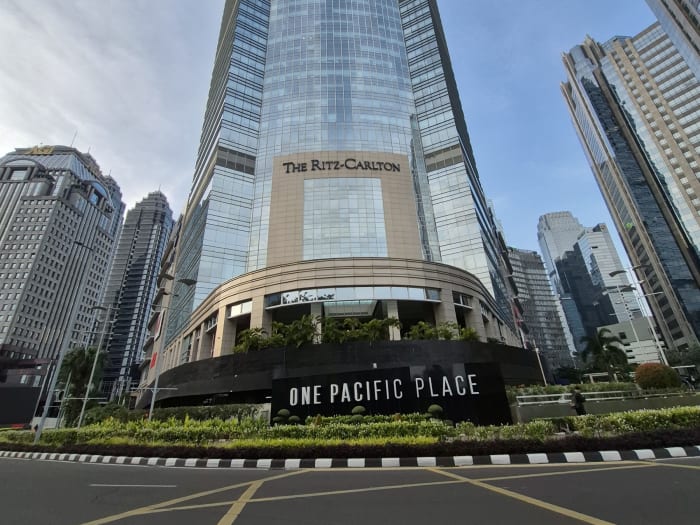
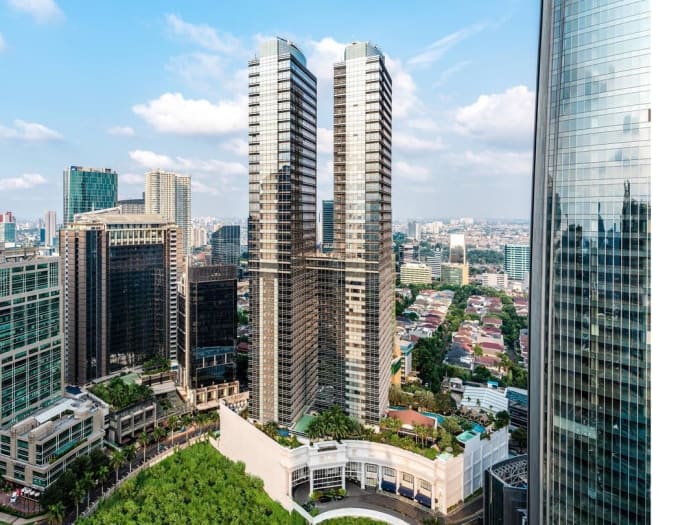
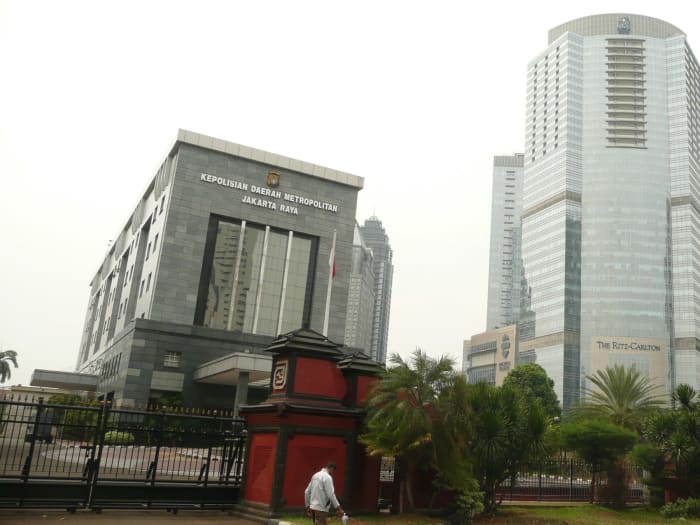
In Jakarta, some hotels establish themselves not through centuries-old grandeur but through the way they accompany the evolution of a fast-moving capital. The Ritz-Carlton Jakarta Mega Kuningan belongs to that category of addresses which express a distinctly contemporary idea of the grand urban stay: luxury conceived for a business metropolis, yet sufficiently nuanced to welcome travellers visiting for leisure as well. Its identity is closely tied to Mega Kuningan, a defining district of international Jakarta, where corporate headquarters, diplomatic missions, upscale residences and cosmopolitan addresses converge.
The Ritz-Carlton heritage is central here. More than a name, it brings a particular language of hospitality: attention to detail, polished service, rituals of comfort and discretion in execution. In a city as dense and energetic as Jakarta, that promise carries special weight. The hotel does not position itself as a retreat cut off from the world, but rather as an address able to filter urban intensity and turn it into a smoother experience. One finds the international grammar of the five-star hotel, with notable care given to arrival, legibility of spaces and continuity of service at all hours.
The local context matters as well. Jakarta is not a destination revealed in a single glance. It is a city of contrasts, layered rhythms, heavy traffic and districts with markedly different identities. In such an environment, a reference hotel quickly becomes more than a place to stay: it serves as an anchor point, a stable base, sometimes even an urban salon for travellers moving between meetings, rest and occasional exploration. The Ritz-Carlton Jakarta Mega Kuningan answers that role precisely. Its heritage is therefore less about a historic building than about an address embedded in the habits of the contemporary city.
This also explains its appeal to varied profiles. Business travellers find a setting aligned with the demands of a tight schedule, while couples and visitors on a short stay appreciate the sense of order and calm the hotel offers after a day in the Indonesian capital. The atmosphere, often described as elegant and welcoming, follows the same logic: nothing overly theatrical, but a clear intention to create an environment that feels immediately comfortable, coherent and reassuring.
In essence, the hotel’s story is told through its place in Jakarta today. It lies in its position at the heart of Mega Kuningan, in the continuity of high-end service and in its ability to embody a form of urban luxury suited to the realities of a major Asian capital. It is a heritage of function, address and reputation rather than a purely patrimonial narrative.
The hotel
Staying at The Ritz-Carlton Jakarta Mega Kuningan means first choosing a particular relationship with the city. The hotel stands in the heart of Mega Kuningan, one of Jakarta’s most strategic districts for travellers wishing to combine efficient access, proximity to key points of interest and a structured urban environment. Known for its concentration of international and business addresses, the area sets the tone immediately: here, a stay can be organised with relative ease. For business travel, the location helps reduce journey times to many economic hubs. For leisure, it offers a central base from which to explore different sides of the capital.
The value of such a location is not merely cartographic. In Jakarta, comfort depends greatly on the quality of one’s base. A well-positioned hotel makes it easier to work around the city’s rhythm, return during the day if needed and turn waiting time into something useful or restorative. The Ritz-Carlton Jakarta Mega Kuningan answers that expectation through a presence that seems designed to absorb the city’s constraints and soften their impact. One arrives with the sense of an ordered place, where elegance is expressed through overall coherence rather than decorative effect.
The atmosphere, described as elegant and welcoming, is one of the hotel’s most important traits. In a large urban hotel, this quality is essential: it shapes the way one experiences the lobby, circulation areas, shared spaces and the transitions between outside intensity and private comfort. Here, hospitality appears conceived to put guests at ease without lowering standards. Travellers find that sought-after balance of composure, calm and service readiness that matters in a capital active from morning until night.
The hotel therefore suits several kinds of stay. Business travellers will recognise a setting adapted to concentration, punctuality and the need for services available at any hour. Couples and leisure visitors will appreciate an address capable of offering a calmer interlude without removing them from Jakarta’s attractions. That versatility is one of the marks of a genuinely well-conceived hotel: it does not impose a single style of stay, but allows each guest to inhabit the address at their own pace.
Finally, the value of the brand should be noted in this context. Choosing a Ritz-Carlton in a major metropolis often means seeking a form of international continuity while still expecting a local reading of place. In Mega Kuningan, that continuity translates into a refined setting, clear organisation and a stable promise of service. The hotel becomes an interface between city and traveller: connected enough to Jakarta to make it accessible, protected enough to provide respite. That dual quality defines the property best.
Rooms and Suites
In a hotel of this calibre, the room is never just a place to sleep. It must provide a space for recovery, preparation, and sometimes work, often serving as a retreat.
In Jakarta, where days can be long and travel demanding, the quality of the room significantly influences the stay. The Ritz-Carlton Jakarta Mega Kuningan embodies this philosophy of complete comfort.
The elegant and welcoming atmosphere extends into the realm of rooms and suites. The overall design prioritises a clear and restful luxury, tailored for guests who wish to feel cared for without any constraints.
The daily housekeeping service, evening turndown, as well as the 24-hour reception and concierge services enhance this comfort. Returning to a tidied room, finding the bed prepared for the evening, and being able to request assistance at any hour: these thoughtful touches make the establishment reliable.
Business travellers will appreciate this functional aspect. A well-maintained room can transform into a temporary office, a place to catch one’s breath, prepare a presentation, or find a moment of quiet.
Leisure travellers will see it as a stable base from which to alternate between outings and relaxation. In both cases, the aim remains the same: to provide an environment that does not unnecessarily demand attention.
The suites extend this philosophy with greater ease, intimacy, and flexibility. They are suitable for longer stays, for couples, or for those who desire distinct spaces.
After the intensity of Jakarta, the room should offer immediate tranquillity. The hotel’s identity hinges on its ability to create a stable, well-kept, and hospitable environment.
Dining
In a major capital, hotel dining serves multiple purposes. It hosts a business breakfast, a quick lunch, and a more relaxed dinner. It also provides a moment of informal sociability when the city feels too dense for an additional outing.
At The Ritz-Carlton Jakarta Mega Kuningan, the dining experience naturally extends the overall atmosphere. It caters to the varied rhythms of both business and leisure guests.
In the morning, breakfast plays a central role. Business travellers seek efficiency, consistency, and extended hours, while leisure visitors enjoy a quieter time to start their day. A well-managed grand hotel knows how to meet both expectations. The fluidity of service and the quality of the welcome are highly appreciated.
At lunchtime and in the evening, the dining options must provide a reliable solution. They are suitable for a professional meeting, a dinner for two, or a meal on-site after a busy day. The credibility of a hotel’s dining experience relies on a well-maintained setting, precise service, and a clear menu. In a district like Mega Kuningan, the hotel often becomes as much a meeting place as a place to stay.
Room service is part of the expectations for a five-star hotel of this calibre. It allows guests to dine or enjoy a light meal in the privacy of their room. For a traveller arriving late, a couple wishing to extend their evening, or a tight schedule, this flexibility is significant.
The dining experience contributes to a certain idea of urban hospitality. It consistently accompanies the stay, transitioning from the energy of the morning to the restraint of the evening. It offers a setting where one quickly feels at home. In a hotel designed for both business and leisure, dining adds rhythm to the stay.
Wellness & Me-Time
In a city like Jakarta, hotel wellness becomes an essential component of the stay. The urban density and the pace of the days create a tangible need for recovery.
The Ritz-Carlton Jakarta Mega Kuningan addresses this with an approach to wellness that is integrated into the overall experience. Comfort extends beyond accommodation.
The first level of this wellness is discreet yet decisive. It lies in the quality of the welcome and the availability of the staff.
A reception open 24/7, a concierge accessible at any hour, evening turndown service, and meticulous daily maintenance lighten the stay. This simplicity already provides a form of relaxation.
The second level concerns the regained time. In a large urban hotel, luxury often consists of modulating one’s day according to individual needs.
Taking a moment in one’s room before dinner, returning to rest between meetings, requesting discreet assistance, or finding an orderly environment at the end of the day preserves energy. Wellness often resides in the ability to allow space for both body and mind.
For leisure travellers, this aspect offers a breath of fresh air after exploring Jakarta. For business travellers, it aids in sleeping better, recovering more effectively, and preparing thoroughly.
The hotel thus acts as a regulator of intensity. Its elegant and welcoming atmosphere facilitates the transition from external tumult to a more stable environment.
Wellness manifests in the quality of the overall experience. Each service supports comfort and the transitions between activity and rest.
In Jakarta, this quality allows one to experience the city without becoming exhausted.
Concierge & Services
What truly sets a grand urban hotel apart is not merely its address or decor, but the quality of its services on a daily basis. At this level, luxury is measured by the precision of execution, the availability of the staff, and the ability to simplify the guest experience. The Ritz-Carlton Jakarta Mega Kuningan embodies this tradition of continuous service, tailored to both business travellers and leisure stays.
The 24-hour concierge and the round-the-clock reception form the foundation of this service. In a city that is active at all hours, this continuity is essential. It allows for the management of late arrivals, transportation, information requests, or changes in plans without the constraints of fixed hours. For international travellers, this availability provides a tangible sense of security.
The daily housekeeping service and evening turndown service belong to a different realm, that of tangible comfort. A room that is tidied each day and then prepared for the evening becomes easier and more pleasant to return to. These thoughtful gestures are not designed to impress; rather, they support the consistency of the stay. In a densely populated urban environment, this reliability is invaluable.
The luggage storage, laundry service, and wake-up call service complement the offerings effectively. Each addresses a specific need: easing transitions, saving time, and maintaining the organisation of the day. The laundry service is particularly significant for business or extended stays. The luggage storage allows guests to enjoy their final hours before departure more freely. The wake-up call service remains a hallmark of a hotel attentive to the real constraints of travel.
The presence of multilingual staff is also worth highlighting. In an international hotel in Jakarta, this skill ensures smooth communication, precise requests, and a high quality of welcome. Being understood quickly, articulating a specific request without ambiguity, and receiving clear directions about the city or the stay all foster trust.
Thus, the hotel’s services create a hospitality of continuity. Nothing is spectacular, and that is precisely what reassures. Everything is designed to avoid logistical friction. In a metropolis like Jakarta, this discreet mastery makes all the difference.
The Art of Living in Jakarta
Jakarta is not to be discovered like a museum city. It is understood through its rhythms, contrasts, and the way its neighbourhoods compose a vast and dynamic whole. For the traveller, the challenge is not to see everything, but to find the right angle of entry. Staying at The Ritz-Carlton Jakarta Mega Kuningan offers this advantage: to start from a central and international district to grasp a capital that blends business, urban culture, social life, and daily energy.
Mega Kuningan belongs to this contemporary Jakarta where diplomacy, businesses, residences, and meeting places intersect. It is an environment that provides access to a reality of the city: that of a connected metropolis, oriented towards exchange. A stay here allows one to experience Jakarta in its most current dimension. Depending on available time, one can organise days between professional obligations, neighbourhood explorations, breaks in cafes or shopping centres, and returns to the hotel.
The local art of living also hinges on this alternation between intensity and retreat. Jakarta requires navigating traffic, heat, and distances, but rewards those who accept its tempo. One discovers genuine hospitality, a diverse culinary scene, and vibrant social spaces. From Mega Kuningan, this understanding becomes simpler: the district acts as a balance point between the hotel and the city.
For business travellers, this proximity to the capital’s nerve centres adds valuable efficiency to the stay. For leisure visitors, it allows one to view Jakarta as a fully-fledged urban destination. It is not just about distance, but about the ability to organise one’s movements realistically, taking into account the city’s own rhythm.
Ultimately, the art of living in Jakarta consists of embracing a city of successive layers: economic and residential, intense and hospitable, demanding and generous. A well-located hotel helps to experience this with greater comfort and clarity. The Ritz-Carlton Jakarta Mega Kuningan offers a reliable, elegant, and welcoming starting point. It is from such an address that one best grasps the city, in its movement, complexity, and ability to blend the practical with the refined.
Book through MyConciergeHotel
Booking The Ritz-Carlton Jakarta Mega Kuningan through MyConciergeHotel means choosing an approach to travel that values accuracy over automation. In a destination such as Jakarta, where the context of the stay matters as much as the address itself, guidance before arrival carries particular value. A hotel may look excellent on paper; the real question is whether it genuinely suits the rhythm of the trip, the purpose of travel, the desired district and the expected level of service. That is precisely where a specialised booking concierge makes a difference.
This address suits varied profiles: business travellers, couples, visitors on an extended stopover, guests loyal to major international brands and clients seeking above all a dependable base in the capital. Booking wisely therefore means asking the right questions. Is proximity to Mega Kuningan’s business centres a priority? Is there a need for a front desk and concierge available at all hours? Does the stay require flexible logistics, with laundry, luggage storage, wake-up service and impeccable daily housekeeping? Is the preference for an elegant urban setting capable of offering real respite after the city? When these criteria are central, the hotel comes fully into focus.
MyConciergeHotel allows the reservation to be framed within that logic of relevance. It is not simply a matter of comparing rates or room categories, but of understanding the property’s real use. For a business trip, that may mean optimising location and the fluidity of the stay. For leisure travel, it means choosing an address that makes Jakarta easier to access while guaranteeing a constant level of comfort. In both cases, the objective is the same: to avoid generic choices and favour a true fit between hotel and traveller.
Booking ahead also remains a matter of good sense, particularly during busy periods or major events in the capital. Sufficient anticipation helps secure availability and prepare the stay with greater peace of mind. It is also the right moment to specify simple but useful preferences: arrival times, service needs, departure arrangements and particular expectations linked to the rhythm of the trip.
Choosing The Ritz-Carlton Jakarta Mega Kuningan through MyConciergeHotel is ultimately about seeking continuity between the hotel’s promise and the way it is booked. A major address deserves clear perspective without unnecessary emphasis. Our role is to guide you towards the option most coherent with your stay, so that the experience begins before arrival. In a city such as Jakarta, that preparation matters. It allows you to approach the capital with a well-chosen anchor point and to turn a simple reservation into a genuinely relevant decision.