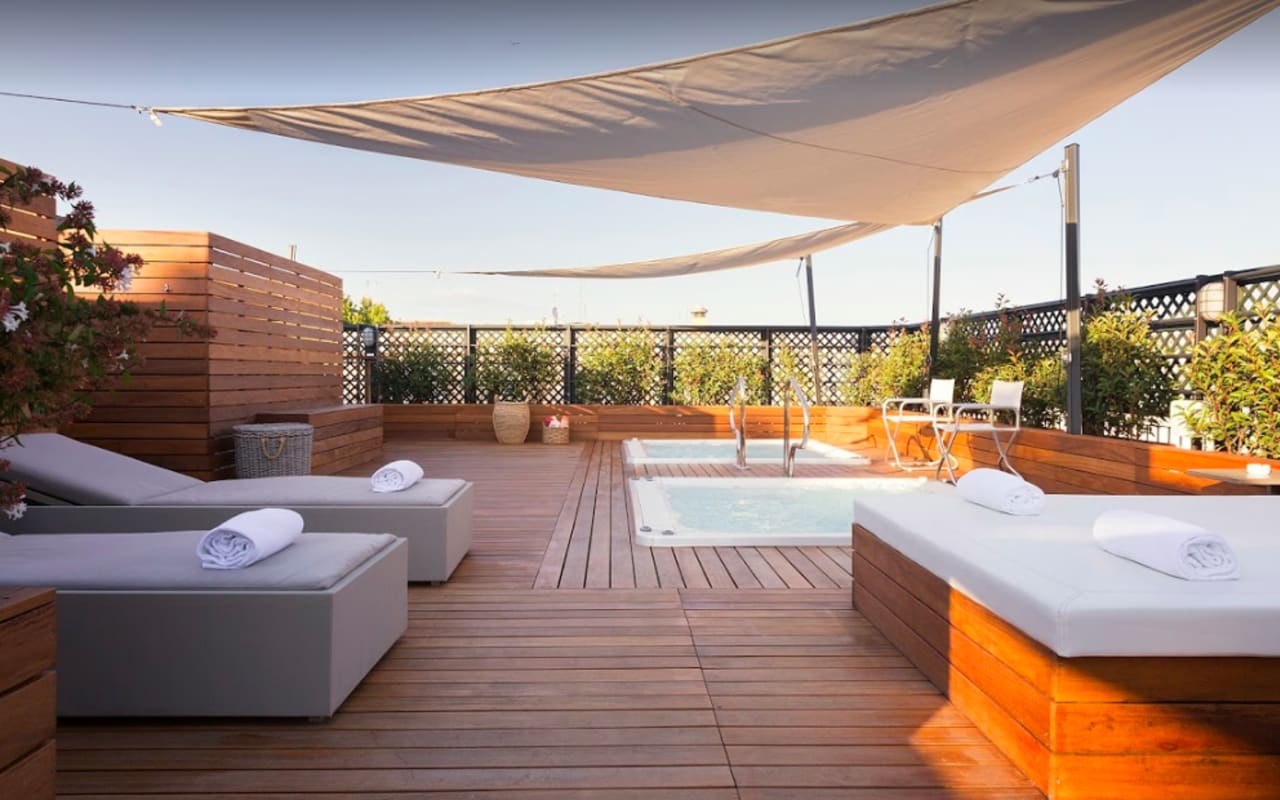
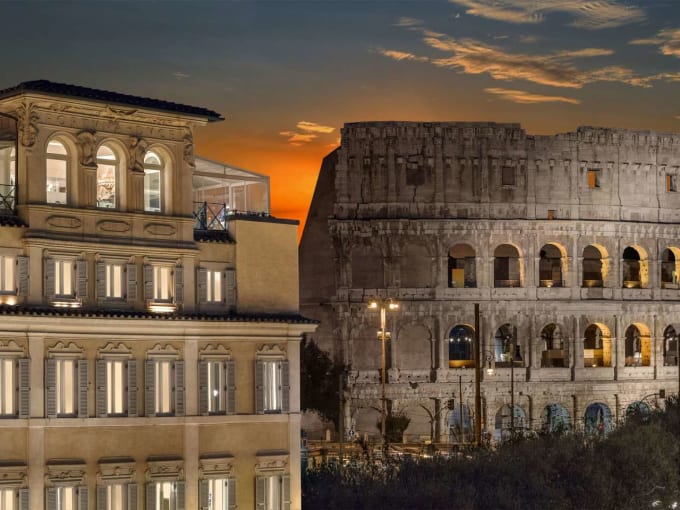
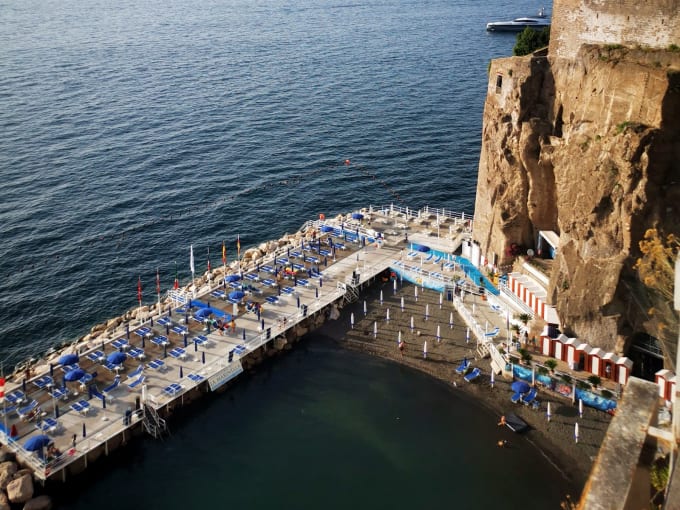
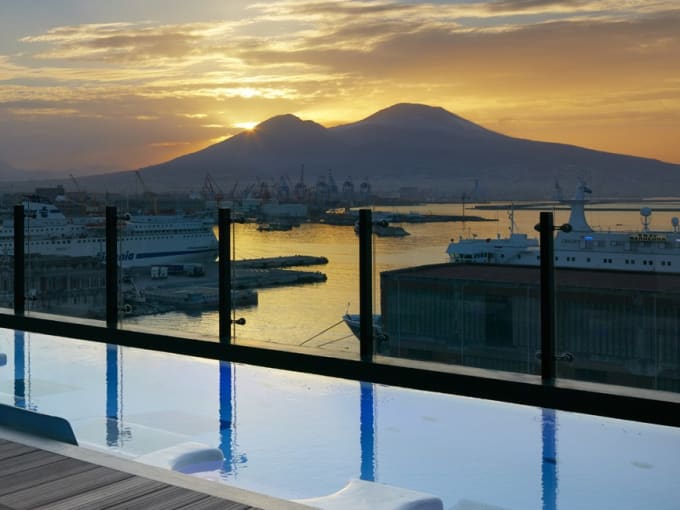
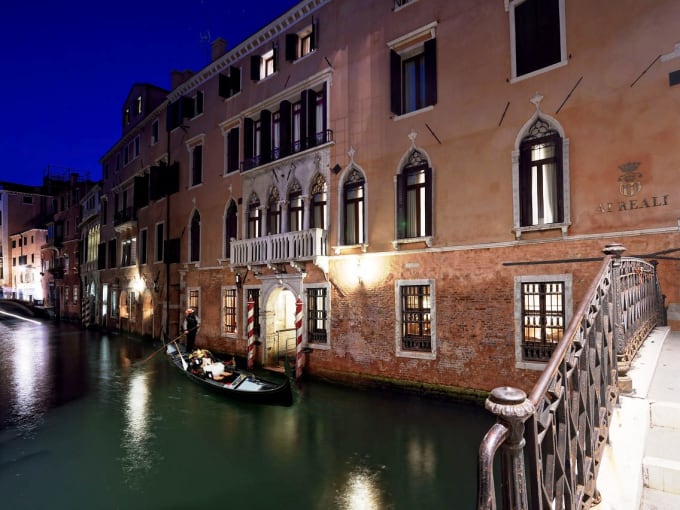
Italy is particularly well-suited to the Small Luxury Hotels of the World format. The country often favours signature experiences over standardisation. It values family-run establishments, reinvented urban palaces, discreet coastal retreats, and characterful addresses. For the independent traveller, this segment meets a specific expectation. There is less of a desire for grand hotel spectacles and more of a need for a direct relationship with the location. In Rome, Babuino 181, Casa Monti, and Hotel d'Inghilterra illustrate three distinct interpretations of the urban stay. In Venice, Ca' Sagredo Hotel, Hotel Ai Reali, and Londra Palace Venezia demonstrate how history, the lagoon, and a human scale can coexist. The same logic applies in Tuscany, Liguria, Lombardy, Puglia, or along the Sorrento coast. The address is as important as the atmosphere.
At MyConciergeHotel, we view this type of ranking as a guiding tool rather than an abstract verdict. Our method prioritises observable criteria. The first remains the hotel's true identity. We consider its independence, its affiliation with the SLH label, its aesthetic coherence, and its ability to offer an experience that cannot be replicated elsewhere. The second criterion concerns the quality of the stay. This includes personalised service, the fluidity of spaces, intimacy, clarity of offerings, and the relevance of the location. The third pertains to local anchoring. A historic residence in Pietrasanta does not promise the same experience as a mountain retreat in San Genesio. Finally, we take usage into account. Some hotels are better suited for a city break, while others are ideal for a romantic getaway or a more contemplative stop.
The Italian landscape is particularly rich, as the term boutique hotel encompasses various realities. It can refer to a Venetian palace like Ca' Sagredo Hotel, where heritage architecture shapes the experience. It can also denote a more contemporary address, such as Galleria Vik Milano or Magna Pars L'Hotel à Parfum, where design becomes the language of hospitality. Elsewhere, domestic scale prevails. Albergo Pietrasanta embodies the idea of a cultivated home in a small art town. Eight Hotel Portofino offers a more discreet coastal stay rather than a demonstrative one. Grand Hotel Cocumella recalls the grandeur of historic southern residences. Il Melograno, in Puglia, speaks more of masseria, a slow pace, and territory. Finally, Hotel Lungarno and Hotel Regency in Florence showcase two distinct ways to inhabit a museum city without being overwhelmed by it.
For 2025 and 2026, several trends reinforce the appeal of this selection. The first is the search for human-scale hotels. Many travellers wish to reduce friction during their stay. They favour homes where hospitality, local advice, and personalisation are not mere marketing rhetoric. The second trend concerns aesthetics. Design remains important, but it is no longer sufficient. Guests expect coherence between the decor, the neighbourhood, the building's history, and the pace of service. The third relates to travel time. City breaks are slightly lengthening. There is a greater tendency to combine two or three Italian stops within the same itinerary. In this context, charming independent hotels gain relevance. They allow for a journey from Milan to Florence, from Rome to Venice, and then to Portofino, Sorrento, or Monopoli, without losing the thread of an embodied travel experience.
This segment also aligns with a certain idea of luxury that we advocate. Luxury here is not measured solely in square metres or an accumulation of attributes. It is reflected in precision. A simple yet impeccably managed arrival. A room designed for genuine rest. A view that engages with the city or landscape. A concierge who understands the purpose of the journey. A table or breakfast that makes sense in its environment. What our advisors often observe in Italy is the value of continuity. A compelling hotel extends the neighbourhood, the light, the materials, and the local culture. Hotel Saltus, for example, does not express the same form of refinement as a Roman address. Yet, the logic is similar. The place must be unique, comprehensible, and true to its territory.
Thus, this ranking should be read methodically. A number one is not a universal hotel. It is an address that, according to our criteria, coherently combines several sought-after qualities in the category. However, each establishment has its audience. Some travellers will desire the urban intensity of Milan. Others will prefer the historical depth of Venice. Still, others will seek a more verdant, southern, or coastal escape. My advice is simple. Always consider the trio formed by the destination, the scale of the hotel, and the desired style of stay. A well-known urban palace may be less suitable than a small, well-located address. Conversely, a very intimate home may not be appropriate for a first trip if one seeks a more traditional logistics and broader services.
The following selection thus brings together 25 Small Luxury Hotels in Italy, chosen for their character, independence, and ability to create a precise stay. You will find addresses in the city, lagoon, sea, countryside, and mountains. Some focus on heritage. Others on design. The best combine both, with discretion. It is essential to remember before exploring the Top. The right hotel is not merely the most notable. It is the one that sets the right tone for the journey.