Rome presents a unique case in the realm of European luxury hospitality. Few cities combine, with such density, ancient heritage, religious power, diplomacy, fashion, and vibrant neighbourhood life. The discerning traveller seeks more than just a beautiful room; they desire the right anchor point. They want to choose between monumental grandeur and discreet charm, between postcard views and residential elegance. This is precisely why this ranking warrants careful reading. In Rome, a luxury hotel is never merely defined by its star rating. It engages in a dialogue with a street, a square, a hill, a memory. The experience shifts profoundly between the Piazza di Spagna, the Trident, the Via del Babuino, the Campo Marzio, or the vicinity of the Colosseum. Our advisors often observe this. Two hotels just minutes apart can tell two very different stories of Rome.
To compile this selection, MyConciergeHotel prioritises clear and verifiable criteria. Location comes first, as it dictates the rhythm of the stay in Rome. We then consider the coherence of the hotel's identity. A grand historic establishment does not promise the same experience as a boutique hotel with few keys. We also evaluate the brand's reputation, the consistency of service, the quality of common areas, and the ability to provide a credible Roman experience. The balance between intimacy and staging is crucial. A rooftop, a garden, a terrace, or a view of a monument can make a significant difference, but never alone. We also take into account the clarity of the product. The traveller must understand, from the moment of booking, whether the address is suitable for a first visit, an anniversary, a fashion getaway, or a cultural weekend.
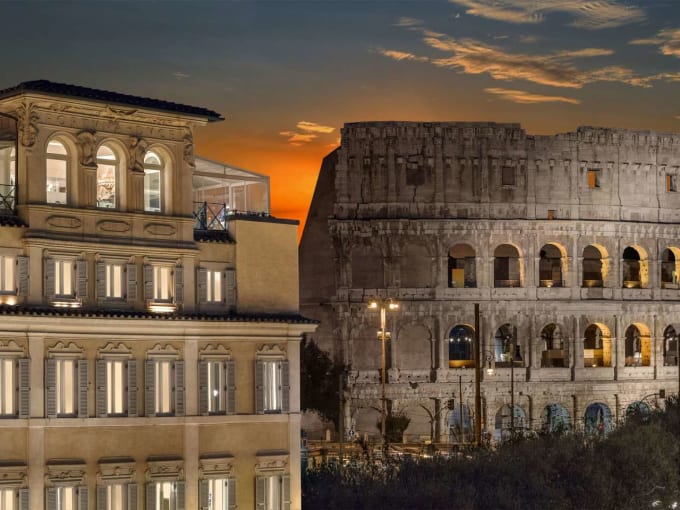
The Roman landscape is more varied than it appears. It features international institutions such as Hotel de Russie, Rocco Forte Collection, Hotel Eden, and Bulgari Hotel Rome. It also includes more discreet establishments like Hôtel Vilòn, Portrait Roma, and Margutta 19. Some addresses focus on grand historical decor, while others prefer a more domestic scale and the feeling of inhabiting the city. Palazzo Manfredi appeals to travellers wanting to experience Rome in the presence of one of its major symbols. Hotel Hassler remains, in the collective imagination, linked to the strategic position atop the Trinità dei Monti. Hôtel de la Ville, Rocco Forte Collection, plays a different tune—more urban, more social, and closely connected to the neighbourhood's life. Casa Monti and Babuino 181 also illustrate a more contemporary Rome, less ceremonial but still attentive to style and service.
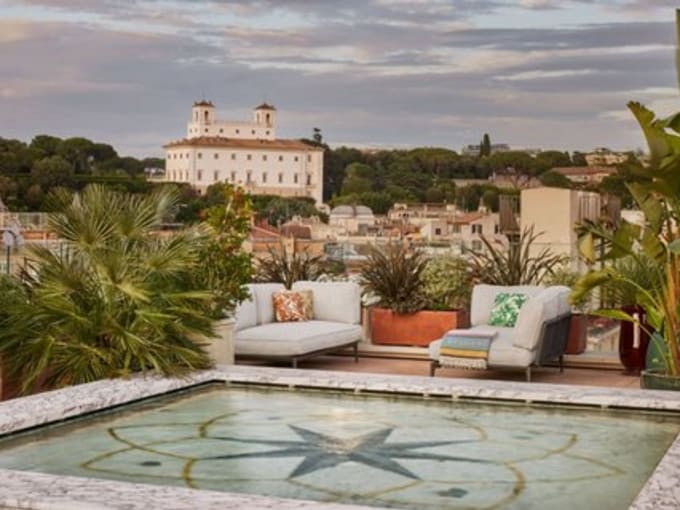
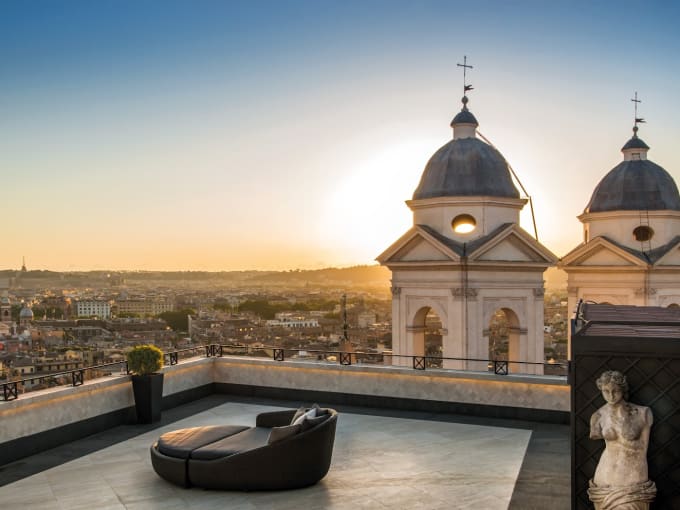
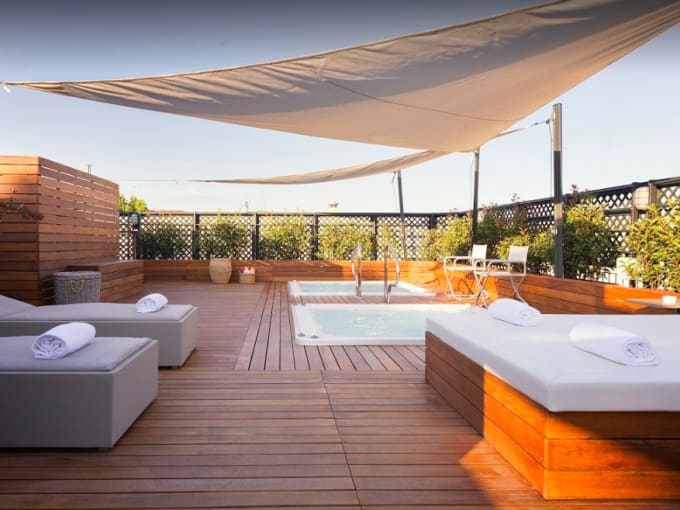
For 2025 and 2026, several trends are clearly shaping the Roman market. Firstly, there is a resurgence of location-based luxury. Clients are increasingly favouring perfectly situated addresses. They prefer to walk early in the morning to major sites and then return to a calm refuge. Secondly, the demand for hotels with strong personalities is on the rise. Travellers are seeking less standardised luxury and more atmosphere, narrative, and connection to the neighbourhood. The opening and growing visibility of addresses like Casa Monti or Orient Express La Minerva contribute to this movement. At the same time, major brands remain highly sought after. Bulgari Hotel Rome, Hotel de Russie, Rocco Forte Collection, and Hotel Eden reassure guests with their level of service. Finally, outdoor spaces are becoming decisive. In Rome, a terrace, a garden, or an unobstructed view extends the city experience. They are no longer just an amenity; they have become a key criterion for choice.
From a French perspective, Roman luxury offers a valuable lesson. It reminds us that a grand hotel is not only defined by its opulence but by the quality of its welcome and its understanding of the place. This is a principle we uphold at Le Concierge. True luxury simplifies the city without impoverishing it. It shields from noise while maintaining a connection to the vibrant Roman energy. It provides precise service without being intrusive and knows how to create moments of respite. A well-thought-out lounge, an inner courtyard, a bright suite, a breakfast with a view, a concierge who understands the essence of the stay—these are the essentials. In Rome, excellence is often measured by fluidity. The best establishments are recognised for their ability to make the city more accessible, comprehensible, and personal, without turning it into a static backdrop.
Thus, this ranking should be read without mechanical reflexes. The number one hotel is not the only answer. Each hotel in this top 12 has its audience and its moment. A couple on their first visit may not choose the same address as a seasoned Rome visitor. A shopping enthusiast, an archaeology lover, a family, or a business traveller will have different priorities. Hotel d'Inghilterra may charm with its historical roots and proximity to elegant streets. Portrait Roma appeals more to those seeking a discreet, well-located address with a more residential spirit. Hôtel Palazzo Ripetta may suit those looking for spaciousness and a central base. Babuino 181 or Margutta 19 cater to a desire for stylish tranquillity. My advice: do not seek the best hotel in absolute terms. Seek the right hotel for your Rome.
Our top 12 aligns with this logic. It highlights strong, complementary, and credible addresses. Some are iconic, while others are confidently emerging. All contribute to the current mapping of Roman luxury.