Raffles, de Singapour à une collection mondiale
Raffles naît à Singapour en 1887. L’adresse ouvre alors dans une ville portuaire décisive pour les routes maritimes britanniques en Asie. Ce point de départ compte encore aujourd’hui. Il explique la place du lobby, des galeries, des vérandas et des salons dans l’identité de la marque. Chez Raffles, l’hôtel n’est pas seulement un lieu de nuitée. C’est un théâtre social, pensé pour recevoir, observer, écrire, négocier et revenir. À retenir, la matrice n’est pas celle d’un grand resort isolé. Elle vient d’une maison urbaine, liée à une capitale commerciale et à ses circulations internationales.
Le code le plus constant reste le service de majordome. Il structure l’expérience Raffles depuis longtemps, avec une promesse simple. Le séjour doit gagner en fluidité, sans devenir démonstratif. Dans les meilleures adresses de la collection, ce service agit comme un fil discret. Il accompagne les arrivées, les préférences de chambre, le rythme des repas et les détails pratiques. Ce que nos conseillers observent, c’est la continuité de ce geste. Le majordome n’est pas un décor historique. Il reste un marqueur opérationnel de la marque. C’est aussi ce qui distingue Raffles d’un luxe plus standardisé. L’attention personnelle y compte autant que l’architecture ou l’adresse.
L’autre pilier fondateur est la vie sociale. Le Raffles de Singapour s’est imposé comme un lieu de rendez-vous, bien au-delà des voyageurs en transit. Cette fonction de salon public a façonné l’ADN de la marque. Bars, afternoon tea, terrasses, coursives et grands espaces communs participent à cette mise en scène. Le célèbre Singapore Sling appartient à cette histoire. Il rappelle que la boisson signature, chez Raffles, relève autant du rituel que de la carte. La dimension littéraire compte aussi. L’hôtel de Singapour a longtemps attiré écrivains, artistes et voyageurs cultivés. Cet héritage n’est pas une formule marketing récente. Il repose sur une réputation ancienne, associée aux récits de voyage, à la sociabilité coloniale et à l’idée d’un hôtel comme poste d’observation du monde.
L’architecture restaurée occupe enfin une place centrale dans la lecture contemporaine de Raffles. Le cas de Singapour est exemplaire. L’adresse est connue pour son style colonial, ses façades blanches, ses cours intérieures et ses circulations aérées, adaptées au climat tropical. Sa restauration récente a confirmé un principe important pour la marque. Préserver un patrimoine ne signifie pas figer un décor. Il faut réinterpréter les volumes, intégrer les standards actuels et conserver la lisibilité historique du lieu. Cette logique se retrouve dans plusieurs Raffles récents ou réhabilités. La marque avance souvent par bâtiments à forte personnalité, plutôt que par reproduction uniforme. Mon conseil, pour comprendre Raffles, est de regarder les transitions. L’entrée, le corridor, la véranda, le bar et la suite racontent souvent plus que le seul design.
De Singapour à une collection mondiale, Raffles s’est donc développé sans renier ses codes d’origine. Le nom évoque un certain rapport au temps, à la ville et au service. Il associe patrimoine, hospitalité très personnalisée et sociabilité élégante, mais jamais tapageuse. Dans le portefeuille Accor, cette singularité reste nette. Raffles n’est ni une simple marque historique, ni un exercice de nostalgie. Sa force tient à l’équilibre entre mémoire et usage contemporain. C’est ce socle que nous retiendrons pour classer les meilleures adresses. Poids du lieu, qualité de la restauration, présence du service de majordome et capacité à faire vivre un imaginaire précis. Voilà les repères les plus utiles.
Questions sur cette section
Pourquoi l’héritage colonial revient-il souvent quand on parle de Raffles ?
Parce que l'identité historique de Raffles s'est construite autour de grandes adresses nées à l'époque coloniale, surtout en Asie. Cet héritage se lit dans l'architecture, les rituels de service et certaines mises en scène du séjour. Il faut toutefois le regarder avec nuance. Aujourd'hui, les meilleurs établissements réinterprètent ce passé avec plus de contexte et de modernité. Notre lecture éditoriale valorise les hôtels qui assument leur histoire, sans la réduire à un décor figé.
Nos critères pour classer les meilleurs Raffles
Classer les meilleurs Raffles demande une grille plus fine qu'un simple relevé de mètres carrés ou de tarifs. Nous avons donc retenu des critères qui mesurent la capacité d'une adresse à produire un séjour marquant. Le premier critère est le patrimoine. Chez Raffles, il compte davantage qu'ailleurs. Nous regardons l'ancienneté du lieu, la force du récit hôtelier et la qualité de la restauration architecturale. Un hôtel historique bien restauré pèse plus lourd qu'une adresse récente, si cette histoire reste lisible dans les espaces, les suites et les usages. À retenir : le patrimoine ne suffit pas. Il doit encore vivre dans le service, les rituels et l'expérience quotidienne.
Le deuxième critère est la force du lieu. Nous évaluons ici l'implantation réelle de l'hôtel dans sa ville ou son paysage. Une adresse peut dominer un front de mer, occuper un bâtiment civique majeur ou offrir une lecture claire d'une destination. Nous observons aussi la cohérence entre le site et l'identité Raffles. Certains hôtels brillent par leur centralité urbaine. D'autres par leur isolement choisi, leur vue ou leur rapport au jardin. Dans tous les cas, nous privilégions les lieux qui donnent le sentiment d'être précisément là où ils doivent être. Mon conseil : un grand Raffles ne se contente pas d'être bien situé. Il révèle son environnement.
Troisième pilier, la constance du service. C'est souvent ici que le classement se joue. Nous cherchons une hospitalité lisible, stable et fluide. Elle doit être présente du premier échange jusqu'au départ. La marque Raffles est attendue sur l'attention, la discrétion et la mémoire des préférences. Nous regardons donc la qualité de l'accueil, la précision du housekeeping, la réactivité de la conciergerie et la capacité à personnaliser sans surjouer. Ce que nos conseillers observent souvent : les meilleures adresses sont celles où l'on se sent accompagné, jamais encadré. La suite de cette logique concerne les chambres et les suites. Leur taille compte, mais moins que leur plan, leur lumière, leur intimité et leur capacité à prolonger le caractère du lieu.
Nous avons aussi accordé un poids important à la restauration. Chez Raffles, elle n'est pas un service annexe. Elle participe à la signature de la marque. Nous avons donc évalué la diversité des tables, la solidité de l'offre du petit déjeuner au dîner, ainsi que l'identité des bars et des rituels de tea time. La gastronomie compte, mais la cohérence compte davantage. Un grand hôtel peut proposer moins de restaurants et mieux raconter son lieu. Nous intégrons également le spa, non comme simple liste d'équipements, mais comme expérience de récupération et de temps long. Nous valorisons les spas bien conçus, les parcours lisibles, la qualité des soins et l'intégration avec les suites, la piscine ou le cadre naturel.
Enfin, nous avons jugé la pertinence globale pour un séjour marquant. C'est le critère de synthèse. Il permet de départager deux hôtels excellents sur le papier. Nous nous demandons lequel laisse une empreinte durable. Le voyageur se souvient-il d'une arrivée, d'une suite, d'un bar, d'un jardin, d'une vue, d'un silence rare. Nous tenons aussi compte de la polyvalence. Certains Raffles conviennent mieux à une escapade urbaine. D'autres excellent pour une célébration, une lune de miel ou quelques jours de retrait. Ce classement hiérarchise donc des expériences complètes. Il ne récompense pas seulement l'apparat. Il distingue les adresses où patrimoine, service, gastronomie, bien-être et sens du lieu avancent ensemble, avec constance.
Les Raffles les plus convaincants pour un voyage à deux
Pour un voyage à deux, tous les Raffles ne racontent pas la même histoire. Certains jouent la retraite insulaire. D’autres misent sur la ville, la vue ou le rituel. Notre lecture privilégie l’intimité réelle. Elle compte aussi la qualité des suites, la présence de villas, la discrétion du service et la facilité à créer des moments privés. À retenir, un grand hôtel romantique n’est pas forcément le plus isolé. Il doit surtout permettre au couple de ralentir, sans logistique pesante ni mise en scène forcée.
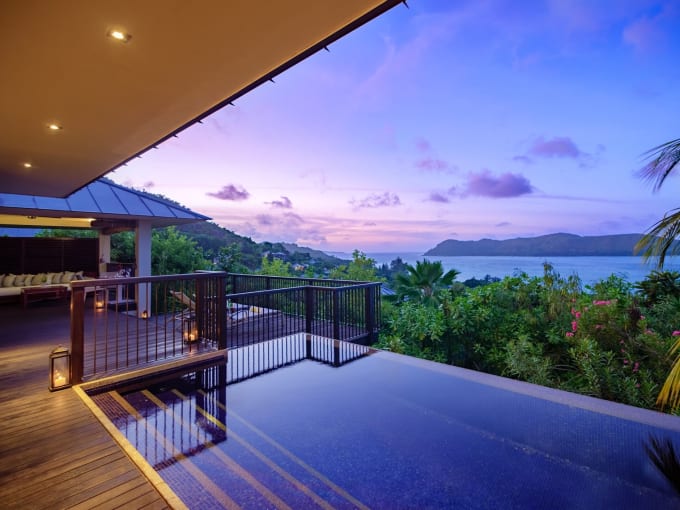
Dans cette famille, Raffles Bali s’impose naturellement pour les lunes de miel. L’adresse est composée de villas avec piscine privée. C’est un avantage concret, pas un simple argument marketing. Le rapport au temps y devient plus souple. On peut vivre dehors, déjeuner sans quitter sa villa et préserver une vraie sensation de retrait. La topographie ajoute un autre atout. Les vues sur l’océan donnent de la profondeur au séjour. Ce que nos conseillers observent, c’est la cohérence de l’expérience. Le cadre, l’hébergement et le rythme vont dans le même sens. Raffles Seychelles parle aussi très bien aux couples. Les villas avec piscine privée y jouent un rôle central. L’environnement granitique et la végétation renforcent l’impression d’être à part. Pour des voyageurs qui veulent de l’espace, c’est une option très convaincante. Raffles Al Areen Palace Bahrain mérite aussi l’attention. Le format palace-villas favorise la discrétion. C’est particulièrement pertinent pour un court séjour à deux, centré sur le repos.
Pour les couples qui préfèrent la ville, la hiérarchie change. Raffles Singapore reste une référence affective. Son statut historique, depuis 1887, compte évidemment. Mais le romantisme ne tient pas qu’au patrimoine. Il tient à la manière d’habiter le lieu. Les suites, les galeries, les patios et le rythme très singulier de la maison créent un décor propice aux séjours marquants. Mon conseil, y aller si vous aimez les hôtels qui donnent une mémoire au voyage. Raffles Istanbul séduit un autre type de duo. Le Bosphore apporte une présence immédiate. La vue devient un élément de la relation au lieu. Les couples qui aiment alterner ville active et parenthèses lentes y trouvent souvent un bon équilibre. Raffles London at The OWO entre aussi dans cette conversation. L’adresse joue davantage la confidentialité urbaine et le grand décor historique. Pour un séjour à deux, elle parle aux voyageurs sensibles à l’architecture, aux suites généreuses et aux expériences privées bien orchestrées.
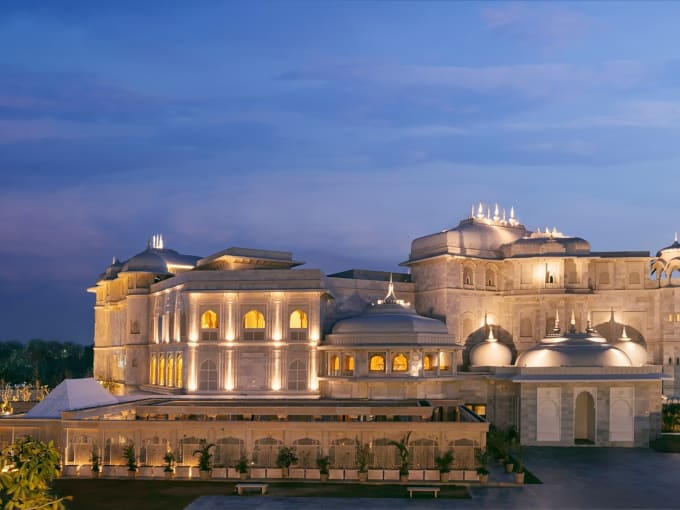
D’autres Raffles avancent des arguments plus spécifiques. Raffles Udaipur s’adresse aux couples qui veulent un imaginaire palatial, au bord de l’eau, avec une forte dimension cérémonielle. Le contexte du lac compte beaucoup. Il donne au séjour une théâtralité douce, sans exiger un programme chargé. Raffles Doha, avec ses vues élevées et son ancrage dans une tour iconique, convient mieux aux couples urbains. L’expérience est plus contemporaine. Elle repose sur l’espace, les panoramas et la fluidité du service. Raffles The Palm Dubai peut aussi fonctionner pour un voyage à deux. L’adresse parle surtout aux couples qui veulent combiner resort, plage et spa, sans renoncer à une grande ville à proximité. Raffles Europejski Warsaw, enfin, propose une romance plus feutrée. Elle tient à l’échelle du lieu, à son héritage et à sa relation avec la ville.
Si nous devions orienter sans hésiter, nous distinguerions trois scénarios. Pour une lune de miel balnéaire, Raffles Bali part avec une longueur d’avance. Pour une retraite insulaire très privée, Raffles Seychelles reste l’un des choix les plus solides. Pour un voyage à deux où l’hôtel devient un souvenir en soi, Raffles Singapore garde une place à part. Le bon choix dépend donc moins du prestige de l’enseigne que du type d’intimité recherché. Villa et piscine privée, vue structurante, spa réellement intégré au séjour, ou grande adresse urbaine capable de créer du calme. C’est là que se joue la différence.
Questions sur cette section
Un séjour Raffles est-il surtout pertinent pour un voyage romantique ou aussi pour d’autres usages ?
Un séjour Raffles fonctionne très bien pour le romantique, mais pas uniquement. La marque convient aussi aux city breaks culturels, aux voyages intergénérationnels, aux séjours bien-être et aux étapes affaires haut de gamme. Tout dépend de l'adresse et du rythme recherché. Les hôtels les plus convaincants savent offrir de l'intimité sans s'enfermer dans un seul registre. Mon conseil : choisir le Raffles selon la destination, avant de le choisir pour son image.
Tables signatures, bars iconiques et héritage du Singapore Sling
Chez Raffles, la table n'est jamais un simple service ajouté au séjour. Elle participe à l'identité de la marque depuis son adresse fondatrice de Singapour. Le point de départ reste clair. Raffles Singapore a installé un imaginaire précis. On y trouve le rituel du tea time, les bars historiques et une culture du service très codifiée. Le Singapore Sling y tient une place à part. Plus qu'un cocktail, c'est un signe de continuité. Il relie l'époque coloniale, la mémoire du voyage et l'expérience contemporaine. Dans notre lecture, peu d'enseignes hôtelières ont su préserver un tel marqueur liquide sans le réduire à une simple attraction. À retenir. Chez Raffles, la gastronomie sert autant à raconter un lieu qu'à nourrir une réputation.
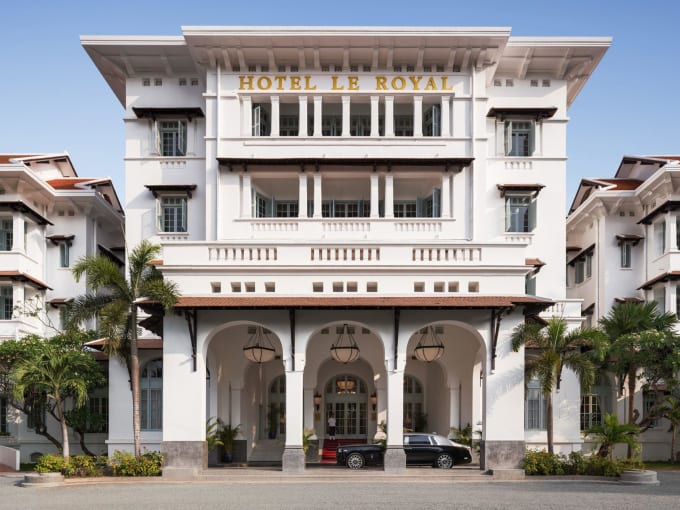
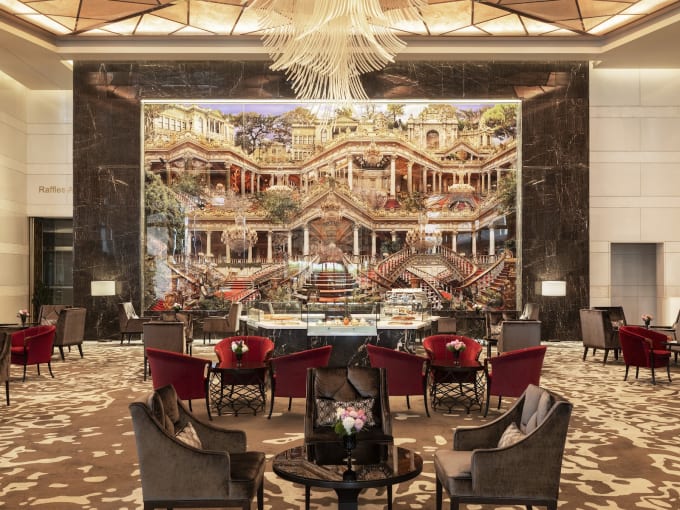
Cette logique se lit d'abord dans les adresses patrimoniales. Raffles Singapore reste la référence, car son héritage gastronomique est documenté et immédiatement lisible. Les voyageurs y cherchent autant une atmosphère qu'une réservation. Raffles Grand Hotel d'Angkor et Raffles Hotel Le Royal prolongent cette grammaire. Les deux hôtels historiques d'Asie du Sud-Est associent architecture d'époque, bars de tradition et restauration inscrite dans le récit local. Ce que nos conseillers observent souvent. Les clients ne demandent pas seulement où dîner. Ils demandent où sentir le plus clairement l'ADN Raffles. Dans ces maisons, la réponse passe par les salons, les terrasses, les cartes de cocktails et une certaine idée du repas d'hôtel comme scène sociale. Le tea time y conserve aussi une vraie fonction. Il structure l'après-midi et donne du rythme au séjour.
Les ouvertures plus récentes n'imitent pas toujours Singapour à la lettre. Elles reprennent plutôt ses codes. Raffles London at The OWO en donne une lecture urbaine et très contemporaine. Le poids du bâtiment, l'ambition de restauration et la densité de l'offre de bars et restaurants renforcent cette dimension. Raffles Doha, Raffles Dubai et Raffles Istanbul travaillent aussi cette idée de destination culinaire intégrée à l'hôtel. Ici, la restauration ne sert pas seulement les résidents. Elle attire une clientèle locale, ce qui reste un bon indicateur de crédibilité. Raffles Europejski Warsaw ajoute un autre angle. Son inscription dans une grande capitale culturelle donne à la table et au bar un rôle de rendez-vous citadin. Mon conseil. Pour comparer les Raffles entre eux, regardez toujours si les espaces de restauration vivent au-delà du petit-déjeuner. C'est souvent là que se mesure la vraie présence d'une adresse.
La force de Raffles tient aussi à l'équilibre entre signature internationale et ancrage local. Raffles Bali, Raffles Al Areen Palace Bahrain et Raffles The Palm Dubai montrent trois interprétations différentes. À Bali, l'attente porte davantage sur la cuisine de destination et le cadre. À Bahreïn, le séjour s'organise plus volontiers autour de la villa et du resort, mais l'offre culinaire reste un élément de rythme. À Dubaï, la monumentalité de l'adresse appelle une restauration capable de soutenir le positionnement palace. Raffles Seychelles, Raffles Hainan et Raffles Udaipur prolongent cette lecture resort. Dans ces contextes, la gastronomie doit faire plus qu'assurer une belle vue. Elle doit donner une raison de rester sur place plusieurs soirs. C'est un critère discret, mais important dans notre hiérarchie.
Au fond, l'héritage du Singapore Sling résume bien la singularité Raffles. La marque a compris très tôt qu'un palace se mémorise aussi par ses rituels de consommation. Un bar peut devenir une adresse dans l'adresse. Un tea time peut fixer un souvenir aussi durable qu'une suite. Un restaurant peut ancrer l'hôtel dans sa ville. C'est pourquoi les Raffles les plus convaincants sont souvent ceux où la gastronomie n'est ni décorative ni interchangeable. Raffles Singapore domine naturellement cette lecture. Derrière lui, les maisons historiques comme Raffles Grand Hotel d'Angkor et Raffles Hotel Le Royal conservent une autorité rare. Les adresses contemporaines les plus solides sont celles qui traduisent cet héritage sans pastiche. C'est là que Raffles reste pertinent aujourd'hui.
Spa, récupération et sens du temps long chez Raffles
Chez Raffles, le spa n'est jamais un simple étage bien-être. Il prolonge une idée du séjour. Le temps doit ralentir, sans mise en scène excessive. C'est là que la collection se distingue. Le soin s'inscrit dans un lieu, un climat et un rythme. Nos conseillers observent une constante. Les meilleurs Raffles pour récupérer sont ceux qui relient architecture, intimité et service sans friction. Raffles Singapore reste d'abord une adresse patrimoniale. Le bien-être y prend donc une forme urbaine, feutrée et disciplinée. À l'inverse, Raffles Bali et Raffles Maldives Meradhoo travaillent la déconnexion par l'espace, l'horizon et la faible densité. Raffles Al Areen Palace Bahrain ajoute une autre lecture. Le repos passe par des villas très privatives, souvent recherchées pour couper sans quitter le Golfe.
Raffles Spa at Raffles Singapore donne le ton historique de la marque. On n'y vient pas pour une retraite immersive de plusieurs jours. On y vient pour retrouver une cadence juste entre rendez-vous, suites et longues traversées. Le cadre compte autant que la carte de soins. Le service reste précis, sans théâtralité. C'est important chez Raffles. Le bien-être n'efface pas l'hôtel. Il s'accorde à son identité. Raffles London at The OWO suit une logique comparable, mais dans un registre plus contemporain. L'adresse combine un grand bâtiment patrimonial et une offre wellness pensée pour des séjours urbains exigeants. Raffles Doha et Raffles Istanbul proposent une lecture plus verticale du repos. Vue, lumière, vastes chambres et équipements récents y jouent un rôle central. Mon conseil. Pour une récupération post-vol ou un court séjour, ces Raffles urbains sont souvent plus efficaces qu'une retraite lointaine.
Pour le temps long, les adresses insulaires dominent nettement. Raffles Bali s'appuie sur des villas avec piscine privée. Cette donnée change tout. Le soin ne s'arrête pas à la cabine. Il continue sur la terrasse, dans le jardin et dans la gestion du silence. Le spa y gagne en cohérence, car l'hébergement prolonge la sensation de retrait. Raffles Maldives Meradhoo pousse encore plus loin cette logique de séparation. L'environnement marin, la faible pression visuelle et le service très discret favorisent une récupération profonde. Ici, la performance du spa dépend autant du lieu que du protocole. C'est un point essentiel pour comparer les Raffles. Une carte de soins peut être excellente partout. En revanche, peu d'hôtels savent maintenir la même qualité de calme entre la suite, la plage, le restaurant et le retour en chambre. Raffles Seychelles reste aussi très pertinent dans cette lecture. L'île, la topographie et l'intimité des villas soutiennent naturellement le relâchement.
D'autres adresses méritent l'attention pour leur équilibre entre espace privé et soin structuré. Raffles Al Areen Palace Bahrain est souvent cité pour ses villas avec piscine, adaptées à une récupération sans exposition. Raffles Udaipur apporte une dimension lacustre et palatiale différente. Le bien-être y dialogue avec le décor et la sensation d'isolement relative. Raffles Hainan et Raffles Makati répondent à des besoins distincts. Le premier s'inscrit davantage dans une logique resort. Le second sert surtout une clientèle urbaine qui cherche un sas de décompression fiable. Ce que nos conseillers observent, c'est la variété des usages. Chez Raffles, le spa n'est pas uniforme. Il peut être une parenthèse de deux heures, un fil conducteur du séjour ou un argument décisif pour choisir une villa.
À retenir, les Raffles les plus convaincants sur ce terrain sont ceux où le soin déborde la salle de traitement. Raffles Bali, Raffles Maldives Meradhoo et Raffles Seychelles excellent quand la priorité est la récupération lente. Raffles Singapore, Raffles London at The OWO, Raffles Doha et Raffles Istanbul répondent mieux aux séjours urbains, où l'on veut se recentrer sans disparaître du monde. Raffles Al Areen Palace Bahrain se distingue pour la confidentialité. C'est souvent un critère sous-estimé. Dans cette collection, le vrai luxe du bien-être tient moins à l'abondance qu'à la continuité. Un bon Raffles spa se reconnaît à cela. Vous sortez d'un soin, et l'hôtel entier semble poursuivre le même geste.
Tendances 2025-2026 : restauration patrimoniale et luxe résidentiel
En 2025-2026, Raffles consolide une position rare. La marque unit patrimoine hôtelier, signatures urbaines récentes et formats résidentiels très spacieux. Cette combinaison répond à une demande plus structurée. Les voyageurs veulent un récit de lieu, mais aussi des mètres carrés, de l'intimité et des usages flexibles. C'est là que Raffles devient particulièrement lisible. Raffles Singapore reste le repère historique du groupe. Son statut d'adresse fondatrice continue d'irriguer toute la collection. À l'autre extrémité du spectre, Raffles London at The OWO illustre la montée des réouvertures patrimoniales d'envergure. Le bâtiment possède une charge institutionnelle forte. L'hôtel transforme cette mémoire en expérience contemporaine. Ce que nos conseillers observent, c'est un glissement net. Le luxe ne se définit plus seulement par le service. Il se mesure aussi à la qualité de la réhabilitation, à la lisibilité architecturale et au sentiment d'habiter un lieu déjà inscrit dans l'histoire urbaine.
La deuxième tendance tient au retour des grandes adresses de ville. Elles ne sont plus choisies seulement pour leur centralité. Elles servent de point d'ancrage culturel. Raffles Istanbul, Raffles Doha et Raffles The Palm Dubai s'inscrivent dans cette logique. Chacun propose une lecture monumentale de sa destination. L'hôtel devient un observatoire. La vue, l'échelle des espaces communs et la présence de résidences ou de suites très généreuses comptent davantage qu'avant. Raffles Boston et Raffles Jaipur participent aussi à cette dynamique. Ils montrent que la marque avance sur des marchés urbains où l'hébergement haut de gamme doit offrir plus qu'une chambre bien située. Il faut des lieux où l'on peut recevoir, travailler, prolonger un séjour et alterner rythme social et retrait. À retenir, la ville version Raffles n'est pas pensée comme un simple stop-over. Elle vise le séjour complet.
Troisième mouvement, le luxe résidentiel devient central. Raffles Bali, Raffles Al Areen Palace Bahrain et Raffles Udaipur répondent très directement à cette attente. Villas, pavillons ou suites de grande taille permettent d'accueillir des familles élargies. Ils conviennent aussi aux voyageurs qui veulent préserver une forte autonomie sur place. Cette demande multigénérationnelle progresse. Elle change la manière de réserver. On cherche moins une seule belle chambre qu'un dispositif de séjour. Piscine privée, espaces extérieurs, possibilité de dîner dans la villa et circulation fluide entre temps communs et moments séparés deviennent décisifs. Raffles Seychelles et Raffles Hainan Clear Water Bay vont dans le même sens. Mon conseil, chez Raffles, il faut désormais regarder la typologie d'hébergement avant même la destination. C'est souvent elle qui détermine la réussite du voyage.
Enfin, l'expérience se fait plus intentionnelle. Le voyageur haut de gamme veut des activités ancrées dans le lieu, sans renoncer au confort d'un palace. Raffles Grand Hotel d'Angkor et Raffles Hotel Le Royal bénéficient ici d'un avantage clair. Leur relation à l'histoire locale donne du relief au séjour. Raffles Makati et Raffles Shenzhen montrent une autre facette. Dans les grandes métropoles d'Asie, l'expérience passe par la fluidité, la hauteur de service et l'accès immédiat aux quartiers d'affaires et de shopping. Raffles Europejski Warsaw apporte, lui, une dimension patrimoniale très européenne. Ce qui renforce l'attrait de la marque, ce n'est donc pas une tendance unique. C'est l'addition de plusieurs réponses cohérentes. Réhabilitation ambitieuse, hôtels urbains à forte présence, hébergements résidentiels et formats adaptés aux tribus familiales. Pour 2025-2026, Raffles apparaît moins comme une simple collection d'hôtels. Il fonctionne comme une grammaire du séjour long, patrimonial et très habitable.
Ce que l'on paie vraiment chez Raffles
Chez Raffles, le prix ne rémunère pas seulement une chambre, ni une adresse bien placée. Il achète une mécanique d'hospitalité complète, souvent plus dense qu'ailleurs. La valeur commence par le service, mais pas au sens abstrait. Elle se lit dans la continuité des équipes, dans la précision des attentions, et dans une forme de calme très travaillée. Chez Raffles Singapore, cette logique est fondatrice depuis 1887. Elle a ensuite servi de matrice à toute la collection. Dans plusieurs adresses, le séjour inclut un rapport au temps plus fluide. Les arrivées sont mieux accompagnées. Les espaces communs sont pensés pour prolonger la journée, sans forcer la consommation. Ce que nos conseillers observent souvent, c'est cette impression de cohérence. Le client paie moins une accumulation de prestations qu'un niveau d'exécution constant, du premier contact au départ.
Il faut aussi compter la mémoire du lieu, qui a un coût réel. Restaurer un grand hôtel historique, puis l'exploiter sans effacer son identité, demande des moyens considérables. Raffles Singapore en est l'exemple le plus clair. Son statut d'icône patrimoniale pèse dans le tarif, mais ce supplément correspond à une expérience difficilement reproductible. Le même raisonnement vaut pour des adresses installées dans des bâtiments de caractère, ou dans des contextes urbains très contraints. On ne paie pas seulement des mètres carrés. On paie des volumes rares, des circulations élégantes, des matériaux entretenus au long cours, et une atmosphère qui ne se recrée pas en quelques saisons. Mon conseil est simple. Chez Raffles, il faut regarder l'âge du lieu, la qualité de la restauration, et la capacité de l'hôtel à conserver une personnalité lisible. C'est souvent là que se joue la vraie différence de valeur.
La restauration compte aussi davantage que dans beaucoup d'hôtels de luxe. Chez Raffles, elle n'est pas un service annexe. Elle participe à l'identité de marque. L'héritage du Singapore Sling, né au Long Bar de Raffles Singapore, rappelle ce rôle culturel. Dans les meilleures adresses du groupe, bars, tea time, petit déjeuner, service en chambre et restaurants forment un ensemble cohérent. Cela change la perception du prix. Un hôtel peut sembler plus cher à la réservation, puis devenir plus juste à l'usage si l'on y vit vraiment bien du matin au soir. Cette logique vaut particulièrement pour les séjours courts. Elle compte aussi pour les voyageurs qui privilégient l'hôtel comme destination, et non comme simple base. À retenir, donc. Un Raffles convaincant doit offrir une table ou un bar qui donne envie de rester sur place. Sinon, la promesse paraît moins complète.
Enfin, la valeur chez Raffles tient à l'expérience globale, donc à l'addition de détails parfois invisibles. L'acoustique d'une suite, la générosité d'une salle de bains, la qualité du sommeil, la lisibilité des espaces, ou la façon dont un concierge résout une demande complexe. Rien de cela ne se mesure facilement sur une fiche technique. Pourtant, c'est souvent ce qui justifie l'écart de prix. Dans une collection aussi identifiée, le client attend une forme de continuité internationale. Il veut retrouver un certain niveau de tenue, tout en sentant le caractère local. C'est un équilibre difficile. Quand il est atteint, le tarif prend sens. Quand il manque, même une très belle adresse paraît plus chère qu'elle ne devrait. Notre lecture est donc claire. Chez Raffles, la bonne valeur ne se résume jamais au rapport surface sur prix. Elle repose sur quatre piliers. Le service, la mémoire du lieu, la restauration, et cette sensation rare d'un séjour pensé comme un tout.
Questions sur cette section
Le rapport valeur-expérience est-il justifié dans les meilleurs hôtels Raffles ?
Oui, à condition de bien définir ce que vous achetez. Chez Raffles, la valeur ne tient pas seulement à la chambre. Elle inclut l'adresse, l'espace, la qualité du sommeil, le niveau de service, la restauration et la capacité à rendre le séjour simple. Certains voyageurs paient surtout pour une légende. D'autres pour une exécution sans friction. Ce que nous regardons, c'est l'alignement entre le prix, la promesse de marque et l'expérience réellement livrée.
À retenir : quel Raffles choisir selon votre style de voyage
Au moment de choisir un Raffles, la bonne question n’est pas seulement le niveau de luxe. C’est le type de voyage que vous voulez vivre. Dans cette collection, certaines adresses portent d’abord un récit historique. D’autres excellent par leur ancrage urbain, leur isolement balnéaire ou leur dimension résidentielle. Pour une première découverte, nous orientons souvent vers Raffles Singapore. L’adresse fondatrice, ouverte en 1887, reste la lecture la plus complète de l’ADN Raffles. On y vient pour comprendre une mythologie hôtelière, mais aussi pour mesurer sa capacité à rester actuelle. Si vous aimez les hôtels qui racontent une époque, c’est le choix le plus évident. Dans le même esprit patrimonial, Raffles London at The OWO parle à ceux qui cherchent un grand hôtel historique en contexte urbain. Son intérêt tient à la réinterprétation d’un bâtiment emblématique au cœur de Londres.
Pour un city break, nos conseillers privilégient les adresses qui combinent emplacement, rythme et lisibilité de l’expérience. Raffles Singapore fonctionne très bien pour un premier séjour en Asie du Sud-Est. La ville est simple à parcourir, et l’hôtel donne immédiatement le ton. Raffles London at The OWO convient à un long week-end dense, entre institutions culturelles, shopping et restaurants. Raffles Doha peut séduire les voyageurs attirés par une lecture plus contemporaine de la marque. Le registre y est différent. Il parle davantage d’architecture récente, de vues urbaines et de séjour dans une capitale en transformation. À retenir aussi, Raffles Istanbul, qui associe une grande métropole, des vues recherchées et une adresse bien intégrée aux usages d’un séjour court.
Pour un voyage à deux, le bon Raffles dépend du décor souhaité. Si vous imaginez une lune de miel balnéaire, Raffles Seychelles reste une option très claire. L’isolement relatif, la relation à la mer et le rythme plus lent créent une expérience de retrait. Raffles Bali s’adresse aussi à ce désir d’intimité, avec une lecture plus confidentielle du séjour tropical. Si vous préférez le romantisme d’une ville, Raffles Udaipur offre un cadre lacustre très distinctif. Raffles Jaipur peut convenir aux voyageurs sensibles à l’Inde palatiale et aux séjours plus scénographiés. Mon conseil est simple. Choisissez d’abord entre horizon marin, patrimoine urbain ou décor de palais. Chez Raffles, le ton du voyage change fortement selon ce premier arbitrage.
Pour un séjour balnéaire au sens strict, la hiérarchie est plus facile à lire. Raffles Seychelles s’impose pour la nature, la plage et la sensation d’éloignement. Raffles Bali parle davantage aux voyageurs qui veulent une retraite insulaire avec une identité culturelle forte. Raffles Al Areen Palace Bahrain peut intéresser ceux qui recherchent surtout l’espace privé et une logique de villa. Ce n’est pas la même promesse qu’un grand resort côtier. Pour les passionnés d’hôtels historiques, le trio le plus lisible reste Raffles Singapore, Raffles London at The OWO et, dans un autre registre, Le Royal Monceau - Raffles Paris. Cette dernière adresse exprime moins la légende coloniale que la capacité de Raffles à dialoguer avec un grand hôtel urbain déjà installé dans l’histoire parisienne.
Ce que nos conseillers observent, enfin, c’est que le meilleur Raffles n’est pas toujours le plus célèbre. C’est celui dont le cadre correspond exactement à votre tempo. Première fois chez Raffles, cap sur Singapour. Week-end urbain, regardez Londres, Istanbul ou Doha. Voyage à deux, pensez Seychelles, Bali, Udaipur ou Jaipur selon le décor rêvé. Passion patrimoniale, Singapour reste la référence la plus structurante. Si vous hésitez entre deux adresses, nous partons toujours de trois critères. Le temps disponible, l’envie de ville ou d’évasion, et votre sensibilité à l’histoire. Le bon choix devient alors beaucoup plus simple.