Travelling in Germany with children is no longer a compromise. The country boasts cultural capitals, alpine resorts, island shores, and well-structured forest retreats. For families, this diversity makes all the difference, allowing for a stay that aligns with the true pace of children. Berlin offers efficient urban breaks, with large museums and easy transport. Bavaria provides fresh air, space, and outdoor activities. The Black Forest and spa regions encourage longer stays. The North Sea islands set a different, more maritime tempo. In this context, the concept of kids-friendly deserves precise consideration. It is not merely about an extra bed or a children's menu; it concerns the architecture of the stay. It encompasses the room, meals, transfers, leisure activities, and a hotel's ability to accommodate multiple generations without friction.
To establish this ranking, we adopt a strict editorial approach. We first assess the destination and its suitability for a family trip. A well-connected city, a property with immediate access to nature, or a resort offering simple activities are all significant factors. We then consider the hotel format. Chalets, spacious suites, mountain resorts, and large historic houses do not offer the same flexibility. The level of service also plays a role. A true urban palace can be very accommodating for children, while a more intimate boutique hotel may better suit an independent tribe. Finally, we evaluate the clarity of the experience. Accessibility, dining options, the flow of spaces, intergenerational possibilities, and a sense of ease all weigh heavily. It is important to note that a kids-friendly hotel is not necessarily infantilising. The best establishments can welcome children without compromising the essence of the venue.
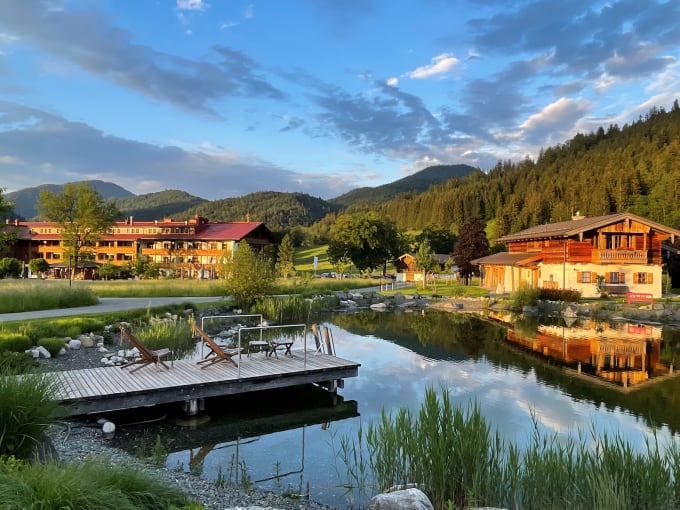
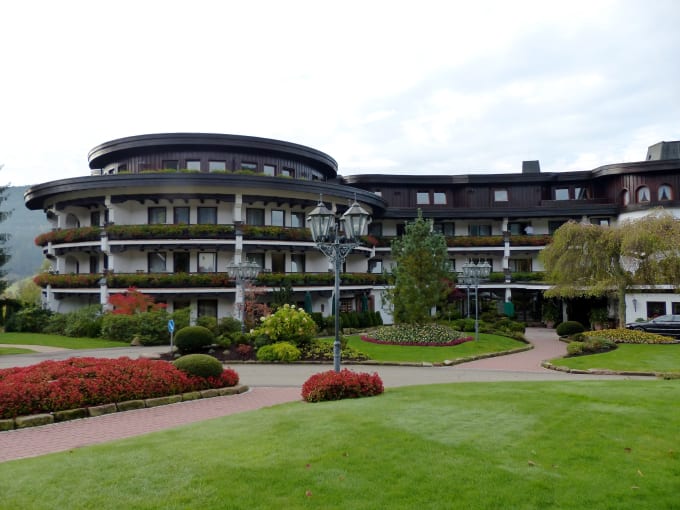
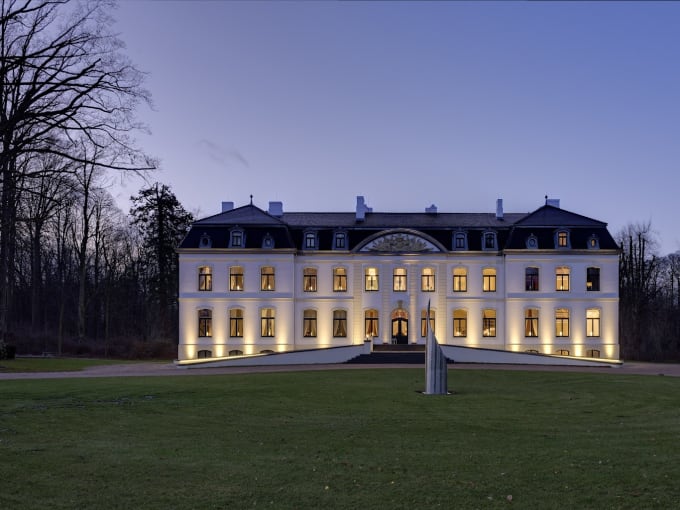
The German landscape is particularly interesting as it avoids uniformity. In Berlin, Casa Camper Berlin, Grand Hyatt Berlin, Hotel Bristol Berlin, and other major names cater to distinct needs. Some families seek a central base to explore the city, while others desire a well-oiled logistics system with a pool, spacious areas, and continuous services. In Hamburg, Fairmont Hotel Vier Jahreszeiten adheres to a more classic tradition. In Munich, Hotel Vier Jahreszeiten Kempinski Munich offers a heritage interpretation of grand hospitality. Outside the metropolises, the register changes. Gut Steinbach Hotel Chalets Spa, Kempinski Hotel Berchtesgaden, Hotel Bareiss, Hotel Dollenberg, or Hotel Jagdhof Glashütte emphasise space, fresh air, and multi-night stays. On the coasts and islands, Hôtel Landhaus Stricker, Hotel Seesteg, and Hôtel VILLINO introduce a different relationship with time. What our advisors observe is a family-friendly Germany defined by geography, not slogans.
For 2025 and 2026, several trends are emerging in the high-end family hospitality sector. The first is the search for useful space. Families are prioritising the quality of the environment over the accumulation of activities. A well-designed room, accessible outdoor areas, and flexible dining options often outweigh a packed itinerary. The second trend is the hybridisation of stays. There is a willingness to combine a city visit with nearby nature. Berlin before the Alps, Munich before Berchtesgaden, Hamburg before a coastal getaway. The third trend concerns multigenerational travel. Grandparents are increasingly travelling with children and grandchildren. Hotels that can accommodate various rhythms are becoming more relevant. Finally, family wellness is evolving. Parents want a spa, but not at the cost of complex arrangements. Establishments that balance adult relaxation with children's freedom are gaining an edge. My advice in Germany is to think of the stay as a simple choreography.
This selection also reflects a certain idea of luxury, closely aligned with our concierge culture. Family luxury is not ostentatious; it is the elimination of irritants. A smooth arrival after a train or flight, a table that adapts without theatrical demands, and staff who understand that a tired child can change the entire evening. A destination that offers something to see at ten o'clock as well as at four o'clock. In this light, Germany is a compelling ground. Its hospitality often combines rigour, discretion, and practicality. The grand historic houses provide reassurance, alpine resorts offer breathing space, and countryside retreats allow for a slower pace. The island addresses give a sense of escape. At MyConciergeHotel, we value this functional elegance. It is less demonstrative than in other countries and often more comfortable for families in daily life.
It is also important to explain how to interpret this ranking. We are not seeking the perfect hotel for all families, as none exists. A very central urban palace does not meet the same expectations as a mountain resort. A seaside address does not play the same tune as a country house. Some parents prioritise logistical ease, others seek a breath of fresh air, while some look for a short stay with culture and shopping, without sacrificing children's comfort. This is why our hierarchy is based on the suitability of location, format, and family use. It does not penalise hotels that are ranked lower; rather, it distinguishes those we believe are most coherent for this specific theme. It is worth noting that a good kids-friendly hotel also respects adults. It does not impose a club-like atmosphere but allows for the coexistence of calm, service, and family life.
In the following Top 10, you will find complementary profiles: cultural capitals, alpine retreats, country houses, and maritime horizons. The common thread remains the ease of stay, which is often what families remember most.