


How this selection was made
This selection is based on three stable filters, applied to 12 hotels in Boston, district by district.
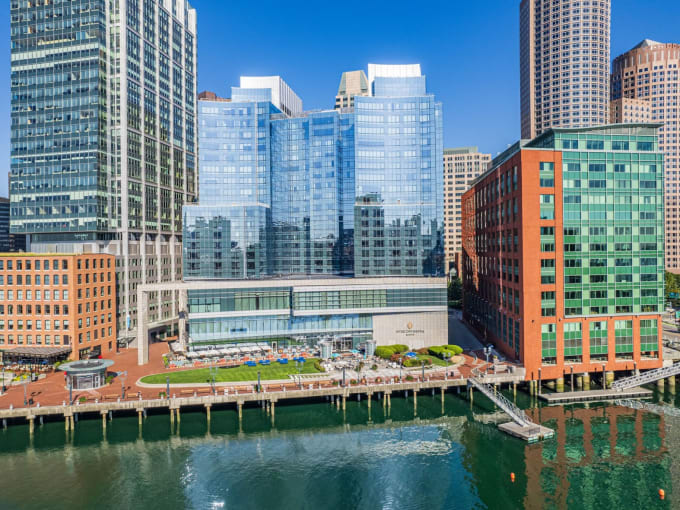
The first filter concerns the actual location. In Boston, 1.5 km can significantly alter the experience. Back Bay connects Copley Square, Newbury Street, and the Charles River. Beacon Hill places Boston Common and the Massachusetts State House within easy reach. The Seaport is more suited for business meetings. A well-located hotel can reduce daily commutes by 20 to 35 minutes. Four Seasons One Dalton Street is situated in Back Bay. InterContinental Boston, an IHG Hotel, targets the waterfront and the Financial District. Hyatt Regency Boston is conveniently located between Downtown Crossing and the Theatre District. AKA Back Bay offers a more residential vibe. Hotel AKA Boston Common remains relevant near the park and subway lines. This criterion weighs heavily for stays of 2 to 4 nights.
The second filter assesses service consistency. Here, public benchmarks matter more than slogans. Forbes Travel Guide distinguishes certain hotels with its annual ratings. Four Seasons Hotel One Dalton Street, Boston is among Forbes Travel Guide's Five-Star addresses. Leading Hotels of the World also serves as a benchmark when a property is a member. The absence of Atout France is typical in the United States, thus changing the context. The test focuses on consistency. Check-in, concierge services, housekeeping, breakfast, and handling late requests are observed. A good urban hotel maintains its standards on a Tuesday in January. It must also perform well on a Saturday in October. This is often where discrepancies emerge.
The third filter concerns pricing consistency. Prices in Boston fluctuate rapidly depending on the season and conferences. In low season, some rooms start at around €280 to €420. In September, October, or during the Marathon, the same hotel can range from €520 to €950. Thus, the ranking does not reward the highest price. It considers the relationship between price paid, room size, noise, view, and bedding quality. A well-designed 32 m² room can outperform a poorly located higher category. The Newbury Boston and Four Seasons One Dalton Street serve different purposes. The method aims to clarify these discrepancies, enabling choices based on the travel rhythm.
What these hotels truly share
The best hotels in Boston primarily share a precise urban execution rather than a common decorative style.
The first commonality is an accurate understanding of the neighbourhood. Back Bay remains the most versatile area. Copley Square, Newbury Street, and the Charles River are often within walking distance. Beacon Hill is better suited for stays focused on Boston Common and Charles Street. The Seaport operates under a different logic. The selected hotels avoid the vague promise of centrality, embracing a clear purpose. Hyatt Regency Boston effectively serves a theatre, shopping, and meeting agenda. InterContinental Boston, an IHG Hotel, appeals more to waterfront-bound travellers. Hotel AKA Boston Common maintains a good balance for reaching Downtown. This clarity matters more than a spectacular lobby. Over 3 nights, it saves on transport and detours. In Boston, this can represent €80 to €140 in avoided transport costs.
The second commonality is the quality of the in-room experience. For a stay of 3 nights or more, practical details matter. Storage, circulation, soundproofing, and a genuine workspace enhance the experience. AKA Back Bay often attracts attention for this reason. The product caters well to slightly longer stays. Four Seasons One Dalton Street excels in overall fluidity. Such hotels manage late arrivals and last-minute requests more effectively. In this selection, a good urban room typically starts around 30 m². Below this size, comfort perception declines rapidly with two suitcases. The view is also important, but only after silence. In Boston, a poorly insulated room can lose significant value over the weekend.
The third commonality is the service quality during critical hours. The real test is not at 3 PM on a Tuesday. The test occurs at 8 AM, 6 PM, and after 10 PM. Smooth breakfast service, quick luggage handling, accessible concierge services, and elevators with minimal wait times are useful markers. Good urban hotels manage these moments without friction. The best also know how to handle peak demand. The Boston Marathon, university return, and October foliage create immediate pressures. Prices rise, but service must not falter. This is often where the selection narrows. The difference becomes even clearer when it comes to choosing based on the type of stay.
When to book in Boston
In Boston, the calendar weighs almost as much as the chosen address, especially for the most sought-after urban hotels.
January and February often offer the clearest pricing windows. The cold is real, with maximum temperatures typically between 1 and 5 degrees. In return, some hotels drop to around €280 to €420. This level is much rarer in autumn. March remains variable. April changes with the Boston Marathon, which generally falls on the third Monday of the month. Back Bay, Copley Square, and hotels near the route quickly become tense. Prices can double over 2 or 3 nights. Four Seasons One Dalton Street and The Newbury Boston are often booked well in advance. Rooms with unobstructed views tend to sell out first.
From May to June, the city becomes more pleasant. Temperatures typically rise between 16 and 25 degrees, and days lengthen. The balance between weather, walking, and availability remains good. This is a solid period for a first visit. September and October then form the peak demand period. The university return, conferences, and autumn foliage boost demand. Boston sees many domestic visitors during this time. Prices often rise between €520 and €950 depending on the category. Back Bay and Beacon Hill are the most affected. For an October weekend, booking 8 to 12 weeks in advance is advisable. In November, pressure eases slightly outside of Thanksgiving.
Summer requires a more nuanced reading. July and August can be hot and humid, with maximum temperatures regularly exceeding 28 degrees. However, some weekends become more accessible as business travel slows down. The Seaport and Downtown can then perform better. A well-timed 3-night stay can find rates around €350 to €500. This depends on the conference calendar. The best time to book thus relies not only on the weather but also on the purpose of the trip and the targeted neighbourhood. This leads to the most useful point for precise booking.




How to choose based on your stay
The right hotel in Boston depends less on displayed prestige and more on the actual programme on site.
For a first stay of 2 or 3 nights, Back Bay remains the simplest entry point. The neighbourhood offers good landmarks. Copley Square, Newbury Street, and the Charles River structure the days well. Four Seasons One Dalton Street fits this model, aiming for a well-defined urban 5-star experience. The level of service is a central criterion here. Observed rates often start around €650. They rise higher in September and October. The Newbury Boston appeals at a different pace. Its position opposite the Public Garden encourages a walkable stay. For a couple, this advantage is tangible from morning to night. Time savings become apparent over 48 hours.
For a business trip, the logic shifts. The Seaport and Financial District take precedence according to the agenda. InterContinental Boston, an IHG Hotel, works well in this context. Access to offices, the waterfront, and South Station matters more than the neighbourhood vibe. Hyatt Regency Boston remains relevant as well. The hotel connects Downtown Crossing, the Theatre District, and several subway lines effectively. For a short stay, this flexibility reduces downtime. Hotel AKA Boston Common suits mixed stays, combining meetings, sightseeing, and quick access to the park. In such cases, a room priced from €320 to €480 can offer better coherence than a more distant 5-star hotel.
For a longer stay, the key question becomes daily usage. AKA Back Bay is then viewed differently. The product appeals with its more residential feel. Travellers staying 4 nights or more often gain practical comfort. Storage space, a calmer pace, and straightforward functionality matter more. A family with a child will not choose like a couple. An anniversary is not treated like a conference. The right balance hinges on three points: walking distance, usable space, and total budget. In Boston, an additional €150 per night does not always guarantee a better stay. This is also why the travel season must be interpreted accurately.