


How this selection was made
This selection is based on 17 hotels viewed as travel tools, rather than a mere compilation of rated addresses.
The first filter focuses on external validation. When membership exists, it matters. Leading Hotels of the World remains a useful benchmark. Relais & Châteaux is also significant, especially for regional properties. Forbes Travel Guide adds another layer of insight. The Michelin Guide, now present in Australia through its recent selection, primarily serves to assess the credibility of a restaurant. The nature of the ranking is geographical, necessitating comparisons of different usages. A large hotel in Sydney does not meet the same needs as a remote lodge. Capella Sydney and Bamurru Plains do not fit the same criteria. This is precisely why they can coexist here.
The second filter is operational. Practical location takes precedence over mere postal addresses. In Sydney, Circular Quay, The Rocks, and the waterfront matter more than a simple postcode. In Melbourne, Southbank and the cultural centre weigh more than a promise of design. The actual quietness of the rooms is crucial. A view only matters if it enhances the experience. On-site dining must sustain the stay. Service should remain consistent over several nights. An indicative all-inclusive price of around 350 to 600 euros may suffice in the city outside peak times. A remote lodge often exceeds 1,200 euros all-inclusive, including activities and meals.
The third filter concerns grounding. Australia imposes clear categories. Urban hotels of representation have their own logic. Beach resorts do too. Nature retreats must justify their isolation through terrain, wildlife, or access. Arkaba Homestead and Bamurru Plains are assessed on this basis. Capella Lodge falls under a different consideration. Lord Howe Island limits its capacity. This constraint affects both booking and pricing. Adina Apartment caters to longer stays. Space, kitchen facilities, and autonomy weigh more than ceremonial aspects. The ranking thus seeks usage accuracy before displayed prestige. The differences are then evident in the actual commonalities of the selected hotels.
What these hotels truly share
The selected hotels share less of a style than a capacity to make a territory comprehensible from the first night.
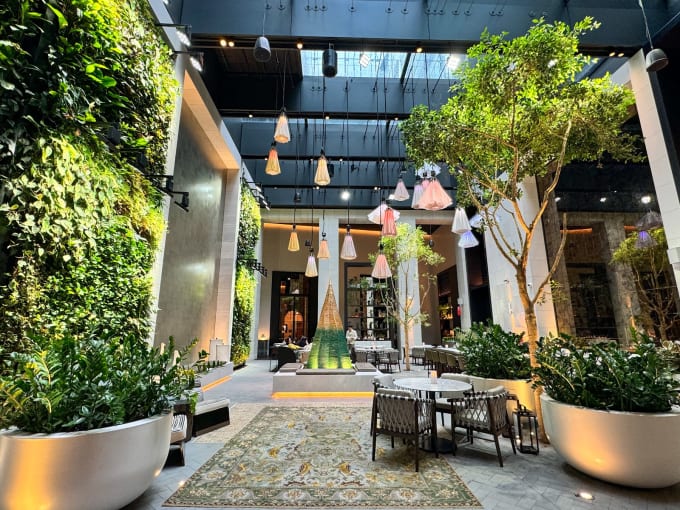
In cities, three criteria repeatedly emerge. Rooms must be well soundproofed. On-site dining should avoid default meals. Access to useful neighbourhoods should be achievable on foot or via short journeys. In Sydney, this means Circular Quay, The Rocks, and the harbour. In Melbourne, it means Southbank, cultural institutions, and the business centre. Capella Sydney adheres to this basic logic. A good urban hotel in Australia is not just about its façade. It must sustain itself over 48 or 72 hours. In this market, 400 to 800 euros all-inclusive already places the traveller in a serious category. However, this level does not guarantee silence, a good view, or consistent service.
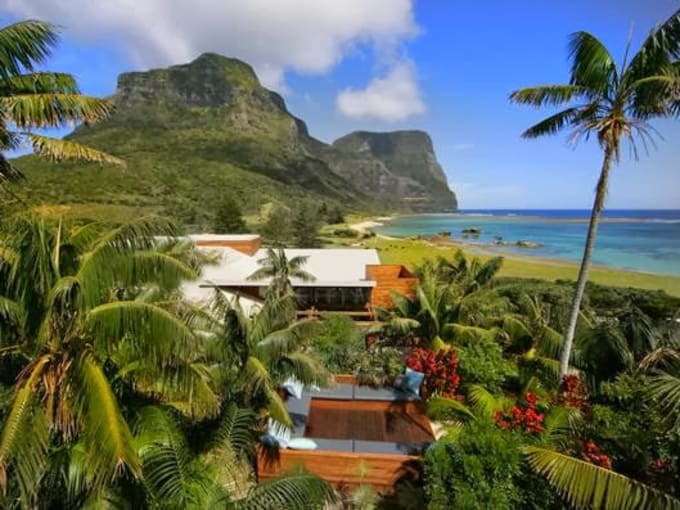
In lodges and retreats, the difference comes from the relationship to the land. Bamurru Plains is heavily dependent on the dry season, generally from May to October. This is the most predictable period for wildlife and access. Arkaba Homestead is judged on different criteria. Conservation, landscape interpretation, and guiding quality are highly valued. Capella Lodge adds the constraint of being on an island. Lord Howe Island limits visitor numbers. This rarity structures the stay, pricing, and ideal duration. Here, paying more than 1,200 euros all-inclusive per night only makes sense if the experience genuinely includes the site. Otherwise, isolation becomes a mere expense.
The final commonality concerns coherence. The best Australian addresses know who they are. They do not attempt to be both a business hotel, a romantic retreat, and a family base. Adina Apartment works better for longer stays. Space and kitchen facilities change the equation. A heritage palace serves a different promise. A nature lodge must embrace a slower pace. This clarity avoids costly disappointments. It also helps to understand price discrepancies. Between 350 euros all-inclusive in the city and over 1,500 euros all-inclusive in a lodge, the real question remains usage. This logic becomes even clearer when considering the season.
The best times to visit by region
Australia cannot be booked as a single block, as Sydney, Melbourne, Lord Howe, and the outback do not follow the same calendar.
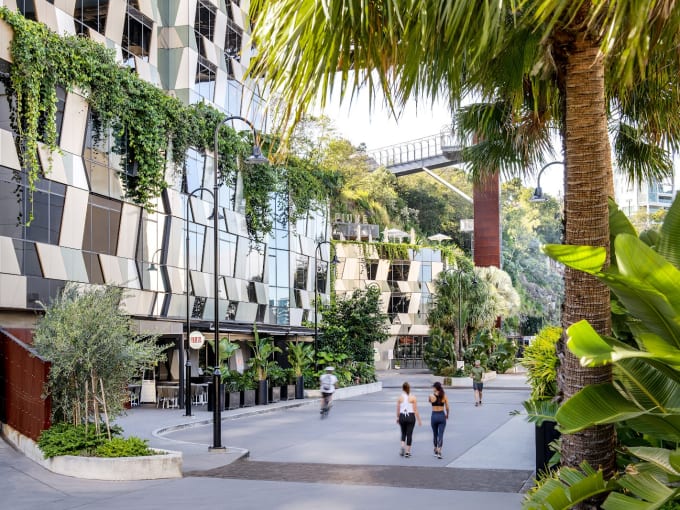
For the major cities in the south-east, two windows often stand out. From September to November, and then from March to May, temperatures are more stable. Outdoor terraces function better. Urban walking stays become simpler. Sydney experiences strong demand around the Australian summer. December and January see prices rise. Large rooms with views can then exceed 900 euros all-inclusive. Outside peak times, a very good urban address can remain between 400 and 700 euros all-inclusive. Melbourne follows a similar logic, with variations linked to major events. Southbank and the cultural centre remain more fluid outside conference weeks and major sporting events.
For nature stays, the season weighs more heavily than the brand. Bamurru Plains is best experienced during the dry season, generally from May to October. Wildlife observation becomes more consistent, and travel is easier. In the Flinders Ranges, Arkaba Homestead is clearer between April and October. Days allow for long excursions, and the heat is more bearable. These periods do not always imply lower prices. They often correspond to the best window for understanding the terrain. The budget must therefore be planned accordingly. During these dates, a lodge can exceed 1,200 to 1,800 euros all-inclusive per night, depending on the inclusion of meals and activities.
Lord Howe follows yet another logic. Capella Lodge depends on limited island capacity. Demand quickly concentrates during temperate periods. It is advisable to aim for several months in advance, especially for a stay of 3 to 4 nights. Flights also reduce flexibility. For a combined itinerary, the order matters greatly. Starting with Sydney or Melbourne helps to adjust to the time difference. Ending with an island or lodge adds more depth to the journey. The right time thus depends less on the country than on the type of hotel chosen. This is what allows for the selection of the right address.
The Useful Booking Advice
In Australia, the real benefit comes less from an upgrade than from a well-structured itinerary that balances city, nature, and island experiences.
On a trip lasting 10 to 14 nights, a simple structure often works best. Spending three nights in a city at the start helps acclimatise to the long-haul flight. Adding three nights in nature in the middle adds depth to the experience. Concluding with two to four nights by the beach or on an island rounds off the journey nicely. This arrangement reduces the burden of transfers and helps manage the budget. Urban nights typically range from €400 to €800, while lodge nights often exceed €1,200. By mixing categories, the overall cost remains clearer. This approach is often more effective than a succession of large city hotels.
The second point concerns the room itself. In the city, it is advisable to invest in a higher floor, a good view, and sound insulation. The immediately superior category does not always offer more utility. A well-placed, high-quality room can suffice. However, on an island or in the outback, it is essential to aim for a category that provides the right orientation. Privacy is also a significant factor. The reading of the site changes entirely in this context. Capella Lodge and Bamurru Plains exemplify this point well. The price difference is substantial, as is the difference in experience. Conversely, Adina Apartment primarily requires checking the size, bedding, and long-stay amenities.
The third point relates to timing. For Lord Howe, it is best to secure flights and accommodation simultaneously. For the outback, validating the right season is crucial first. In Sydney and Melbourne, major events can shift prices by several hundred euros. The most useful advice remains straightforward: first, book the rare segments. Then adjust urban nights around them. This is the cleanest method to avoid costly compromises. If only one recommendation were to remain, it would be this one. It naturally prepares for a detailed reading of the 17 hotels in the ranking.





Choosing based on the planned trip
The right Australian hotel primarily depends on the purpose of the trip, followed by the manageable rhythm between city, coast, island, and nature.
For a first trip, the most straightforward combination often remains urban. Sydney provides a direct entry into the country. The harbour, The Rocks, and Circular Quay quickly structure the stay. Capella Sydney suits this scenario well. The traveller seeks a central base, stable service, and proper room maintenance. The indicative all-inclusive budget often ranges between 450 and 900 euros, depending on the season. For Melbourne, the logic shifts slightly. Southbank appeals more to travellers interested in culture, gastronomy, and professional engagements. A large hotel primarily serves as a circulation base. A view holds value only if accompanied by good access and genuine quiet.
For a longer or family stay, the question of space becomes paramount. Adina Apartment may then be more suitable than a palace. Kitchen facilities, laundry, and space change the equation from the third night onwards. Over 5 to 7 nights, this autonomy can compensate for the lack of ceremonial aspects. The indicative all-inclusive budget can remain between 220 and 450 euros, depending on the city and period. For a couple on a significant trip, the logic often reverses. A representative address or a private island experience is worth more than a simple large apartment. One must then balance between view, intimacy, credible dining, and ease of access. Prices rise quickly, but the usage becomes clearer.
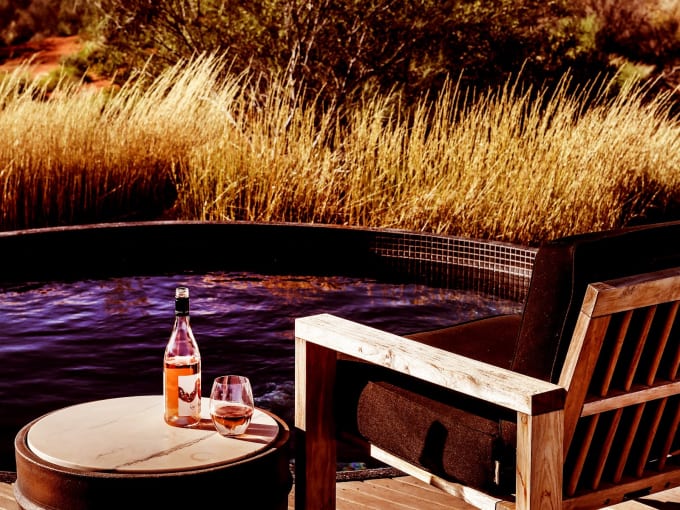
For nature, it is better to be precise. Arkaba Homestead suits a couple seeking land, conservation, and a nuanced understanding of the outback. This is not a simple relaxation stay. Bamurru Plains appeals more to those prioritising wildlife and immersion. Capella Lodge caters to another desire. The island, walking, the sea, and the rarity of access dominate. In these three cases, 3 nights often constitute the minimum useful duration. Below this, transport time weighs too heavily. The right decision is therefore to choose a usage, then a geography. This is where operational advice saves the most time.