

Nos critères pour classer les hôtels design de Provence
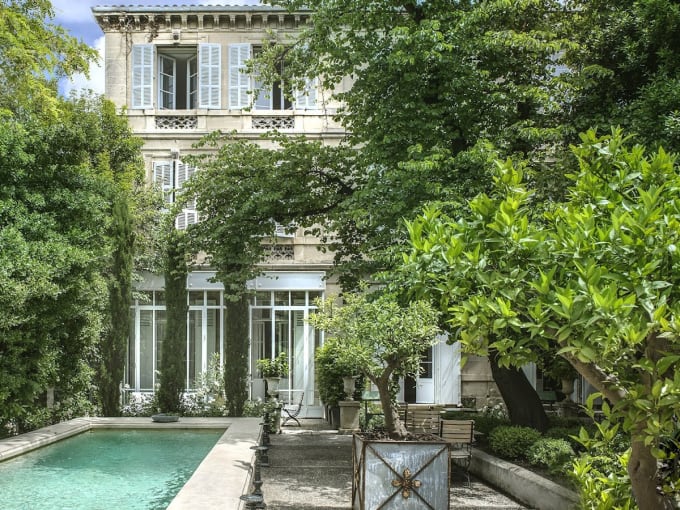
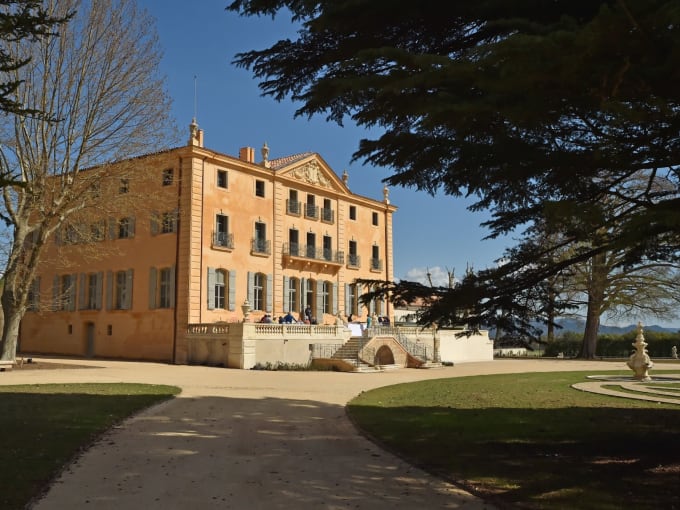
Pour classer les hôtels design de Provence, nous partons d’un principe simple. Le design ne se réduit ni à un mobilier signé, ni à une photogénie de façade. Nous regardons d’abord l’architecture dans son ensemble. Le bâtiment a-t-il une logique claire, lisible, assumée. S’agit-il d’une bastide réinterprétée, d’un domaine agricole restauré, d’une maison contemporaine, ou d’un dialogue entre plusieurs époques. Nous évaluons la qualité de cette transformation. Une adresse retient notre attention quand le projet respecte la structure d’origine, tout en proposant une vision actuelle. La circulation, la lumière, les proportions, les ouvertures et le rapport entre intérieur et extérieur comptent autant que le décor. À retenir. Un hôtel design crédible ne plaque pas un style. Il construit un langage cohérent, du volume général jusqu’au détail d’usage.
Le deuxième critère porte sur la signature décorative. Nous observons les matériaux, leur sincérité et leur continuité. Pierre, chaux, bois, terre cuite, métal patiné, lin, cuir, verre, béton minéral. En Provence, ces choix doivent dialoguer avec le climat, la lumière et les paysages. Une palette trop démonstrative vieillit vite. Une palette juste accompagne les heures du jour. Nous regardons aussi le dessin du mobilier, l’intégration des œuvres, le traitement des salles de bains, l’acoustique, ainsi que la qualité des textiles. Ce que nos conseillers observent souvent. Les meilleures adresses savent créer une atmosphère sans surcharge. Elles évitent l’accumulation d’objets décoratifs. Elles privilégient les matières, les lignes et la respiration. Le design se juge aussi à sa tenue dans le temps. Une chambre peut être spectaculaire en image, mais moins convaincante après plusieurs nuits. Nous valorisons donc les projets où l’esthétique sert réellement le confort.
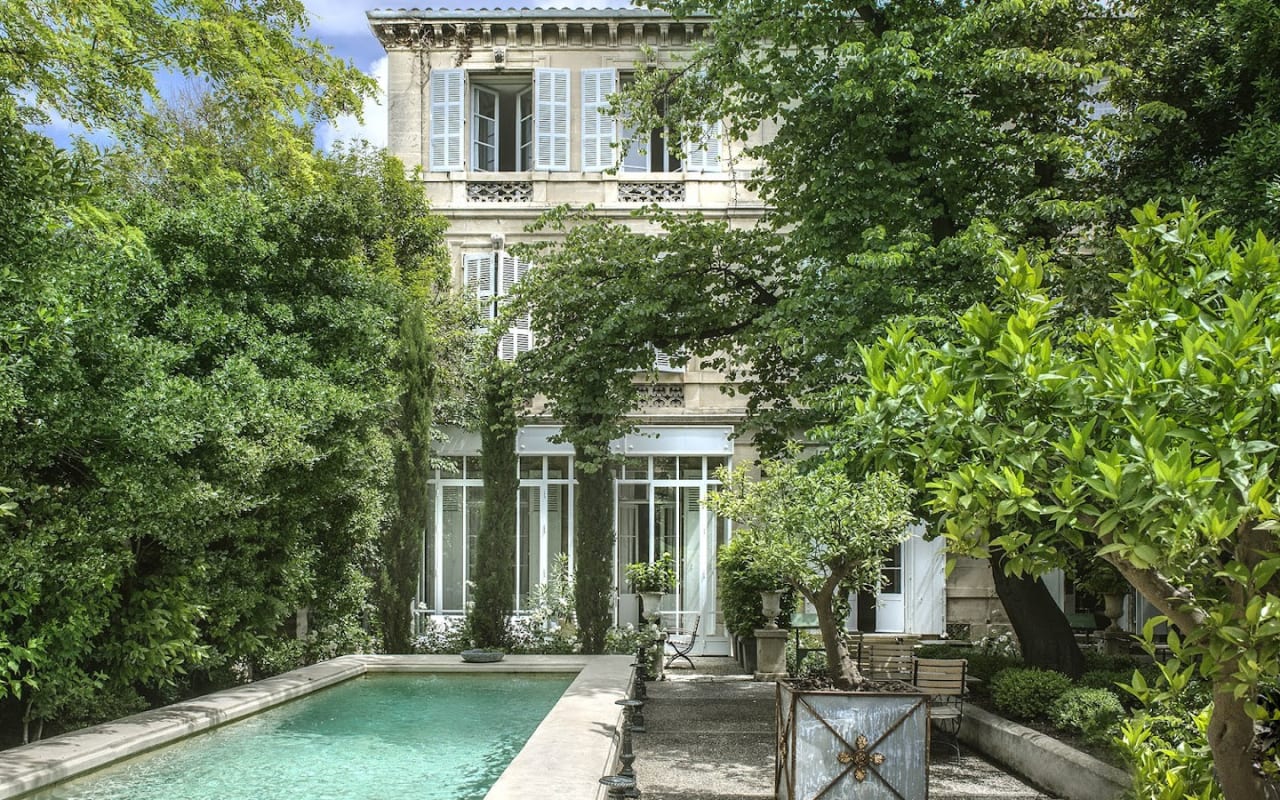
Un hôtel design de Provence doit aussi entretenir un rapport juste avec son territoire. C’est un critère central dans notre lecture. Le paysage provençal n’est pas un simple décor. Il impose une échelle, une couleur, un rythme, une manière d’habiter l’extérieur. Nous regardons la façon dont l’hôtel cadre les vues, protège de la chaleur, utilise les patios, les terrasses, les jardins, les oliveraies ou les restanques. Nous accordons de l’importance à la continuité entre chambre, restaurant, piscine et espaces communs. Quand le projet est réussi, on perçoit une même intention partout. Mon conseil. Méfiez-vous des adresses où le design s’arrête au lobby. En Provence, la crédibilité se joue souvent dehors. Une terrasse mal pensée, un mobilier extérieur incohérent ou un jardin traité sans finesse peuvent affaiblir l’ensemble. À l’inverse, un paysage bien intégré donne de la profondeur au projet.
La qualité d’expérience pèse enfin lourd dans le classement. Un hôtel design n’est pas seulement une composition visuelle. Il doit être fluide à vivre. Nous regardons la lisibilité des espaces, l’intimité des chambres, la qualité du sommeil, la fonctionnalité des rangements, la lumière du soir, le calme, ainsi que la facilité d’usage des salles d’eau. Le service entre aussi dans notre analyse. Pas pour ajouter un critère étranger au design, mais parce qu’un lieu bien pensé appelle un service à la même hauteur. Une équipe attentive, discrète et précise renforce la cohérence du séjour. La table compte également. Non comme argument séparé, mais comme prolongement du projet. Vaisselle, mise de table, architecture de la salle, rapport à la terrasse, sourcing local et saisonnalité participent à une lecture design complète. Enfin, nous valorisons l’ancrage local quand il est réel. Artisans, producteurs, artistes, savoir-faire régionaux, ou restauration respectueuse du bâti. Ce sont des indices concrets. Ils distinguent les adresses qui interprètent la Provence de celles qui l’utilisent comme simple image.
Questions sur cette section
Qu’entendez-vous exactement par “design” dans un hôtel en Provence ?
Ici, le design désigne une intention globale. Il ne s’agit pas seulement d’un mobilier contemporain ou d’une belle palette de couleurs. Nous parlons d’une architecture lisible, d’une mise en scène juste de la lumière, de matériaux cohérents et d’une relation réussie au paysage provençal. Un hôtel design convaincant organise mieux l’espace et améliore l’usage. Mon conseil : chercher la cohérence entre esthétique, confort et identité locale, plutôt qu’un style spectaculaire.
Pourquoi la Provence est un terrain fort pour l’hôtellerie design
La Provence offre un terrain rare au design hôtelier, parce que son patrimoine bâti impose d’emblée une méthode. Ici, on ne part pas d’une page blanche. On travaille avec des bastides, des mas, des domaines agricoles, des couvents parfois, des villages de pierre et des reliefs très lisibles. Cette matière architecturale crée une contrainte forte. C’est précisément ce qui rend la région intéressante. Le design n’y consiste pas à plaquer un style. Il s’exprime dans l’édition des volumes, la circulation de la lumière, la justesse des proportions et le choix des matières. À retenir : en Provence, les projets les plus convaincants sont souvent ceux qui savent retirer plutôt qu’ajouter. La sobriété des lignes y a plus de sens qu’un décor démonstratif.
L’autre donnée décisive, c’est la lumière. Elle n’est pas un cliché de brochure. Elle conditionne réellement la manière de concevoir un hôtel. Les façades claires, les enduits minéraux, les sols en pierre, les bois peu teintés et les textiles naturels répondent à une intensité lumineuse très particulière. Dans beaucoup d’adresses, les architectes d’intérieur cherchent moins l’effet que la tenue visuelle sur la durée du jour. Une chambre provençale réussie ne dépend pas seulement de son mobilier. Elle dépend de son ombre, de sa fraîcheur, de ses ouvertures et de sa relation au paysage. Ce que nos conseillers observent souvent, c’est cette capacité des meilleurs hôtels design à faire dialoguer dedans et dehors. Une terrasse, un patio, une cour gravillonnée ou un jardin régulier deviennent alors des pièces à part entière.
La Provence est aussi une région où la réhabilitation a pris une place centrale. C’est un point important pour comprendre l’offre actuelle. Beaucoup d’hôtels design y naissent d’un bâti existant, avec ses murs épais, ses contraintes structurelles et ses traces d’usage. Le travail consiste donc à préserver sans figer. On garde une charpente, une géométrie de façade, un escalier, un rythme de fenêtres. Puis on simplifie. On allège les décors. On réorganise les suites pour répondre aux attentes contemporaines. On améliore l’isolation, le confort thermique et les circulations, sans effacer la mémoire du lieu. Cette approche explique pourquoi le design provençal le plus juste paraît souvent calme. Il ne cherche pas à rivaliser avec le patrimoine. Il l’accompagne. Mon conseil : se méfier des projets qui veulent trop prouver leur modernité. En Provence, la sophistication la plus crédible est souvent discrète.
Les matériaux locaux jouent enfin un rôle structurant. Pierre calcaire, terre cuite, chaux, bois, ferronnerie, lin, rotin ou céramique composent un vocabulaire cohérent avec le territoire. Leur intérêt n’est pas seulement esthétique. Ils portent une logique climatique et artisanale. Les sols gardent la fraîcheur. Les murs respirent mieux. Les teintes sourdes absorbent la lumière au lieu de la durcir. C’est là que l’hôtellerie design provençale trouve sa singularité. Elle peut produire des lieux très contemporains, tout en restant ancrée. Le résultat le plus réussi n’est ni rustique, ni muséal, ni internationalisé. Il assume une forme de retenue. Cette retenue laisse parler le paysage, les vues, les senteurs et le silence.
Si la Provence compte aujourd’hui parmi les territoires les plus convaincants pour ce segment, c’est donc pour une raison simple. Le design y est obligé d’être contextuel. Il doit composer avec l’histoire, le climat, les usages et une identité visuelle déjà très forte. Cela donne des hôtels où l’expérience repose moins sur un geste spectaculaire que sur une cohérence d’ensemble. C’est cette cohérence que nous valorisons dans ce classement. Elle distingue les adresses qui rénovent avec intelligence, utilisent les matériaux avec discernement et modernisent sans neutraliser l’âme provençale.
Questions sur cette section
Pourquoi la Provence se prête-t-elle si bien aux hôtels design ?
Parce que la région offre une matière très forte au design hôtelier. La lumière, la pierre, les mas, les bastides, les jardins secs et les vues ouvertes imposent un dialogue avec le lieu. Les meilleures adresses ne copient pas un style international. Elles réinterprètent des volumes simples, des teintes minérales et des usages méditerranéens. Ce que nos conseillers observent : en Provence, le design fonctionne quand il respecte le climat, le silence et la relation dedans-dehors.
Tendances 2025-2026 des hôtels design en Provence
En Provence, le design hôtelier change de registre. Il ne cherche plus seulement une image nette, photogénique, immédiatement lisible. Les adresses les plus actuelles travaillent désormais la sensation d’habiter un lieu. Cela se voit d’abord dans les suites. Elles deviennent plus résidentielles, avec des volumes mieux distribués, des salons utiles, des terrasses pensées pour durer, et une circulation plus fluide. Le client ne veut plus seulement une belle chambre. Il attend un rythme de séjour, presque domestique, mais porté par des finitions plus exigeantes. À retenir: un hôtel design actuel se reconnaît souvent à la façon dont il organise le temps long. On y lit moins d’effets, et davantage d’usage. C’est une évolution importante en Provence, où bastides, domaines et maisons de village imposent une relation concrète à l’espace. Le décor seul ne suffit plus. Il faut une vraie intelligence du plan, de la lumière, et de la vie quotidienne.
Autre tendance nette, l’art contemporain est mieux intégré. Pendant longtemps, certaines adresses juxtaposaient architecture régionale et pièces d’art comme un signe de distinction. La logique change. Les projets les plus convaincants intègrent désormais l’art dans la narration du lieu. Les œuvres dialoguent avec les matières, les perspectives, les patios, les couloirs, parfois même avec la restauration du bâti. Ce que nos conseillers observent, c’est une attente de cohérence. Le voyageur averti repère vite la différence entre une collection posée après coup et une direction artistique pensée dès l’origine. En Provence, cette exigence est particulièrement visible, car le contexte est fort. Pierre, chaux, bois, ferronnerie, volets, jardins et lumière imposent une discipline. L’art fonctionne mieux lorsqu’il accompagne cette grammaire, au lieu de la contredire. Le design actuel n’efface donc pas le territoire. Il le cadre, le précise, et parfois le met à distance avec mesure.
La restauration des bâtiments existants s’impose aussi comme un marqueur central. C’est sans doute l’un des points qui distinguent aujourd’hui une adresse contemporaine d’un simple décor soigné. Réhabiliter une bastide, un mas, un couvent, une maison de maître ou un domaine agricole demande plus qu’un bon mobilier. Il faut résoudre des questions de proportions, de fraîcheur, d’acoustique, d’ouvertures, et de lisibilité des circulations. Les meilleurs projets assument les traces du bâti ancien. Ils ne les maquillent pas systématiquement. Mon conseil: regardez comment un hôtel traite ses seuils, ses escaliers, ses sols, et ses transitions intérieur-extérieur. C’est souvent là que se joue la crédibilité du projet. En Provence, cette approche répond aussi à une attente culturelle plus large. Le luxe n’est plus associé à l’effacement complet du passé. Il passe davantage par une restauration lisible, précise, et respectueuse des usages contemporains.
Les jardins, eux, ne sont plus des arrière-plans. Ils deviennent des espaces de vie à part entière. Cette évolution est décisive dans une région où l’extérieur structure l’expérience presque autant que la chambre. Les hôtels design les plus actuels composent avec l’ombre, le vent, les essences locales, les bassins, les terrasses, et les cheminements. Le jardin n’est plus seulement contemplatif. Il accueille le petit déjeuner, la lecture, les rendez-vous, parfois le soin, souvent l’apéritif. Cette mise en scène reste discrète quand elle est bien faite. Elle repose moins sur l’ornement que sur le confort réel. Assises justes, zones d’intimité, vues ménagées, et continuité des matières comptent davantage qu’une simple accumulation végétale. Enfin, on voit monter un luxe plus tactile. Lin lavé, bois brossé, céramique, pierre adoucie, enduits minéraux, rideaux plus épais, et palettes moins démonstratives. Le design provençal le plus actuel ne cherche pas à impressionner en un regard. Il cherche à convaincre par contact, par usage, et par justesse. C’est probablement ce qui sépare aujourd’hui une adresse de fond d’un hôtel seulement bien stylisé.
Questions sur cette section
Quelles tendances design voit-on émerger en Provence pour 2025-2026 ?
Nous voyons surtout une évolution vers plus de sobriété et de matière. Les lignes restent nettes, mais les intérieurs deviennent moins démonstratifs. Le bois, la chaux, la céramique, les textiles naturels et les teintes terre prennent le pas sur les effets décoratifs. L’expérience sensorielle compte davantage, avec une attention au silence, à l’ombre et à la ventilation naturelle. À retenir : la tendance forte n’est pas le spectaculaire. C’est la justesse, avec une vraie conscience du lieu.
Quand le design se prolonge à table
Dans un hôtel design, la table confirme souvent la promesse formulée dès l’arrivée. En Provence, cette continuité est particulièrement lisible. Les matériaux, la lumière et le paysage entrent dans l’expérience culinaire. Une salle à manger réussie ne se contente pas d’être belle. Elle organise le regard, le rythme du service et la relation au produit local. C’est là que le design devient concret. Il passe par une terrasse cadrée sur les vignes, une vaisselle choisie avec précision, une cave visible, ou une cuisine ouverte sur le jardin. À retenir : dans cette région, la gastronomie n’est presque jamais un simple service annexe. Elle participe à l’identité complète de l’adresse.
Ce que nos conseillers observent souvent en Provence, c’est une mise en scène plus sensorielle que démonstrative. Les hôtels les plus convaincants évitent le décor plaqué. Ils travaillent plutôt la cohérence. Une bastide restaurée appelle une table qui respecte ses volumes. Un domaine viticole gagne à montrer sa cave, ses récoltes ou ses vues. Une adresse plus contemporaine peut, elle, jouer sur des contrastes nets. Bois clair, pierre brute, céramique mate, nappage précis, éclairage bas le soir. Le design culinaire se lit aussi dans la circulation. Comment on passe du bar à la terrasse. Comment le petit déjeuner dialogue avec le jardin. Comment le dîner change de tonalité à la tombée du jour. Mon conseil : regardez toujours où l’on prend les repas, pas seulement la chambre. En Provence, beaucoup de la personnalité d’un hôtel se révèle là.
La région s’y prête naturellement, car la cuisine provençale repose sur des éléments très visuels. L’huile d’olive, les herbes, les agrumes, les légumes d’été, les poissons de Méditerranée et les vins locaux composent une palette identifiable. Lorsqu’un hôtel design traite bien sa restauration, il ne force pas cette palette. Il la cadre. Une belle table provençale n’a pas besoin d’accumuler les signes folkloriques. Elle gagne à laisser parler la saison, la couleur des produits et la simplicité des matières. Cela vaut aussi pour la cave. En Provence, la présence du vin structure souvent l’esthétique d’une adresse. Une carte ancrée dans les appellations voisines, un chai visible ou un service pensé autour des rosés, blancs et rouges régionaux renforcent la lecture du lieu. Le lien entre design et gastronomie devient alors très clair. On ne mange pas seulement bien. On comprend mieux où l’on séjourne.
Il faut aussi compter avec le rôle des extérieurs. Peu de régions françaises offrent une telle importance aux repas en terrasse. Or une terrasse n’est pas un simple supplément. C’est un dispositif de mise en scène. Son orientation, son ombre, son mobilier et sa relation au paysage changent profondément l’expérience. Un déjeuner sous des platanes n’exprime pas la même chose qu’un dîner face aux collines ou qu’un petit déjeuner dans une cour minérale. Les meilleurs hôtels design de Provence savent articuler ces moments. Ils donnent une fonction claire à chaque espace. Le bar n’empiète pas sur la table gastronomique. Le poolside reste lisible. Le restaurant principal garde sa personnalité, de jour comme de nuit. Cette précision compte. Elle évite l’effet de décor et crée une vraie mémoire de séjour.
Enfin, la table reste un excellent révélateur du niveau d’exécution global. Une chambre très bien dessinée peut impressionner à l’arrivée. Le restaurant, lui, teste la cohérence dans la durée. Qualité acoustique, confort d’assise, rythme du service, lisibilité de la carte, température lumineuse, choix des verres et attention portée au petit déjeuner. Tout se voit. C’est souvent là que se distingue une adresse simplement photogénique d’un hôtel réellement abouti. En Provence, cette exigence prend encore plus de sens, car l’attente autour du produit local est élevée. Le design ne doit jamais masquer le goût. Il doit l’accompagner. C’est la bonne mesure. Quand la scénographie culinaire est juste, elle prolonge l’architecture sans la répéter. Elle donne au séjour une profondeur supplémentaire. Et elle transforme le repas en signature durable de l’hôtel.
Bien-être, matières et rythme provençal
En Provence, un spa convaincant ne repose pas seulement sur sa carte de soins. Il tient aussi à l’architecture intérieure. Il tient à la manière dont la lumière entre. Il tient au silence que les volumes savent préserver. Dans les hôtels design de la région, nous regardons donc autant les protocoles que les matières. Pierre claire, bois patiné, chaux, lin, céramique, béton ciré ou marbre ne produisent pas le même repos. Un bassin peut être réussi techniquement. Il peut pourtant manquer de respiration. À l’inverse, une petite zone bien-être peut marquer durablement. Il suffit d’un patio protégé, d’une cabine bien proportionnée et d’une circulation fluide. À retenir : en Provence, le bien-être commence souvent avant le soin. Il commence dans la sensation thermique d’un mur. Il commence dans l’ombre posée par une voûte. Il commence dans la distance juste entre la chambre, la piscine et l’espace de repos.
Ce que nos conseillers observent d’abord, c’est le rythme général du lieu. Les meilleurs hôtels design de Provence savent ralentir sans figer. Ils évitent l’effet clinique. Ils évitent aussi la surcharge décorative. Le spa s’inscrit alors dans une continuité naturelle avec le reste de l’hôtel. On retrouve les mêmes tonalités minérales. On retrouve une palette sourde, souvent inspirée du paysage local. Les patios jouent un rôle central. Ils amènent une lumière indirecte. Ils ménagent une transition douce entre intérieur et extérieur. Dans cette région, cet entre-deux compte beaucoup. Il permet de sortir d’un soin sans rupture brutale. Il permet aussi de prolonger la détente sur une banquette, à l’ombre, plutôt que dans une salle d’attente trop fermée. Mon conseil : regardez toujours comment un hôtel traite ses espaces de repos. C’est souvent là que se voit la maturité du projet design.
La qualité d’un bassin se lit elle aussi dans des détails précis. La vue compte, bien sûr, mais elle ne suffit pas. Nous privilégions les piscines et couloirs de nage qui dialoguent avec le site. Une ligne d’eau face aux oliviers n’a pas le même impact qu’un bassin enclavé. La profondeur des margelles, la texture du sol, la présence d’un vent léger ou d’une végétation filtrante changent l’expérience. En Provence, la lumière peut être très forte. Les hôtels les plus justes savent donc créer des zones de retrait. Pergolas, voiles d’ombrage, galeries, murs épais et plantations deviennent des outils de bien-être. Les cabines de soin suivent la même logique. Les plus convaincantes ne cherchent pas l’effet. Elles travaillent l’acoustique. Elles ménagent une pénombre stable. Elles utilisent des matériaux qui absorbent, plutôt que des surfaces trop brillantes. La sensation de calme vient souvent de là. Elle vient d’une pièce qui ne résonne pas. Elle vient d’une table bien placée. Elle vient d’une douche pensée comme un sas.
Dans notre lecture éditoriale, le design bien-être le plus pertinent en Provence reste celui qui respecte le climat et le bâti. Un ancien domaine agricole n’appelle pas le même spa qu’une adresse plus contemporaine. Une bastide restaurée supporte mieux des espaces intimistes, fragmentés et très texturés. Un hôtel plus architectural peut assumer des lignes plus nettes et des volumes plus ouverts. Dans les deux cas, la cohérence prime. Nous valorisons les lieux où le spa n’est pas un appendice. Il doit prolonger la narration de l’hôtel. Il doit reprendre ses codes, sans les caricaturer. Cela vaut pour le mobilier. Cela vaut pour les senteurs. Cela vaut pour la relation au jardin. Les meilleures adresses savent aussi doser la technologie. Hammam, sauna, bain froid ou équipements avancés ont leur place. Mais ils doivent rester au service d’une expérience lisible. En Provence, le luxe du bien-être tient souvent à une chose simple. On sort d’un soin. On retrouve une cour calme, une pierre tiède, une lumière basse. Et tout paraît à sa juste mesure.
Questions sur cette section
Dans un hôtel design en Provence, le spa et le slow living apportent-ils une vraie valeur ?
Oui, si ces éléments sont intégrés avec cohérence. En Provence, le bien-être prend tout son sens quand il prolonge l’architecture, le paysage et le rythme du séjour. Un spa bien pensé, une piscine discrètement implantée, des espaces de repos ombragés ou des terrasses silencieuses changent réellement l’expérience. Mon conseil : ne regardez pas seulement la taille des équipements. Évaluez leur insertion dans le lieu, leur calme et leur usage au fil de la journée.
Les hôtels design de Provence à privilégier en couple
En Provence, un hôtel design n’est pas automatiquement une bonne adresse pour un séjour à deux. La différence se joue souvent après le coucher du soleil. Elle tient à la manière dont l’espace protège l’intimité, cadre la vue, ralentit le rythme et donne envie de rester sur place. À retenir : une chambre très signée peut impressionner au premier regard, sans offrir cette sensation de retrait que l’on cherche en couple. Ce que nos conseillers observent, c’est l’équilibre entre esthétique et usage. Une belle suite compte, mais la présence d’une terrasse privée, d’une baignoire généreuse, d’un salon séparé ou d’un service de restauration convaincant change réellement l’expérience.
Dans cet esprit, les adresses les plus pertinentes sont celles qui savent créer une soirée complète. Le couple n’a pas seulement besoin d’un décor. Il a besoin d’un lieu où l’on peut arriver, dîner, prolonger la conversation dehors, puis retrouver une chambre pensée pour la décompression. En Provence, cela passe souvent par des volumes bas, des matières minérales, des ouvertures sur les vignes, les oliviers ou les collines. La vue n’est pas un détail. Elle agit comme une extension de la chambre. Une terrasse bien orientée, un patio discret ou un bain placé face au paysage valent parfois davantage qu’une démonstration décorative trop appuyée. Mon conseil : regardez toujours la relation entre la suite et ses extérieurs. C’est souvent là que se décide la dimension romantique d’un séjour.
Les hôtels design les plus convaincants pour deux évitent aussi l’effet galerie. Une scénographie très conceptuelle peut séduire, mais elle devient moins pertinente si elle réduit le confort ou la confidentialité. Pour une escapade en couple, nous privilégions les adresses où le dessin des espaces sert la relation. Cela veut dire des circulations fluides, des assises où l’on peut vraiment s’installer, une lumière du soir travaillée, et une salle de bain qui ne ressemble pas à un simple appendice technique. Les grands bains, les douches doubles, les chambres avec coin salon et les suites suffisamment éloignées les unes des autres sont des marqueurs utiles. Le restaurant compte aussi beaucoup. Un établissement de destination, ou simplement une table très juste, permet d’éviter la rupture de rythme. On reste dans la même atmosphère, ce qui renforce la sensation de parenthèse.
Il faut enfin distinguer l’escapade esthétique de la vraie expérience de couple. La première repose sur des images fortes, une architecture lisible, une promesse visuelle immédiate. La seconde ajoute la douceur d’usage. On s’y sent attendu, pas exposé. Le service comprend le tempo d’un séjour à deux. Il sait proposer la bonne table, préserver la tranquillité, organiser un apéritif en terrasse ou recommander la suite la plus retirée. En Provence, cette nuance est essentielle. Beaucoup d’hôtels savent mettre en scène la lumière, les matières et le paysage. Les meilleurs pour un séjour en couple sont ceux qui transforment cette mise en scène en intimité réelle. C’est cette conversion, du beau vers le vécu, que nous regardons ici. Elle explique pourquoi certaines adresses restent de belles signatures design, tandis que d’autres deviennent de vraies destinations à partager à deux.
Ce que l’on paie vraiment dans un hôtel design en Provence
Dans un hôtel design en Provence, le prix ne rémunère pas seulement une belle image. Il agrège plusieurs couches très concrètes. D’abord, le coût du lieu lui-même. Un domaine vaste, des vues ouvertes, une adresse rare près d’un village recherché, ou un bâtiment patrimonial restauré, créent une base tarifaire élevée. Ensuite, il y a le projet architectural. Quand l’architecture structure les circulations, la lumière, les volumes et le rapport au paysage, l’investissement se voit partout. Il ne se limite pas au lobby ou à deux suites signatures. À retenir : un tarif élevé devient plus lisible quand le design améliore réellement la manière d’habiter l’hôtel, du réveil au dîner, puis jusqu’aux espaces de bien-être.
Notre synthèse pour choisir la bonne adresse
Au moment de choisir, le bon réflexe consiste à partir de votre usage réel du séjour. En Provence, le design ne raconte pas une seule histoire. Il prend des formes très différentes selon l’adresse, son implantation et son héritage architectural. Certaines maisons travaillent la discrétion, avec peu de chambres, des lignes sobres et un rapport direct au paysage. D’autres assument une mise en scène plus visible, portée par l’art, le mobilier ou une architecture contemporaine affirmée. À retenir, donc, une règle simple. Ne cherchez pas seulement un bel hôtel. Cherchez la forme de design qui accompagnera votre rythme, votre budget et votre manière d’habiter le lieu pendant deux nuits ou une semaine entière.
Si votre priorité est la retraite discrète, privilégiez les hôtels où l’espace prime sur l’effet. Nos conseillers observent que ce profil fonctionne particulièrement bien pour les voyageurs qui veulent ralentir. Ils cherchent moins une adresse à montrer qu’un lieu à vivre. Dans ce cas, regardez la densité du domaine, la taille des extérieurs, la présence de patios, jardins, terrasses privées ou bassins. Vérifiez aussi la circulation entre chambre, restaurant et spa. Un hôtel design réussi pour ce type de séjour doit rester fluide. Il ne doit jamais donner l’impression d’un décor figé. Pour un week-end gastronomique, le filtre change. Il faut alors évaluer la cohérence entre la table et l’hôtel. Le restaurant ne doit pas être un simple atout séparé. Les meilleures adresses sont celles où l’assiette, la salle, la lumière et le service prolongent la même vision.
Pour un séjour en couple, nous conseillons de regarder au-delà des images. Une chambre photogénique ne suffit pas. Ce qui compte, ce sont les détails d’usage. La qualité de l’insonorisation, l’intimité des terrasses, la générosité des salles de bains et la possibilité de dîner sans rigidité comptent souvent davantage. Le design devient alors un cadre de relation, pas un objet de contemplation. Les voyageurs attirés par l’architecture, eux, ont intérêt à être plus exigeants. Il faut distinguer les hôtels qui utilisent un vocabulaire décoratif tendance de ceux qui proposent une vraie lecture du lieu. Réhabilitation d’une bastide, dialogue entre pierre ancienne et volumes contemporains, travail sur les matières locales, usage mesuré de la couleur, rapport à la lumière provençale. Ce sont ces éléments qui donnent de la tenue à une adresse.
Mon conseil, enfin, est de ne pas opposer émotion et méthode. Un classement éditorial sert à ouvrir des pistes, mais la bonne décision repose sur quelques questions concrètes. Voulez-vous sortir et rayonner, ou rester sur place la plupart du temps. Cherchez-vous une parenthèse silencieuse, une table forte, un spa structurant ou une expérience d’architecture. Voyagez-vous pour célébrer quelque chose, ou simplement pour changer de rythme. En Provence, les meilleurs hôtels design sont rarement interchangeables. C’est précisément leur intérêt. Ils proposent chacun une manière différente d’habiter la région, entre patrimoine, création contemporaine et hospitalité.
Notre synthèse est donc simple. Pour se décider, il faut lire chaque adresse comme un scénario de séjour. Certaines conviennent mieux à une échappée courte et très visuelle. D’autres gagnent à être vécues plus lentement, parce que le paysage, les matières et les usages y prennent du temps. Si vous hésitez entre plusieurs profils, partez de ce que vous voulez ressentir au réveil et au retour du dîner. C’est souvent là que se joue le bon choix. Et si vous souhaitez arbitrer entre deux ou trois options, Le Concierge peut vous orienter avec précision, selon la saison, la durée et vos priorités réelles.