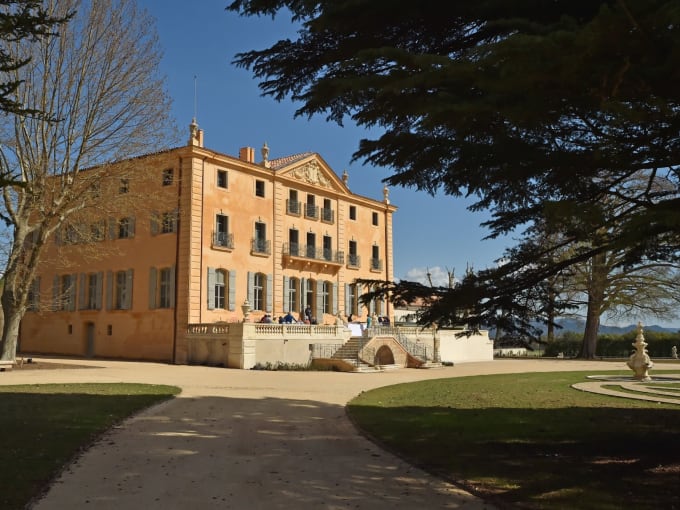
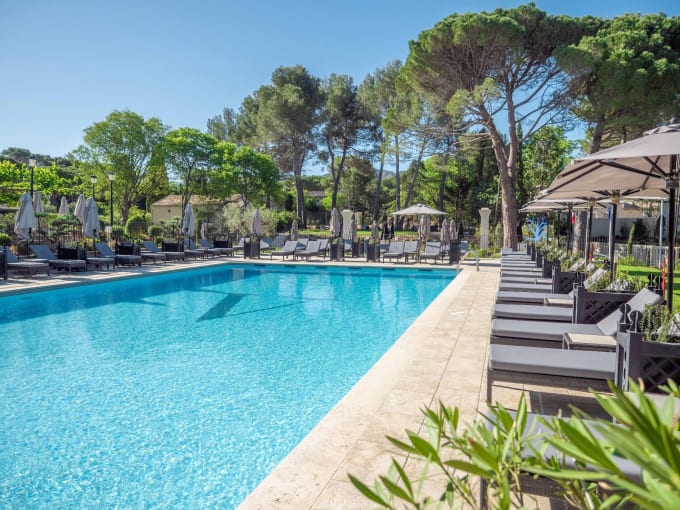
The Provençal countryside stands out as a unique case within French hospitality. It boasts a rare density of characterful addresses across a distinctly navigable territory. Here, luxury is not merely defined by monumental grandeur; it is also measured by the quality of a location, the upkeep of a property, the finesse of its cuisine, and the manner in which one inhabits a landscape. Between the Luberon, the Alpilles, and the Aix-en-Provence hinterland, Provence offers various interpretations of rural stays. Some prioritise views and tranquillity, while others draw on aristocratic heritage, the bastide spirit, or a more contemporary take on the estate. In this ranking, we consider the countryside as a holistic experience, engaging with architecture, proximity to cities, the relationship with nature, and a hotel's ability to convey the essence of Provence without resorting to folklore.
At MyConciergeHotel, we do not rank a postcard; we rank hotels based on concrete criteria. For this selection, we first observe the genuine rural grounding. A countryside hotel must offer a tangible connection to the landscape, gardens, vineyards, olive groves, or open space. We then assess the coherence between the location and the level of hospitality. While Palace status, five-star category, or membership in a prestigious collection are important, they are not sufficient on their own. We also consider the quality of the building, the comfort of the rooms, the presence of a spa or pool, the strength of a viewpoint, and the ability to provide a stay that transcends mere overnight accommodation. What our advisors particularly focus on is balance. A great countryside address must know how to slow down without becoming tedious.
The Provençal panorama is more varied than it may seem. In Gordes, Airelles Gordes, La Bastide, and Les Bories & Spa embody two distinct approaches to the Luberon. One relies on an emblematic village and a highly structured interpretation of the grand hotel, while the other favours space, dry stone, and a more botanical immersion. In the Alpilles, Baumanière Les Baux-de-Provence, Domaine de Manville, Hôtel Château des Alpilles, Le Saint Rémy & Spa, Le Vallon de Valrugues & Spa, Hôtel de Tourrel, and the surroundings of Saint-Rémy-de-Provence showcase various styles of stay. One can transition from a historic estate to a more contemporary address, from a village refuge to a property open to nature. Around Aix, Villa Gallici, Château de la Gaude, Château de Fonscolombe, Villa La Coste, and Hotel Le Pigonnet present another facet, where the countryside engages more with art, heritage, and cultural proximity.
For 2025 and 2026, several trends are solidifying within this geography. The first concerns the duration of stays. The Provençal countryside is no longer merely a two-night stopover between city and coast; it is becoming a primary destination, often for four to six nights. The second trend relates to pace. Travellers seek hotels capable of offering full days without a saturated programme. A good spa, accessible gardens, a lovely terrace, routes to villages, and solid dining options are becoming decisive factors. The third evolution sees high-end countryside accommodation embracing culture more fully. Villa La Coste exemplifies this, with its dialogue between estate, architecture, and art. Finally, we are witnessing a growing expectation for discretion. Guests desire highly refined places that are less ostentatious. My advice is simple: in Provence, true rural luxury is often expressed through restraint.
This restraint also conveys a certain idea of French luxury. In Provence, it is not solely about service; it is about how a property integrates into its territory. A bastide, a château, a farmhouse, a vineyard estate, or a large wooded property does not offer the same relationship with time. This is precisely what makes the region so intriguing. At Château de Fonscolombe, the experience is rooted in the spirit of a historic residence. At Baumanière Les Baux-de-Provence, it engages with a major site in the Alpilles. At Villa Gallici, the style is more decorative and urban, yet remains relevant for those wishing to radiate towards the Aix countryside. At Domaine de Manville, the relationship with space plays a central role. It is essential to note that Provençal luxury is convincing when it remains grounded; it must evoke stone, shade, pathways, cypress trees, and the right distance between the room and the world.
This ranking should also be approached methodically. A number one does not overshadow the others; it indicates a particularly strong alignment between the promise and the chosen theme. Here, we are discussing the best countryside hotels in Provence, not the best hotels in Provence in a broader sense. This favours addresses where the rural environment is integral to the central experience. A beautiful house in Aix-en-Provence may therefore rank lower than a more remote estate without losing its value. Similarly, a Palace is not automatically placed ahead of an excellent five-star hotel. We prioritise the coherence of the stay. Some travellers will seek a defining view of the Luberon, while others may prefer an estate in the Alpilles or a château near Aix. Our advisors often observe that the right choice depends less on abstract prestige and more on the desired pace.
The following top 10 thus brings together very different establishments, yet united by their shared ability to authentically convey rural Provence.