
Nos critères pour classer les hôtels design du Mexique
Notre méthode commence par l’architecture. Nous regardons d’abord la justesse du bâtiment dans son contexte mexicain. Un hôtel design ne se résume pas à une silhouette photogénique. Il doit dialoguer avec le climat, la lumière, les vents, la végétation et l’échelle du lieu. Au Mexique, ce point est décisif. La chaleur, l’ombre, les patios, les circulations ouvertes et le rapport à l’extérieur comptent autant que la composition des volumes. Nous observons aussi la lisibilité du projet. L’arrivée, les perspectives, les transitions entre espaces publics et privés doivent être pensées avec rigueur. Un hôtel peut être ambitieux sur le plan formel. Il doit aussi rester clair, fluide et agréable à vivre. C’est souvent là que se joue la différence entre une adresse spectaculaire et une adresse durable.
Pourquoi le Mexique occupe une place à part dans l’hôtellerie design
Le Mexique occupe une place singulière dans l’hôtellerie design, car son vocabulaire visuel ne vient pas d’une seule école. Il naît d’un empilement de strates très lisibles. On y retrouve l’héritage préhispanique, les villes coloniales, le modernisme du XXe siècle, puis des écritures plus minérales et tropicales. Cette continuité compte davantage qu’un simple effet de style. Elle explique pourquoi certains hôtels mexicains semblent immédiatement ancrés dans leur lieu. À retenir, le design mexicain convainc quand il relie matière, climat et mémoire. Il perd en intérêt dès qu’il se contente d’aligner des codes décoratifs attendus.
Mexico City joue un rôle central dans cette histoire. La capitale a longtemps servi de laboratoire architectural, entre urbanisme moderne, maisons d’auteur et culture du patio réinventée. Ce contexte a façonné une idée du luxe plus intellectuelle, souvent plus retenue. Dans les meilleurs hôtels, cela se traduit par des volumes clairs, une lumière travaillée et une attention précise aux matériaux. Pierre volcanique, bois sombre, métal patiné et textiles artisanaux dialoguent sans folklore. Ce que nos conseillers observent, c’est une recherche de cohérence. Le design n’y sert pas seulement à produire une image. Il organise la circulation, le silence, la fraîcheur et le rapport à la ville.
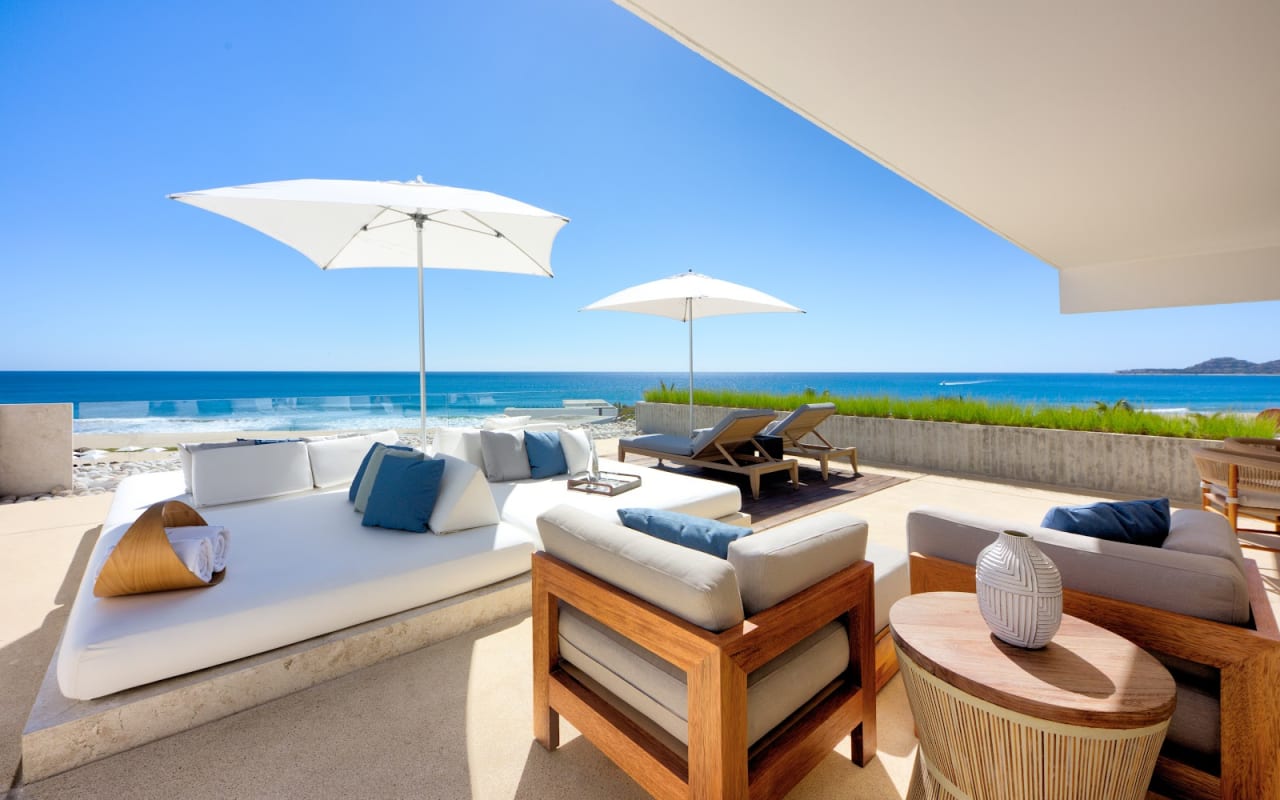
Sur les côtes, l’équation change, mais la logique reste la même. Le paysage impose d’autres réponses. Chaleur, humidité, vents, sel et lumière frontale demandent une architecture plus poreuse. C’est là que le Mexique a développé des formes devenues très influentes. Murs épais, béton brut, toits-terrasses, bassins réfléchissants, ombres profondes et ouvertures cadrées sur la végétation. On parle souvent de brutalismes tropicaux. L’expression est utile, à condition de ne pas la réduire au béton. Le sujet est plus large. Il s’agit d’inventer des hôtels capables de respirer avec leur environnement. Les meilleurs projets côtiers ne tournent pas le dos au site. Ils s’appuient sur lui. Le paysage devient une structure du séjour, pas un simple décor de fond.
L’artisanat joue aussi un rôle décisif, mais il faut le lire avec précision. Au Mexique, il ne fonctionne pas comme une couche finale ajoutée pour signer une ambiance. Il intervient souvent au cœur du projet. Menuiseries, céramiques, tissages, fibres naturelles, ferronneries et travail de la pierre donnent de l’épaisseur aux espaces. Cette présence artisanale explique une part importante de la chaleur ressentie dans les hôtels contemporains. Elle permet aussi d’éviter l’uniformité internationale. Mon conseil, dans cette sélection, est de regarder comment un établissement emploie ces savoir-faire. Un hôtel design réussi ne juxtapose pas des objets locaux. Il construit une relation crédible entre architecture, mobilier, usage et provenance des matières.
Il faut enfin rappeler que le design hôtelier mexicain ne se résume ni au minimalisme de bord de mer, ni à une carte postale colorée. Le pays produit des langages très différents selon les régions. Dans une ville coloniale, le dialogue avec l’existant passe souvent par la cour, l’épaisseur des murs et la restauration de volumes historiques. Dans les destinations balnéaires, l’enjeu porte davantage sur la ventilation, l’ombre et la continuité intérieur-extérieur. Dans la capitale, le récit peut devenir plus urbain et plus collectionneur. C’est cette diversité qui donne au Mexique une place à part. Le design y est rarement gratuit. Il sert à traduire un territoire, une histoire constructive et une manière d’habiter le climat. C’est précisément ce qui rend la scène hôtelière mexicaine si observée aujourd’hui.
Questions sur cette section
Pourquoi le Mexique est-il devenu une destination si forte pour l’hôtellerie design ?
Le Mexique s’est imposé grâce à une combinaison rare. Le pays offre des paysages très contrastés, une culture matérielle riche et une tradition architecturale forte. Cela permet des hôtels qui dialoguent avec le désert, la jungle, la ville ou le littoral sans langage unique. Les meilleurs projets utilisent la pierre, le bois, le béton, la terre ou les fibres avec intelligence. À retenir : le design mexicain convainc lorsqu’il reste contextualisé, pas lorsqu’il copie un style international générique.
Tendances 2025-2026 : ce que nos conseillers observent au Mexique
Au Mexique, nos conseillers voient d’abord un retour net aux matières brutes. Le bois massif, la pierre locale, le stuc minéral et les fibres naturelles reprennent de la place. Cette évolution ne relève pas d’un simple effet visuel. Elle répond à une recherche de texture, de fraîcheur et de vieillissement juste. Dans les hôtels design les plus convaincants, ces matériaux ne servent plus à produire une image. Ils structurent l’expérience, du lobby aux suites, avec une lecture plus calme. À retenir aussi, une palette moins démonstrative. Les contrastes restent présents, mais ils sont mieux tenus. Les teintes terre, sable, argile et charbon dominent davantage. Ce choix accompagne une architecture plus posée et souvent plus durable à exploiter.
Autre tendance forte, la suite devient plus résidentielle. Nous observons moins d’effets de décor, et davantage d’espaces pensés pour habiter vraiment quelques jours. Les plans gagnent en fluidité. Les assises sont plus nombreuses. Les rangements sont mieux intégrés. Les salles de bains cherchent moins l’image spectaculaire. Elles privilégient la circulation, la lumière et l’usage. Ce glissement compte beaucoup dans un pays où la clientèle alterne courts séjours, télétravail ponctuel et vacances longues. Mon conseil, regarder la qualité des transitions. Une bonne chambre design ne se juge pas seulement à la tête de lit. Elle se lit aussi dans l’entrée, l’acoustique, la literie, les prises, l’occultation et la place laissée au silence. C’est souvent là que se joue la différence entre concept séduisant et séjour réussi.
Nous notons aussi une évolution bienvenue autour de l’artisanat. Le sujet n’est plus seulement d’exposer des pièces locales. Il s’agit de mieux créditer les ateliers, les techniques et les provenances. Cette précision change la lecture du design. Elle donne du contexte, donc de la valeur culturelle. Elle évite aussi l’ornement générique, longtemps trop présent dans l’hôtellerie de destination. Les projets les plus justes travaillent désormais l’artisanat comme une collaboration, pas comme un décor rapporté. Cela se voit dans le mobilier sur mesure, les textiles, la céramique, les luminaires et parfois la signalétique. Ce que nos conseillers observent, c’est une exigence croissante de cohérence. Un hôtel peut être très contemporain tout en restant ancré. Au Mexique, cet ancrage passe souvent par la main, la matière et le territoire.
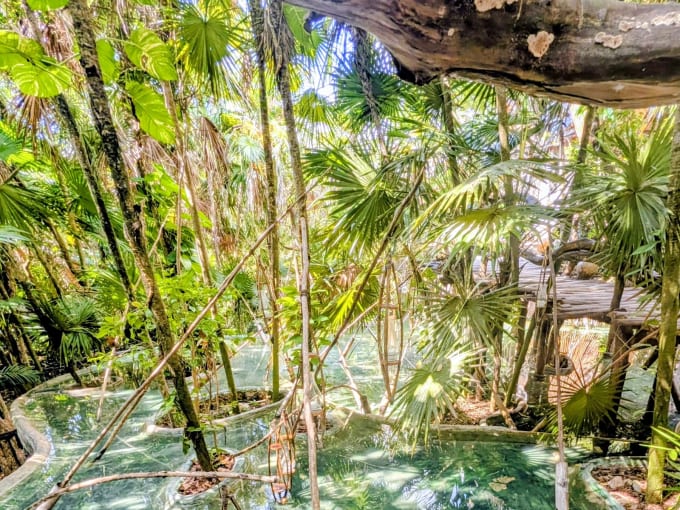
L’intégration paysagère devient également plus sobre. Pendant des années, beaucoup d’adresses ont cherché à cadrer la nature comme un spectacle permanent. La tendance actuelle est plus discrète. L’architecture s’abaisse, s’ouvre mieux, filtre davantage et laisse respirer le site. Les jardins ne sont plus seulement des écrins. Ils participent au confort thermique, à l’intimité et à la circulation. Cette approche va de pair avec un design pensé pour le bien-être réel. Le mot est souvent galvaudé. Pourtant, les signes concrets existent. Nous voyons plus d’attention portée à l’acoustique des chambres, à la qualité des rideaux, à l’orientation de la lumière et aux matériaux qui absorbent mieux le bruit. Le bien-être ne se limite plus au spa. Il commence dans la capacité d’une chambre à apaiser.
Enfin, la durabilité opérationnelle progresse au-delà du discours. Les voyageurs avertis regardent moins les slogans, et davantage les choix de fonctionnement. Un hôtel design crédible doit aujourd’hui bien vieillir, bien s’entretenir et limiter ses effets inutiles. Cela passe par des matériaux réparables, des équipements moins énergivores et des détails conçus pour durer. La bonne nouvelle, c’est que cette logique améliore souvent l’esthétique. Un design moins fragile, moins bavard et mieux exécuté traverse mieux le temps. Pour 2025-2026, c’est sans doute la ligne la plus intéressante au Mexique. Le design ne cherche plus seulement à impressionner. Il cherche à tenir, à apaiser et à rester lisible après plusieurs saisons. C’est une évolution de fond, pas un simple virage de style.
Questions sur cette section
Quelles tendances design voit-on émerger dans les hôtels mexicains en 2025-2026 ?
On voit monter des projets plus sobres, plus tactiles et mieux intégrés à leur environnement. Les lignes restent épurées, mais les matériaux gagnent en profondeur et en patine. La durabilité devient plus concrète, avec une attention accrue au climat, à la ventilation, à l’ombre et aux ressources locales. Ce que nos conseillers observent : les voyageurs recherchent moins l’effet manifeste. Ils veulent des lieux calmes, bien pensés, où le design améliore réellement le confort quotidien.
Quand le design se prolonge à table
Dans un hôtel design réussi, la table n’est jamais un simple service annexe. Elle prolonge la lecture du lieu, parfois avec plus de clarté encore que le lobby. Au Mexique, cette cohérence se voit vite. Les meilleurs établissements travaillent la salle comme une scène habitée. Les volumes, la lumière, les matériaux et le rythme du service racontent la même idée. C’est particulièrement sensible dans des adresses où l’architecture porte déjà une signature forte. À Mexico, le Four Seasons Hotel Mexico City joue la carte d’une élégance structurée autour de son patio central. Les espaces de restauration y gagnent une respiration rare en ville. À San Miguel de Allende, le Rosewood San Miguel de Allende s’appuie sur une écriture plus ancrée dans la pierre, les arcades et les vues. La restauration y trouve naturellement sa place. À retenir, un restaurant convainc davantage quand sa mise en scène semble découler du bâtiment, et non l’inverse.
Dans les hôtels design les plus justes, les arts de la table comptent autant que la carte. La vaisselle, le verre, le linge et la manière de dresser une table créent une continuité visuelle. Ce point distingue souvent une belle adresse d’une adresse vraiment pensée. Au Chablé Yucatán, l’expérience culinaire s’inscrit dans un cadre où patrimoine, nature et architecture dialoguent étroitement. Le repas y prend une dimension presque spatiale. À Esencia, sur la Riviera Maya, la sobriété des lignes et la relation au paysage donnent du poids aux détails. Rien ne doit sembler décoratif par principe. Ce que nos conseillers observent souvent, c’est la force des compositions simples. Une assiette lisible fonctionne mieux dans une salle lisible. Un service précis renforce encore cette impression. Mon conseil, regardez toujours si la salle, la carte et le service racontent la même histoire.
Les cuisines ouvertes et les bars-signatures jouent aussi un rôle décisif. Ils rendent visible la mécanique de l’hospitalité. Dans un hôtel design, cette visibilité doit rester maîtrisée. Elle ne sert pas à faire spectacle à tout prix. Elle doit apporter du rythme, de la transparence et une forme de présence. À NIZUC Resort & Spa, les différents univers de restauration participent à la lecture globale du resort. Le rapport entre lignes contemporaines, front de mer et mise en scène des repas est net. À Hotel Mousai Puerto Vallarta, l’approche plus contemporaine et verticale donne aux bars et restaurants une fonction presque panoramique. Le design culinaire y passe aussi par la vue, l’éclairage du soir et la circulation entre les espaces. À Cabo San Lucas, le Waldorf Astoria Los Cabos Pedregal bénéficie d’un site spectaculaire. Sa restauration gagne en force quand elle s’appuie sur cette topographie, plutôt que sur des effets inutiles.
Le lien entre architecture et terroirs mexicains reste enfin le vrai sujet. Un hôtel design convaincant ne se contente pas d’être photogénique. Il doit traduire un territoire dans l’assiette, sans folklore forcé. C’est là que certaines adresses prennent de l’avance. One&Only Mandarina, sur la côte pacifique, travaille une relation directe entre paysage, matières et expérience de table. Le Four Seasons Resort Punta Mita fait valoir une autre lecture, plus balnéaire, mais tout aussi attentive à l’ancrage local. Au Banyan Tree Mayakoba, l’environnement lagunaire structure aussi la perception des repas. Dans ces hôtels, la cuisine a plus d’impact quand elle assume les produits, les saisons et les références régionales. Le design devient alors un cadre d’interprétation. Il ordonne l’expérience sans l’appauvrir.
Au fond, la meilleure restauration design n’est ni la plus démonstrative, ni la plus théâtrale. C’est celle qui tient ensemble plusieurs niveaux de lecture. Une salle cohérente. Une carte située. Un service qui comprend le ton du lieu. Au Mexique, cette cohérence est souvent plus parlante que le décor lui-même. Elle permet de distinguer les hôtels qui ont une vraie vision. Pour nous, c’est un marqueur décisif dans ce classement. Un grand hôtel design se reconnaît aussi à table. Souvent, même, il se révèle d’abord là.
Spa, lumière, silence : le design sensoriel qui change le séjour
Dans un hôtel design réussi, le bien-être commence bien avant la cabine de soin. Il se lit dans une arrivée calme, dans une circulation évidente, dans une chambre qui ne fatigue pas l’œil. Au Mexique, cette dimension sensorielle compte particulièrement. La lumière y est forte, les contrastes sont nets, et le paysage impose sa présence. Les projets les plus convaincants ne cherchent donc pas à ajouter des effets partout. Ils organisent plutôt une forme de respiration. À retenir : un grand spa ne suffit pas si les couloirs compressent, si l’acoustique résonne, ou si la chambre surexpose le décor. Le design sensoriel repose sur un dosage. Il faut de la matière, mais aussi du vide. Il faut du caractère, mais aussi des pauses. C’est souvent là que se joue la différence entre un hôtel photogénique et un hôtel réellement reposant.
Ce que nos conseillers observent souvent, c’est la qualité des transitions. Dans les meilleurs hôtels design du Mexique, on passe du dehors au dedans sans rupture brutale. Une cour, un patio, une galerie ombragée, une terrasse protégée peuvent faire plus pour le séjour qu’un spectaculaire lobby. Cette logique est ancienne dans l’architecture mexicaine, et elle reste très actuelle dans l’hôtellerie. Elle permet d’apprivoiser le climat, de filtrer la lumière, et d’installer un rythme plus lent. Le spa s’inscrit alors dans un ensemble cohérent. Il n’est pas un département isolé. Il prolonge une sensation déjà présente dans les chambres, dans les jardins, et dans les espaces de repos. Mon conseil : regardez toujours comment un hôtel traite les seuils. Quand les passages sont fluides, le corps se détend plus vite. Quand tout est pensé pour la photo, la fatigue revient vite.
La lumière naturelle joue un rôle central. Au Mexique, elle peut magnifier un intérieur, mais aussi le durcir. Les hôtels les plus justes savent la canaliser. Ils utilisent des voilages, des claustras, des retraits, des ombres portées, parfois des matériaux minéraux qui absorbent mieux les excès. Cette maîtrise change la perception du temps. Une chambre baignée de lumière le matin, puis plus feutrée en fin d’après-midi, accompagne le séjour sans l’imposer. Les textures comptent tout autant. Bois, pierre, fibres naturelles, enduits mats, linge dense : ces éléments ne relèvent pas seulement de l’esthétique. Ils modifient l’acoustique, la température ressentie, et la façon d’habiter la pièce. Un hôtel design convaincant ne cherche pas le décor tactile pour lui-même. Il compose une ambiance stable, lisible, presque silencieuse. C’est cette continuité qui aide à ralentir.
L’intimité des chambres reste un autre marqueur décisif. Dans une destination de plage, de jungle ou de ville dense, la relation au paysage doit être précise. Une grande baie vitrée n’est pas toujours synonyme de confort. Tout dépend de l’orientation, de la distance avec les voisins, du traitement des vues, et de la possibilité de se retirer. Les meilleurs projets mexicains comprennent cela. Ils cadrent le paysage au lieu de l’exposer sans filtre. Ils ménagent des retraits, des terrasses protégées, des salles de bain où la lumière entre sans sacrifier la discrétion. Le bien-être naît souvent de cette intelligence discrète. On se sent relié au lieu, mais jamais observé. On profite du site, sans subir son intensité. Pour nous, c’est un point clé dans un hôtel design. Le repos dépend autant de ce que l’on voit que de ce que l’on peut oublier.
Enfin, le spa lui-même doit rester à sa juste place. Bien conçu, il confirme l’identité de l’hôtel. Mal intégré, il ressemble à une parenthèse sans lien avec le reste. Les projets les plus aboutis au Mexique évitent cette séparation. Ils prolongent les mêmes matières, la même lumière, la même relation au dehors. Une salle de soin ouverte sur un jardin, un bassin protégé du vent, un espace de repos qui capte l’ombre à la bonne heure peuvent suffire. Ce qui compte, ce n’est pas l’accumulation d’équipements. C’est la cohérence sensorielle. Les meilleurs hôtels design savent ralentir le rythme sans surjouer la mise en scène. Ils n’imposent pas une idée du bien-être. Ils la rendent possible, presque naturellement. C’est souvent ce que l’on retient le plus, bien après le départ.
Questions sur cette section
Le design d’un hôtel au Mexique influence-t-il vraiment l’expérience bien-être et spa ?
Oui, de façon très concrète. Le bien-être dépend autant de l’espace que du soin lui-même. Dans les meilleurs hôtels design, la circulation, l’acoustique, la lumière, la température et le rapport au paysage jouent un rôle décisif. Un spa bien conçu apaise avant même le premier traitement. Au Mexique, cette dimension est particulièrement forte quand l’architecture exploite l’ombre, l’eau, les patios ou les matières minérales. Le résultat est sensoriel, mais aussi fonctionnel et lisible.
Le bon niveau de prix pour une vraie expérience design
Parler de prix dans l’hôtellerie design au Mexique demande une lecture plus fine qu’un simple tarif par nuit. Deux hôtels peuvent afficher des montants proches, sans offrir la même densité d’expérience. Ce que nos conseillers regardent d’abord, c’est la part réelle du design dans le séjour. Dans les meilleures adresses, l’architecture ne sert pas d’image d’appel. Elle organise la circulation, la lumière, l’intimité, la relation au paysage et même le rythme des journées. Le bon niveau de prix apparaît alors quand plusieurs dimensions travaillent ensemble. Signature architecturale lisible, implantation juste, matériaux cohérents, service au niveau, restauration pensée comme prolongement du lieu. À retenir : un hôtel design bien tarifé n’est pas forcément le moins cher. C’est celui où le prix se comprend immédiatement, chambre après chambre, espace après espace.
Au Mexique, cette lecture est essentielle, car le mot design recouvre des réalités très différentes. Certaines adresses investissent dans une esthétique visible, mais restent classiques dans l’usage. Le décor est soigné, la palette est juste, les photos fonctionnent, mais l’expérience demeure standardisée. D’autres hôtels vont plus loin. Le dessin des volumes améliore le silence. Les matières locales gagnent en présence avec le temps. Les ouvertures cadrent une jungle, un désert, une plage ou un tissu urbain avec précision. La chambre n’est plus un simple contenant élégant. Elle devient un espace habitable, souvent plus apaisé, parfois plus intuitif. C’est là que le tarif prend du sens. On ne paie pas seulement une belle image. On paie une exécution, une sensation de lieu et une cohérence qui tient du lobby jusqu’aux espaces extérieurs.
L’emplacement reste un autre facteur décisif dans l’équation de valeur. Un hôtel design au bord de l’océan, dans une réserve de nature, dans un quartier culturel dense ou sur un site patrimonial, ne se lit pas de la même façon. Le prix peut être justifié par une rareté foncière, par la difficulté de construire avec retenue dans un environnement sensible, ou par la capacité à offrir de l’espace là où il est compté. Mon conseil : toujours relier le tarif à ce que l’adresse rend possible. Une vue bien cadrée, une circulation fluide entre intérieur et extérieur, une vraie intimité, une piscine intégrée sans effet de démonstration, voilà des éléments concrets. Ils comptent souvent davantage qu’une accumulation d’objets ou de références décoratives. Dans les hôtels les plus convaincants, le service renforce encore cette impression. Il respecte le projet du lieu. Il reste précis, discret et suffisamment souple pour ne pas casser la sérénité du cadre.
La restauration joue aussi un rôle central dans la perception du juste prix. Dans un bon hôtel design, elle ne ressemble pas à une concession ajoutée après coup. Les salles, les terrasses, la vaisselle, l’éclairage et le rythme du service prolongent le langage de l’hôtel. Quand cette cohérence existe, le séjour gagne en profondeur. Même chose pour les espaces de bien-être, les patios, les bibliothèques, les rooftops ou les jardins. Chaque zone doit participer à une même idée. C’est souvent ce qui distingue une adresse chère mais convaincante d’une adresse coûteuse sans véritable nécessité. Ce que nos conseillers observent souvent au Mexique, c’est que la meilleure valeur ne se situe pas toujours au sommet du marché. Elle apparaît fréquemment dans des hôtels très maîtrisés, où moins d’effets produisent plus de présence. Le bon prix, au fond, est celui d’une expérience design qui tient dans la durée. Pas seulement dans la première impression.
Notre lecture finale de la scène design hôtelière mexicaine
Au terme de cette sélection, une ligne se dessine clairement. Le design hôtelier mexicain ne se résume pas à une seule école. Il avance par familles d’adresses, chacune avec son rythme, son décor et son usage. Certaines maisons parlent d’abord d’architecture. D’autres misent sur la matière, la lumière ou le rapport au paysage. À retenir, donc, une idée simple. Le bon hôtel design n’est pas seulement celui qui se photographie bien. C’est celui dont l’esthétique soutient réellement la manière de vivre le séjour.
Pour un city-break culturel, nous retenons surtout les hôtels où le design cadre l’expérience urbaine sans l’isoler de la ville. Dans ce registre, l’adresse idéale offre une lecture claire des volumes, des espaces communs bien pensés et une identité visuelle qui dialogue avec son quartier. Ce sont souvent les meilleurs choix pour quelques nuits denses. On y alterne visites, tables, galeries et retours à l’hôtel sans rupture de ton. Ce que nos conseillers observent souvent, c’est qu’un bon hôtel design en ville doit rester lisible. Trop conceptuel, il fatigue. Trop standardisé, il perd sa raison d’être. Les adresses les plus convaincantes gardent donc un équilibre précis entre signature esthétique et confort immédiat.
Pour une retraite balnéaire, les repères changent. Ici, le design compte moins par effet que par respiration. Les hôtels les plus justes sont ceux qui organisent l’espace autour du climat, de l’ombre, de la circulation de l’air et de la relation à la mer. Le luxe visuel y passe souvent par la retenue. Matières minérales, bois, textiles naturels et palettes sobres prennent alors plus de sens qu’un décor démonstratif. Mon conseil est simple. Si votre priorité est le repos, regardez d’abord la manière dont l’hôtel compose avec son environnement. Une belle chambre ne suffit pas. Il faut aussi des transitions fluides entre intérieur et extérieur, des lieux où lire, déjeuner ou nager sans mise en scène excessive.
Pour un voyage de couple, la distinction la plus utile n’oppose pas petit format et grande signature. Elle oppose plutôt deux façons de créer l’intimité. Les boutique-hôtels intimistes la construisent par l’échelle, le silence et le sentiment d’adresse presque privée. Les maisons plus établies la travaillent autrement. Elles disposent souvent de services plus complets, de spas mieux dimensionnés et de restaurants qui permettent de vivre plusieurs séquences sans quitter l’hôtel. Ni l’un ni l’autre n’est supérieur en soi. Tout dépend du tempo recherché. Un couple qui veut se retirer du monde n’attend pas la même chose qu’un couple qui veut alterner plage, table, soins et sorties.
C’est sans doute ce qui rend la scène mexicaine si intéressante aujourd’hui. Elle permet de choisir un langage design, pas seulement un niveau de standing. Certains voyageurs chercheront une adresse très éditée, presque résidentielle, avec peu de chambres et une forte cohérence décorative. D’autres préféreront une maison plus ample, portée par une marque reconnue, où le design structure l’expérience sans la rendre exclusive. Notre lecture finale va dans ce sens. Il ne faut pas opposer les catégories. Il faut lire les hôtels selon leur promesse réelle. Pour un court séjour urbain, privilégiez la précision et l’ancrage local. Pour un séjour balnéaire, privilégiez l’espace et la relation au paysage. Pour un voyage de couple, choisissez le bon degré d’intimité. Le reste relève du style personnel. C’est là que Le Concierge peut affiner la recommandation.


