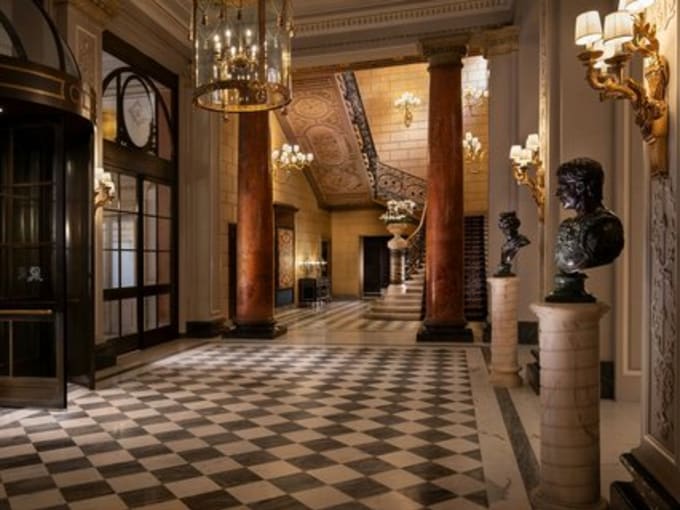
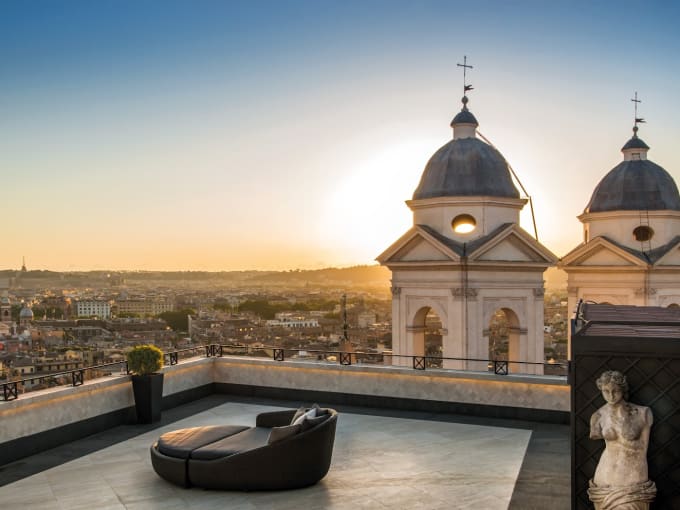
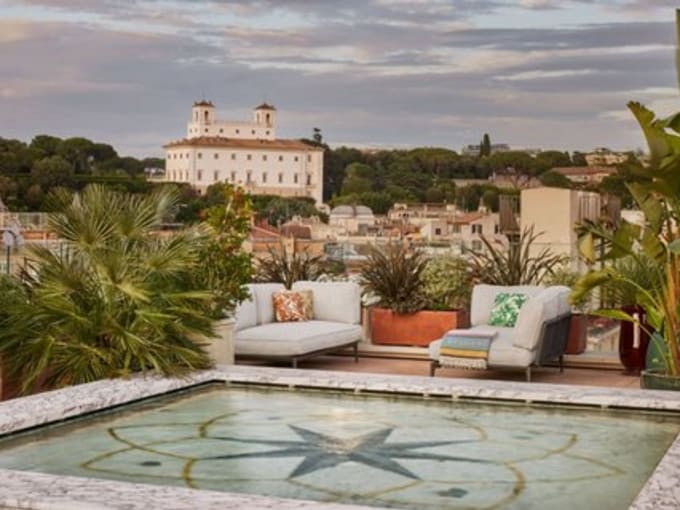
Nos critères pour classer les meilleurs 5 étoiles de Rome
Pour classer les meilleurs 5 étoiles de Rome, nous partons d’un principe simple. Une grande adresse romaine ne se résume jamais à son décor. Nous évaluons d’abord la qualité de l’emplacement. À Rome, l’adresse change réellement l’expérience du séjour. Dormir près de la Piazza di Spagna, de la Via Veneto, du Panthéon ou des rives du Tibre n’implique pas le même rythme. Cela change les trajets, l’ambiance du quartier et la façon de vivre la ville. Nous regardons donc la centralité, mais aussi la cohérence. Un hôtel peut être légèrement à l’écart et rester très bien classé. Il doit alors offrir du calme, une vraie respiration, ou un accès particulièrement fluide aux grands sites. À retenir aussi, la qualité immédiate de l’environnement. La présence d’une belle perspective, d’un jardin, d’une terrasse ou d’une vue dégagée compte beaucoup à Rome.
Le deuxième critère est le niveau de service, puis sa régularité. C’est souvent là que se jouent les écarts entre bons hôtels et grandes maisons. Nous observons l’accueil, la conciergerie, la fluidité du check-in, la précision du housekeeping et la capacité à tenir le niveau sur plusieurs jours. Un 5 étoiles romain convaincant doit savoir gérer autant un court city break qu’un long séjour. Il doit aussi être fiable en haute saison, quand la ville est très sollicitée. Ce que nos conseillers observent en priorité, c’est la constance. Une belle suite impressionne le premier soir. Un service juste, attentif et stable marque vraiment le voyage. Nous accordons aussi de l’importance à la lecture du client. Un couple, une famille, un amateur d’art ou un voyageur d’affaires n’attendent pas la même chose.
Nous intégrons ensuite ce que nous appelons le cachet romain. Ce critère ne récompense pas seulement les hôtels historiques. Il valorise la manière dont une adresse dialogue avec Rome. Cela peut passer par un palais ancien, des volumes classiques, une terrasse sur les toits, ou une relation forte avec le quartier. Cela peut aussi venir d’une interprétation plus contemporaine, si elle reste ancrée dans la ville. Nous ne privilégions donc pas systématiquement le style le plus théâtral. Nous cherchons plutôt une identité claire, crédible et bien exécutée. Les vues entrent ici en ligne de compte. À Rome, voir une coupole, un jardin, des toits ocre ou un monument depuis sa chambre change le souvenir du séjour. Mon conseil est simple. Quand deux hôtels sont proches sur le papier, la qualité de la vue peut faire la différence.
Le spa et la restauration comptent également, mais nous les pondérons avec discernement. Un spa n’améliore pas automatiquement un classement. Nous regardons sa taille, son entretien, la présence d’une piscine intérieure, la pertinence de la carte de soins et son utilité réelle après une journée en ville. Même logique pour la table. Un restaurant signé ou une belle terrasse ne suffisent pas. Nous évaluons la cohérence de l’offre, la qualité du petit déjeuner, le sérieux du room service et l’intérêt du bar dans l’expérience globale. Enfin, nous jugeons chaque hôtel selon les usages. Certains excellent pour une première découverte de Rome. D’autres conviennent mieux à un week-end romantique, à un séjour bien-être, à une escapade gastronomique ou à un voyage avec enfants. Notre méthode cherche donc moins l’effet d’annonce que l’adéquation réelle. C’est, à nos yeux, la seule façon de classer utilement les meilleurs 5 étoiles de Rome.
Questions sur cette section
Faut-il privilégier le centre historique, la Via Veneto ou un quartier plus résidentiel pour dormir à Rome ?
Cela dépend de votre manière de vivre Rome. Le centre historique facilite les visites à pied et convient bien à un premier séjour. La Via Veneto et ses environs parlent davantage aux voyageurs qui cherchent une tradition hôtelière plus classique. Les quartiers plus résidentiels offrent parfois plus de calme et une sensation de ville vécue. Ce que nos conseillers observent : le bon emplacement n’est pas le plus central par principe. C’est celui qui réduit vos trajets inutiles et respecte votre rythme.
Pourquoi Rome reste une grande ville d’hôtellerie classique
Rome reste une grande ville d’hôtellerie classique, car son paysage hôtelier s’est construit autour de palais, d’institutions et d’adresses de représentation. La ville n’a jamais opposé patrimoine et hospitalité. Elle les a souvent superposés. Dans le centre historique, beaucoup de 5 étoiles occupent des bâtiments anciens, parfois aristocratiques, parfois administratifs, presque toujours inscrits dans un tissu urbain dense. Cette donnée change tout. Ici, l’hôtel ne se pose pas en objet autonome. Il s’insère dans une rue, une place, un quartier chargé de strates. C’est ce qui explique la permanence de certaines zones. Piazza di Spagna, Via Veneto, le secteur de la Via del Babuino, ou encore les abords des grandes artères du centre ancien, continuent de concentrer les adresses qui comptent. À Rome, dormir dans un grand hôtel signifie encore, très souvent, habiter un morceau de ville.
La Via Veneto résume bien cette histoire. Son nom reste lié à une idée très romaine du grand hôtel international. On y retrouve le poids des façades classiques, des lobbys de réception, des terrasses panoramiques et d’un service pensé pour une clientèle diplomatique, culturelle et d’affaires. Ce quartier a fixé des codes durables. Une certaine ampleur des espaces. Une relation ancienne avec les ambassades, les institutions et les séjours de représentation. Ce que nos conseillers observent, c’est que cette mémoire continue d’influencer la perception du luxe hôtelier romain. Même quand le voyageur choisit aujourd’hui une adresse plus contemporaine, il compare souvent, consciemment ou non, avec ce modèle historique. Piazza di Spagna joue un autre rôle. Le secteur attire pour sa centralité, son élégance commerciale et sa proximité immédiate avec les rues les plus recherchées du centre. Là encore, l’hôtellerie haut de gamme s’est développée au contact direct de la ville monumentale. On sort de l’hôtel, et Rome commence tout de suite.
Le centre ancien a ensuite consolidé cette tradition. Contrairement à d’autres capitales, Rome n’a pas déplacé tout son luxe vers des quartiers neufs. Elle a maintenu une forte densité d’adresses 5 étoiles dans des zones historiques, parfois à quelques minutes de monuments majeurs, de places emblématiques ou de musées. Cette continuité donne à la ville une identité hôtelière très lisible. Le voyageur y cherche moins un resort urbain qu’une adresse capable d’interpréter Rome avec justesse. Cela passe par l’architecture, bien sûr, mais aussi par la manière d’occuper les volumes, de préserver certains décors, d’ouvrir des vues sur les toits, les coupoles ou les terrasses. Mon conseil est simple. À Rome, l’histoire d’un hôtel compte souvent autant que sa liste d’équipements. Une belle rénovation ne vaut vraiment que si elle respecte le rythme du lieu, ses proportions et sa relation au quartier.
C’est précisément là que les nouvelles ouvertures haut de gamme ont trouvé leur place. Elles ne remplacent pas les institutions. Elles dialoguent avec elles. Le marché romain a vu arriver ces dernières années des maisons plus design, des conversions ambitieuses et des signatures internationales capables d’investir des bâtiments historiques sans effacer leur caractère. Le mouvement est important. Il montre que Rome ne vit pas seulement sur son prestige ancien. Elle reste une ville active pour l’hôtellerie de luxe. Les meilleurs projets comprennent qu’il faut travailler avec l’existant. Un palais, une ancienne demeure, un immeuble de centre-ville, une adresse longtemps fermée, puis repensée avec des standards actuels. Cette logique explique la bonne tenue du segment 5 étoiles romain. Le patrimoine offre la matière. Les groupes et les indépendants apportent les moyens, les réseaux et les attentes contemporaines.
À retenir, Rome conjugue trois forces rares. D’abord, un stock historique exceptionnel de bâtiments adaptés à l’hôtellerie de prestige. Ensuite, des quartiers dont la réputation internationale reste intacte. Enfin, une capacité réelle à accueillir des ouvertures nouvelles sans perdre son langage classique. C’est cette combinaison qui fait la différence. Dans d’autres villes, les grandes adresses historiques relèvent surtout de la mémoire. À Rome, elles structurent encore le présent. Et les nouveaux 5 étoiles les plus convaincants ne cherchent pas à rompre avec cet héritage. Ils essaient plutôt de l’actualiser, avec plus d’intimité, plus de précision et souvent une lecture plus contemporaine du service.
Où dormir à Rome quand la table compte vraiment
À Rome, certains voyageurs choisissent d’abord une adresse. D’autres réservent une table, puis regardent les chambres. Dans cette ville, le critère n’a rien d’anecdotique. Il peut décider du séjour. Quand la restauration compte vraiment, nous privilégions les hôtels où l’offre culinaire dépasse le simple restaurant d’appoint. Il faut une identité lisible, un bar où l’on vient aussi de l’extérieur, ou un rooftop qui change la perception de la ville. C’est là que quelques 5 étoiles romains prennent une vraie avance. Le Rome Cavalieri, A Waldorf Astoria Hotel, reste une référence claire sur ce terrain. Son positionnement gastronomique pèse dans le choix final, autant que sa vue sur Rome. L’hôtel combine table de destination, bars et terrasse panoramique. Pour un séjour construit autour des repas, c’est une maison très complète. Ce que nos conseillers observent, c’est la cohérence d’ensemble. On ne vient pas seulement y dormir. On y organise volontiers ses soirées.
Dans le centre historique, l’Hotel de Russie se distingue par une autre approche. Ici, la restauration s’inscrit dans un rythme romain plus mondain. Le jardin compte beaucoup. Le Stravinskij Bar fait partie des adresses qui vivent au-delà de la clientèle hébergée. C’est un point important dans notre lecture éditoriale. Un grand hôtel convainc davantage quand ses espaces de restauration attirent aussi la ville. Le portrait est différent au Hassler Roma. L’adresse domine la Place d’Espagne et son restaurant Imàgo reste l’un des marqueurs gastronomiques les plus identifiables parmi les grands hôtels romains. La vue y joue un rôle majeur, mais elle ne suffit pas. Ce qui compte, c’est l’association entre situation, service et table signature. À retenir, si vous voulez un séjour où le dîner constitue un moment central, le Hassler Roma reste un choix très structuré.
D’autres maisons séduisent par leur capacité à mêler scène culinaire et esprit de lieu. Le Hotel Eden, Dorchester Collection, fait partie de ce groupe. Son rooftop est l’un des arguments les plus solides de l’adresse. À Rome, les vues ne manquent pas. Les vues qui s’accompagnent d’une vraie proposition de restauration sont plus rares. C’est là que l’hôtel se distingue. Même logique au Palazzo Manfredi. La maison bénéficie d’un face-à-face rare avec le Colisée. Son restaurant Aroma participe directement à sa notoriété. Dans ce cas précis, la table n’est pas un service annexe. Elle structure l’expérience entière. Beaucoup de voyageurs réservent d’abord pour cette combinaison entre panorama et dîner. Mon conseil, c’est de considérer ce type d’hôtel si vous prévoyez peu de soirées dehors. Le lieu peut alors porter à lui seul une part importante du voyage.
Enfin, certaines adresses jouent une partition plus contemporaine, mais restent très pertinentes pour les voyageurs sensibles à la restauration. Le Bulgari Hotel Roma, récent dans le paysage romain, s’appuie sur une identité de marque forte et sur des espaces de restauration pensés comme des lieux de vie. Le portrait diffère de celui des palaces historiques, mais le critère gastronomique y est bien présent. Le Six Senses Rome mérite aussi l’attention pour son approche lifestyle, avec des espaces où l’on peut facilement ancrer la journée, du matin au soir. Le J.K. Place Roma, plus intime, parle davantage à ceux qui préfèrent une atmosphère de club privé à la démonstration. Dans un registre voisin, le Hotel Vilòn convainc par son échelle plus confidentielle et son sens de l’ambiance. Si la table compte vraiment, notre lecture est simple. Le Rome Cavalieri, l’Hotel Eden, le Hassler Roma, l’Hotel de Russie et le Palazzo Manfredi forment le noyau le plus solide. Les autres complètent le tableau selon le style recherché, plus mondain, plus design ou plus discret.
Questions sur cette section
Rome est-elle une bonne destination pour un séjour gastronomique en hôtel 5 étoiles ?
Oui, mais il faut bien distinguer table de destination et confort d’ensemble. À Rome, plusieurs hôtels 5 étoiles soignent leur offre culinaire, du petit déjeuner aux bars panoramiques, en passant par des restaurants plus ambitieux. Pour autant, tous ne sont pas des destinations gastronomiques au même titre. Mon conseil : si la cuisine compte beaucoup, regardez la cohérence globale. Emplacement, service du soir, terrasse, cave et ambiance comptent autant que la seule signature du restaurant.
Les 5 étoiles de Rome à privilégier pour le bien-être
À Rome, le spa n’est pas un simple service additionnel. Il change la lecture d’un séjour urbain dense, rythmé par les visites, la marche et les transferts. Dans cette ville, les hôtels 5 étoiles les plus complets sont souvent ceux qui savent ménager une vraie respiration. Nous regardons donc de près la présence d’une piscine intérieure, d’un espace de soins cohérent, d’un hammam ou d’un sauna bien intégrés. L’atmosphère compte aussi. Un hôtel peut être central et rester résidentiel, à condition d’offrir des volumes calmes, une circulation fluide et des chambres pensées pour récupérer. À retenir : le bien-être, à Rome, départage souvent les bonnes adresses des très bonnes. Ce que nos conseillers observent, c’est la capacité d’un hôtel à faire baisser le rythme sans vous éloigner de la ville.
Dans cette logique, certaines maisons romaines se distinguent clairement. Rome Cavalieri, A Waldorf Astoria Hotel, reste une référence quand le séjour appelle de l’espace. Sa position sur les hauteurs, son grand spa et ses piscines créent une expérience plus resort que strictement urbaine. Pour un voyageur qui veut alterner Rome et récupération, c’est un point fort concret. Anantara Palazzo Naiadi Rome Hotel joue une autre partition. L’adresse, installée sur la Piazza della Repubblica, combine un ancrage central et une offre bien-être qui ajoute une vraie profondeur au séjour. Le cadre historique compte, mais c’est surtout la capacité à proposer une pause structurée qui retient l’attention. Mon conseil : ces deux hôtels conviennent particulièrement aux séjours de plusieurs nuits, quand le spa devient un usage quotidien, pas un simple agrément.
D’autres 5 étoiles romains séduisent par une approche plus discrète, mais tout aussi pertinente. Hotel de Russie, très connu pour son jardin, garde un avantage rare en ville : une sensation de retrait immédiat, renforcée par son spa. Cette combinaison entre adresse centrale et atmosphère apaisée pèse lourd. J.K. Place Roma, de son côté, ne joue pas la carte du grand équipement. Son intérêt tient plutôt à son échelle, à son ambiance résidentielle et à une impression de refuge très maîtrisée. Pour certains voyageurs, ce confort-là vaut autant qu’une grande piscine. Six Senses Rome mérite aussi une attention particulière. La marque est directement associée au bien-être, et cette identité donne du sens à l’expérience globale. Ici, le spa n’est pas périphérique. Il participe à la promesse de séjour. Ce type de cohérence devient décisif dans un marché romain très concurrentiel.
Il faut aussi regarder les hôtels qui réussissent à intégrer le bien-être dans une expérience de palais urbain. The St. Regis Rome conserve ce savoir-faire de grand hôtel classique, avec des standards élevés de confort et des espaces qui soutiennent l’idée de récupération. Palazzo Ripetta, avec son caractère plus résidentiel, peut parler à ceux qui veulent une Rome plus feutrée. Dans un registre voisin, Hotel Eden et Rocco Forte Hotel De La Ville comptent parmi les adresses à considérer quand on cherche un niveau de service élevé, une vraie qualité de chambre et une dimension wellness crédible. Ce ne sont pas seulement des hôtels où l’on dort bien. Ce sont des hôtels où l’on revient bien. À retenir : à Rome, le meilleur choix bien-être dépend moins du nombre de soins affichés que de l’équilibre entre localisation, silence, volumes et constance du service. C’est souvent là que se fait la différence entre une belle adresse et une adresse vraiment reposante.
Questions sur cette section
Pour un séjour bien-être à Rome, faut-il viser un hôtel avec spa complet ?
Oui, si le bien-être fait partie centrale du voyage. À Rome, tous les hôtels 5 étoiles n’offrent pas le même niveau d’infrastructures. Certains disposent d’un spa complet avec piscine, hammam, soins et fitness abouti. D’autres proposent seulement une salle de sport ou quelques cabines. À retenir : un spa complet change vraiment l’expérience, surtout après des journées de marche. Si ce point est important, il doit être validé avant réservation, au même titre que la taille de la chambre.
Les meilleures adresses pour un séjour à deux à Rome
À Rome, un séjour à deux se joue souvent dans le tempo plus que dans le décor seul. L’adresse compte, bien sûr. Mais le vrai sujet reste la manière dont l’hôtel accompagne la ville. Pour ce chapitre, nous retenons les maisons qui donnent envie de ralentir. Une belle suite ne suffit pas. Il faut aussi une terrasse utile, une vue qui installe le moment, un service discret et un quartier qui se prête à la marche. Nos conseillers observent aussi un point simple. Les couples profitent davantage des hôtels qui permettent d’alterner Rome monumentale et parenthèses calmes, sans logistique pesante.
Dans cette lecture, Hotel de la Ville se distingue par son positionnement au sommet de la Trinité-des-Monts. L’adresse place la Piazza di Spagna à quelques pas, tout en gardant un léger retrait. Pour un voyage à deux, cette respiration compte. Le rooftop Cielo Terrace donne un vrai supplément de soirée. On peut sortir à pied, revenir sans contrainte, puis prolonger la journée avec une vue ouverte sur les toits. De son côté, Hassler Roma reste une référence pour les couples qui veulent un grand classique romain. La situation au sommet de l’escalier de la Place d’Espagne crée une arrivée rare. Les chambres et suites jouent la carte du calme au-dessus du flux. C’est précieux dans ce secteur. Mon conseil : choisir ces deux adresses si la promenade entre centre historique, boutiques et cafés fait partie du programme quotidien.
Pour une Rome plus feutrée, Hotel Eden et J.K. Place Roma sont particulièrement convaincants. Hotel Eden domine la ville depuis les hauteurs proches de la Via Veneto. Cette position crée des vues très recherchées, surtout depuis les espaces de restauration et certaines suites. Le rythme y est plus posé. On s’y sent à l’écart, sans être loin des grands repères. J.K. Place Roma propose une autre forme d’intimité. L’échelle plus contenue, l’atmosphère résidentielle et l’adresse centrale servent bien les séjours à deux. On rejoint facilement les rues élégantes du Campo Marzio, puis l’on retrouve un cadre plus discret au retour. Ce que nos conseillers observent souvent : les couples qui privilégient la conversation, les retours tôt en chambre et une sensation de maison choisissent volontiers ce type d’hôtel.
Rome se prête aussi aux séjours romantiques plus théâtraux. Dans ce registre, Hotel Splendide Royal Roma et InterContinental Rome Ambasciatori Palace méritent l’attention. Le premier profite d’une position appréciée entre Via Veneto et jardins de la Villa Borghese. La proximité du parc change la journée. On peut marcher longtemps, puis revenir vers une adresse classique, bien ancrée dans son quartier. Le second, installé sur la Via Veneto, parle à ceux qui aiment les grandes avenues historiques et une lecture plus cinématographique de Rome. Les chambres et suites y prennent tout leur sens quand le séjour combine sorties en soirée et retours tardifs. Pour une expérience plus contemporaine, W Rome ajoute une énergie différente. Ce n’est pas le choix le plus retiré. En revanche, pour un couple qui veut mêler design, rythme urbain et moments de terrasse, l’adresse fonctionne bien.
Enfin, certaines maisons séduisent par leur rapport direct au paysage romain. Rome Cavalieri, A Waldorf Astoria Hotel, s’impose si la vue passe avant tout. La position sur les hauteurs offre un panorama ample sur la ville. Pour un séjour à deux, cet effet de surplomb crée une vraie coupure. En échange, il faut accepter d’être moins central. Anantara Palazzo Naiadi Rome Hotel joue une autre partition. La situation sur la Piazza della Repubblica donne de l’espace, une architecture forte et une base pratique pour rayonner. The St. Regis Rome, tout proche, conviendra aux couples attachés au grand cérémonial hôtelier. Enfin, Palazzo Ripetta et Sofitel Roma Villa Borghese méritent d’être cités pour leur équilibre. Le premier permet de vivre le centre avec une tonalité plus confidentielle. Le second profite de la proximité de la Villa Borghese, toujours précieuse pour une marche à deux. À retenir : à Rome, le romantisme hôtelier naît rarement d’un seul argument. Il vient de l’accord entre quartier, lumière, suite et manière de vivre la ville.
Questions sur cette section
Rome convient-elle à un voyage romantique en hôtel 5 étoiles ?
Oui, Rome fonctionne très bien pour un séjour à deux. La ville combine patrimoine, promenades, terrasses, vues et rythme de soirée propice aux escapades courtes comme aux anniversaires. Le bon hôtel dépend ensuite du type de romance recherché. Certains voyageurs veulent une grande adresse classique. D’autres préfèrent une maison plus discrète, avec peu de chambres et davantage d’intimité. Mon conseil : privilégiez la chambre, la vue et la localisation du soir. Ce sont souvent les trois éléments qui changent vraiment l’expérience.
Tendances 2025-2026 des hôtels 5 étoiles à Rome
À Rome, le segment 5 étoiles évolue sans rompre avec ses fondamentaux. La ville reste dominée par des adresses historiques. Pourtant, le mouvement le plus net concerne la montée des boutiques-hôtels de luxe. Des maisons comme Hotel de la Ville, J.K. Place Roma, Portrait Roma, Maalot Roma et Palazzo Roma montrent une même direction. Les voyageurs recherchent des formats plus intimes. Ils veulent moins de chambres, plus de personnalité, et un service qui semble immédiatement lisible. Ce glissement ne remplace pas les grandes institutions. Il élargit plutôt le paysage romain. Ce que nos conseillers observent est simple. Beaucoup de clients hésitent désormais entre un grand palace classique et une adresse plus resserrée, mieux adaptée à un séjour urbain court.
Autre tendance forte, le rooftop n’est plus un simple agrément. À Rome, il devient un vrai critère de choix. La raison est évidente. Peu de villes offrent un rapport aussi direct entre terrasse, lumière et patrimoine monumental. Des hôtels comme Hotel de la Ville, Hotel Eden, Six Senses Rome, Palazzo Manfredi, Singer Palace Hotel Roma et The First Arte montrent combien la vue structure l’expérience. Un rooftop réussi ne sert pas seulement à prendre un verre. Il prolonge la journée, crée un point de respiration, et donne une lecture immédiate de la ville. À retenir, tous les rooftops ne se valent pas. Certains sont spectaculaires par la perspective. D’autres convainquent par leur usage, du petit-déjeuner au coucher du soleil. Dans un marché très concurrentiel, cette dimension pèse de plus en plus dans l’arbitrage final.
Le retour des bâtiments patrimoniaux réhabilités marque aussi le marché 2025-2026. Rome dispose ici d’un avantage naturel. Son hôtellerie haut de gamme sait transformer des palais, demeures ou ensembles historiques en produits contemporains, sans effacer leur identité. Palazzo Ripetta, Umiltà 36, Palazzo Dama, Palazzo Naiadi Rome, Anantara Palazzo Naiadi Rome Hotel, Six Senses Rome et Bulgari Hotel Roma illustrent cette dynamique. Le point important n’est pas seulement l’ancienneté du bâti. C’est la qualité de la réinterprétation. Les meilleurs projets conservent une adresse, une façade, un volume, parfois un rythme architectural. En parallèle, ils introduisent des chambres plus fluides, des espaces bien-être crédibles et des lieux de vie mieux pensés. Mon conseil est de regarder au-delà du décor. À Rome, une réhabilitation réussie se juge aussi à la circulation, à l’isolation et à la cohérence des espaces communs.
La dernière évolution, sans doute la plus décisive, concerne la personnalisation. Dans les 5 étoiles romains, le luxe ne se résume plus à la surface ou au marbre. Il se mesure de plus en plus à la capacité d’anticipation. Cela favorise des maisons où le service peut s’ajuster vite. Portrait Roma, Rocco Forte House Piazza di Spagna, Hotel Vilòn, The First Roma Dolce et Villa Agrippina a Gran Meliá répondent bien à cette attente. Les clients demandent des séjours plus composés. Ils veulent une chambre adaptée au rythme du voyage, une table pertinente selon l’horaire, un transfert simple, une visite privée, ou une organisation familiale sans friction. Cette demande profite aussi aux groupes solides, capables d’offrir des standards élevés avec une exécution régulière. St. Regis Rome, Rome Cavalieri, A Waldorf Astoria Hotel et InterContinental Rome Ambasciatori Palace en bénéficient clairement.
En 2025-2026, Rome ne cherche donc pas à imiter d’autres capitales. Elle affine sa propre formule. Le marché avance vers des hôtels plus lisibles, plus ancrés dans leur adresse, et plus attentifs à l’usage réel du séjour. Les grandes signatures restent centrales. Les nouvelles ouvertures et réhabilitations apportent toutefois une offre plus segmentée. Pour le voyageur, c’est une bonne nouvelle. Il devient plus facile de choisir entre panorama, discrétion, patrimoine, bien-être ou service très sur mesure. C’est précisément là que Rome devient intéressante. La ville garde son poids historique, tout en laissant davantage de place à des expériences plus personnelles.
Comment juger le rapport prestation / expérience à Rome
À Rome, le tarif affiché raconte rarement toute l’histoire. Deux hôtels 5 étoiles peuvent sembler proches sur le papier. L’expérience réelle diffère pourtant fortement. Le premier filtre reste l’emplacement. Dormir autour de la Piazza di Spagna, de la Via Condotti ou de la Piazza del Popolo réduit les temps de trajet. Cela change la journée, surtout pour un premier séjour. À l’inverse, une adresse plus excentrée peut offrir davantage d’espace. Elle demandera souvent plus de voiture, plus d’organisation et moins de spontanéité. Ce que nos conseillers observent souvent à Rome est simple. Un bon rapport prestation / expérience commence par des déplacements fluides. Dans cette ville, gagner vingt minutes matin et soir vaut parfois plus qu’une catégorie de chambre supérieure.
Le second point, souvent sous-estimé, est la taille réelle des chambres. Rome occupe beaucoup de bâtiments historiques. Le charme architectural est réel. Il impose aussi des contraintes. Dans certains 5 étoiles, les catégories d’entrée restent compactes. Les rangements peuvent être limités. Les salles de bains varient beaucoup. Il faut donc lire au-delà du mot deluxe. La surface, la configuration et la lumière naturelle comptent davantage que l’intitulé commercial. Une chambre bien pensée de taille modérée peut offrir une meilleure expérience. C’est particulièrement vrai si elle donne sur une cour calme. À l’inverse, une grande chambre mal distribuée, sombre ou exposée au bruit perd vite en valeur perçue. Mon conseil est de regarder trois éléments ensemble. Vérifiez les mètres carrés, la vue exacte et le niveau d’étage. À Rome, ces détails ont un impact concret dès la première nuit.
La vue, justement, mérite une lecture précise. Une terrasse privée avec perspective sur les toits, un dôme ou un monument change le séjour. Elle change aussi fortement le prix. Cette prime peut être justifiée pour un voyage court. Elle l’est moins si vous passez vos journées dehors. Il faut aussi évaluer les espaces communs. Un grand lobby, un rooftop bien conçu, un jardin intérieur ou une vraie terrasse de petit déjeuner ajoutent de la valeur. Ces lieux prolongent l’hôtel au-delà de la chambre. Dans une ville dense comme Rome, disposer d’espaces où se poser entre deux visites compte beaucoup. C’est encore plus vrai en été. Un bar panoramique, même sans piscine, peut devenir un vrai avantage d’usage. À retenir aussi, le calme acoustique. Une belle adresse sur un axe animé peut perdre des points si l’isolation n’est pas au niveau.
La saison modifie enfin la lecture du prix. Au printemps et en début d’automne, Rome atteint son pic de désirabilité. Les tarifs montent vite. La valeur se mesure alors aux bénéfices tangibles. Petit déjeuner inclus, transferts, crédit hôtelier, surclassement selon disponibilité ou accès prioritaire à certains services peuvent faire une vraie différence. En été, la chaleur rebat les cartes. Une cour fraîche, une terrasse ombragée, une piscine ou un spa deviennent des avantages très concrets. En hiver, l’intérêt peut basculer vers l’atmosphère intérieure. On regarde alors davantage le confort des salons, la qualité du service en chambre et la sensation de refuge. Le bon calcul n’est donc pas de choisir le tarif le plus bas. Il consiste à identifier ce qui améliorera réellement votre rythme de séjour. À Rome, la meilleure valeur n’est pas forcément l’hôtel le moins cher. C’est celui dont l’adresse, la chambre et les usages correspondent exactement à votre manière de vivre la ville.
Quel hôtel 5 étoiles choisir selon votre style de séjour
Choisir un 5 étoiles à Rome dépend d’abord de votre manière d’habiter la ville. Pour un premier séjour, je conseille une adresse centrale. Elle doit permettre de rejoindre facilement les grands repères. Le quartier compte autant que le décor. Dans cette logique, Hotel de Russie reste une valeur sûre. L’adresse relie bien la Piazza del Popolo, la Via del Babuino et les promenades vers le centre historique. J.K. Place Roma fonctionne aussi très bien. Son format plus intime rassure ceux qui veulent un service très attentif. Pour une première fois, Rome demande souvent un hôtel lisible, bien situé et simple à vivre. C’est souvent là que le séjour se joue.
Pour un voyage en couple, je regarde d’abord l’échelle de l’hôtel. Je privilégie les maisons qui savent créer du rythme. Il faut des espaces calmes, une belle lumière et un service discret. Hotel de la Ville coche souvent ces cases. Sa position au sommet de la Place d’Espagne donne un vrai sentiment d’arrivée. Portrait Roma séduit aussi les couples qui veulent plus d’indépendance. Son esprit de maison romaine contemporaine plaît beaucoup pour quelques jours à deux. Ce que nos conseillers observent souvent est simple. Les couples profitent mieux de Rome quand l’hôtel permet de revenir facilement entre deux visites. Un rooftop, une terrasse ou une belle suite comptent alors davantage qu’un très grand lobby.
Si la table pèse lourd dans votre décision, il faut regarder au-delà du seul petit-déjeuner. À Rome, certains hôtels portent une vraie ambition culinaire. Rome Cavalieri, A Waldorf Astoria Hotel s’impose naturellement dans cette lecture. L’hôtel est connu pour son restaurant La Pergola, référence gastronomique de la ville. Il convient aux voyageurs qui veulent faire de la table un moment central du séjour. Hotel Eden reste aussi très pertinent. Son ancrage dans l’hôtellerie romaine classique et son offre de restauration en font une adresse solide. Mon conseil est de choisir un hôtel où dîner au moins une fois sur place. Cela change le rythme du voyage. Cela permet aussi de profiter pleinement de l’adresse, sans reprendre la ville chaque soir.
Pour le bien-être, la hiérarchie change un peu. Tous les 5 étoiles n’offrent pas un spa qui compte vraiment dans le choix final. Si vous voulez un vrai temps de récupération, Rome Cavalieri part avec une longueur d’avance. Son resort urbain, ses espaces extérieurs et ses équipements en font une option très complète. Hotel de Russie reste également très convaincant pour ceux qui veulent un spa en cœur de ville. Le profil n’est pas le même. L’un donne de l’espace et une sensation de retrait. L’autre combine centralité et confort bien pensé. À retenir, si le spa est prioritaire, il faut accepter parfois un compromis. Soit vous gagnez en localisation. Soit vous gagnez en ampleur d’infrastructures.
Enfin, si vous cherchez une adresse iconique, tout dépend de ce que vous appelez Rome. Pour certains, c’est la grande tradition internationale. Dans ce cas, Hotel Hassler Roma reste un nom évident au sommet de la Place d’Espagne. Pour d’autres, l’icône romaine passe par une institution historique. Hotel Eden ou St. Regis Rome répondent parfaitement à cette attente. Et si vous voulez une signature plus contemporaine, mais déjà très identifiée, Bulgari Hotel Roma s’impose dans la conversation. En résumé, je dirais ceci. Pour un premier séjour, regardez Hotel de Russie ou J.K. Place Roma. Pour un voyage à deux, pensez Hotel de la Ville ou Portrait Roma. Pour la gastronomie, ciblez Rome Cavalieri ou Hotel Eden. Pour le spa, privilégiez Rome Cavalieri ou Hotel de Russie. Pour une adresse iconique, orientez-vous vers Hotel Hassler Roma, St. Regis Rome, Hotel Eden ou Bulgari Hotel Roma.