History & House Spirit
The Valverde Lisboa Hotel & Garden embodies a particular vision of Lisbon hospitality. A city centre address that favours subtlety over ostentation.
In a capital where repurposed palaces, bourgeois residences, and contemporary hotels interact, this establishment cultivates a unique identity. It feels more like a grand urban house than a mere hotel.
This impression arises from both the scale of the venue and its atmosphere, which is more subdued than spectacular.
Its affiliation with Relais & Châteaux highlights this stance. It reflects a precise vision of hospitality, characterised by the essence of the place, attention to detail, personalised service, and a strong connection to the destination.
Here, Lisbon enters the experience in discreet touches. In the rhythm of the house, the relationship with light, and the balance between tradition and contemporary comfort.
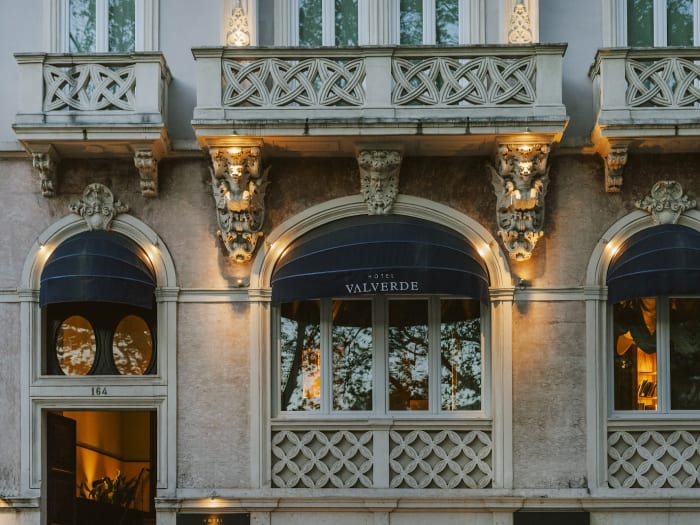
The spirit of Valverde also rests on a distinctly Lisbon contrast between the urban façade and the serene interior. From the avenue, one can sense the energy of the city centre. Once the threshold is crossed, the tone shifts.
The volumes become more intimate. The materials more enveloping. The ambiance more tranquil.
This transition lends the stay an almost residential quality. It feels as if one is moving from a vibrant city to an interior designed for relaxation.
The decor extends this continuity. It combines modernity and tradition with restraint. Classic references are reinterpreted, contemporary lines are introduced, and a sober palette is employed.
Nothing imposes a museum-like reading. Everything seems designed to make refinement accessible and part of daily life.
This approach to luxury aligns with the recent evolution of high-end European hospitality. Travellers are seeking less an abstract grandeur and more a human-scale address.
The Valverde responds to this with clarity. A five-star city house where guests come as much for the balance as for the quality of the services.
Couples on a getaway, Lisbon regulars, business travellers seeking tranquillity, or visitors discovering the capital will find a coherent setting, free from unnecessary emphasis.
The hotel also tells a story about Lisbon itself. A city of light, history, hills, façades, and hidden gardens.
Despite its international appeal, it retains addresses that embody a sense of discretion. The Valverde Lisboa Hotel & Garden belongs to this family of places that do not seek to dominate the city but to interpret it with tact.
The establishment, between avenue and secret garden
Staying at the Valverde Lisboa Hotel & Garden offers a unique dual experience in an urban setting. The hotel boasts a central location in the heart of Lisbon, placing travellers close to the capital's vibrant cultural, commercial, and gastronomic life. It also features a lush garden, a rarity in the city. This coexistence of external vibrancy and internal retreat is among the most compelling characteristics of the establishment.
The centre of Lisbon is easily explored on foot. From the hotel, one can reach elegant main thoroughfares, historic neighbourhoods, monumental squares, charming cafés, designer boutiques, and the city's viewpoints. The capital unfolds in sequences: Pombaline façades, sloping streets, trams, public gardens, bookstores, museums, restaurants, azulejos, and Atlantic light. For a short stay, this centrality is a distinct advantage. For a longer visit, it allows one to experience Lisbon without the burden of heavy logistics.
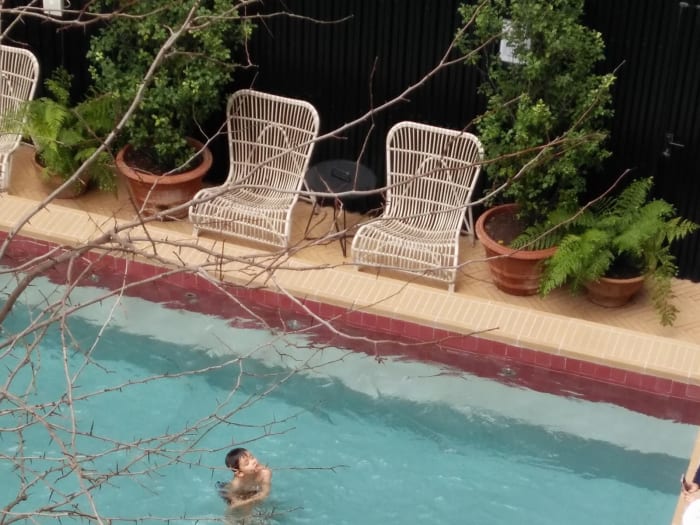
The garden alters the perception of the location. In a densely populated city, having a genuinely inhabited green space is a luxury in itself. It serves as a place for pause rather than mere representation. Here, one can read, enjoy a coffee, extend breakfast, or simply let the day slow down.
This relationship with the garden influences the overall experience. It softens business stays, enriches romantic getaways, and provides a precious quality of silence for travellers sensitive to a place's ambiance. Many establishments claim a central location, but fewer offer a genuine sense of retreat. This is where the Valverde finds its true merit.
The style of the establishment blends modernity with tradition. The common areas welcome guests with a relaxed elegance that does not sacrifice comfort or clarity. Refinement does not create distance; it is rooted in quality of use: comfortable seating, smooth circulation, carefully considered lighting, and materials chosen for durability. This approach suits Lisbon, a city that values places that can be beautiful while remaining lively.
In a bustling capital, true luxury often lies in preserving a sense of serenity without isolating oneself from the world. The Valverde meets this expectation with intelligence. Guests come to be at the centre, but not amidst the noise. They can enjoy the city and then return to a more tranquil rhythm at the end of the day. This interplay between location, garden, and atmosphere makes it a truly distinctive address.
Rooms and suites, the comfort of a lived-in address
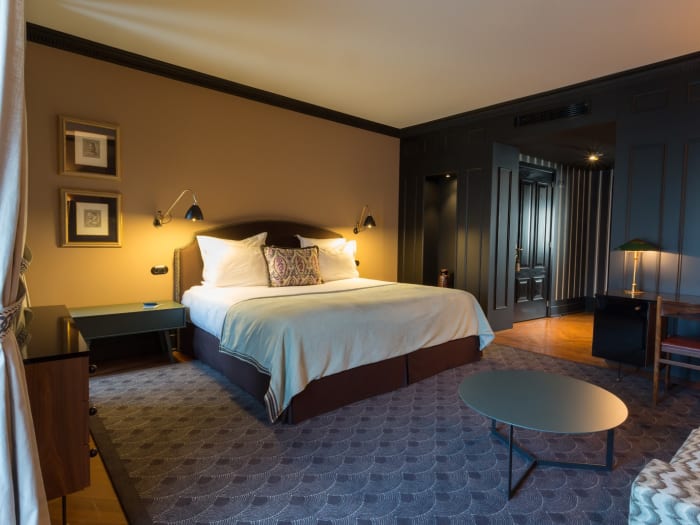
In a hotel of this calibre, the room embodies the promise made to the traveller. At the Valverde Lisboa Hotel & Garden, this promise rests on refined comfort, devoid of coldness, and an aesthetic faithful to the spirit of the establishment.
The rooms and suites combine modernity with tradition. The contemporary design preserves a residential warmth, while classical references remain light.
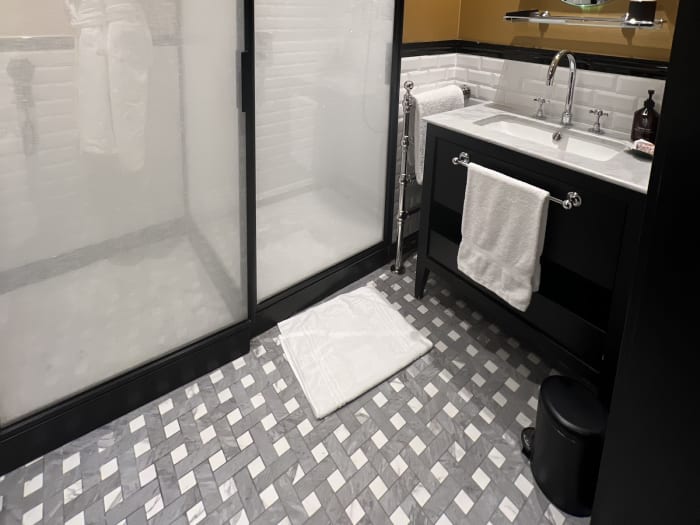
The interiors appear thoughtfully designed for actual stays. Balanced volumes, functional seating, integrated storage, five-star bedding, and comfortable bathrooms compose the ensemble. Lighting receives particular attention.
In Lisbon, the light subtly changes throughout the hours. The ideal room accompanies this transformation. Bright in the morning, enveloping in the evening, soothing after a day spent in the hills or city centre.
Rooms overlooking the garden deserve special mention. In the city, a view of a green space enhances the quality of the stay. It brings a sense of openness, visual calm, and sometimes a different acoustic experience.
For travellers sensitive to rest, for couples, or for those who enjoy starting the day in tranquility, this orientation makes perfect sense.
The appeal of a place like the Valverde also lies in its refusal of uniformity. The various categories of rooms and suites express a common language, with nuances in size, perspective, or layout.
It is often in these variations that the charm of a five-star boutique hotel is found. A more intimate room suits a short stay, while a larger suite allows for a few days' residence. A space better suited to a blend of work and relaxation accompanies the journey.
What matters is that each category maintains the same stylistic coherence and level of attention.
Service naturally complements the experience. Daily housekeeping, turn-down service, 24-hour reception, and concierge services enhance this sense of fluidity.
Nothing spectacular, but a series of precise gestures. A room tidied at the right moment. A more comfortable return in the evening. A request handled without unnecessary delay. Discreet assistance for a transfer, a reservation, or an early departure.
Luxury is here reflected in the absence of friction.
The rooms at the Valverde are designed for a diverse audience without losing their identity. Couples find a setting conducive to rest and intimacy. Business travellers enjoy a calm and central environment. City-break enthusiasts discover an elegant anchor point between explorations.
Offering a true personality while remaining hospitable for various uses is a rare quality. When a room achieves this, it becomes an active part of the journey.
The dining experience and the rhythm of the days
At the Valverde Lisboa Hotel & Garden, the dining experience is integral to the identity of the place. In Lisbon, it reflects a cuisine attentive to quality produce, seasonality, and a just simplicity.
Breakfast often sets the tone for the stay. In a hotel with a garden, it takes on a special dimension. It becomes a way to attune oneself to the day, in calm and freshness.
Lunch and dinner extend the spirit of the house. The offerings benefit from remaining clear, elegant, and suitable for both residents and passing visitors. True luxury often lies in enjoying a good lunch without leaving the hotel or dining on-site after a busy day.
The garden plays a crucial role here. A mid-morning coffee, a light lunch, an afternoon drink, or an evening dinner structure the day. In Lisbon, the late afternoon light and the softness of the evenings invite guests to linger.
The dining experience follows a logic of attentive service, a well-maintained setting, and a measured tone. The culinary experience also depends on the welcome, the pace of service, the noise level, and the quality of recommendations. A good hotel restaurant knows how to cater to various timings.
Finally, the gastronomy of the Valverde also serves as a bridge to the city. The concierge can guide guests to the best Lisbon addresses, arrange reservations, or suggest staying at the hotel to enjoy the garden. The hotel’s dining experience thus integrates into the ecosystem of Lisbon.
Wellness, Silence, and Urban Breathing
Wellness is an integral part of the experience at Valverde Lisboa Hotel & Garden. It is defined by its tranquil atmosphere, lush garden, and its ability to provide a respite in the heart of the city.
In the realm of upscale urban hospitality, relaxation does not always hinge on a vast wellness space. It often relies on more subtle qualities. Relative silence, controlled lighting, the comfort of the rooms, seamless service, and the opportunity to retreat without disconnecting from the destination.
Lisbon is a physically engaging city. One walks a lot, going up and down, pausing at a miradouro, then heading off to a museum, a shopping district, or a restaurant. This topography makes hotels that offer genuine recovery time particularly valuable. The garden at Valverde serves as a buffer, allowing guests to reconnect with themselves after the hustle and bustle of the streets.
The interior comfort extends this sensation. A well-designed room, a pleasant bathroom, efficient turn-down service, and meticulous daily upkeep all contribute to the quality of rest. Contemporary luxury is also measured by a place's ability to regulate the traveler's pace.
For business travellers, this aspect is especially significant. Valverde strikes a balance between centrality, logistical efficiency, and a subdued atmosphere. For couples, wellness takes on a different form—one where the location itself encourages a slower pace. In both cases, the garden and the overall ambiance of the hotel act as quiet resources.
In spring and summer, the garden assumes a special role. Wellness is expressed through simple gestures: having breakfast outdoors, taking a break between visits, or extending the evening in a verdant setting.
Thus, Valverde Lisboa Hotel & Garden champions a nuanced conception of wellness. Less a programme than a climate. Less a technical promise than a holistic quality. In the heart of Lisbon, this breath of calm and comfort becomes one of the reasons to choose this address.
Concierge & Services: Discretion as a Signature
In a five-star city centre hotel, the services are valued for their integration into the stay. The Valverde Lisboa Hotel & Garden offers a 24-hour concierge, continuous reception, daily room service, turndown service, luggage storage, laundry service, wake-up calls, and a multilingual team. Together, they create a seamless stay, free from unnecessary rough edges.
The 24-hour reception provides invaluable flexibility in Lisbon. It accommodates late arrivals, early departures, and changes in plans. This availability reassures without disturbing the sense of calm.
The concierge plays a crucial role in the quality of the stay. In Lisbon, the relevance of recommendations can often change the experience. A good concierge books a table, suggests a neighbourhood according to the time of day, recommends a walking route, arranges transfers, or finds a discreet alternative.
The quieter services are equally important. Daily housekeeping and turndown service enhance the continuity of the stay. Returning to a perfectly maintained room, finding an atmosphere prepared for rest in the evening, and not having to think about practical details: these gestures create a genuine mental comfort.
Laundry service, luggage storage, and wake-up calls fall into the same category. Nothing spectacular, but concrete support for the traveller's freedom.
The multilingual team also deserves mention. In an international establishment, the quality of communication is as important as the efficiency of the response. Clearly expressing a request, receiving a precise explanation, and obtaining nuanced advice all contribute to the feeling of being well looked after.
The Valverde's signature also lies in its discretion. The right attention takes precedence over showiness. In Lisbon, this effective discretion is one of the strengths of the address.
Lisbon’s art of living from Valverde
Choosing Valverde Lisboa Hotel & Garden also means choosing a certain way of living Lisbon. The city cannot be reduced to a checklist of monuments or a prescribed route through photogenic districts. It reveals itself in a rhythm, in the alternation of viewpoints and retreats, lively streets and gardens, historic cafés and contemporary addresses, hills and riverbanks. A well-located hotel with genuine personality then becomes a way of reading the city. It helps one grasp not only its places, but also its cadence.
From a central address, days can be organised with great flexibility. In the morning, one sets out early to enjoy the still-soft light on façades and squares. One crosses an elegant avenue, reaches an old quarter, pauses in a bookshop, museum, church or café. At midday, one chooses between the energy of a table in town and a return to calmer surroundings. In the afternoon, Lisbon invites both wandering and contemplation: viewpoints, gardens, cobbled streets, boutiques, cultural institutions and the banks of the Tagus. In the evening, the city changes tone without losing its softness. To return then to a house such as Valverde is to close the day without rupture.
That continuity is valuable, because Lisbon can be intense despite its apparent ease. Its topography is tiring, its temptations are many, and it is easy to overload a programme. The luxury of a calm hotel with a garden lies precisely in offering a counterpoint. One can pause there instead of rushing from district to district, recover a little shade and silence, catch one’s breath before setting out again. It changes the quality of the stay: one no longer merely consumes the city, but inhabits it more fully.
Valverde seems especially suited to this approach. Its blend of modernity and tradition mirrors Lisbon itself, an old yet creative city, rooted in heritage yet mobile, melancholic yet vividly alive. Its membership of Relais & Châteaux further suggests attention to local grounding, not in a folkloric sense but through a certain idea of hospitality. One does not come merely to sleep between visits; one looks for an address capable of giving meaning to the urban experience.
For couples, this may take the form of a stay shaped by slow walks, lingering meals, returns to the garden at the end of the afternoon and evenings without an over-rigid plan. For business travellers, the hotel makes it possible to slip moments of city life into a crowded schedule without wasting time on unnecessary journeys. For regular visitors to Lisbon, it offers a base central enough to revisit the city differently, privileging details, atmospheres and variations of light and season.
Ultimately, Lisbon’s art of living may lie in this ability to preserve softness without renouncing intensity. Valverde Lisboa Hotel & Garden appears to understand that well. Its garden, calm, location and style combine to create an experience that does not overplay Lisbon, but makes it more inhabitable. That is often the mark of the best urban addresses: they do not merely occupy a good location; they teach a more accurate way of living the city. Here, that lesson seems to pass through restraint, light, comfort and recovered time.
Booking via MyConciergeHotel
Booking the Valverde Lisboa Hotel & Garden through MyConciergeHotel means approaching this stay with a supportive logic. In five-star hospitality, the quality of the experience often hinges on details decided in advance: room category, orientation, pace of the stay, arrival time, specific needs, and expectations for tranquillity or location within the hotel.
At Valverde, this point is particularly significant. The address combines a calm and refined atmosphere, a lush garden, a central location, and a dialogue between modernity and tradition. These elements are experienced differently depending on whether one is travelling as a couple, for business, for a cultural weekend, or for a first-time discovery of Lisbon.
Support can transform general information into concrete choices: favouring a room with a garden view, organising a stay that allows time to enjoy the place, anticipating a late arrival or an early departure, or balancing city exploration with moments of retreat.
The Valverde belongs to a rare category: that of urban houses with strong personalities, where one seeks both an atmosphere and quality service. Booking with an intermediary who understands this nuance helps confirm whether the address aligns with expectations for a stay in Lisbon.
This approach is useful before, during, and after the trip. Before, to define the right configuration for the stay. During, to facilitate special requests, city reservations, programme adjustments, or neighbourhood advice. After, because a good address often invites a return, whether in another season or a different room category.
Booking a room with a garden view encapsulates the value of attentive reservation. It is not merely a decorative detail. It is a way to orient the stay towards greater calm and an experience that is truer to the spirit of the place. Choosing the right dates, particularly in seasons when the garden can be fully enjoyed, can also change the tone of the trip.
Booking the Valverde Lisboa Hotel & Garden via MyConciergeHotel is akin to treating this stay as a bespoke composition. At this level of hospitality, the difference lies in the fit. Finding the right room, the right pace, and the right use of both the city and the garden is what transforms a beautiful address into a successful stay.