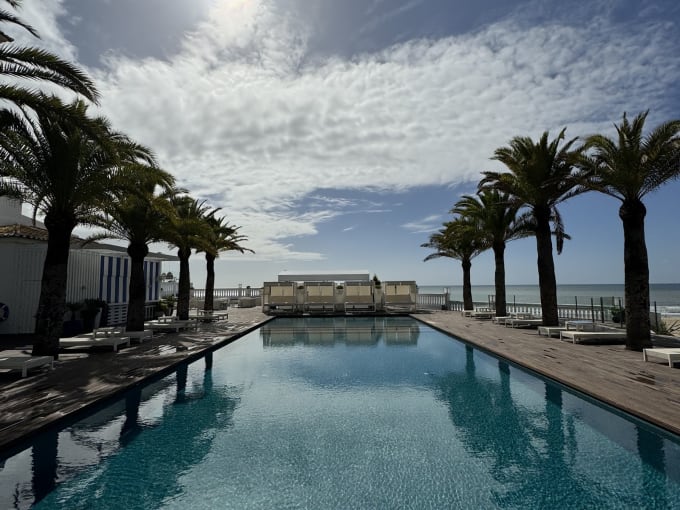
In Portugal, the Relais & Châteaux universe resonates in a unique way. The country combines a living heritage, attentive hospitality, and an understated culinary culture. It is precisely this trio that captivates our advisors. Here, luxury is not merely defined by the size of a lobby; it is reflected in a home that retains its soul. It is measured by the coherence between a place, its cuisine, and its territory. From Cascais to Alentejo, from the Douro Valley to Madeira, this selection showcases a characterful Portugal. It features historic residences, nature retreats, wine estates, and seaside hotels, all of which speak of local identity while adhering to well-maintained international standards. Whether for a romantic weekend, a gastronomic getaway, or a discreet pause, the Relais & Châteaux segment finds particularly compelling ground here.
Our editorial assessment is based on specific criteria. We first consider the strength of the location. An address must express a geography, a history, or a landscape that is immediately apparent upon arrival. We then evaluate the quality of the hotel experience, which includes the level of service, the sense of intimacy, the relevance of communal spaces, and the consistency of the welcome. Naturally, the dining experience plays a significant role in this theme. We favour establishments where gastronomy is not merely a marketing attribute; it should engage with the terroir, the wines, the seasons, and the rhythm of the stay. We also observe a hotel's ability to create lasting memories. A view of the Atlantic, a vineyard, a city garden, or a family home can suffice. It is important to note that a great Relais & Châteaux is not standardised; it is authentic, embodied, and legible.
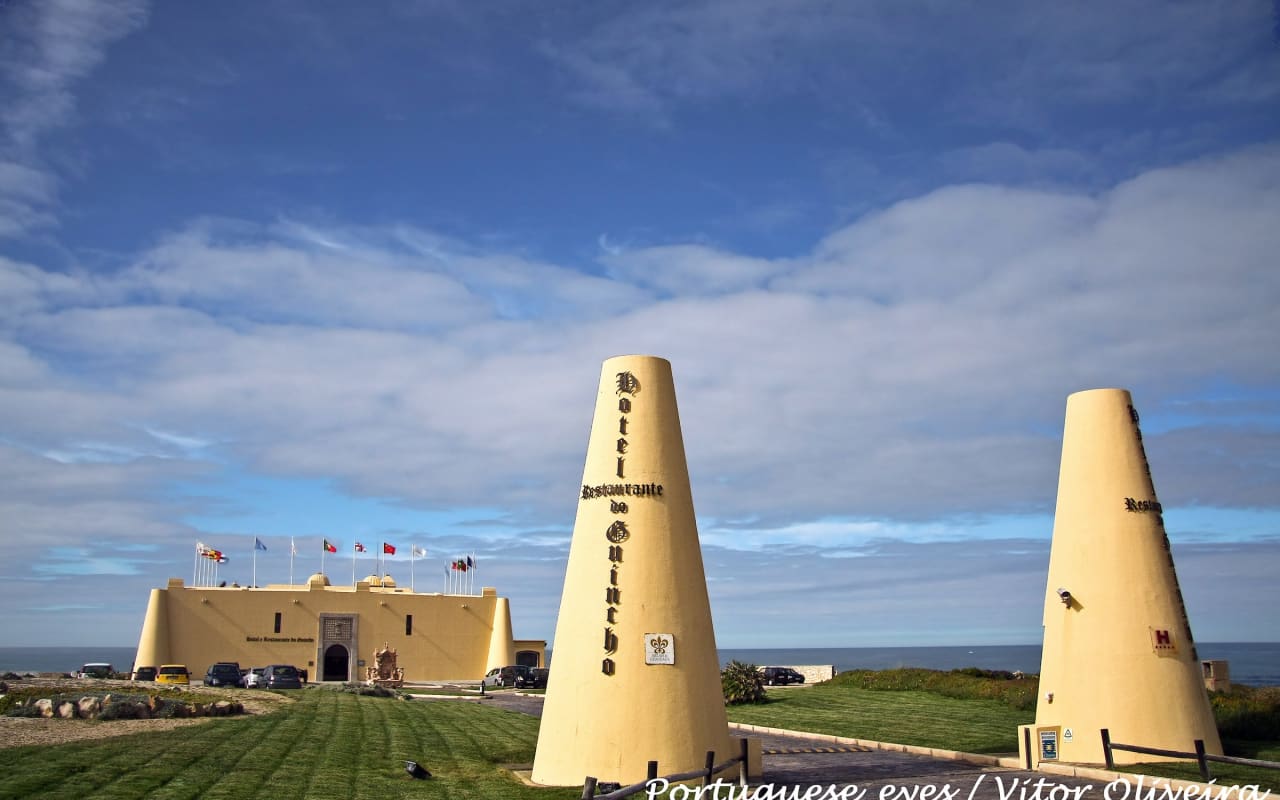
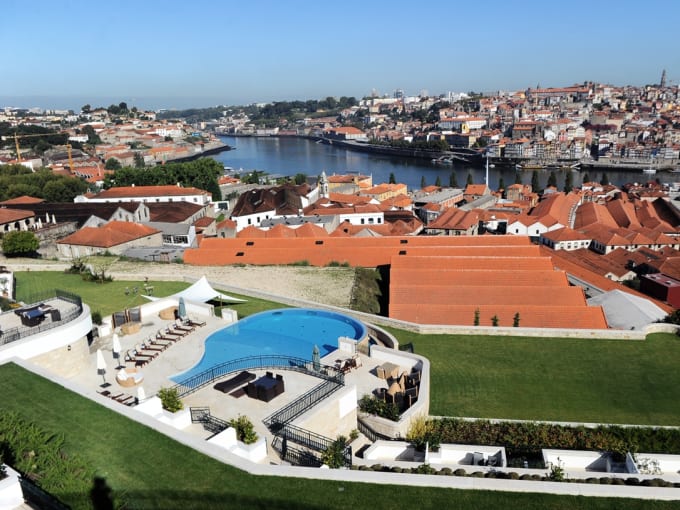
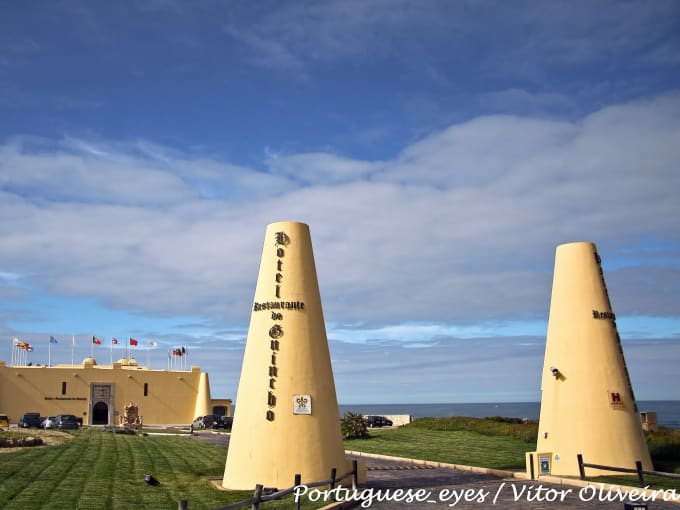
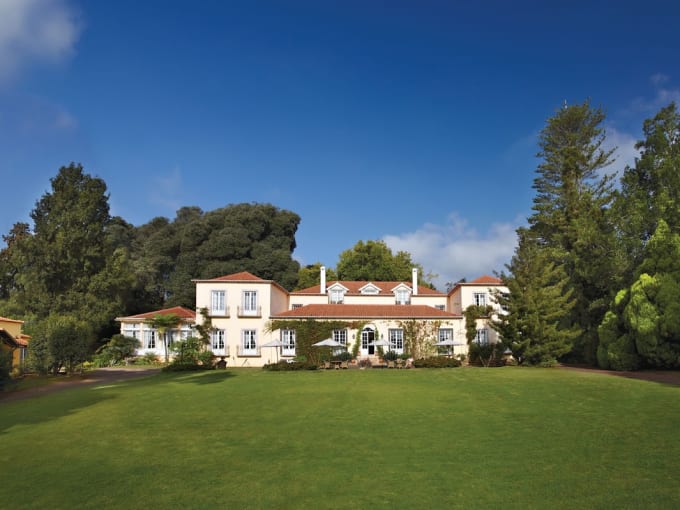
The Portuguese panorama presented here is remarkably varied. Fortaleza do Guincho in Cascais offers an experience set against the ocean and coastal winds. Bela Vista Hotel & Spa in Portimão plays a more Belle Époque seaside tune. Casa Velha do Palheiro in Funchal grounds hospitality in a garden and island tradition. In the interior, Herdade da Malhadinha Nova and L’AND Vineyards provide two very distinct expressions of Alentejo—one rural and earthy, the other more contemporary and architectural. Quinta Nova Winery House in the Douro connects the wine landscape with the art of hospitality. Casa da Calçada in Amarante recalls the weight of historic residences in the north. Casa de São Lourenço in Manteigas places the mountain at the heart of the stay. The Yeatman in Vila Nova de Gaia offers a more urban oenological perspective. Valverde Lisboa Hotel & Garden, Valverde Santar Hotel & Spa, and Vermelho complete the ensemble with urban, garden, and heritage design tones.
For 2025 and 2026, several trends are clearly emerging in Portugal. The first is a return to smaller, more intimate establishments. Experienced travellers are seeking less of a scale effect; they desire more silence, rhythm, and connection. The second trend concerns regional gastronomy. The most sought-after tables are not necessarily the most ostentatious; they are those that tell a story about a product, a season, and a region with precision. Wine continues to shape the journey, becoming a cultural thread in the Douro, Gaia, or Alentejo. Another observed evolution is the rise of combined stays. Lisbon with Santar, Cascais with Alentejo, or Porto with the Douro work particularly well together. Finally, the notion of well-being is shifting; it relies less on visible technology and more on space, nature, light, and the quality of sleep.
What often distinguishes these establishments is a form of French luxury understood in the noble sense. It is not about superficial decor; it is about a discipline of hospitality. Details matter, but they must serve comfort. Service is present without being intrusive. The dining experience is ambitious without rigidity. Heritage is respected without becoming museum-like. This is where Portugal excels. Many addresses successfully combine Iberian warmth with international standards. At Casa Velha do Palheiro, Casa da Calçada, or Valverde Santar Hotel & Spa, this logic is evident in the relationship between home, garden, and hospitality. At The Yeatman or Quinta Nova Winery House, it takes on a strong oenological dimension. At Fortaleza do Guincho or Bela Vista Hotel & Spa, it confronts the Atlantic. My advice is to first choose an atmosphere; the right hotel is one that aligns with your way of travelling.
This ranking should also be read methodically. A number one does not negate the qualities of number twelve. Each establishment serves a different purpose. Some will be better suited for a romantic anniversary, while others are more relevant for a gastronomic immersion, a wine-focused stay, or a few days of disconnection. Our advisors often observe a classic mistake: many travellers book based on general reputation, while the success of a stay largely depends on the alignment between the location and the intention. If you love the sea and a chef's table, look to Cascais or the Algarve. If you seek vineyards, hills, and valley landscapes, the Douro is a must. If you prefer Alentejo with its open lines and estates, head towards Beja or Montemor-o-Novo. If you want a city home with a garden, Lisbon remains a very solid option. This ranking provides a hierarchy, but it primarily serves as a guide.
Thus, the following list brings together twelve addresses that each embody the spirit of Relais & Châteaux in Portugal in their own way. Some shine for their dining experience, others for their heritage, natural setting, or personalised hospitality. Together, they create a coherent map of the most unique hotel offerings in Portugal.