History & heritage
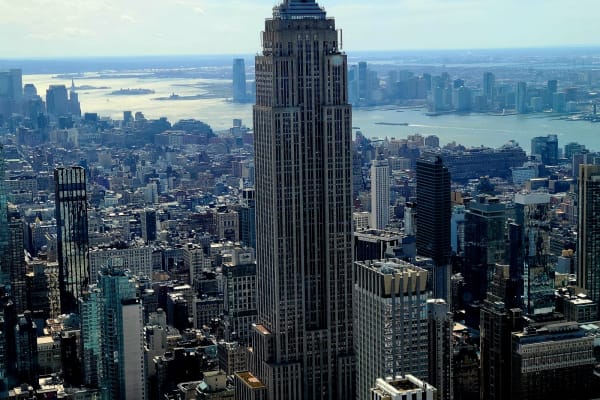
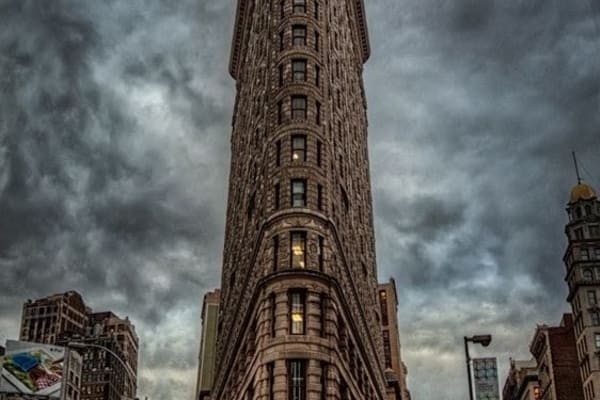
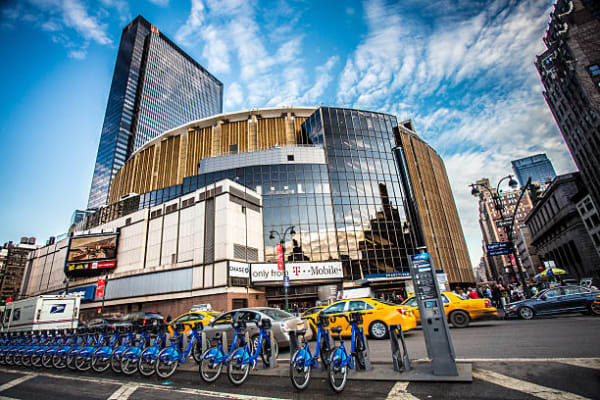
In New York, some addresses tell the story of the city simply through their location. The Ritz-Carlton New York NoMad belongs to that category of hotels whose heritage is less about a historic palace than about a contemporary reading of Manhattan. Here, legacy does not rest on a Belle Époque shell preserved intact, but on the meeting point between an established luxury hospitality name and a neighbourhood that has changed dramatically over recent decades. NoMad, short for North of Madison Square Park, has become one of Manhattan’s most closely watched districts: at once residential, creative, commercial and hotel-led, where historic architecture meets a more recent skyline.
In that context, the hotel expresses a distinctly 21st-century idea of New York urban luxury. The Ritz-Carlton spirit is felt in the quality of the welcome, in the care given to the rhythm of a stay, and in that ability to make guests feel they have arrived somewhere designed to make the city easier to navigate. In New York, that matters. The metropolis imposes its own energy, its relative distances, its shifts in mood from one avenue to the next. A great hotel therefore becomes both a place to rest and a point of anchorage.
The appeal of this address also lies in the way it interprets Manhattan today. For a long time, New York luxury hospitality was concentrated around Central Park, historic Midtown or the Upper East Side. NoMad introduced another geography of the high-end stay: more fluid, more connected to the city’s daily life, and closer to neighbourhoods whose identity is constantly evolving. Staying here means choosing a New York that feels less ceremonial than some of the classic strongholds, yet no less exacting in its codes. Guests still find the refinement expected of a five-star hotel, without the distance sometimes associated with more institutional addresses.
That contemporary dimension does not erase the notion of heritage; it reframes it. Heritage here is that of a brand known for service, applied to a district that neatly captures Manhattan’s recent transformations. Travellers sense a continuity between New York’s urban history and its current way of life: a city that continually reinvents itself while remaining faithful to certain constants, such as efficiency, density of experience and the importance of addresses able to offer both style and bearings. The Ritz-Carlton New York NoMad fits precisely within that modern tradition: a luxury defined by setting, service and atmosphere, conceived for guests who want to experience New York fully without giving up a sense of composed calm.
The hotel
One of the first strengths of The Ritz-Carlton New York NoMad lies in the way it sits within the urban fabric. The hotel does not attempt to withdraw from the city; it moves with its rhythm while offering a more composed counterpoint. That relationship with Manhattan is essential. In NoMad, guests are in a particularly interesting transition zone between Midtown, Flatiron, Chelsea, Gramercy and the lower reaches of Downtown. For visitors, that means a fluid stay, with movements shaped by the mood of the day: business meetings, shopping, architectural walks, cultural outings or simply wandering without a fixed plan.
The neighbourhood itself plays a major part in the experience. NoMad has the rare ability to combine animation with legibility. It offers Manhattan’s intensity, but often in a version that feels more breathable than some of Midtown’s more saturated sectors. Historic façades, office buildings, dining addresses, shops and the proximity of Madison Square Park create a distinctly New York setting without cliché. It is a district that is lived in as much as visited, and that nuance changes the feel of a stay. The hotel benefits from that local energy while delivering the comfort expected of a major international address.
The overall aesthetic, based on the known information, belongs to a chic and contemporary register. That suggests spaces designed for current expectations: clean lines, clear circulation, a polished but not ostentatious atmosphere, and close attention to functionality. In a city where one moves quickly from outdoors to indoors, from the rush of the street to the privacy of a lobby, the quality of that transition matters greatly. A successful New York grand hotel knows how to orchestrate that shift: to welcome without slowing, to shelter without isolating, and to provide style without stiffness.
The address suits both business and leisure stays, which is no small detail. Not every urban hotel achieves that balance. Some favour social theatre, others pure efficiency. Here, the positioning appears more versatile: sophisticated enough for a couple’s weekend, structured enough for a work trip, and central enough to move around with ease. Easy access via public transport further reinforces that flexibility. In a city like New York, where every minute can matter, proximity to the subway and straightforward routes to Manhattan’s key areas are genuine advantages.
In practical terms, the hotel speaks to travellers who want to experience New York without being burdened by its logistics. That is an important distinction. In a dense urban context, luxury is not measured only by materials or scale; it is also expressed through ease of use. Being able to reach landmark attractions quickly, return to the hotel between appointments, organise a day without relying entirely on a car, and have an elegant base in a lively district: these are the elements that make this address relevant. The Ritz-Carlton New York NoMad therefore emerges as a city hotel in the noblest sense, a place capable of orchestrating the New York experience with precision, comfort and a strong sense of tempo.
Rooms and Suites
In a hotel of this calibre, the room is never just a transient space. In New York, it becomes an orderly refuge in a city that constantly stimulates the senses.
The Ritz-Carlton New York NoMad meets this expectation with a contemporary approach to comfort, in harmony with its surroundings and the brand's positioning. The space prioritises rest and clarity.
The rooms cater to an international clientele accustomed to high standards, attentive to the identity of the place. Well-organised volumes, functional furniture, a soothing palette, and discreet technology create a sense of balance.
True luxury in a New York room often lies in this feeling of simplicity. Everything is in its place. Nothing distracts unnecessarily.
For business travellers, this quality of use is essential. A well-designed room allows one to catch their breath, work under favourable conditions, and return in the evening to a calm atmosphere.
For leisure travellers, the logic remains the same. Having a space to unpack purchases, plan the next steps of their stay, prepare for an evening out, or simply watch the city slow down is invaluable.
The suites extend this promise with greater ease and a clearer separation of functions. They are suitable for long stays, romantic getaways, well-organised family trips, or clients wishing to entertain.
In the context of NoMad, this residential dimension makes perfect sense. The neighbourhood lends itself to a more grounded New York experience, less strictly touristy.
Service plays a decisive role here. Daily housekeeping, turndown service, reception, and 24-hour concierge directly contribute to the quality of the in-room experience.
A well-maintained room, prepared regularly, accompanied by service available at all hours, profoundly alters the perception of the stay. In Manhattan, this continuity of service remains one of the most tangible markers of a grand hotel.
The rooms and suites at The Ritz-Carlton New York NoMad thus extend the energy of the neighbourhood in a more refined version. They allow guests to stay connected to Manhattan while maintaining the necessary distance to fully enjoy it.
Dining
In New York, hotel dining has evolved beyond a mere ancillary service; it now plays a pivotal role in defining the identity of the establishment and the rhythm of the guest's stay.
At The Ritz-Carlton New York NoMad, this aspect is particularly significant. Travellers expect a culinary offering that can accompany them throughout the day.
In NoMad, the environment naturally contributes to this experience. The neighbourhood is among the most vibrant areas in Manhattan for dining and urban socialising.
An establishment of this calibre must engage with its context, providing spaces suitable for a variety of uses.
Whether it’s breakfast before a busy day, a business lunch, a light snack, a more relaxed dinner, or an evening drink, each moment requires its own tempo.
In a contemporary five-star hotel, the quality of the dining experience also hinges on the fluidity of service. Luxury is found in the precision of attentiveness.
In New York, where stays often blend business and leisure, this flexibility holds real value, allowing guests to tailor their experiences to their own pace.
Room service remains a hallmark of a grand urban hotel. After a long-haul flight, a show, or a day of meetings, dining in the room retains its appeal.
Breakfast also occupies an important place. It must be reliable, well-executed, and cater to diverse expectations.
Ultimately, what matters is the coherence between the dining experience and the venue. In a chic and contemporary setting, guests anticipate a clear, urban, and current proposition.
The right establishment knows how to welcome both residents and local regulars. This is often where the credibility of a grand New York hotel is established.
For the traveller, this promise simplifies their stay, allowing the freedom to explore Manhattan or to remain at the hotel with equal pleasure.
Spa & Well-being
In New York, well-being addresses a concrete need. The city imposes an intense pace, whether on business trips or weekends.
Here, it is not limited to a spa. It encompasses a more fluid, pleasant, and restorative organisation of the stay.
Well-being begins upon arrival. It is reflected in the quality of the welcome, the smoothness of the check-in process, and the availability of the concierge service.
It also relies on the consistency of the room service. And on the feeling of being supported without being overwhelmed.
The Ritz-Carlton New York NoMad aligns with this logic of controlled comfort. Attentive service plays a central role.
The spaces dedicated to well-being extend this approach. They allow guests to release tension, recover after their journey, and regain energy.
A facial after a flight, a massage in the late afternoon, or a moment of calm before dinner can transform the rhythm of the stay.
This approach suits both couples and business travellers. The former gain extended time, while the latter find a better balance.
Luxury then lies in personalisation. A grand hotel knows how to tailor its recommendations to the real pace of each guest.
Location also matters. Being close to major sites, well-connected to transport, and able to return easily to the hotel reduces urban fatigue.
At The Ritz-Carlton New York NoMad, well-being rests on several elements. Attentive service, fluid organisation, room comfort, and location all contribute together.
This approach allows one to experience New York with more moderation, more recovery, and more pleasure.
Concierge & Services
In luxury hospitality, services are not merely a checklist; they form a grammar of their own. Their value lies in how they are articulated, making the stay simpler, more flexible, and more precise. The Ritz-Carlton New York NoMad offers several essential fundamentals in an urban context: 24-hour concierge, 24-hour reception, daily housekeeping, turndown service, luggage storage, laundry, wake-up service, and multilingual staff. Together, these elements create a continuity of service that transforms the experience.
The concierge plays a central role in New York. In such a dense city, mere information is not enough. Discretion and the ability to tailor recommendations to the traveller's profile are essential. A good concierge does not simply point out an address or book a restaurant; they assist in crafting a realistic itinerary, avoiding downtime, and anticipating flows. For first-time visitors, this mediation is invaluable. For regulars, it allows for a more refined experience.
The continuously open reception is equally vital. New York is a city of late arrivals, early departures, delayed flights, and shifting agendas. Having a constant presence provides discreet security. This is important for formalities, as well as for last-minute adjustments: retrieving a key, arranging a departure, requesting assistance, or resolving an unexpected issue.
Daily housekeeping and turndown service belong to a quieter realm. They contribute to the feeling of a room that is always ready and well-kept. Guests can focus on their plans rather than the material management of their stay. In a large city, where one may return briefly between activities, this level of preparation is greatly appreciated.
Luggage storage and laundry services address very practical needs. The former allows guests to make the most of their arrival or departure day without being encumbered. The latter becomes strategic during multi-night stays, business trips, or longer journeys. As for the wake-up service, it remains useful in a city where morning appointments, airport transfers, and time zone changes demand absolute reliability.
Finally, the presence of multilingual staff serves as a reminder that a grand hotel is also a place of cultural translation. It is not just about speaking multiple languages; it is also about understanding travel habits, implicit expectations, and different ways of expressing requests.
Overall, The Ritz-Carlton New York NoMad offers a solid foundation of services tailored to the demands of a Manhattan stay. Here, luxury rests on availability, consistency, and intelligent execution. This enables the traveller to focus their attention on the city.
The New York art of living from NoMad
Choosing NoMad for a stay in New York means embracing a very contemporary way of inhabiting Manhattan. The neighbourhood allows one to experience the city not as a sequence of icons to tick off, but as a set of rhythms, perspectives and uses. Of course, landmark attractions remain easily accessible, and that is one of the hotel’s clearly identified strengths. But the appeal of an address such as The Ritz-Carlton New York NoMad also lies in what it makes possible between those major reference points: days that are more nuanced, freer and closer to everyday New York life.
In the morning, NoMad lends itself well to a gradual entry into the city. One can imagine beginning with coffee, walking streets that are still relatively calm, heading towards a nearby park or setting off for Midtown before the intensity rises. That ability to modulate tempo is precious. It distinguishes neighbourhoods where one truly stays from those one merely passes through. From here, Manhattan unfolds with notable clarity: to the north, major commercial and cultural hubs; to the south, more creative and residential districts; to the west, another relationship to walking and the urban landscape.
For leisure travellers, this location makes it easy to alternate between different registers. A day may begin with a major visit, continue with lunch in the neighbourhood, move on to shopping or an exhibition, then return to the hotel before heading out again for dinner. For business travellers, the logic is equally convincing: the location offers an efficient base capable of creating pleasant intervals between obligations. In both cases, the hotel acts as a point of balance between immersion and control.
Easy access via public transport further enhances this quality of life. In New York, knowing that one can reach different parts of Manhattan quickly without complex organisation profoundly changes the way days are conceived. It encourages spontaneity, makes it possible to seize a last-minute booking, add a visit, or alter a programme according to the weather or one’s energy. Urban luxury today lies to a great extent in that kind of freedom.
NoMad also has a particular tone within the New York landscape. The district has neither the solemnity of some historic luxury areas nor the over-saturation of more touristic zones. It offers a rare compromise between centrality, animation and discreet sophistication. For French or European visitors in particular, that atmosphere can be especially appealing: it provides access to a highly recognisable New York, yet one that feels less caricatured, more lived-in and more elegant in the way it blends business, culture, design and daily life.
Staying here therefore means experiencing an urban art of living based on intelligent circulation. One gives up nothing: not the landmarks, not the department stores, not the museums, not the dinners, not the appointments. But one approaches them from a neighbourhood that allows room to breathe between sequences. The Ritz-Carlton New York NoMad makes full sense within that equation. It does not merely offer luxury accommodation; it proposes a way of composing one’s New York with greater fluidity, more style and a better understanding of the local tempo.
Booking via MyConciergeHotel
Booking The Ritz-Carlton New York NoMad through MyConciergeHotel means preparing for your stay with method and support. In New York, this difference matters. The city demands choices regarding neighbourhood, pace, and purpose. Selecting the right address is already a decisive factor. Knowing how to make the most of it is equally important.
This address suits various profiles: couples on a city getaway, visitors wishing to explore Manhattan, New York regulars seeking a contemporary base, or business travellers looking for a central hotel. Booking through a specialised intermediary helps clarify these uses. The challenge is not just to confirm a room; it is also to ensure the hotel aligns with the travel style and priorities of the stay.
For The Ritz-Carlton New York NoMad, several factors are crucial at the time of booking. Its location in a dynamic Manhattan neighbourhood, proximity to iconic attractions, suitability for both business and leisure stays, and ease of access via public transport. For some travellers, mobility will be the priority; for others, the contemporary atmosphere, quality of service, or ease of exploring different neighbourhoods will take precedence. Personalised advice helps to prioritise these criteria.
Booking wisely also involves considering the calendar. The summer period is particularly popular, although New York maintains a strong identity in every season. Support helps anticipate peak demand periods and situate the stay according to events, temperatures, crowd levels, and the desired experience. A business trip during the week, a long cultural weekend, a romantic getaway, or a first visit to New York all entail different expectations.
The advantage of booking through MyConciergeHotel lies in the continuity between inspiration, advice, and execution. The editorial content gives meaning to the address, the advice provides perspective, and the booking solidifies a more informed choice. This coherence avoids standardised stays and fosters more authentic experiences.
For The Ritz-Carlton New York NoMad, this approach is particularly fitting. The hotel combines several sought-after qualities in contemporary New York: a lively neighbourhood, an elegant interpretation of urban hospitality, structured service, and genuine versatility. Booking through MyConciergeHotel means choosing an address with greater anticipation, precision, and peace of mind.