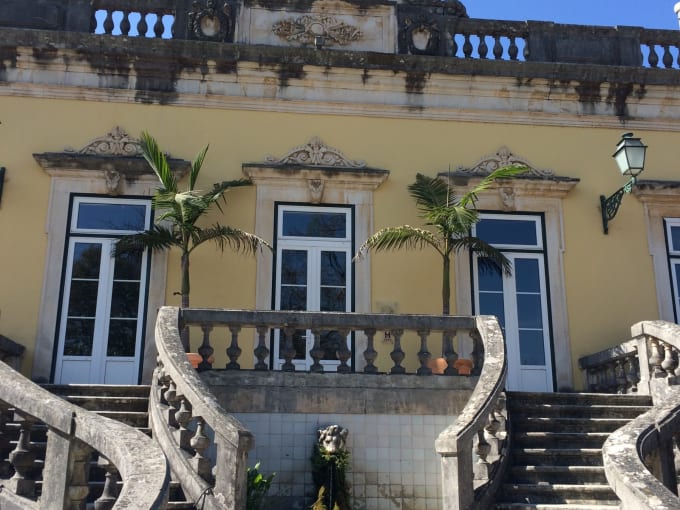
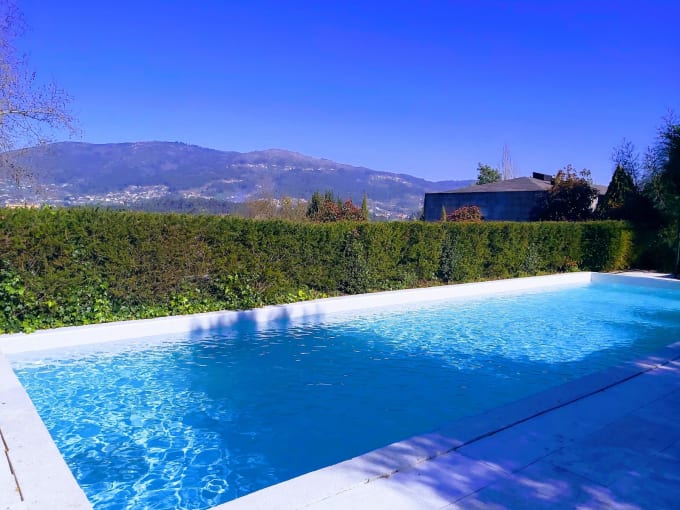
Portugal is particularly well-suited to the realm of Small Luxury Hotels of the World. The country combines a rich heritage, a human scale, and a welcoming culture that is easy to discern. For an independent traveller, this makes all the difference. One can explore cities on foot, discover reinvented historic residences, discreet urban addresses, and characterful hotels deeply rooted in their neighbourhoods. This selection is therefore more about precision than volume. It caters to those who prefer a unique home to a large hotel chain. In Lisbon, establishments such as Palacio do Governador, Pousada de Lisboa, The Lumiares Hotel & Spa, and Verride Palacio de Santa Catarina exemplify this diversity. In Coimbra, Quinta Das Lagrimas reminds us of the weight of history, while Carmo's Boutique Hotel completes this more intimate landscape.
At MyConciergeHotel, a ranking of this nature is never based on an abstract promise. We first examine the coherence between the SLH label and the actual experience offered. Independence matters. The character of the place is equally important. We also assess the quality of the address within its Portuguese context. A boutique hotel can excel due to its location, its interpretation of heritage, its attention to detail, and its ability to foster a seamless relationship with guests. Personalised service remains central, but it is not enough on its own. We observe the consistency over time, the clarity of positioning, the relevance of communal spaces, and how the hotel showcases its surroundings. It is essential to remember that a successful small hotel does not imitate a palace. It asserts a clear personality and maintains it consistently.
The Portuguese landscape is more varied than it may seem. Lisbon naturally hosts several distinctive signatures. The city allows for very different stays depending on the chosen neighbourhood. Belém offers a more monumental heritage perspective. The historic centre prioritises proximity to institutions, squares, and ancient façades. Bairro Alto attracts with its urban rhythm, terraces, and cultural life. Santa Catarina, on the other hand, charms with its vistas and a more residential relationship to the city. Outside the capital, Coimbra provides a different depth. Stays here become more contemplative, with history taking a more prominent role. What connects these hotels is not a unique style, but a shared idea of hospitality. Few rooms, a clear identity, a credible local narrative, and a luxury that favours precision over ostentation.
For 2025 and 2026, several trends are strengthening the appeal of this segment in Portugal. Firstly, demand continues to shift towards shorter but better-structured stays. City breaks remain strong, especially in Lisbon. However, travellers now expect an address that saves them time and adds meaning. They want to understand a neighbourhood, not just sleep in the centre. Secondly, the attraction to smaller hotels is growing. Guests seek stable teams, a reception that can guide with finesse, and spaces that do not standardise the experience. What our advisors observe is also an increased focus on rehabilitated heritage. An old residence, an urban palace, or a historic address provides reassurance. Finally, discreet wellness is gaining ground. A modest spa, a quiet terrace, or a well-designed suite often weigh more than an accumulation of facilities.
This perspective aligns with a certain idea of French luxury, as we advocate. Luxury is not a demonstration; it is a quality of execution. In a charming independent hotel, this is evident in tangible aspects. The arrival should be simple. The room must be clear. The bedding, acoustics, lighting, and rhythm of service should form a coherent whole. The décor can be bold or classic; it matters little as long as it serves the place. My advice in Portugal is to favour establishments that embrace their context. An urban address does not need to mimic a resort. A historic residence does not need to be frozen in time. The best hotels in this category know how to translate their city, their building, and their clientele. They create a refined experience, without overstatement, with a genuine sense of intimacy.
It is also important to approach this ranking without an instinct for absolute competition. A number one does not negate the relevance of others. Each hotel serves a specific purpose. Some will be better suited for a first stay in Lisbon, while others may be more appropriate for a romantic getaway, a cultural weekend, or a more introspective journey. We do not seek to create a spectacular hierarchy; we aim to clarify profiles. An urban palace may captivate with its historical grounding, while a contemporary boutique hotel may win over guests with its relationship to the neighbourhood. A more confidential address can stand out through its tranquillity. This is why our rankings remain editorial and practical. They serve to make informed choices, not to deliver definitive verdicts. In the SLH universe, this nuance is essential, as the personality of the traveller counts almost as much as that of the hotel.
The following Top 6 brings together charming independent addresses, chosen for their uniqueness, coherence, and ability to embody Portugal with precision. You will find city hotels, historic residences, and more confidential retreats, all with a clear reason for being. This is the starting point for a good stay.