France is particularly well-suited to the ethos of Small Luxury Hotels of the World. The label champions independent, boutique properties with a distinct personality. In the Hexagon, this promise finds a natural home. The country boasts perched villages, historic centres, rural estates, and sophisticated urban addresses. This segment also meets a central expectation. Many travellers seek less standardisation, more context, and service that acknowledges preferences without theatrics. This is precisely what we observe in establishments like Château Eza in Èze Village, YNDO Hotel in Bordeaux, or Grand Hôtel du Palais Royal in Paris. Each tells a different story of France. None seeks to resemble its neighbour. It is this coherent diversity that makes the selection particularly compelling today.
At MyConciergeHotel, we do not view this type of ranking as a mere collection of appealing hotels. We seek a robust editorial line. The first filter is belonging to the SLH universe, thus to a collection renowned for its commitment to independence and character. Next, we assess the uniqueness of the address. Does the location have a strong geography, a readable history, a distinctive decor style, or a clear relationship with its destination? We also evaluate the quality of execution. This includes the level of service, the coherence of spaces, genuine intimacy, and the ability to provide a seamless stay. Finally, we consider the intended use. A hotel must be suitable for a city break, a romantic getaway, a Provençal retreat, or a heritage stopover. What our advisors observe is of great importance. A beautiful image is never enough.
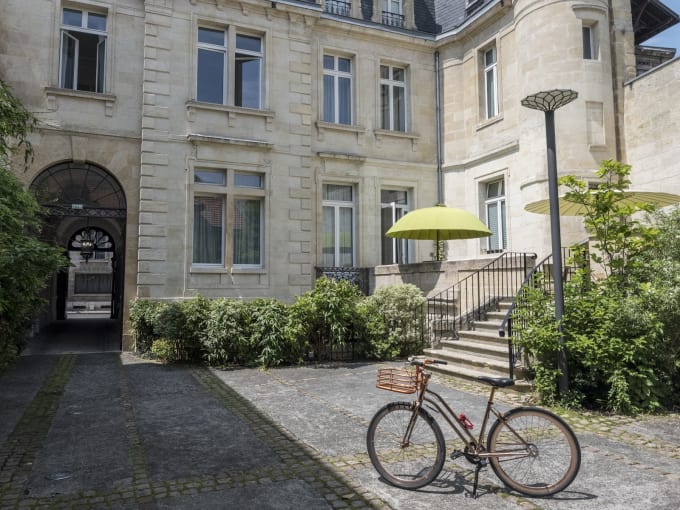
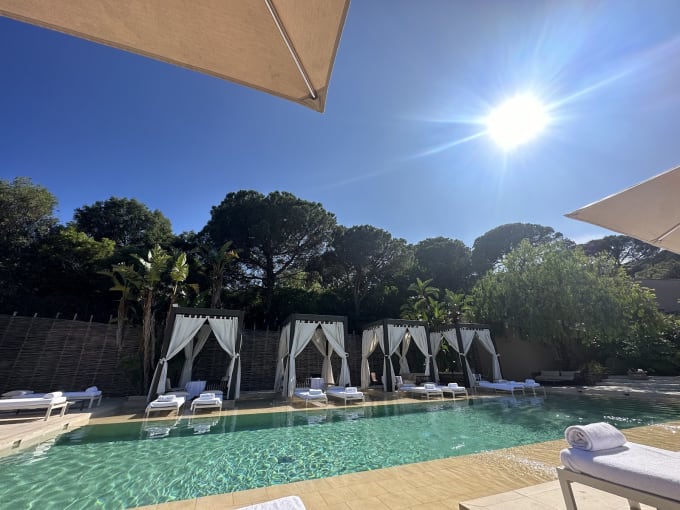
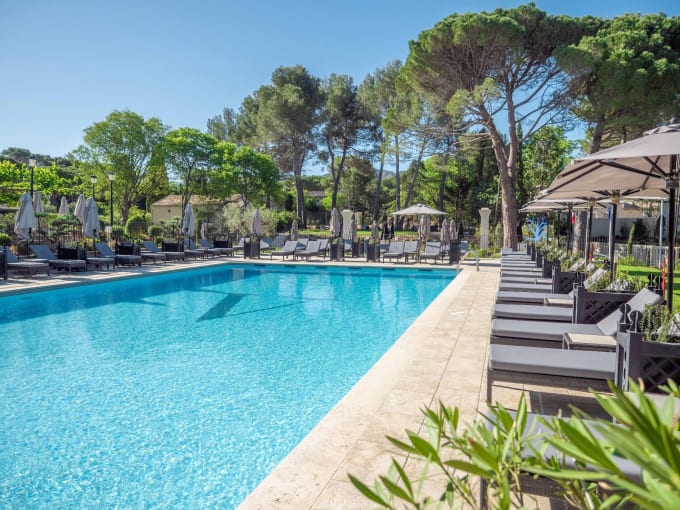
The French panorama of the SLH label is richer than it appears. Paris showcases several interpretations of the boutique hotel. Grand Hôtel du Palais Royal offers a central, discreet, and well-located address. Marquis Faubourg Saint-Honoré operates on a more residential scale. Norman Paris Hôtel & Spa presents a more contemporary take on the Parisian five-star experience. Outside the capital, the contrasts become even more intriguing. Relais de Chambord places guests in front of a major French heritage monument. YNDO Hotel positions Bordeaux as a confidential city house. On the Côte d’Azur, Château Eza and Hotel La Perouse highlight the importance of the site and the view. In Provence, Domaine de Manville, Le Pigonnet, Les Bories & Spa, Le Vallon de Valrugues & Spa, and MUSE Saint-Tropez showcase very different nuances of the same idea of a holiday retreat.
For 2025 and 2026, several trends reinforce the appeal of these independent addresses. The first is the search for the right scale. Many travellers prefer hotels where they can quickly orient themselves, easily return, and where the team remembers their stay. The second is local grounding. It is no longer just about having a beautiful address; it is also essential to offer a credible interpretation of the territory, whether through architecture, gardens, materials, or the surrounding pace of life. The third trend concerns short stays. Extended city breaks and three-night getaways are on the rise. Hotels like Grand Hôtel du Palais Royal, Hotel La Perouse, or Le Pigonnet respond well to this logic. Finally, wellness remains important, but in a more integrated version. The spa matters, of course, but it no longer overshadows the overall experience.
This segment also conveys something specific about French luxury. Here, refinement does not solely rely on display. It often comes through subtlety, the quality of spaces, the silence of a garden, the clarity of decor, or the way one inhabits an old building. A perched residence like Château Eza does not express luxury in the same way as a Provençal estate like Domaine de Manville. An urban hotel like Marquis Faubourg Saint-Honoré does not play the same tune as a seaside address like MUSE Saint-Tropez. Yet, a common thread remains. Service aims to be personalised without becoming intrusive. The atmosphere is crafted, but never anonymous. My advice is simple. In this category, one should choose a hotel for its authenticity, not for its array of amenities. The best experiences often arise from a fine alignment between the place and the traveller.
Thus, this ranking should be read without the reflex of an absolute podium. A number one is not a universal verdict. It is an address that seems particularly accomplished according to this specific theme. Other hotels lower down may suit certain stays better. A couple seeking a Mediterranean view will not necessarily choose the same property as a traveller drawn to Loire heritage. Similarly, Paris is not experienced in the same way as Provence. We have favoured hotels capable of combining independence, character, coherence, and a desire to return. We did not seek the effect of a list. It is also worth noting that the SLH label does not erase tonal differences. Some houses are very subdued, while others are more hedonistic or design-oriented. This variety is a strength. It allows for the composition of a journey in France without repeating the same experience.
The continuation of this Top 12 reads like an itinerary. We move from a capital to a perched village, from a Provençal estate to a seaside address. Each house offers its own definition of independent charm.