In the United States, the Small Luxury Hotels of the World segment occupies a unique position. It speaks less of size than of temperament. It brings together independent addresses, often deeply rooted in their neighbourhood, landscape, or history. For a French-speaking traveller, this collection offers a valuable perspective on American luxury. Here, one finds hotels where the experience is not merely defined by an international brand. It is about a home, an atmosphere, a rhythm. This is precisely what makes this ranking relevant today. Whether for city breaks in New York, retreats in Napa Valley, escapes in Sedona, or beach stays in Miami Beach, these hotels cater to a shared expectation. That of a more personal, more discernible luxury, often better suited to independent travellers.
At MyConciergeHotel, we do not evaluate a hotel solely by its star rating. We first consider the coherence between the location, positioning, and the experience genuinely promised. For this ranking, we focus on simple, verifiable criteria. Membership in the SLH universe is, of course, significant, as it indicates a tone of independence and a certain standard of character. We then observe the quality of the address. A hotel may be urban, vineyard-based, desert, or coastal. However, it must offer a true interpretation of its destination. We also assess intimacy, service, the uniqueness of design, and the ability to create memorable experiences without excessive staging. Finally, our advisors consider a crucial point. The hotel must remain desirable for a chosen stay, not just practical.
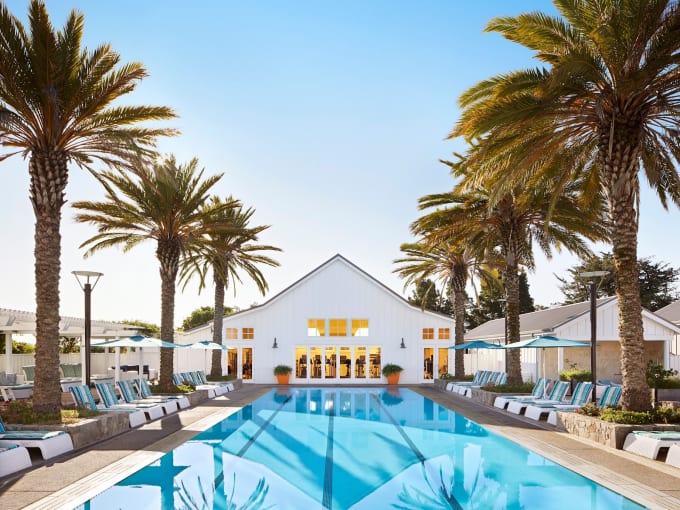
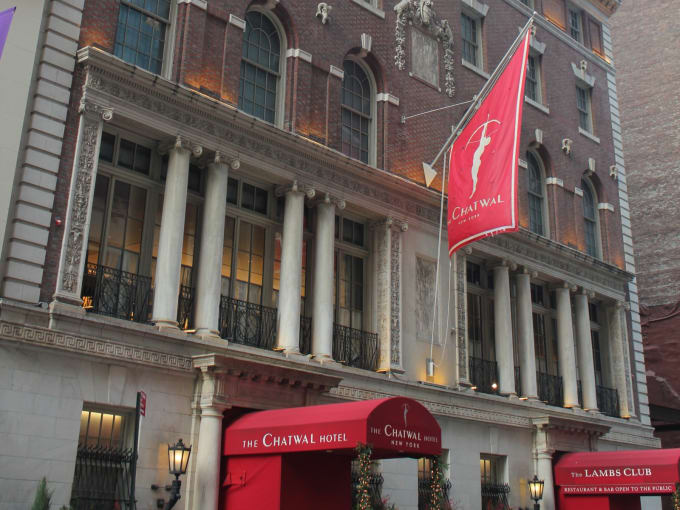
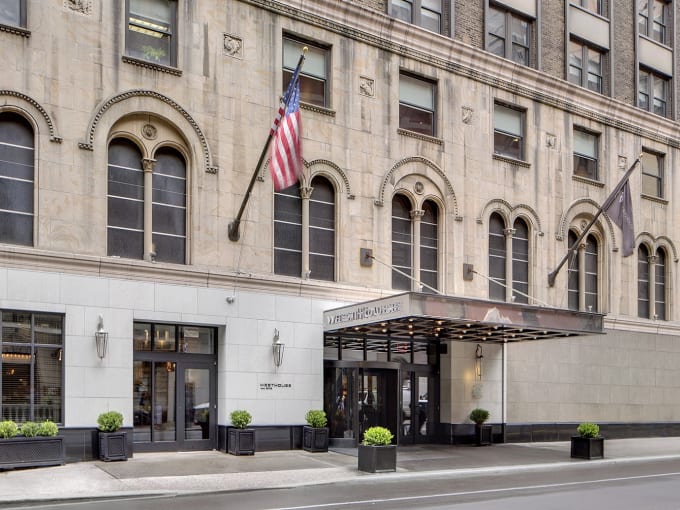
The American panorama of this selection is particularly interesting, as it avoids uniformity. New York appears in various forms. HGU New York plays the card of a central, accessible boutique hotel in spirit. The Chatwal embraces a more theatrical interpretation of Manhattan. The Lowell Hotel champions residential elegance on the Upper East Side. WestHouse Hotel New York favours a comfortable approach to urban stays. Soho House New York and Wythe Hotel each narrate a more creative and community-oriented city in their own way. Elsewhere, Carneros Resort & Spa offers a horizontal escape in Napa Valley. L’Auberge de Sedona is set in a distinctly mineral landscape. Finally, Lennox Miami Beach caters to the desire for a more discreet address in a destination often dominated by big names.
The trends for 2025-2026 further enhance the appeal of these characterful hotels. Firstly, travellers are making more discerning choices. They are willing to pay higher rates but expect a clear personality in return. Secondly, the notion of luxury is shifting towards calm, perceived space, sleep quality, and service fluidity. In this context, well-managed small establishments regain an advantage. They allow for more flexible, more embodied, and sometimes more spontaneous stays. We also observe a growing demand for dual-purpose destinations. A hotel must suit both a romantic getaway and an extended business trip or multi-stop itinerary. Finally, local anchoring becomes central. Travellers want to feel New York, Sedona, Napa Valley, or Miami Beach. They desire less interchangeable decor. They seek more context, neighbourhood, and a sense of authenticity.
This perspective aligns with a certain idea of French luxury. Not a demonstrative luxury, but a discerning one. Choosing an independent address often means favouring nuance over impact. It is accepting that a more understated lobby can offer a better experience than a spectacular hall. It also acknowledges the value of attentive service, a well-thought-out room, a suitable location, or a sensitive relationship to the place. It is important to note that charm is never a decorative extra. It is measured by how a hotel enhances the stay. A good boutique hotel knows when to intervene and when to recede. It provides reference points without imposing a narrative. This is what our advisors seek for travellers who want the United States without a standardised filter but with a high level of expectation.
Thus, this ranking should be read methodically. It does not designate an absolute winner. It organises different profiles for different uses. The Lowell Hotel does not meet the same expectations as Wythe Hotel. Carneros Resort & Spa cannot be directly compared to HGU New York. L’Auberge de Sedona does not promise the same experience as Lennox Miami Beach. Our hierarchy rewards a combination of character, consistency, anchoring, and editorial desirability. It does not claim to erase the subjectivity of travel. My advice is simple. Read this top as a map of styles. Some travellers will seek a retreat. Others will want a vibrant urban address or a more residential home. In any case, each hotel featured here has a reason for being and a specific audience.
This is precisely what makes this top useful. It does not aim to produce a decorative list. It seeks to guide concrete choices, according to the rhythm of travel, the destination, and the type of experience desired. Below, you will find nine addresses that each illustrate, in their own way, the spirit of Small Luxury Hotels in the United States.