In Australia, the Small Luxury Hotels of the World segment resonates particularly strongly. The country embraces space, light, and open horizons. Yet, its most beautiful hotel experiences often emerge in intimate settings. Sometimes, just a handful of keys is enough to create a memorable address. This is precisely what many independent travellers seek today. They desire a home with a distinct personality, a service that recognises their habits, and a local anchorage that is evident from the moment they arrive. In this landscape, a contemporary chalet in Blackheath, a retreat in Point Lonsdale, a residence in Launceston, or a design hotel in Canberra tell very different stories of Australia. The SLH label provides a useful framework here. It signifies independent establishments with character, often on a human scale, where the experience relies less on mass appeal and more on the coherence of the place.
To establish this editorial ranking, MyConciergeHotel draws on a precise understanding of the segment. We first observe the identity of each property. Independence is not merely a decorative argument. It is reflected in the architecture, the rhythm of service, the relationship to the territory, and the ability to offer a non-standardised experience. We then look at the quality of execution. This includes the hotel standard, consistency of service, clarity of spaces, and the relevance of positioning. The Small Luxury Hotels of the World label naturally plays a role in our analysis, but it is not sufficient on its own. We also consider the appeal of the stay according to the purpose of travel: city break, romantic getaway, design stopover, discreet retreat, or regional escape. It is important to note that our ranking does not reward the most ostentatious. It favours addresses that deliver on their promises with precision.
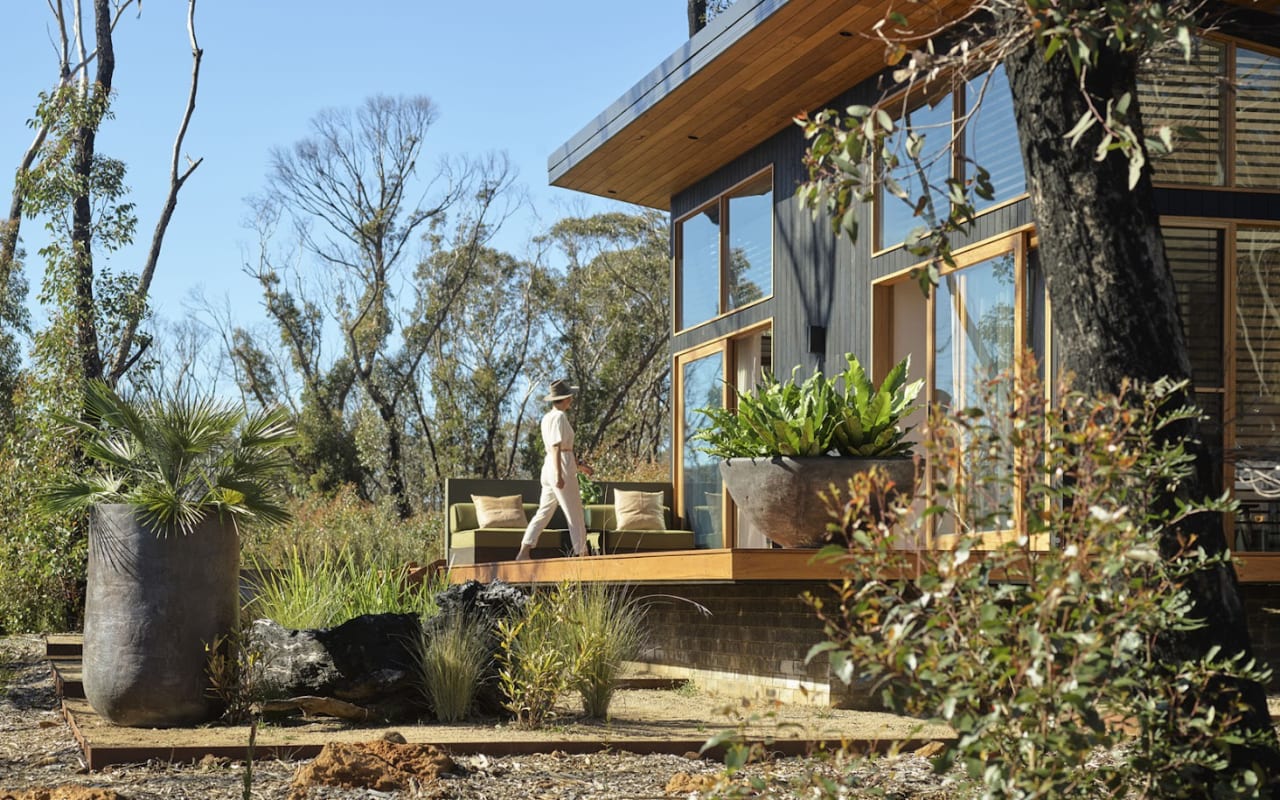
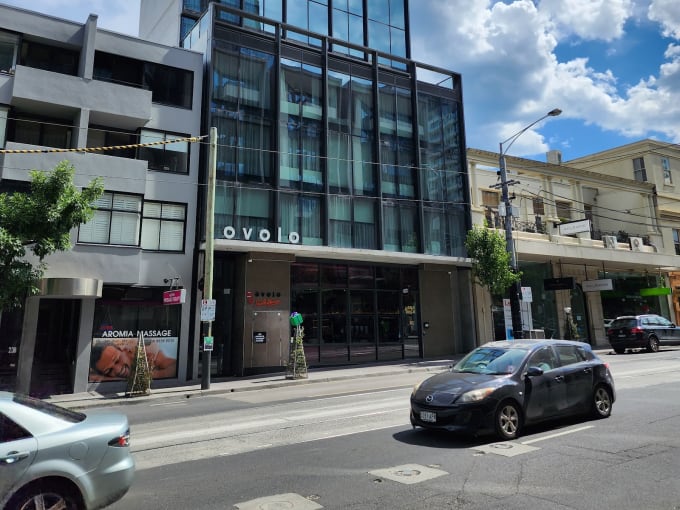
The Australian panorama selected this year showcases a rare diversity. On one side, there are refuges where nature shapes the experience. Chalets at Blackheath fits into the atmosphere of the Blue Mountains. Lon Retreat & Spa offers a more coastal and contemplative interpretation of escape. On the other side, urban hotels that treat design as a language. Ovolo Nishi in Canberra, Ovolo South Yarra in Melbourne, Ovolo The Valley in Brisbane, and Ovolo Woolloomooloo in Sydney embody a more expressive hospitality, often more dynamic, yet always attentive to the individuality of the stay. Islington Hotel in Launceston brings another tone, that of a heritage address, more residential, appealing to travellers sensitive to the history of places. What unites these properties is not a single style, but a certain idea of the right scale, embraced uniqueness, and a luxury that favours relationship over demonstration.
For 2025 and 2026, several trends are confirmed in this segment in Australia. The first concerns chosen intimacy. Travellers are increasingly opting for smaller capacity hotels, especially for short stays. They seek less imposed animation and more control over their pace. The second trend relates to design. Décor is no longer just photogenic; it must express a territory, an era, or a memory. This is where some independent addresses gain an advantage, as they can be more liberated in their storytelling. The third evolution is that wellness is becoming quieter. There is a preference for serene retreats, open landscapes, and treatments integrated into a holistic experience rather than a spectacular spa. Finally, local anchorage is gaining importance. Travellers want to understand where they are sleeping. What our advisors observe is a growing demand for hotels capable of telling their region's story without folklore or excessive staging.
This selection also reflects a certain interpretation of luxury à la française. Not a model to impose on Australia, but rather a lens of attention. For us, luxury begins with accuracy. An address is convincing when its welcome, comfort, tranquillity, potential dining options, and environment form a coherent whole. In a small hotel, every detail matters more. Poorly thought-out circulation is quickly noticeable. A well-oriented room makes all the difference. A team that is present without being intrusive creates lasting loyalty. This is why we regard these properties with the same rigor as a grand palace, but with criteria adapted to their format. My advice for Australia is simple: choose an atmosphere first before selecting a city. Between a coastal retreat, a heritage address, and an urban hotel with bold design, the travel memory will not be the same.
It is also important to view this ranking without the reflex of an absolute podium. In the realm of Small Luxury Hotels, there is not a single right answer. There are affinities. Some travellers will desire isolation, nature, and a slower pace. Others will favour a central address, a strong aesthetic stance, and easy access to the outside. A property like Chalets at Blackheath does not meet the same desire as Ovolo Woolloomooloo. Islington Hotel serves a different function than Ovolo South Yarra. Lon Retreat & Spa cannot be directly compared to Ovolo The Valley. And that is perfectly fine. Our role is not to standardise these experiences but to rank them according to their coherence, personality, and ability to deliver a clear promise. The hotels listed here all deserve attention. The ranking refines the reading but never diminishes the relevance of an address for a given trip.
Here is our Top 7 of Small Luxury Hotels in Australia. This selection prioritises charming and characterful independent addresses. You will find city breaks with a strong style, more confidential retreats, and homes where personalised service holds real meaning.