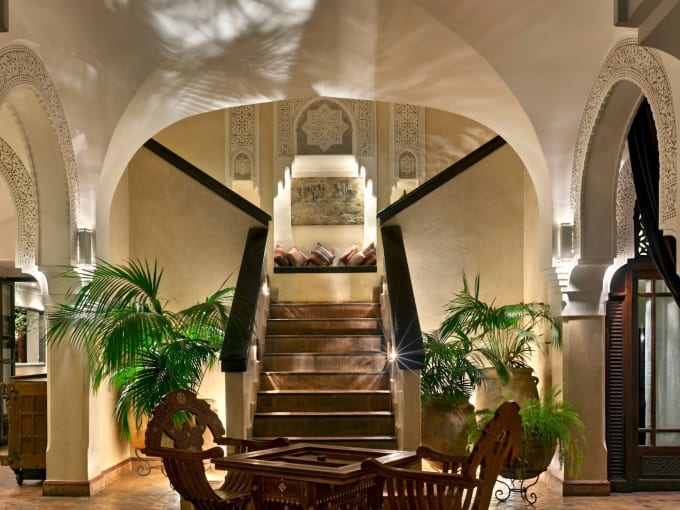
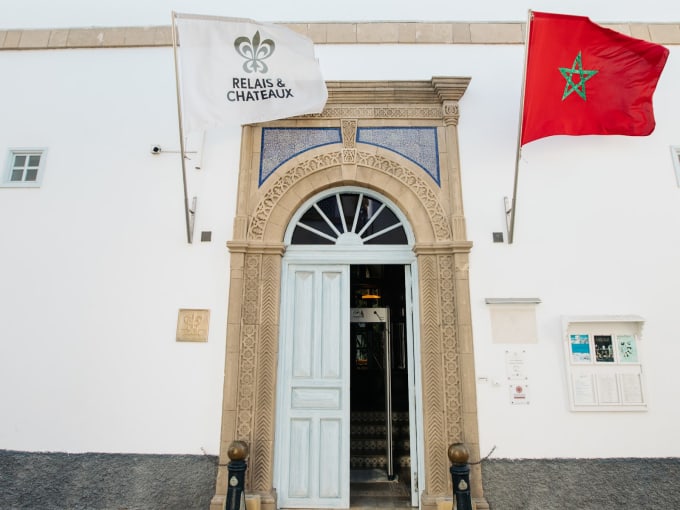
In Morocco, the Relais & Châteaux spirit finds a particularly fitting expression. The country combines urban heritage, strong regional cultures, welcoming traditions, and contrasting landscapes. This alliance results in establishments where the location is as important as the atmosphere. For the discerning traveller, this segment meets a specific expectation. It is not merely about sleeping in a five-star hotel; it is about choosing a residence with a clear identity, a well-regarded restaurant, attention to detail, and a more personal relationship with the stay. Between Marrakech, Fès, Essaouira, Casablanca, and El Hajeb, Morocco offers several interpretations of luxury hospitality. Some are embodied in historic riads, while others take the form of garden palaces, Art Deco houses, or wine estates.
At MyConciergeHotel, we approach this type of ranking with a straightforward method. We prioritise facts, followed by probable experiences. The first filter is evident here. We only consider the establishments from the approved selection, all associated with the Relais & Châteaux universe in your list. Next, we assess the coherence between location, architecture, hospitality, and culinary offerings. A beautiful address is not enough; there must also be a restaurant that resonates with the territory or the history of the house. We also examine the ability of a venue to create a complete stay, which includes tranquillity, the quality of communal spaces, local anchorage, ease of access, and the alignment between promise and destination. It is important to note that our hierarchy does not reward decor alone; it distinguishes a comprehensive experience.
The Moroccan panorama presented here is more varied than it may seem. Marrakech concentrates several major expressions of the genre. Here, one finds a green refuge, a classical-inspired palace, a discreet urban villa, and a residence away from the hustle and bustle. Fès offers a different depth, where the stay takes on a more pronounced heritage dimension, often linked to the medina, craftsmanship, and a more scholarly understanding of the long term. Essaouira introduces the sea breeze, Atlantic light, and a form of elegant relaxation. Casablanca, for its part, reminds us that a great address can also engage with the modern history of the country. Finally, El Hajeb opens up yet another avenue—one that is more rural, where gastronomy and landscape play a structuring role. This ranking, therefore, does not tell just one story of Morocco; it reveals several.
For 2025 and 2026, our advisors are observing clearer expectations among travellers. The first concerns the clarity of the experience. Clients want to understand why a house is worth a visit. The narrative must be concrete: architecture, local produce, garden, cellar, view, medina, pool, patio, or vineyard. The second trend relates to the dining experience. The gastronomic journey is no longer limited to ceremonial aspects; it places greater emphasis on products, seasons, regional recipes, and short supply chains. The third expectation pertains to the rhythm of the stay. Many seek establishments capable of offering a genuine respite, even over two or three nights. This is where Moroccan Relais & Châteaux are particularly relevant. They often combine a human scale, attentive service, and a strong personality. My advice is to choose the address according to your pace. A romantic weekend does not always call for the same house as a gastronomic getaway.
There is also, within this selection, a discreet affinity with a certain idea of French luxury—not as an imported model, but rather as a grammar of hospitality. It reflects the appreciation for independent houses, the precision of service, the importance given to dining, and respect for the built environment. This logic aligns well with Morocco, a country with a tradition of hospitality where gestures matter, where domestic space has a cultural function, and where cuisine expresses memory. In a riad in Fès, at an address in Essaouira, or in a garden palace in Marrakech, the traveller perceives this continuity. Luxury is not solely about rarity; it is about coherence. A well-thought-out courtyard, a lounge of the right scale, a terrace that serves a purpose at certain times, a dinner that tells the story of a place—this is often where the difference lies.
This ranking should therefore be read without the reflex of an absolute podium. Number one does not diminish the charm of number eight. Each house caters to a distinct travel desire. Some excel for a romantic interlude, while others are better suited for a cultural stay, a gourmet escape, or a first discovery of Morocco. We have prioritised the addresses that best articulate the Relais & Châteaux spirit with the Moroccan context. This means a characterful house, embodied hospitality, and a credible culinary offering. It does not imply that a more discreet address would be secondary; quite the opposite. What our advisors often observe is that the right address depends on the traveller, the season, and the purpose of the stay. A couple, a celebration, an itinerary through imperial cities, or a green retreat will not have the same priorities.
In the approved selection, several names naturally stand out in the conversation. La Villa des Orangers, Ksar Char-Bagh, and Hôtel Palais Ronsard illustrate three ways of experiencing Marrakech. Riad Fès, or Riad Fès - Relais & Châteaux, provides Fès with a rare heritage depth. Hôtel Heure Bleue Palais places Essaouira within a very clear Atlantic elegance. Hôtel Le Doge adds a Casablanca touch, balancing urban memory and decorative refinement. Hôtel Château Roslane, in El Hajeb, finally opens the perspective of a more grounded stay, linked to landscape and gastronomy. It is from this diversity that we have constructed this Top 8. Now, let us turn to the houses that embody, each in their own way, the best of the Relais & Châteaux spirit in Morocco.