

Our selection criteria
We rank Spanish Relais & Châteaux properties for coherence, culinary identity, local anchoring, heritage setting, and consistently attentive hospitality.
Gastronomic dining and culinary identity
In Spain’s best Relais & Châteaux, the restaurant does not accompany the stay; it often defines it.
Questions about this section
In this ranking, does gastronomy matter as much as the hotel itself?
Yes, gastronomy is a core ranking factor, not a secondary amenity.
Heritage, character properties and sense of place
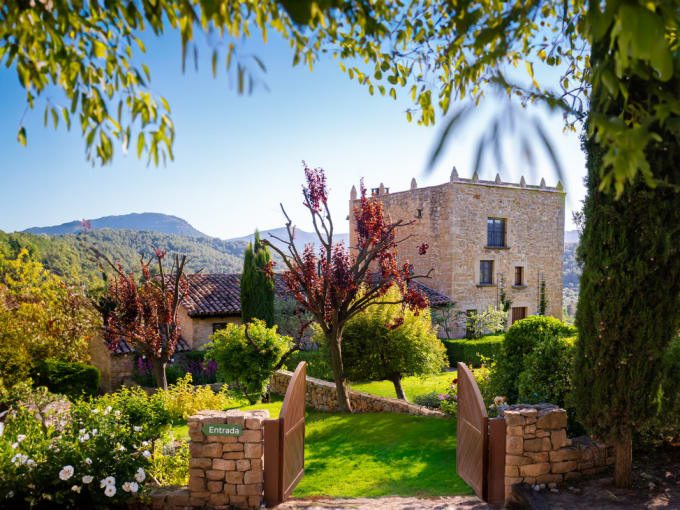
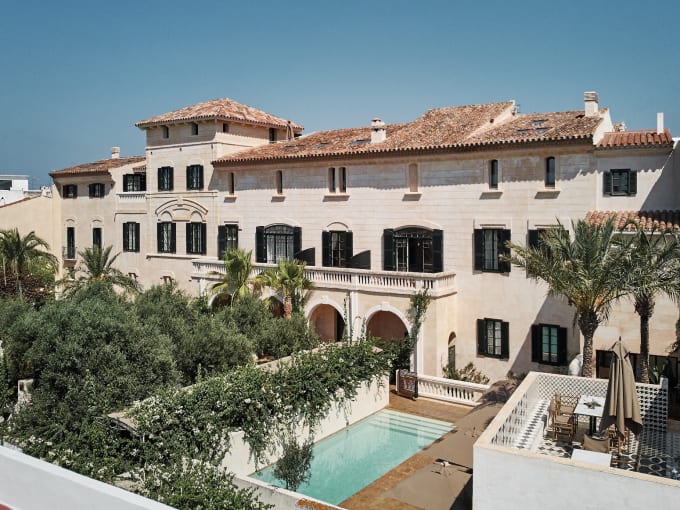
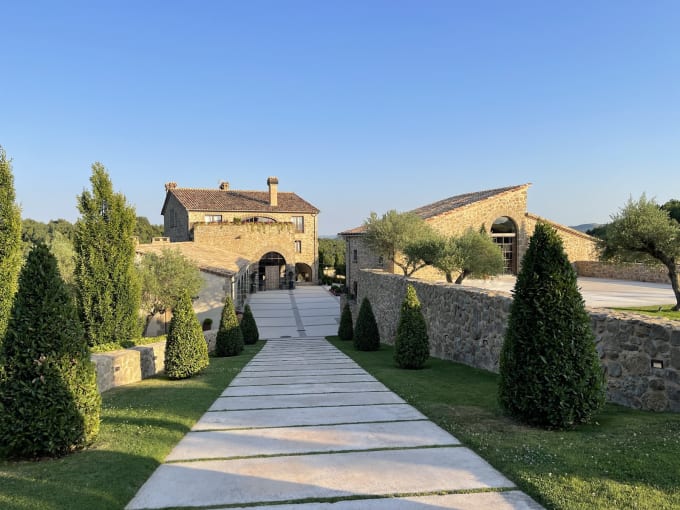
Spain’s Relais & Châteaux addresses stand out when architecture, landscape, and hospitality remain in clear dialogue.
Questions about this section
Why do heritage settings and character properties matter so much here?
A strong sense of place gives the stay depth and makes the dining experience more meaningful.
Romantic Getaways and Couples' Retreats
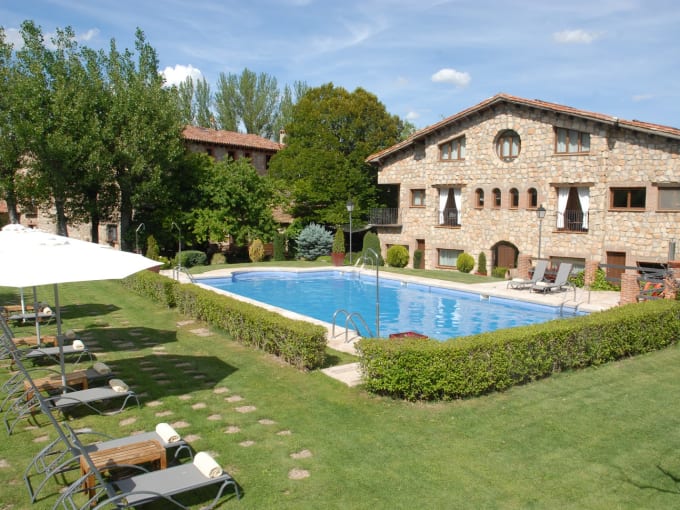
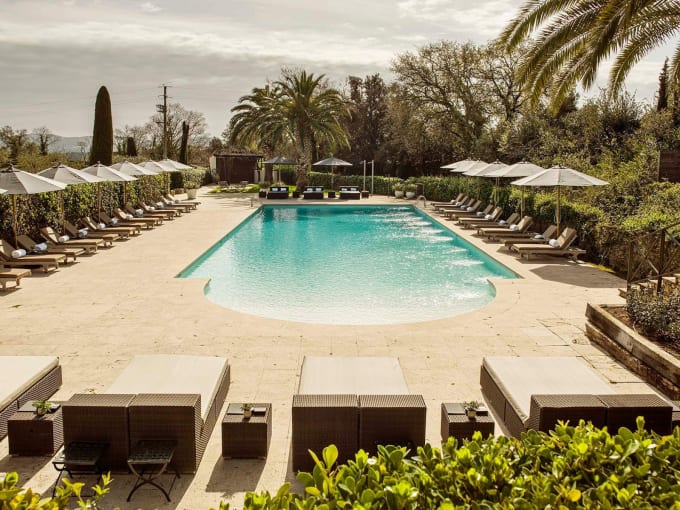
For a romantic getaway, not all Relais & Châteaux properties offer the same experience. Some entice primarily with their cuisine, while others captivate with tranquillity, light, or the feeling of being somewhere else upon arrival. In Spain, our advisors focus on locations that manage to slow down the pace without veering into austere isolation. It is often in these settings that the ideal romantic escape unfolds. A beautiful suite is, of course, important. However, the balance also lies in the quality of dinner, the opportunity for a post-meal stroll, the view from a terrace, or the pleasure of a breakfast that extends the previous evening's enjoyment. My advice is straightforward: if you seek a gastronomic interlude for two, favour establishments where the experience remains consistent from sunset to sunrise.
In this spirit, properties set in easily readable landscapes tend to excel. A vineyard, a well-structured countryside, a preserved coastline, or a historic city provide a natural backdrop for the stay. This setting often matters more than any theatrical presentation. Our advisors note that couples are less inclined to remember an accumulation of amenities than the authenticity of the atmosphere. A small property with few rooms often enhances this sense of intimacy. A private terrace, a suite with a fireplace, a discreet garden, or a pool overlooking the landscape can also alter the perception of time. Characterful homes, such as old fincas, palaces, or country houses, have a distinct advantage here. They add depth to the stay without imposing a rigid itinerary. One can come to dine, sleep in late, read, swim, and leave feeling truly rejuvenated.
Nevertheless, the dining experience remains the true cornerstone of this section. A successful romantic weekend rarely materialises if dinner feels secondary. In the Relais & Châteaux realm, the appeal lies precisely in the synergy between hospitality and culinary identity. For couples, this translates into several concrete aspects. First, a restaurant worthy of the journey in itself. Next, seamless service, free from stiffness. Finally, a wine cellar, a thoughtful food-wine pairing, or local cuisine that imprints a lasting memory of the stay. The most compelling properties are those where one wishes to arrive early for a drink before dinner and then extend the evening without leaving the premises. It is also worth noting the ability of a hotel to offer varied rhythms. A light lunch on the terrace, a more ambitious dinner, or well-conceived room service can make a significant difference during a short stay. For many couples, discreet luxury lies in not having to choose between a good night's sleep and a fine meal.
Suites and characterful rooms then play a decisive role. We focus less on raw size and more on genuine personality. A generous ceiling height, an unobstructed view, a well-placed bathtub, understated materials, and credible night-time tranquillity often outweigh decorative displays. In the most suitable establishments for couples, the bedroom becomes a natural extension of the dining experience rather than just a place to rest. This is particularly true in hotels where the old architecture has been preserved with care. The volumes create a sense of space. The openings frame the landscape. The furniture does not interrupt the reading of the place. When an intimate spa, a few well-executed treatments, or simply a heated pool and garden are added, the experience gains depth without losing its simplicity.
Ultimately, the best romantic stays in Spain do not rely on an abstract notion of charm. They rest on a precise combination: a human-scale property, a restaurant with a genuine purpose, a calming setting, and rooms that invite one to linger a little longer. It is this coherence that we seek in this selection. It appeals to couples wishing to celebrate a special date, indulge in a gastronomic break, or simply reconnect without heavy logistics. My final advice is to choose according to the desired pace: countryside and vineyards for disconnection, historic cities for alternating strolls and dinners, or discreet coastlines for light and horizon. In all cases, the right address is one that allows space for the stay itself.
Wellness, slow pace and stay comfort
The best Spanish Relais & Châteaux pair ambitious dining with real rest, through spas, pools, gardens, terraces and deeply restorative stays.
2025-2026 trends for Relais & Châteaux in Spain
Spanish Relais & Châteaux trends now favor precise identity, local sourcing, shorter high-intensity stays, and genuinely personalized hospitality.
Experience value: what justifies the stay
Value here comes from coherence: place, table, service and destination align to justify both the journey and the spend.
Our final take on Spain’s hotel scene
Spain’s Relais & Châteaux scene stands out for its balance of heritage, authored cuisine, and genuinely house-led hospitality.