In France, the term "palace" has a specific meaning. It is not merely a flattering synonym for a grand hotel. It is a state distinction, created in 2010 and awarded by Atout France. This designation sits above the 5-star rating. An establishment must already be classified as 5 stars to apply. This is the starting point to remember. The second key figure is official. As of 2 June 2026, France boasts 33 Palaces distinguished by Atout France. This is the longest list since the creation of the distinction. The 2026 revision also marks a turning point. It includes 6 new entrants, 27 renewed distinctions, and 4 establishments removed. This movement serves as a simple reminder: the Palace distinction is neither automatic nor permanently secured.
What exactly constitutes a palace? Atout France examines several dimensions. The location and history of the establishment matter. The exemplary nature of personalised service is equally important. The culinary signature, international appeal, and contribution to France's image also factor into the evaluation. At MyConciergeHotel, we therefore read this list as an official document, but also as a map of French hotel luxury. Our role is not to rewrite the public decision; it is to illuminate it. We consider the coherence of an address, its place within a destination, and the type of stay it offers. It is important to note: a Palace is not merely a very beautiful hotel. It is a venue that embodies, in its own way, a French idea of hospitality.
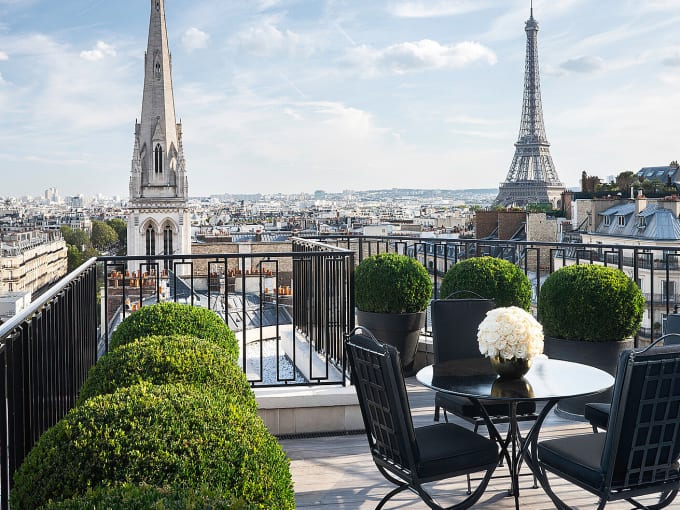
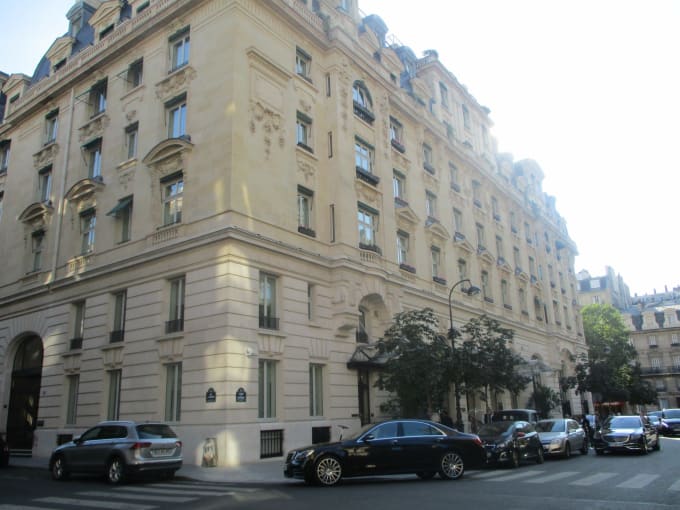
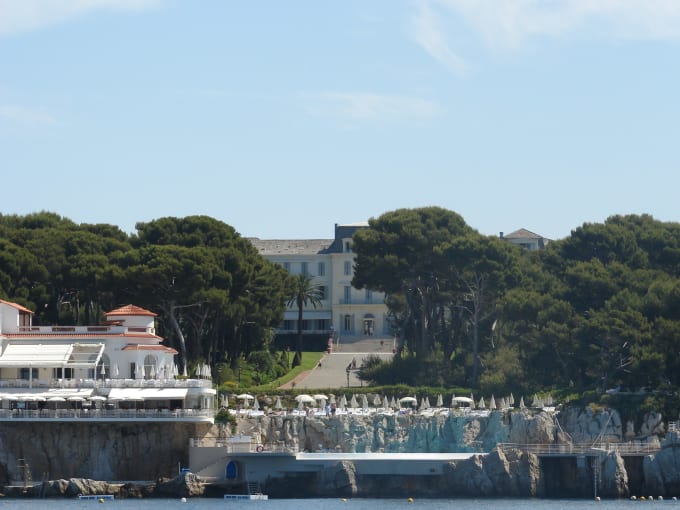
How many palaces does France have in 2026? The direct answer is 33 establishments. This official snapshot also reveals much about the geography of the sector. Paris concentrates the majority of the Palaces. The French Riviera follows, with historical and seaside signatures. The Alps hold a strong position, particularly in Courchevel and Megève. A few wine, spa, or countryside addresses complete the ensemble. This diversity is essential for understanding the 2026 list. It brings together urban institutions, mountain retreats, and houses overlooking the sea or vineyards. The Hôtel du Cap-Eden-Roc in Antibes, the Hôtel Martinez in Cannes, the Royal Champagne Hotel & Spa in Champillon, and Plaza Athénée Paris already summarise this French breadth.
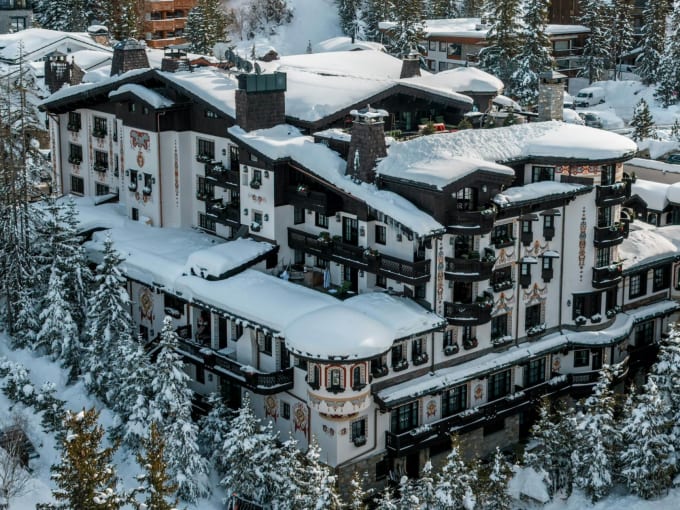
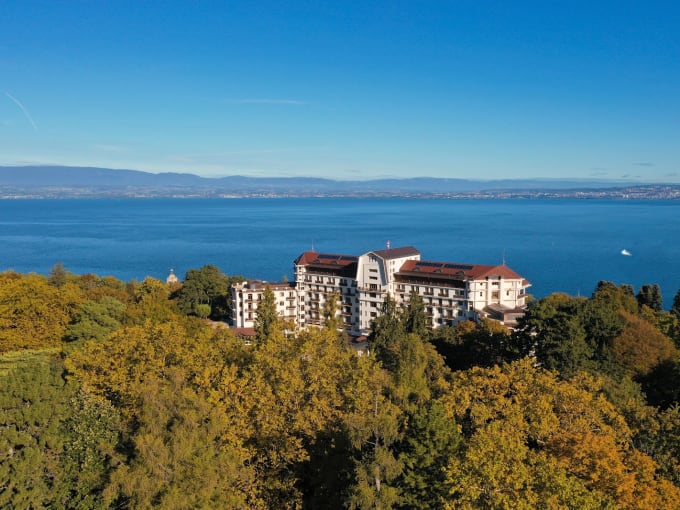
This panorama also allows us to discern the trends for 2025-2026. Firstly, the Palace distinction remains demanding. The 4 removals prove this. Secondly, the recognised offering extends beyond the most obvious luxury capitals. The Alps remain very prominent, with Le K2 Palace, L'Apogée Courchevel, Les Airelles Courchevel, Le Fouquet's Courchevel, and Cheval Blanc Courchevel. Megève confirms its place with Four Seasons Hotel Megève. Provence and the Côte d'Azur remain foundational, from Antibes to Gordes, with Airelles Gordes, La Bastide, and even to Le Puy-Sainte-Réparade with Villa La Coste. Wellness and terroir destinations are firmly establishing themselves in the landscape. Les Sources de Caudalie in Martillac, Les Prés d'Eugénie, and Hôtel Royal Palace - Evian Resort are clear examples of this.
What this list ultimately conveys goes beyond mere decor. The distinguished French hotel luxury recognised by Atout France rests on a rare combination. There is the address, of course. There is also the continuity of service, the memory of the place, and the ability to welcome international clientele without losing local grounding. This is where the Palace distinction diverges from the simple notion of prestige. A hotel may possess a well-known façade, a strong history, and a high 5-star level. It does not necessarily hold the Palace distinction. This is the case with the Ritz Paris, which does not appear on the official list of 33 Palaces as of 2 June 2026. Why is the Ritz Paris not a palace? The factual answer is that an exceptional 5-star hotel may not hold this additional official recognition.
This clarification is important, as it corrects a frequent confusion. "5 stars" and "Palace" are not synonymous. The former is a hotel classification. The latter is an additional distinction, awarded according to specific criteria. Among our advisors, we often observe this question during reservation requests. Some travellers seek a Palace in the administrative sense. Others primarily desire a certain atmosphere, whether Parisian, alpine, or Mediterranean. Both approaches are legitimate. Our editorial ranking thus starts from an official foundation, then helps to discern the differences in style. An urban Palace does not offer the same experience as a grand vineyard house. A Courchevel refuge does not satisfy the same desire as a Riviera address. Each hotel has its audience, its season, and its rhythm.
How then should one read this Top 33? As a list of references, not as an abstract verdict. It is not about opposing Paris to the mountains, nor the Côte d'Azur to countryside destinations. It is about understanding what each Palace represents within its territory. My advice is simple. Start with the stay you truly wish to experience. A highly codified urban interlude. A summer week facing the Mediterranean. A grand ski-in ski-out experience in Courchevel. An escape centred around wine, wellness, or the landscapes of Provence. The Palace distinction guarantees a level of official expectation. After that, everything hinges on nuance. It is precisely this nuance that we will explore in this ranking of the 33 Palaces of France 2026.