Our criteria for ranking the best hotels in Southwest France
Our ranking balances location, accommodation quality, service consistency, dining identity, heritage setting, and true destination appeal.
Southwest France, a land of hospitality between vineyards, ocean and bastides
Southwest France stands out for hotels shaped by vineyards, the Atlantic coast, Basque houses and countryside estates.
Questions about this section
Why does hotel heritage matter so much in Southwest France?
Heritage shapes the stay itself, provided the historic setting is matched by contemporary hospitality.
Gastronomy: what Southwest France adds to the hotel experience
In Southwest France, the strongest hotels often become true destinations because their table expresses the territory with unusual clarity.
Questions about this section
Is Southwest France a strong destination for a gastronomy-led hotel stay?
Yes; the region rewards stays where hotel comfort and local food culture reinforce each other.
Spa and wellness: the signatures that matter in Southwest France
In Southwest France, the strongest wellness hotels pair space, silence and a clear sense of place.
Questions about this section
Is Southwest France good for a spa weekend, or should I stay longer?
A spa weekend works well, though two or three nights usually create a better balance.
2025-2026 trends: why Southwest France keeps rising
Southwest France keeps rising because it combines easy access, strong local identity, longer-stay appeal, and hotels rooted in landscape, food, and character.
Experience / Destination Value: Where the South-West Excels
In the South-West, the value of experience versus destination is not solely measured by price. It is reflected in the density of the stay. In just two to four nights, certain locations allow guests to seamlessly enjoy landscapes, cuisine, heritage, and local rhythms without distraction. This is where the region truly stands out. Few French territories offer, within such a clear radius, the ocean, vineyards, bastides, pine forests, and distinctive towns. It is important to note that a hotel gains value when it opens multiple doors at once. Accessible beaches, vibrant historic centres, renowned wineries, cohesive spas, or identified restaurants immediately enhance the appeal of a short stay.
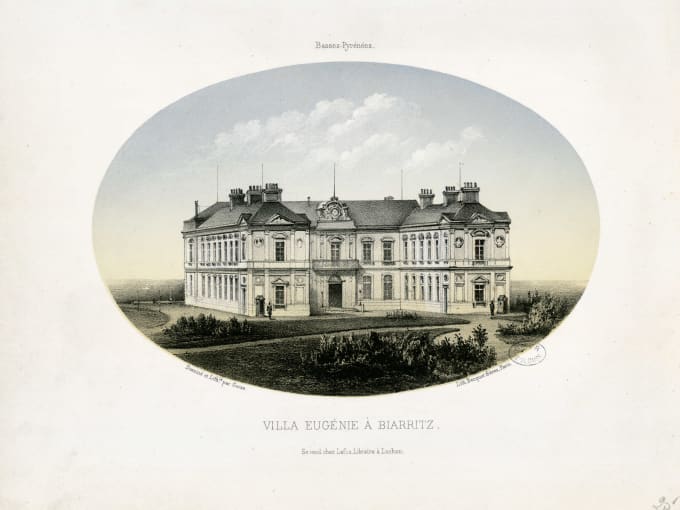
Bordeaux remains the most evident example of this concentration of experiences. A well-located hotel allows visitors to immerse themselves in a UNESCO-listed city, a robust gastronomic scene, and easy access to vineyards. For a short stay, this combination works particularly well. One can dedicate a day to the old town, another to the Médoc or Saint-Émilion, while still leaving time for the quays, museums, and dining. Our advisors often observe that Bordeaux suits travellers looking to avoid heavy logistics. The destination offers much without imposing long transfers, a real advantage for a long weekend. In the same spirit, Biarritz and the Basque coast provide another form of density. Here, the interest lies in the contrast between the seafront, architecture, Basque culture, and quick access to the hinterland. In two nights, one can alternate between the beach, urban walks, markets, surfing or golfing, and then enjoy a serious dinner without straying far from a very manageable perimeter.
The wine regions of the South-West also deliver remarkable experiential returns. Saint-Émilion is the most illustrative case. This classified village concentrates heritage, wine tasting, and walking in an immediately comprehensible setting. For a two or three-night stay, it is a highly effective destination. It offers a strong backdrop, property visits, a genuine gastronomic identity, and an atmosphere that remains vibrant outside the peak season. My advice: prioritise these stops if you seek a short stay with minimal transport and abundant content. The château-hotels in the vineyards play a specific role here. They serve not only as comfortable bases but also extend the narrative of the territory. When the accommodation, winery, vineyard views, and dining all tell the same regional story, the sense of coherence becomes a value criterion in itself.
Further south, the Dordogne and Lot advocate a different idea of experience versus destination value. Here, the richness comes from the layering of villages, rivers, gardens, markets, and medieval heritage. A good hotel in this area allows for the crafting of very full days without ever forcing the pace. Canoeing in the morning, visiting a bastide in the afternoon, and enjoying local cuisine in the evening: the itinerary almost builds itself. This is a strength for three or four-night stays. One does not rely on a single activity. Movement between culture, nature, and dining flows with great ease. What Le Concierge notes: these destinations are well-suited for intergenerational travellers. Everyone finds their own rhythm without disrupting the group or accumulating excessive travel.
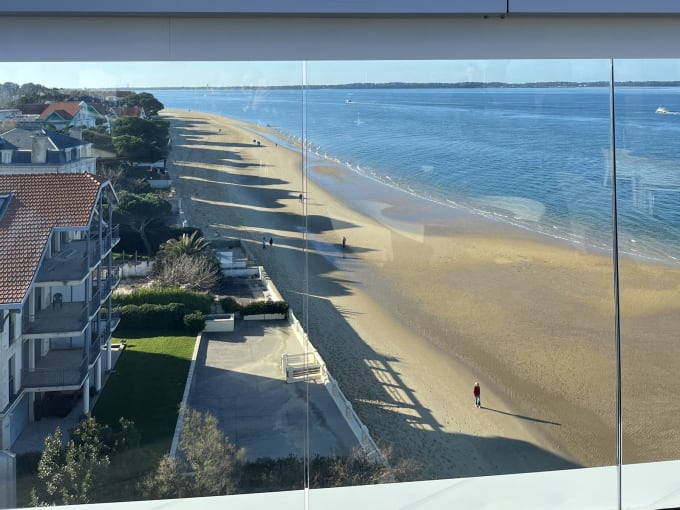
Finally, the South-West is distinguished by its overall atmosphere. This is a less quantifiable but decisive point. Many addresses in the region benefit from an environment that immediately enhances the stay. A terrace overlooking the vineyards, an arrival facing the ocean, a lively bastide at day's end, or an ancient park alters the perception of time. This quality of ambiance is as important as the amenities. It explains why some addresses justify a two to four-night format better than others. They provide enough substance to fill the days, yet also enough tranquility to encourage guests to linger. In our view, the best destinations in the South-West are those that combine three elements: a clear setting, nearby activities, and a restaurant that anchors the place. When these elements resonate, the stay takes on a greater value, far beyond that of a simple room.
Our final take on Southwest France hotels
Choose the South-West by travel rhythm: Bordeaux for a sharp city break, the Atlantic for fresh air, vineyards for gastronomy, and inland estates for heritage.