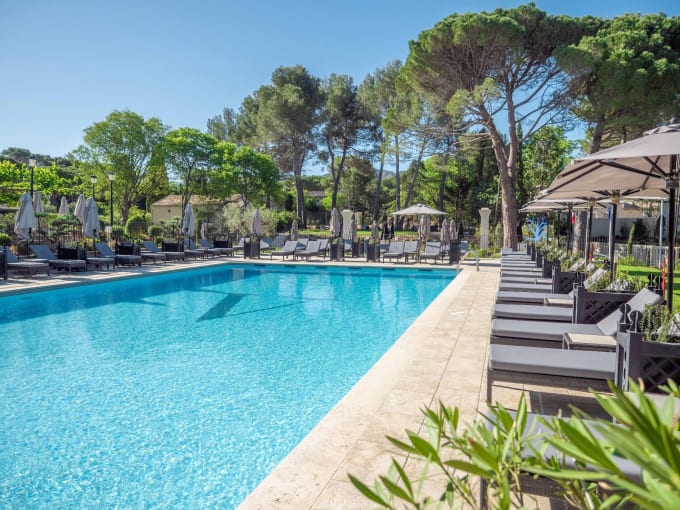
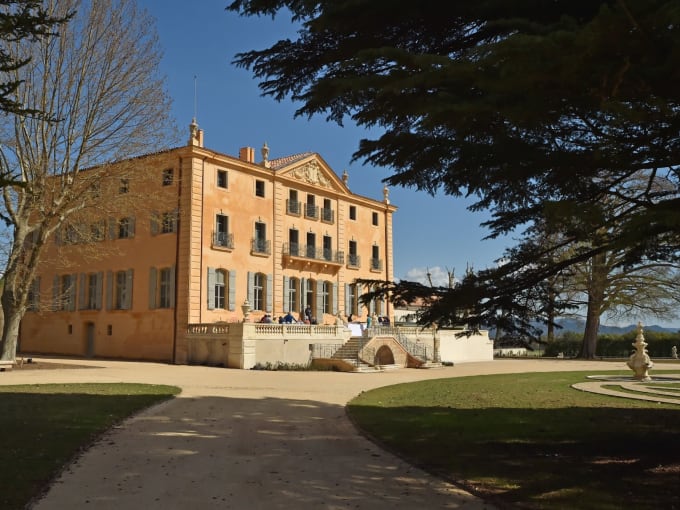
In Provence, a spa is never merely an adjunct to a hotel. It extends the essence of the region. Here, the dry light, limestone hills, enclosed gardens, and grand bastides impose a different pace. The traveller seeks not just a treatment but a harmonious experience that resonates with the locale. This is precisely what makes this segment so compelling. Between Gordes, Aix-en-Provence, Le Puy-Sainte-Réparade, Les Baux-de-Provence, and Saint-Rémy-de-Provence, the offerings comprise a diverse array of establishments. Some belong to the Palace category, while others are distinguished five-star hotels with character. All approach well-being with distinct codes. Airelles Gordes, La Bastide, Villa Gallici, and Villa La Coste each express a different facet of Provence. It is this plurality, rather than mere trendiness, that justifies a dedicated ranking of the best spa hotels in Provence.
Our selection is based on a precise editorial reading. We do not merely rank treatment rooms or beautiful indoor pools. We first observe the coherence between the spa and the identity of the establishment. A spa is more convincing when it extends an architecture, a garden, a view, or a local story. We then consider the overall hotel standard. The Palace status, when applicable, matters. The reputation of the establishment, its location, the perceived quality of the spaces, the ability to offer a genuine retreat, and the consistency of service are also significant. What our advisors often note is simple: a great spa is not solely measured by its size. It is judged by the fluidity of the experience, the genuine calm, the light, the intimacy, and the sense of appropriateness.
The Provençal landscape is more nuanced than it appears. On one hand, Gordes is home to addresses where the landscape becomes a key player in the stay. Airelles Gordes, La Bastide, and Les Bories & Spa engage with the Luberon, but in very different registers. On the other hand, Aix-en-Provence and its surroundings offer a more cultural, heritage-rich, and sometimes contemporary Provence. Villa Gallici, Château de la Gaude, Hotel Le Pigonnet, Château de Fonscolombe, and Villa La Coste do not convey the same experience of relaxation. Further south in the Alpilles, Baumanière Les Baux-de-Provence, Le Saint Rémy & Spa, and Le Vallon de Valrugues & Spa embody a more direct relationship with nature, gardens, walking, and silence. Even Le Prieuré Baumanière, in Villeneuve lez Avignon, offers a more heritage-focused and discreet interpretation.
For 2025 and 2026, several trends are clearly emerging in the wellness hospitality sector in Provence. The first is a search for less ostentatious spaces. The discerning traveller now favours spas that are understated, calming, and well-integrated, rather than overly spectacular setups. The second is a return to longer stays. One is less likely to book an isolated massage than a stay centred around sleep, recovery, and disconnection. The third concerns local anchoring. Without resorting to folklore, the best establishments seek a Provençal interpretation of well-being. This involves gardens, terraces, views, mineral elements, scents, and a connection to the outdoors. My advice is also to consider the immediate environment. In Provence, a spa takes on another dimension when it is situated within an estate, a perched village, a vineyard, or an ancient park.
French luxury in this region is not merely about ostentation. It is often expressed through restraint. A tree-lined avenue, blonde stone, a cool lounge in summer, a room opening onto the hills, a well-oriented pool. The spa is part of this grammar. It should not disrupt the balance; it should deepen it. This is why the most compelling establishments are not necessarily those that seek to impress at all costs. They are those that know how to create continuity between hospitality, landscape, and care. It is also worth noting that Provence does not tolerate uniformity well. A very classic address may be ideal for a weekend of recovery. Another, more contemporary, may be better suited for an aesthetic and cultural stay. A third may charm with its relationship to the Alpilles or the Luberon, rather than solely through the technical aspects of the spa.
Thus, this ranking should be read without absolute reflexes. A number one does not negate the relevance of number six. Each hotel meets a particular expectation. Some travellers favour a Palace with a view and highly structured service. Others prefer a larger, more discreet establishment where the spa complements a countryside retreat. Still others seek a base near Aix-en-Provence, amidst art, vineyards, and relaxation. Our hierarchy distinguishes balances. It does not issue definitive verdicts. Here, we highlight hotels capable of offering a convincing wellness experience within the Provençal context. This includes the destination, category, reputation, atmosphere, and overall coherence. In short, we rank spa stays, not facilities isolated from their context.
Here then is our interpretation of the best spa hotels in Provence. You will find renowned Palaces, characterful five-star hotels, and various visions of Provençal relaxation. Each guest can then choose their own pace, landscape, and degree of retreat.