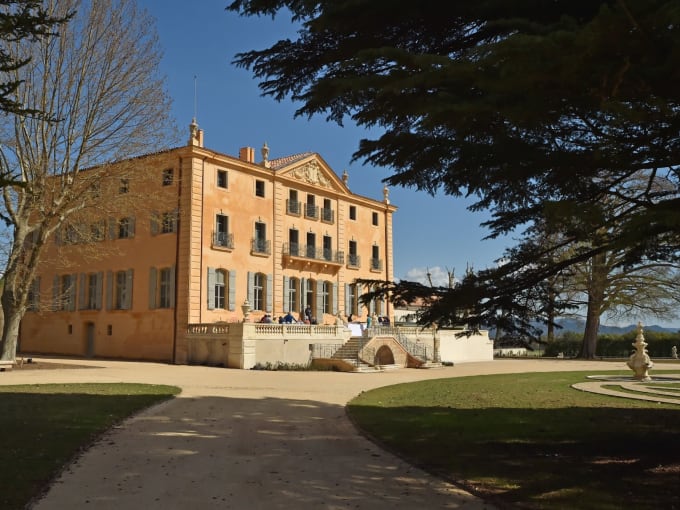
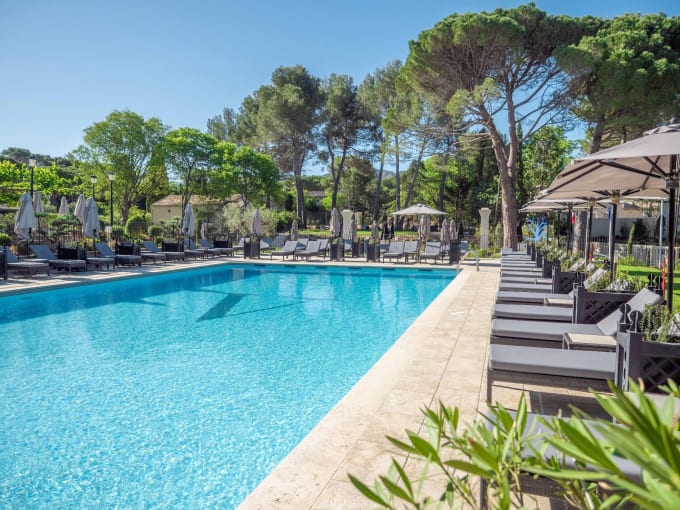
In Provence, romance is not merely a superficial decoration; it emerges from a rhythm, a light, and a landscape. The perched villages dictate a slow arrival, while the cypress-lined avenues prolong the anticipation. The bastides, vineyards, and historic houses provide an ideal setting for intimate getaways. This destination also allows for multiple interpretations. Some couples seek seclusion, with views over the Luberon or the Alpilles, while others prefer an urban address near Aix-en-Provence, balancing culture with a hotel retreat. In this landscape, Airelles Gordes, La Bastide, Villa Gallici, and Villa La Coste embody three distinct expressions of Provençal romance. Baumanière Les Baux-de-Provence, Château de Fonscolombe, and Les Bories & Spa also remind us that romantic Provence can harmoniously blend heritage, nature, and high-end hospitality.
At MyConciergeHotel, we do not rank romantic hotels based on a vague notion of charm. We observe concrete elements. Location is paramount. An iconic village, a secluded estate, an unobstructed view, or a well-structured garden can transform the experience. We then assess the coherence of the venue. The architecture, hotel size, level of service, quality of communal spaces, and actual intimacy all weigh into our evaluation. A romantic hotel should allow for retreat without imposing isolation. The spa, dining options, terraces, suites, and ease of organising a couple's stay also come into play. Finally, we value objective signals. The Palace status from Atout France, a recognised signature, or a rare location enhance the editorial relevance.
The Provençal panorama presented in this ranking is more varied than it appears. Gordes embodies the mineral postcard, with viewpoints that structure the stay. Aix-en-Provence offers a more cultured version of romance, featuring private hotels, gardens, and short escapes. Le Puy-Sainte-Réparade introduces the dimension of the estate, more contemporary at Villa La Coste, more heritage-focused at Château de Fonscolombe. Les Baux-de-Provence and Saint-Rémy-de-Provence shift the gaze towards the Alpilles, with a more direct connection to stone, olive trees, and open landscapes. Villeneuve lez Avignon, with Le Prieuré Baumanière, adds a more discreet tone, almost akin to a retreat. What our advisors often observe is that romance does not solely depend on the level of luxury; it is primarily about a proper alignment between the venue and the couple's rhythm.
For 2025 and 2026, several trends are emerging in the romantic hospitality sector of Provence. The first concerns space. Couples are requesting more suites, private terraces, gardens, and outdoor pathways. The second relates to well-being. The spa remains central, but it is now part of more comprehensive stays, incorporating sleep, natural light, and measured disconnection. The third trend is cultural. Travellers seek hotels that narrate a territory without excessive folklore. A vineyard, a historic bastide, or a house rooted in a village fortifies the memory of the stay. We also note an increase in demand for well-structured short stays. Two nights are sufficient if the address allows for a smooth arrival, on-site dining, a genuine moment of relaxation, and immediate access to walks.
Provence remains a privileged ground for understanding a certain idea of French luxury. Here, ostentation rarely works. Refinement is more about proportion, the quality of materials, the relationship with the garden, mastery of silence, and clarity of service. A grand romantic hotel in Provence does not need to overdo it. It should know how to manage distances, preserve views, offer credible dining, and allow for the passage of time. This is what distinguishes, each in their own way, addresses like Villa Gallici, more theatrical in its style, or Baumanière Les Baux-de-Provence, more rooted in its landscape. My advice is simple. For a couple's stay, focus less on the category alone and more on how the hotel orchestrates intimacy, from breakfast to returning to the room.
This ranking should therefore be read without an absolute hierarchy reflex. Number one does not negate number six. Each hotel responds to a particular definition of romance. Some are better suited for significant celebrations, while others are more fitting for a two-night escape. A village address does not provide the same sensation as a grand estate. A Palace does not automatically eclipse a beautiful five-star house. It is also worth noting that romance is not always synonymous with complete isolation. For some couples, proximity to Aix-en-Provence or a heritage site matters more than total retreat. We have therefore prioritised hotels capable of creating a coherent, sensitive, and lasting experience for two. The ranking highlights nuances of use, not a competition of prestige.
In this Top 10, you will find very different establishments, all relevant for a couple’s trip to Provence. Some are destinations in themselves, while others excel as elegant bases for exploring the region. Here is our editorial take on the best romantic hotels in Provence.