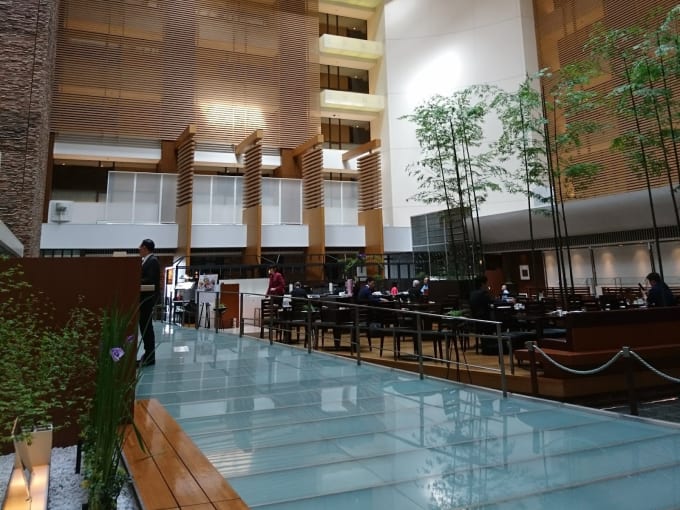
Tokyo is often understood through its dining experiences before its neighbourhoods. The city seamlessly combines high-end Japanese cuisine, renowned international chefs, cocktail bars, and palace-worthy patisseries. For the discerning traveller, a gastronomic hotel is not merely a place to stay; it becomes a destination in itself, sometimes even the focal point of the trip. This is particularly true here, where the choice of dinner can influence the selection of a district, a view, or a pace. Between Marunouchi, Otemachi, Roppongi, Yaesu, and Toranomon, each grand hotel offers its own interpretation of Tokyo. It is essential to note that in this city, hotel dining is not an afterthought; it is an integral part of the urban experience, on par with architecture, service, and the relationship to the skyline.
To establish a credible ranking, we first consider concrete elements. The density and coherence of the culinary offerings matter more than a single flagship restaurant. We also examine the variety of formats. A large Japanese counter, an Italian table, a serious cocktail bar, a well-maintained tearoom, and a structured breakfast create a more compelling whole. The setting also plays a significant role. In Tokyo, the height, light, and perspective of the city from the table genuinely enhance the experience. Our advisors finally take into account the fluidity of service, the ability to accommodate international travellers, and the relevance of the venue based on the purpose of the stay. A successful gastronomic hotel must remain consistent from morning until the last drink.
The Tokyo panorama presented here showcases a rare diversity. Bulgari Tokyo appeals to those seeking a very contemporary interpretation of Italian luxury at height. Four Seasons Hotel Tokyo at Otemachi emphasises panoramic elegance and a distinctly urban setting. Four Seasons Marunouchi offers a more intimate, almost confidential experience, strategically located for both business travellers and short stays. Grand Hyatt Tokyo remains a reference point in Roppongi, with a broad offering and a genuine sense of social rhythm. Palace Hotel Tokyo advocates a more Japanese vision of the grand hotel, with a special relationship to the Imperial Palace's moats. The Ritz-Carlton Tokyo relies on height and brand consistency. Finally, The Strings Tokyo deserves attention for its practical positioning and cosmopolitan energy.
The trends for 2025 and 2026 confirm several underlying movements. Firstly, travellers desire fewer restaurants, but with clearer articulation. They expect a distinct identity and specific usages according to the time of day. Secondly, high-end Japanese cuisine is becoming more accessible to an international clientele without losing its rigour. Wine and sake lists are becoming more educational. Hotel bars are regaining their status as meeting places, rather than mere decorative annexes. We are also observing a growing demand for prominent views, especially in Tokyo, where verticality is part of the dining pleasure. Finally, breakfast is returning to the forefront of evaluation. In a palace or a grand five-star hotel, it often reveals the true discipline of the establishment, far better than an exceptional but isolated dinner.
At MyConciergeHotel, we advocate a simple idea of hotel luxury. Refinement is not measured by the buzz surrounding a venue, but by the precision of the experience. In gastronomy, this means a well-managed reservation, a table suited to the context, a room designed for conversation, and service that accompanies without intruding. This approach aligns, in its own way, with a certain French culture of hospitality. It values continuity, the moment's interpretation, and attention to useful detail. My advice: in Tokyo, choose your gastronomic hotel as you would select a neighbourhood. Seek the harmony between your agenda, your dining desires, your tolerance for movement, and the type of evening you wish to have. A great table loses its strength if it complicates the rest of your stay.
It is also essential to approach this ranking methodically. A number one does not diminish the relevance of others. Each hotel caters to a specific type of traveller, tempo, and budget. Some excel in the concentration of their culinary experiences. Others charm with a precise table, a well-crafted bar, or a particularly striking setting. What our advisors often observe in Tokyo is that a hotel may be perfect for a gastronomic weekend yet less suited for a business stay, or vice versa. Therefore, we are not seeking an absolute winner. We are looking for the most compelling addresses to experience the city through its cuisine, with coherence. This nuance is significant, especially in a capital where the external offering is immense and where the hotel must earn every meal taken on-site.
Here is our interpretation of the best gastronomic hotels in Tokyo. The following top list prioritises culinary coherence, setting, and quality of experience. It will assist you in choosing the most suitable address.