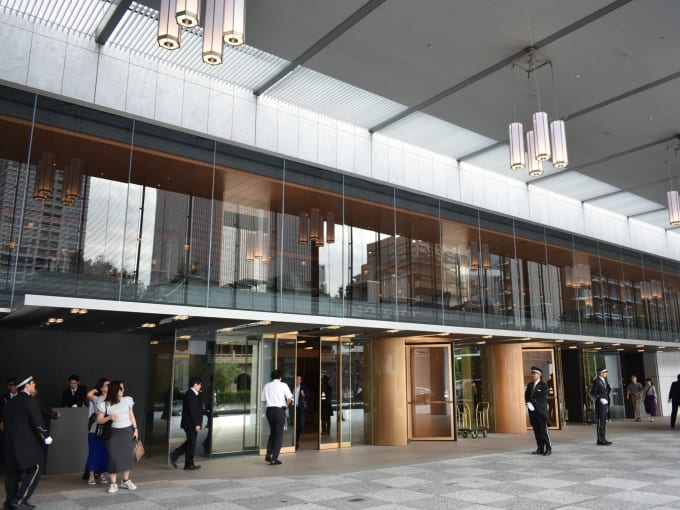
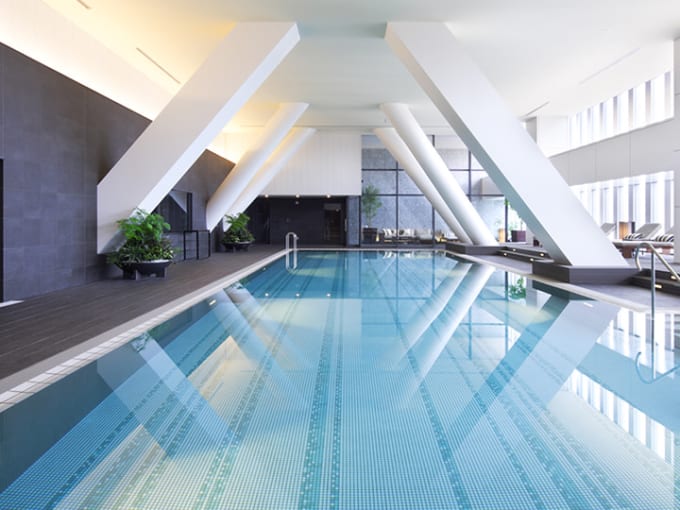
Tokyo compels a rethinking of luxury hospitality. Here, prestige is not solely defined by the size of a lobby; it is reflected in the precision of service, the quality of silence, and the management of space. The city juxtaposes business districts, historic gardens, vertical thoroughfares, and residential pockets. This diversity creates vastly different experiences, sometimes just a few stations apart. Between institutional landmarks like the Imperial Hotel Tokyo, high-altitude addresses such as Aman Tokyo, and recent signatures like Bulgari Tokyo, the traveller seeks not just a beautiful room, but a proper anchor point. In Tokyo, the right hotel transforms the entire experience of the stay. This is precisely why an editorial ranking is meaningful.
Our methodology is based on concrete criteria. We first consider the location, as in Tokyo, the neighbourhood dictates the rhythm of the journey. Marunouchi, Otemachi, Roppongi, Toranomon, and Shiodome each offer distinct energy and usage. We then evaluate hotel recognition, operational consistency, service level, clarity of wellness offerings, and a hotel's ability to provide a coherent experience. A Palace like Palace Hotel Tokyo is not judged by the same expectations as an urban ryokan like Andon Ryokan. Yet, both can be relevant. What our advisors primarily observe is longevity. A great hotel is recognised for its reliability, not for its promotional impact.
The landscape of luxury in Tokyo is more varied than one might imagine from Europe. There are the institutions, starting with the Imperial Hotel Tokyo and Hotel Okura Tokyo, which embody a certain Japanese continuity. There are the highly managed international hotels, such as Grand Hyatt Tokyo, ANA InterContinental Tokyo, or Conrad Tokyo. There are high-altitude retreats where the view becomes a component of the stay, like Four Seasons Hotel Tokyo at Otemachi or Aman Tokyo. There are also more unique offerings, blending decorative heritage and immersive experience, such as Hotel Gajoen Tokyo or Hotel Chinzan-so. Finally, more intimate establishments like Four Seasons Marunouchi remind us that in Tokyo, luxury can also take the form of a smaller scale and very personalised service.
For 2025 and 2026, several trends are becoming evident. The first concerns the balance between panoramic views and local anchorage. Many travellers desire the skyline but are now rejecting interchangeable hotels. Successful addresses are those that connect height with a genuine sense of place. The second trend relates to wellness. The spa remains important, but it is no longer sufficient on its own. Clients are looking at light, acoustics, the flow of movement, and sleep quality. The third trend is more subtle. It pertains to the cultural interpretation of Japanese hospitality. Savvy travellers are not seeking a caricature of tradition; they prefer a fair, comprehensible interpretation without forced folklore. This explains the simultaneous interest in Palace Hotel Tokyo, Aman Tokyo, and Andon Ryokan.
From MyConciergeHotel's perspective, luxury in Tokyo resonates well with a French sensibility. Not because it imitates it, but because it shares certain demands. The first is precision. Nothing is left to chance in a grand stay. The second is restraint. Refinement does not need to be loud to be noticeable. The third is the attention given to the client's time. A very good hotel knows how to expedite formalities and then slow down the rest. My advice is simple. In Tokyo, one should choose a hotel based on how they wish to inhabit the city. Business trip, first discovery, shopping, gastronomy, gardens, or contemplative getaway, each scenario calls for a different address. True luxury is not ostentatious; it is tailored.
Thus, this ranking should be read without seeking a universal verdict. The number one is not the only good choice. It corresponds to a combination of editorial criteria, not an absolute truth. Some travellers will prioritise the historical legitimacy of a Palace, while others may prefer contemporary aesthetics, a dominant view, or a very convenient location. A couple on a short stay will not necessarily choose as a family would. A Tokyo regular will not book as a first-time visitor would. It is important to note that this top 8 distinguishes hotels capable of embodying a certain level of excellence in their category. It does not claim to erase nuances; rather, it helps to illuminate them. This is the essence of a concierge selection, designed to guide without oversimplifying.
In the following pages, we have selected eight addresses that convey something essential about contemporary luxury in Tokyo. Some are already established references, while others reflect the recent evolution of the market. All deserve attention.