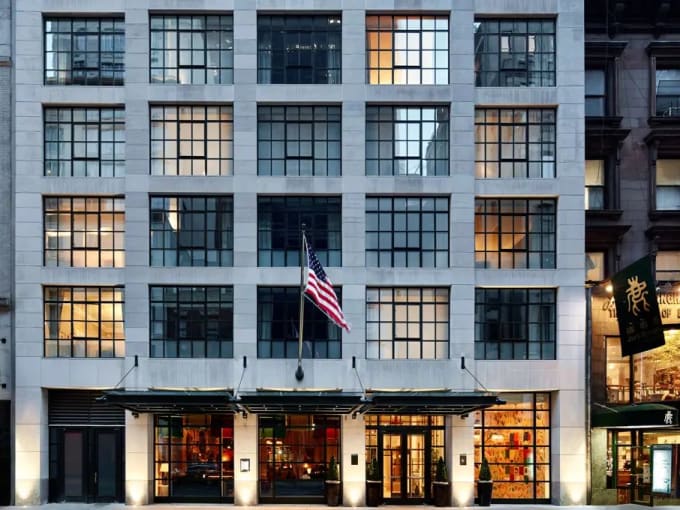
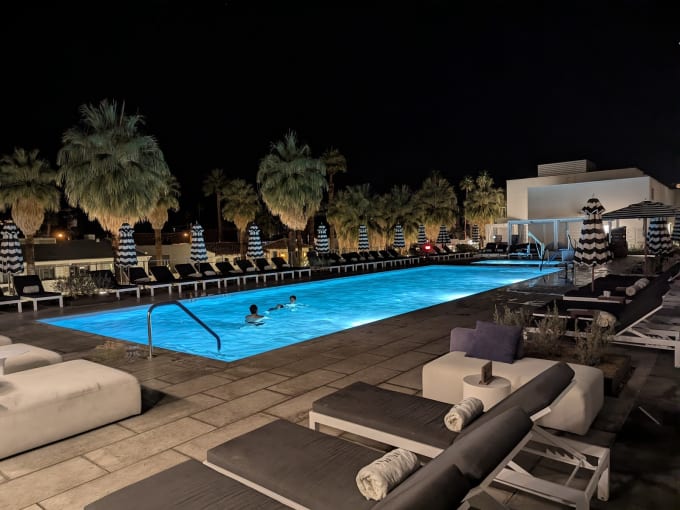
Discussing design hotels in the United States is akin to exploring a map of American taste. It varies according to cities, landscapes, and eras. In New York, design interacts with density, commercial history, and verticality. In Miami Beach, it seeks out vibrancy, colour, and a connection to the ocean. In the West, it sometimes recedes in the face of desert or mountain. It is precisely this contrast that makes the subject so compelling. A design hotel is not merely a beautiful object; it is a place where architecture, volumes, materials, light, and furniture create a cohesive experience. In the United States, this coherence takes on many different forms. It can be urban, radical, heritage-inspired, modernist, or almost monastic. It is this plurality that we sought to explore and then organise.
Our methodology is based on simple yet demanding criteria. We first examine the strength of the visual signature. A hotel enters this selection when it presents an identifiable language, beyond just a well-crafted decor. We then assess the coherence between exterior architecture, common spaces, rooms, and the relationship to the location. Design must endure; it cannot be limited to a fleeting trend. We also observe how the establishment fits into its context. A great design hotel does not simply replicate a global trend; it reflects a city, a climate, or a landscape. Finally, we consider the quality of execution, which includes materials, flow, visual acoustics, and attention to detail. What our advisors consistently observe is that while style matters, precision matters even more.
The American landscape is particularly broad. It encompasses downtown hotels, desert retreats, reimagined historical icons, and seaside addresses. Ace Hotel New York exemplifies a more raw and cultural interpretation of hotel design. Aman New York advocates for a quieter, almost architectural approach in its rhythm. Amangiri, in Canyon Point, demonstrates how minimalism can become a tool for showcasing the landscape. Faena Hotel Miami Beach embraces a more theatrical visual dramaturgy. Arizona Biltmore reminds us that a hotel can be design-driven through its modernist heritage as much as through its renovation. Finally, Four Seasons at The Surf Club shows that a heritage address can speak a contemporary language without losing its elegance. It is important to note that American design is not monolithic; it is a conversation between memory, innovation, and geography.
The trends for 2025-2026 confirm several underlying themes. Firstly, hotel design is moving away from overly demonstrative effects. Interiors are gaining in calmness and clarity. Palettes are becoming more mineral, tactile, and sometimes darker. Secondly, the boundary between luxury and well-being is tightening. Travellers expect spaces that visually soothe without falling into wellness uniformity. The relationship with natural light is becoming central. In large cities, this translates into more streamlined rooms and better-sequenced common areas. In nature destinations, architecture seeks more to recede than to dominate. We are also observing a return of reinterpreted heritage. The most compelling hotels no longer erase their history; they frame it, simplify it, and make it readable. My advice for interpreting this trend is simple: look for addresses that age well in photographs, but especially during a stay.
At MyConciergeHotel, we approach this subject with a French sensitivity to luxury. This does not mean imposing Parisian taste on American hotels; rather, it prioritises balance, quality of composition, and the notion of use. A beautiful design hotel must be pleasant to live in. The armchair must be well-placed. The room must breathe. The lobby should invite you to linger, not just to be seen. This approach often leads us to favour restraint over accumulation. It also makes us attentive to service, even in a ranking focused on aesthetics. Design is never isolated from comfort. A fluid flow, a good scale of spaces, and a proper relationship between intimacy and spectacle are also aspects of design. This is where French luxury meets America, in the belief that a remarkable place must remain habitable.
It is also important to clarify how to read this ranking. It does not solely reward the most spectacular. It does not seek to oppose modernity and heritage. Each selected hotel responds to a particular definition of design. Some will appeal to enthusiasts of radical lines and visual silence, while others will suit those who appreciate narrative decor, historical buildings, or more social atmospheres. We do not rank identical hotels; we prioritise interpretations of design. This is an important nuance. A traveller seeking a mineral desert will not choose the same address as a regular in Manhattan or Miami Beach. Our advisors often observe this. The right design hotel is not always the most photographed; it is the one whose aesthetic aligns with your way of inhabiting a place, from morning until the last drink.
In the following Top 10, you will find very different yet solid signatures. Some are already established references, while others stand out for their rare coherence. All share a genuine thoughtfulness about space.